Protecting Your Kidneys: A Guide to Maintaining Good Kidney Health
Your kidneys are one of the most critical organs in your body, responsible for filtering waste and excess fluids from your blood, regulating blood pressure, and maintaining electrolyte balances. However, kidney disease is a growing concern, affecting millions of people worldwide. In this article, we will explore the importance of protecting your kidneys and provide you with practical tips on how to maintain good kidney health.
Understanding Kidney Disease
Kidney disease, also known as chronic kidney disease (CKD), is a long-term condition where the kidneys do not work as well as they should. CKD can be caused by a variety of factors, including diabetes, high blood pressure, family history, and certain medications. If left unchecked, kidney disease can lead to kidney failure, requiring dialysis or a kidney transplant.
How to Protect Your Kidneys
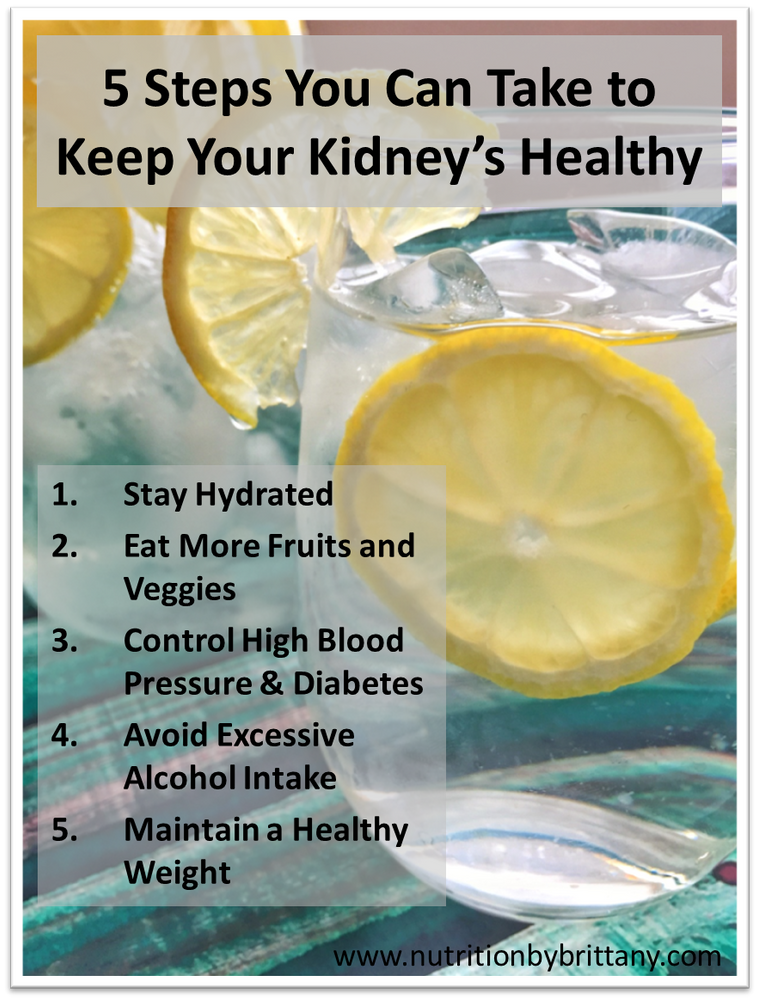
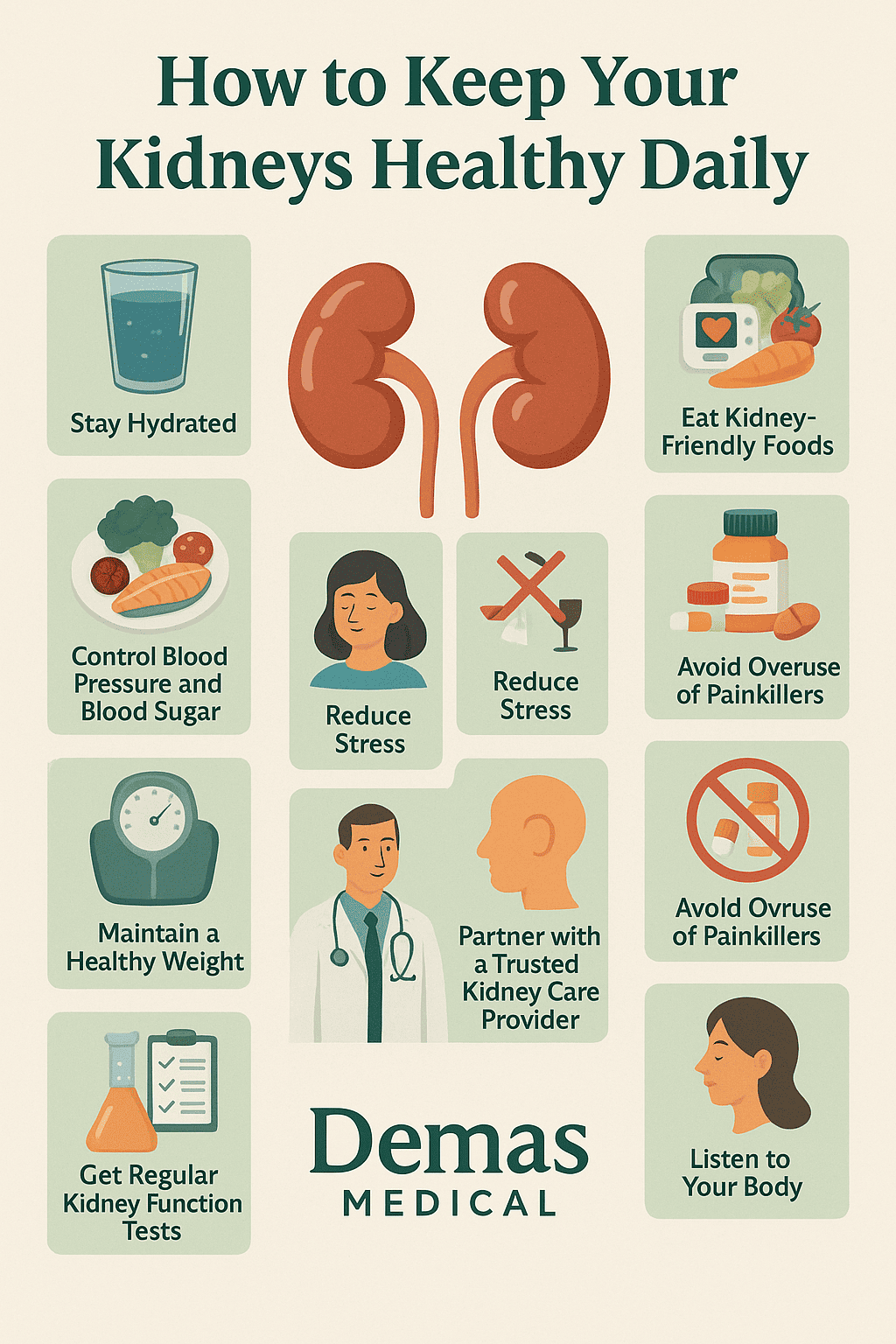
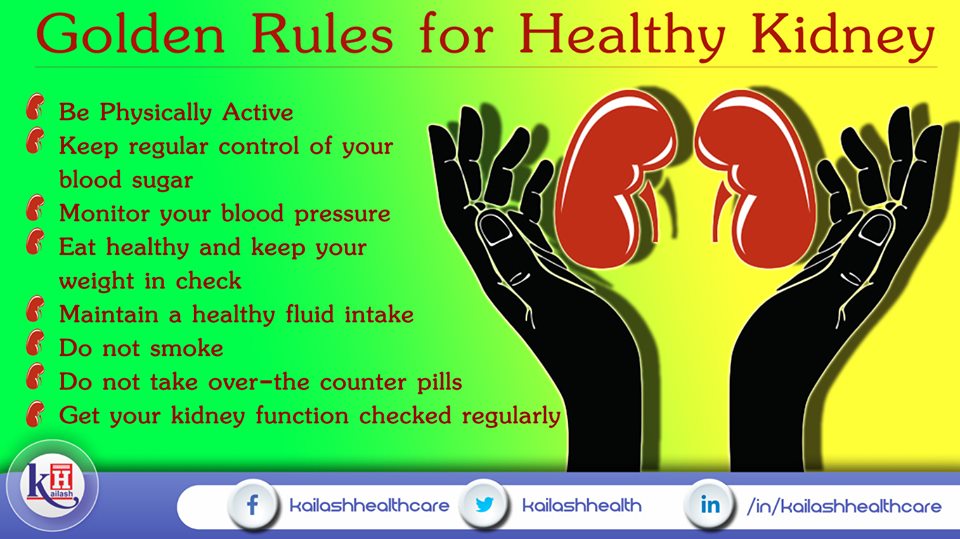
Fortunately, there are many ways to protect your kidneys and reduce your risk of developing kidney disease. Here are some easy-to-follow tips:
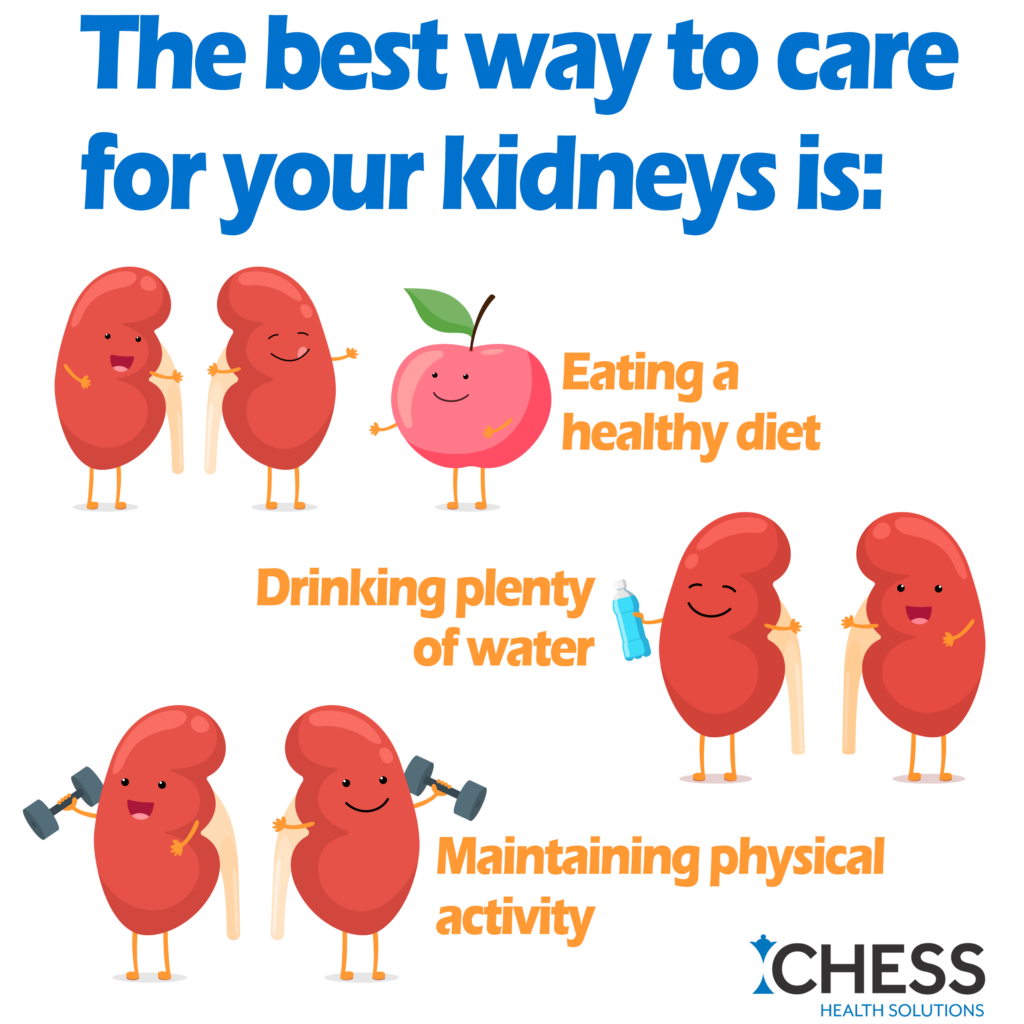
- Stay hydrated. Drinking enough water is essential to help your kidneys function properly. Aim for at least eight glasses of water a day.
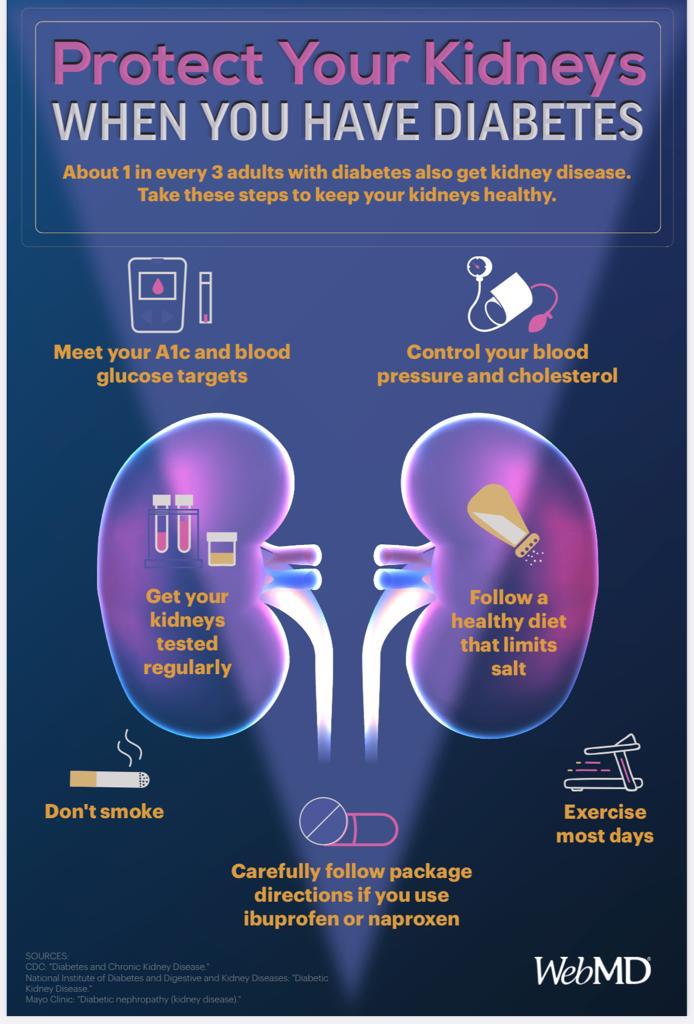
- Monitor your blood pressure. High blood pressure is a significant risk factor for kidney disease. Work with your doctor to maintain healthy blood pressure levels.
- Exercise regularly. Regular physical activity can help lower blood pressure and improve overall kidney function.
- Manage diabetes. If you have diabetes, work with your doctor to manage your blood sugar levels and prevent kidney damage.
- Limit salt intake. Excessive salt consumption can put additional strain on your kidneys. Limit your daily salt intake to about one teaspoon.
- Don't smoke. Smoking is a significant risk factor for kidney disease, so quit smoking to protect your kidneys.
- Limit over-the-counter pain medications. Certain over-the-counter pain medications, such as ibuprofen and naproxen, can damage your kidneys when taken in excess.
- Get regular check-ups. Regular check-ups with your doctor can help identify any potential kidney issues early on.

Additional Tips for Maintaining Good Kidney Health
There are several additional steps you can take to protect your kidneys and maintain good kidney health:
- Follow a kidney-friendly diet. A kidney-friendly diet focuses on foods that are easy on the kidneys and avoids foods that can harm them.
- Get enough sleep. Adequate sleep is essential for overall health, including kidney function.
- Manage stress. Chronic stress can put additional strain on your kidneys, so find healthy ways to manage stress, such as meditation or yoga.
- Limit alcohol consumption. Excessive alcohol consumption can damage your kidneys, so limit your intake to moderate levels.
Conclusion
Maintaining good kidney health is crucial for overall well-being. By following these tips and being mindful of the steps that can damage your kidneys, you can reduce your risk of developing kidney disease and ensure your kidneys function properly for years to come.
Remember, your kidneys are vital organs that deserve attention and care. By taking the necessary steps to protect your kidneys, you can prevent kidney disease and maintain a healthy, happy body.

.jpg "Ways to Keep Your Kidneys Healthy - WebMD")