Breaking Free from the Screen: A Comprehensive Guide to Reducing Screen Time
In today's digital age, it's easy to get caught up in the endless stream of notifications, emails, and social media updates. However, excessive screen time has been linked to a range of negative effects on our physical and mental health, relationships, and productivity. So, how do you reduce screen time and break free from the screen? In this article, we'll explore the reasons why setting screen time limits is essential, provide practical tips and strategies to help you achieve your goals, and discuss the potential benefits of reduced screen time.Why Setting Screen Time Limits Matters
Excessive screen time can lead to a range of negative effects, including: * **Digital eye strain**: Prolonged screen time can cause eye fatigue, headaches, and blurred vision. * **Sleep disturbances**: Exposure to screens and the blue light they emit can interfere with your sleep patterns, leading to fatigue, mood swings, and other health problems. * **Physical inactivity**: Spending too much time on screens can lead to a sedentary lifestyle, increasing the risk of obesity, diabetes, and other health conditions. * **Social isolation**: Excessive screen time can lead to social isolation, as people spend more time interacting with screens and less time connecting with others. * **Decreased productivity**: Excessive screen time can lead to decreased productivity, as people get distracted by social media, email, and other online activities.Practical Tips to Reduce Screen Time
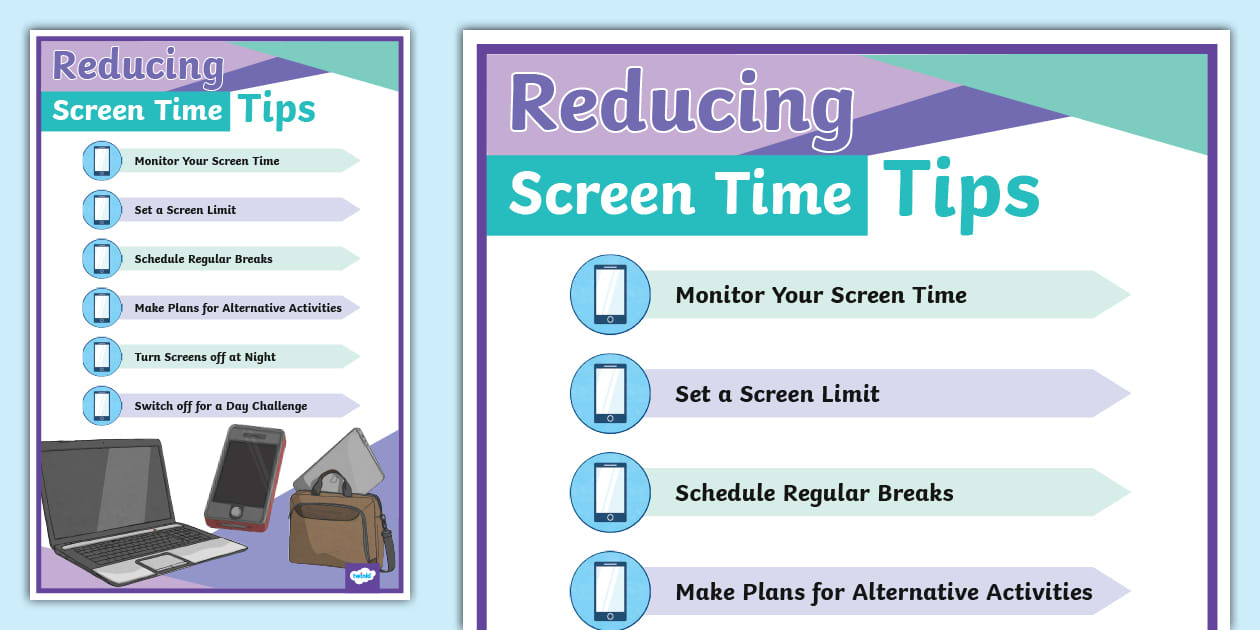
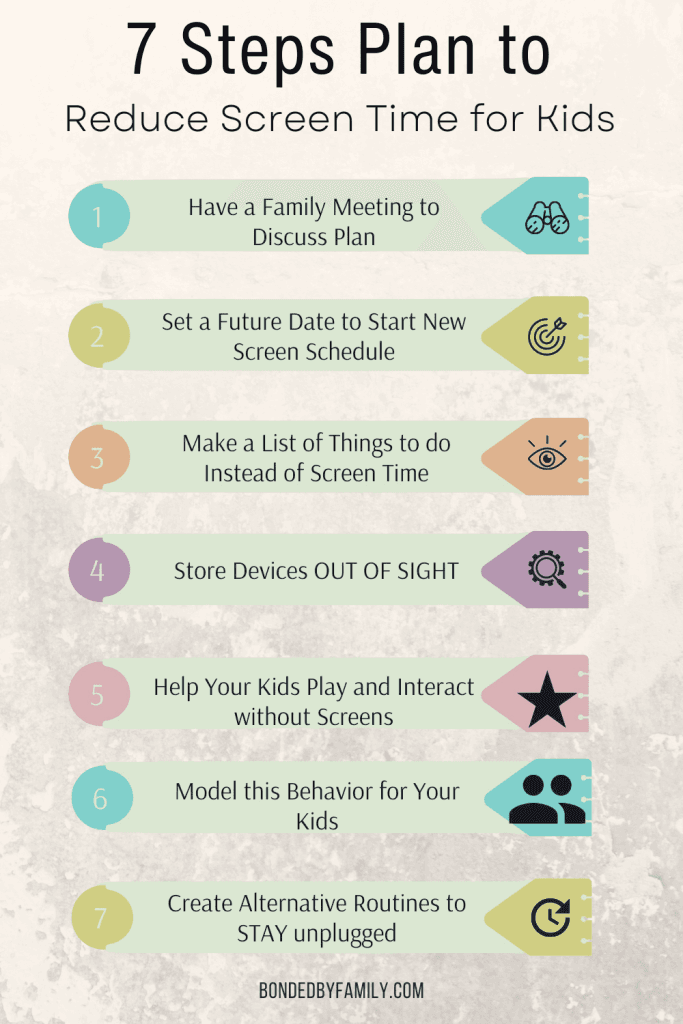
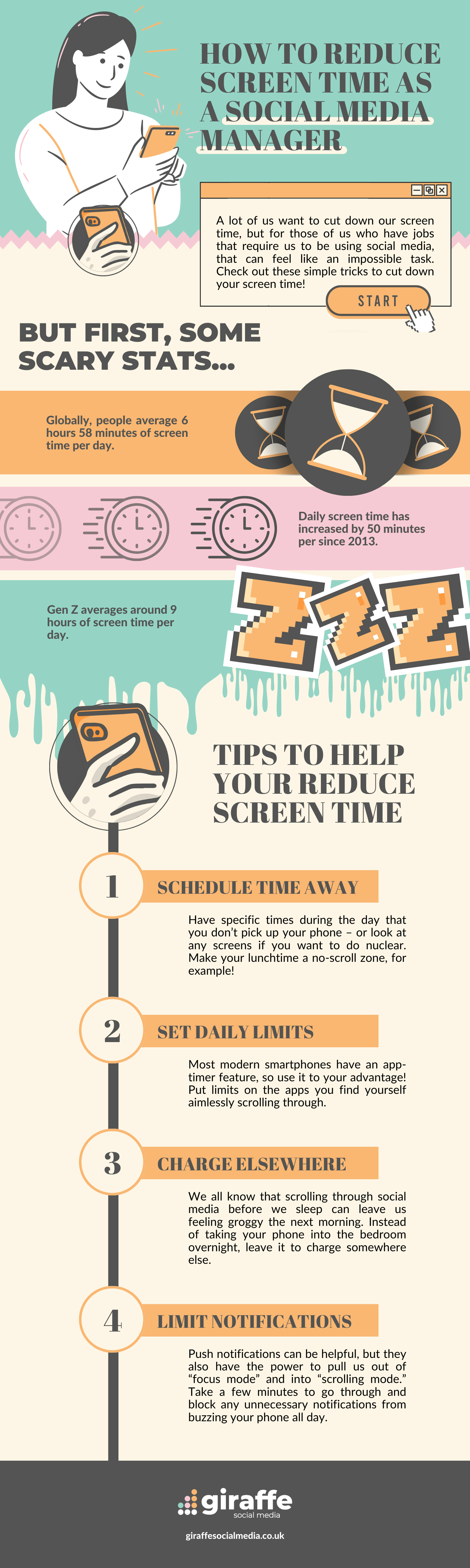
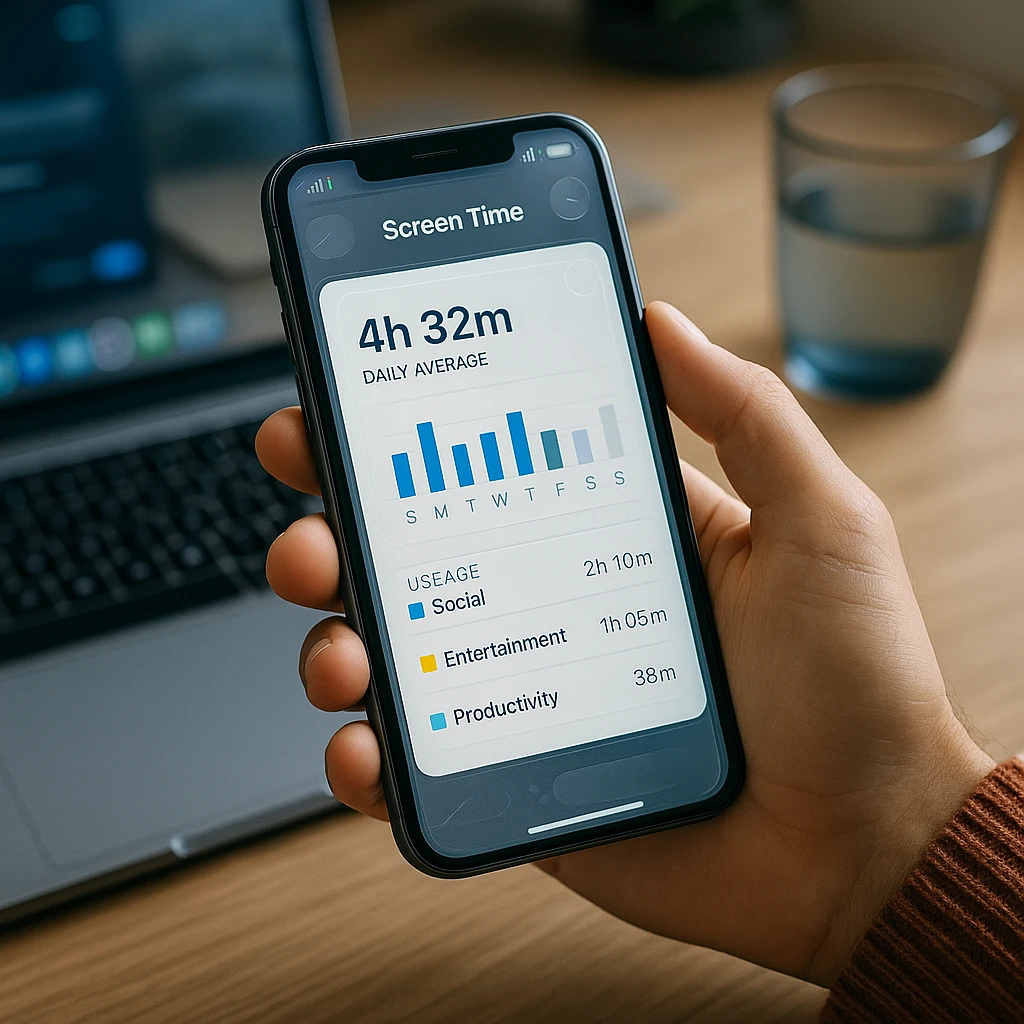
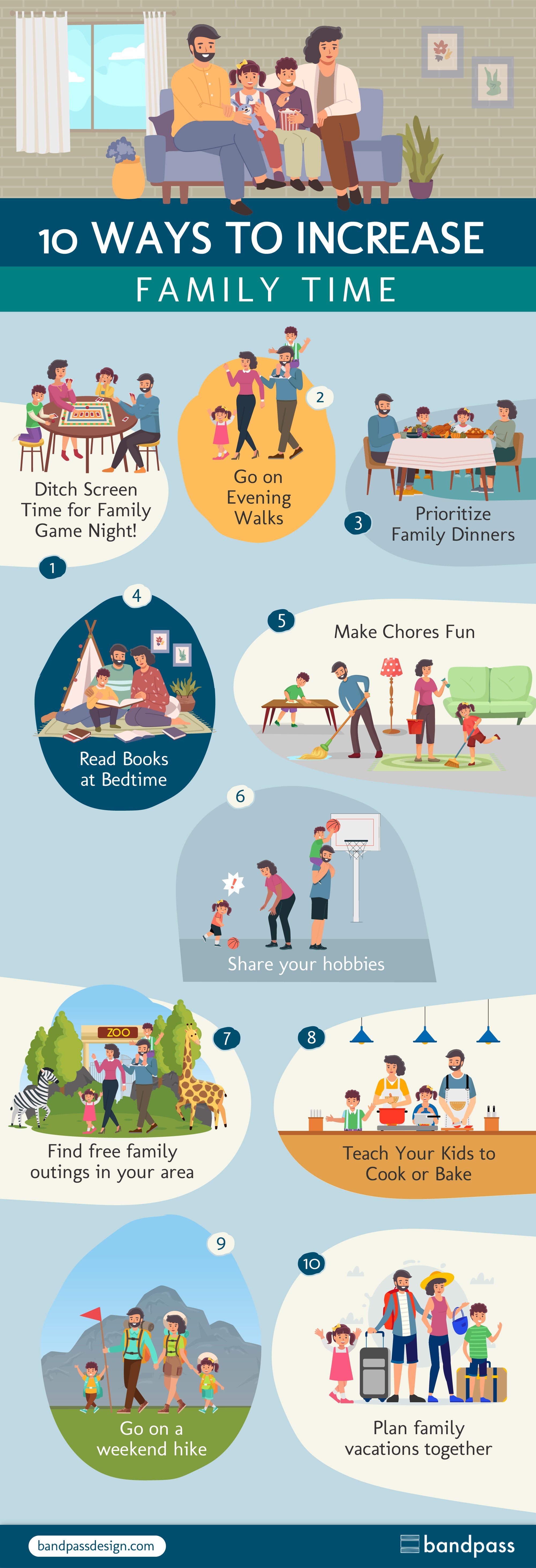
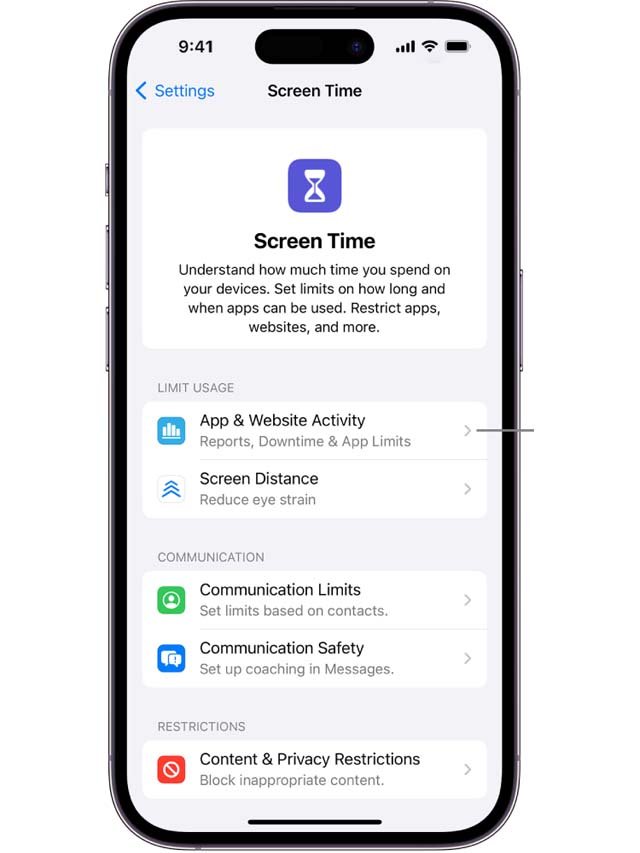
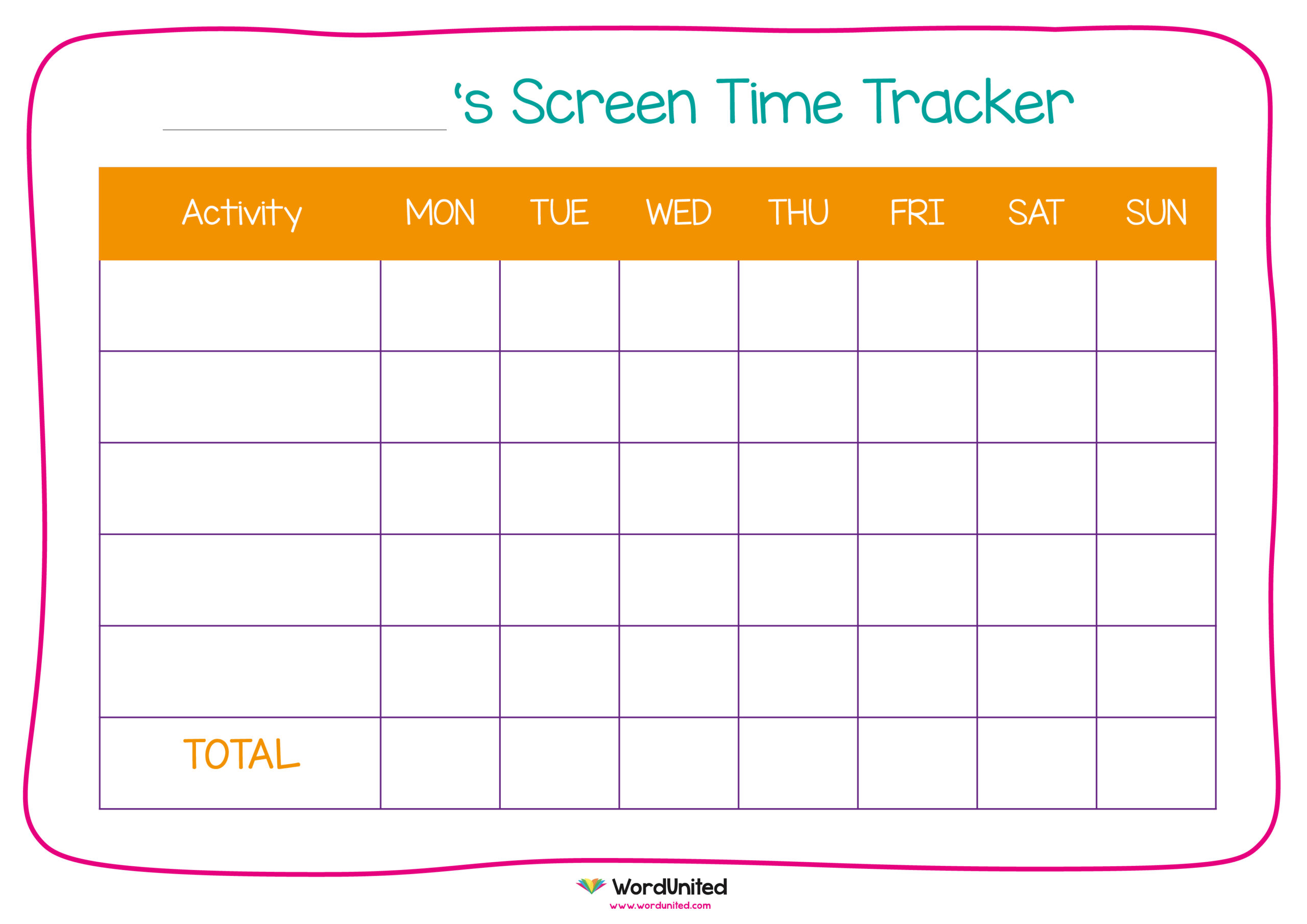
Here are some practical tips to help you reduce your screen time: * Set screen time limits: Use built-in features or apps to set limits on your screen time, such as Screen Time on iOS or Digital Wellbeing on Android. * Use screen-free zones: Designate specific areas or times as screen-free, such as the dinner table or during family time. * Find alternative activities