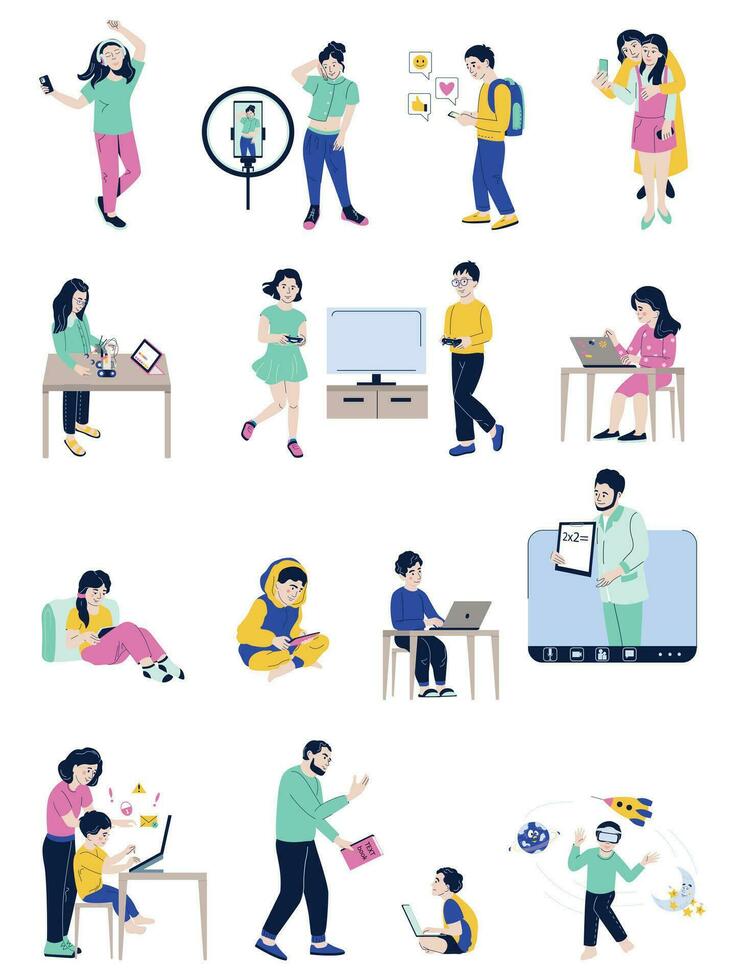
Link to Gadget Addiction: Understanding the Complicated Issue
Gadget addiction has become a widespread phenomenon in recent years, affecting people of all ages. Jennifer Katzenstein, Ph.D., emphasizes the importance of setting limits on the use of electronic devices, not just for children, but for adults as well. Like alcohol or drug addiction, gadget addiction can lead to severe negative consequences, including impaired cognitive and emotional development in children.
The Prevalence of Tech Addiction
What is tech addiction? Technology addiction, also known as digital addiction or internet addiction, is a behavioral pattern where a person becomes dependent on digital devices or platforms in a way that disrupts their daily life, mental health, or relationships. According to a recent meta-analysis, an increased rate of digital addiction has been reported in the last two decades, with pooled prevalence estimates at around 27% for smartphone addiction and 17.5% for social media addiction.
Causes of Gadget Addiction
- Loneliness: With the rise of social media, people are more connected than ever, but they can still feel isolated and lonely. This can lead to a cycle of gadget use, as individuals try to fill the void with online interactions.
- Lack of self-control: Some people may struggle with self-control, finding it difficult to limit their gadget use, even when it's causing problems in their lives.
- Anxiety and boredom: Gadget addiction can be a coping mechanism for anxiety and boredom, as individuals seek escape and distraction from their emotions.
- Peer influence: Social pressures and peer influence can also contribute to gadget addiction, as individuals feel the need to keep up with their friends and peers.
Effects of Gadget Addiction
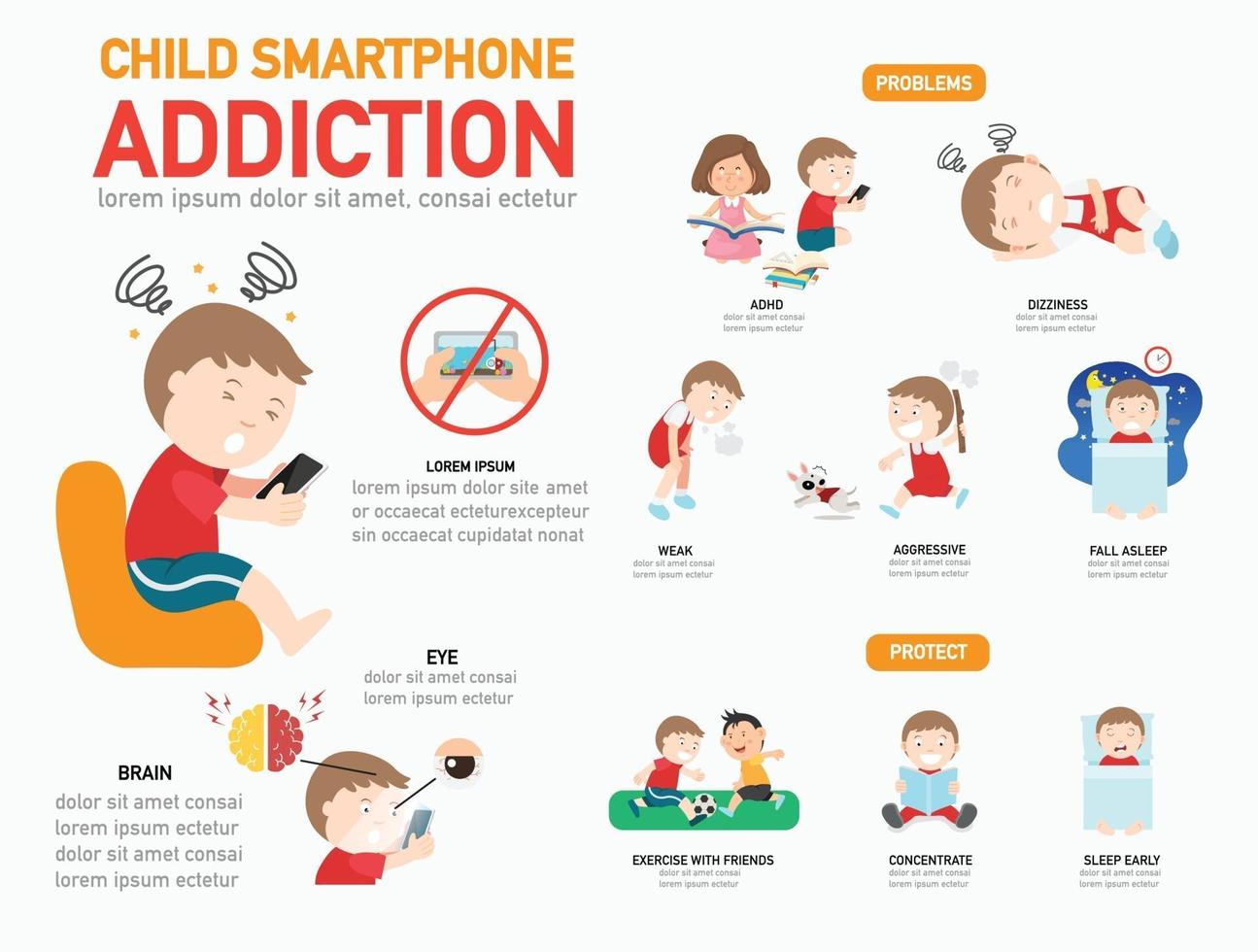
The effects of gadget addiction can be far-reaching and devastating. Excessive and compulsive use of the internet or online activities can lead to negative consequences in various aspects of an individual's life, including:

- Mental health issues: Gadget addiction can lead to anxiety, depression, and other mental health problems.
- Social isolation: Excessive gadget use can lead to social isolation, as individuals spend more time online and less time interacting with friends and family.
- Physical health problems: Prolonged gadget use can lead to eye strain, headaches, and other physical health problems.
- Relationship problems: Gadget addiction can strain relationships, as individuals prioritize their gadgets over other aspects of their lives.
Solutions to Gadget Addiction
So, how can we overcome gadget addiction? Here are some strategies to help:
- Set boundaries: Establish clear rules and limits on gadget use, and stick to them.
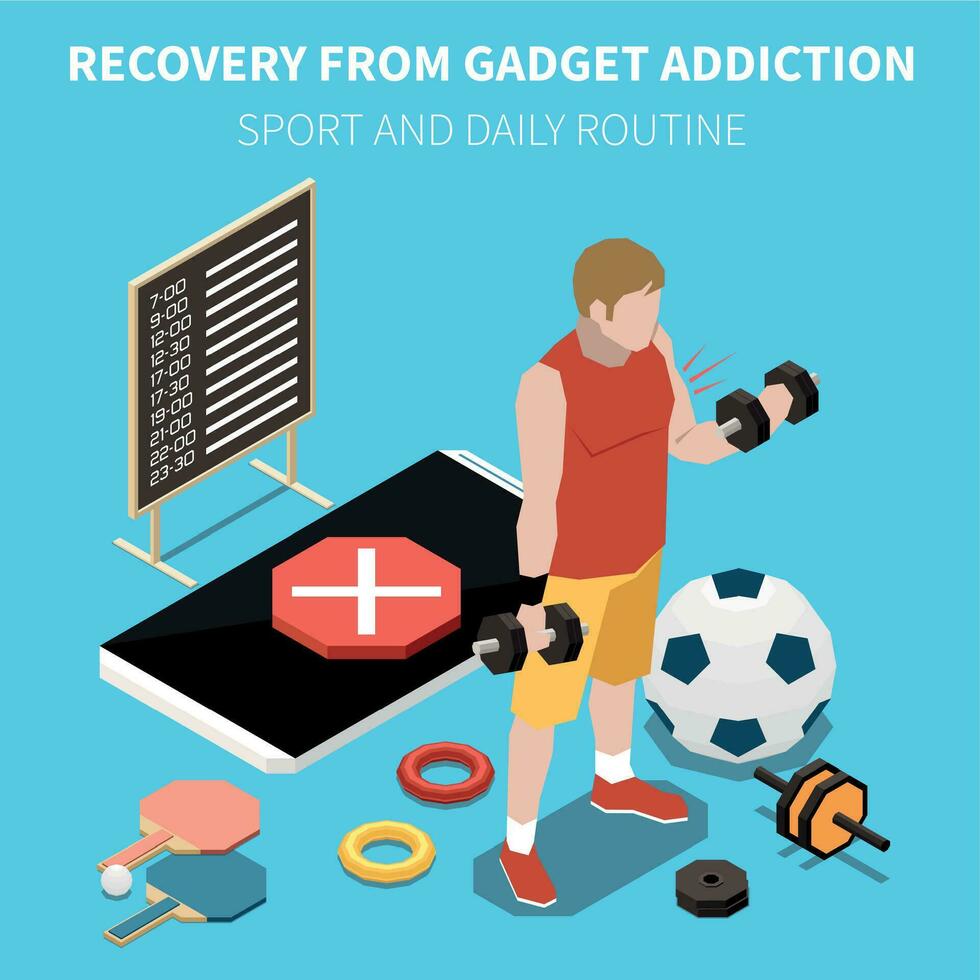
- Find alternative activities: Engage in hobbies and activities that don't involve gadgets, such as sports, reading, or spending time with friends and family.
- Seek help: If gadget addiction is causing problems in your life, seek help from a mental health professional.
- Monitor usage: Use tools and apps to track and limit gadget use.
Conclusion
Gadget addiction is a serious issue that requires attention and action. By understanding the causes and effects of gadget addiction, we can take steps to prevent it and overcome it. Remember, a balance between gadget use and other aspects of life is essential for maintaining good mental and physical health. Don't let gadget addiction control your life – take back control and find a healthier balance.