Migrating Your Small Business to a New Location: A Comprehensive Guide
Relocating your small business to a new location can be a daunting task, but with the right planning and preparation, it can also be an exciting opportunity for growth and expansion. In this article, we will provide you with a comprehensive guide on how to successfully migrate your small business to a new location, minimizing disruption and ensuring a smooth transition for your team and operations.
Why Relocate Your Small Business?
- Expanding to a larger space to accommodate growing staff or operations
- Upgrading to a more ideal location with better accessibility or visibility
- Transitioning to a new market or demographic
- Reducing costs or improving efficiency
Key Considerations for a Successful Relocation
1. Research and Choose the Right Location
When choosing a new location, consider factors such as:
- Accessibility for clients and suppliers
- Parking and public transit options
- Convenience for shipping and receiving
- Nearby services and amenities
- Zoning laws and regulations
Define your budget and prioritize your location options based on your specific business needs.
2. Notify Stakeholders and Communicate Change
Implement a thorough communication plan to inform all stakeholders, including:
- Employees
- Customers
- Suppliers
- Partners and vendors
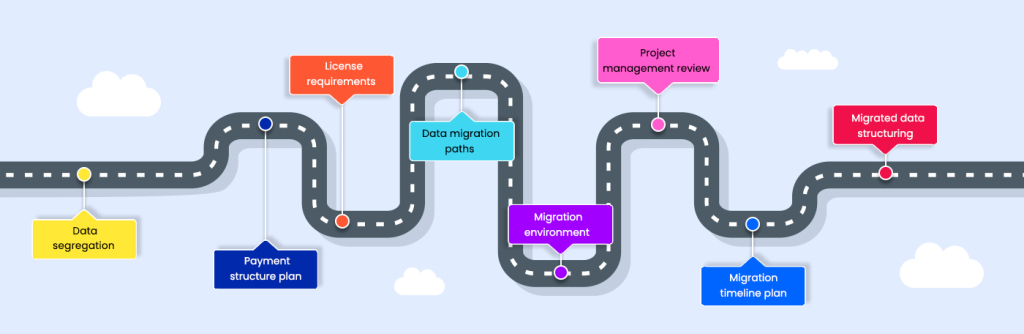
3. Plan Ahead and Create a Timeline
Develop a detailed timeline and budget to ensure a smooth transition, considering all aspects from logistics to communication. Set realistic deadlines and allocate resources accordingly.
4. Manage Logistics and Operations
Coordinate with your moving company or in-house team to ensure:
- A secure and efficient relocation process
- Minimal downtime and disruption to operations
- Effective communication with employees and stakeholders
5. Update Marketing and Technology
Update your marketing plan to reach your new audience and adjust your technology and infrastructure to meet the needs of your new location. Review and update your business's legal documents, such as licenses and registrations, to reflect your new address.
Strategies for a Smooth Transition
1. Prepare for a New Workforce
Recruit and retain a new workforce, taking into account factors such as
- Local labor market
- Talent pool
- Competitive salaries and benefits
2. Promote Your Business in the New Location
Introduce your business to the new neighborhood by<
- Attending local events and networking sessions
- Participating in community initiatives
- Updating your social media accounts and website
Conclusion
Migrating your small business to a new location requires careful planning and preparation. By considering key factors such as research, communication, logistics, and marketing, you can ensure a smooth transition and set your business up for success in its new location. Remember to prioritize your needs, set realistic deadlines, and allocate resources effectively to minimize disruption and maximize return on investment.