Register an English Company: A Step-by-Step Guide
Registering an English company can be a complex and time-consuming process, but with the right guidance, it can be done efficiently and effectively. In this article, we will walk you through the steps involved in registering a company in England, including the requirements and costs associated with the process.
Why Register an English Company?
There are several reasons why you may want to register a company in England, including:
- To take advantage of the UK's business-friendly environment
- To access the UK's large and diverse market
- To attract investment and funding from UK-based investors
- To expand your business operations into the UK
Step 1: Choose a Business Structure
The first step in registering a company in England is to choose a business structure that suits your needs. The most common types of business structures in England are:
- Private Limited Company (Ltd)
- Public Limited Company (Plc)
- Sole Trader
- Partnership
Private Limited Company (Ltd)
A private limited company is the most common type of business structure in England. It provides limited liability protection for its shareholders and is ideal for small to medium-sized businesses.
Public Limited Company (Plc)
A public limited company is a type of company that is listed on the stock exchange and has a large number of shareholders. It is ideal for large businesses that require access to capital markets.
Step 2: Choose a Company Name
Once you have chosen a business structure, the next step is to choose a company name that is unique and not already in use by another company. You can search for available company names on the Companies House website.
Step 3: Appoint Directors and Shareholders
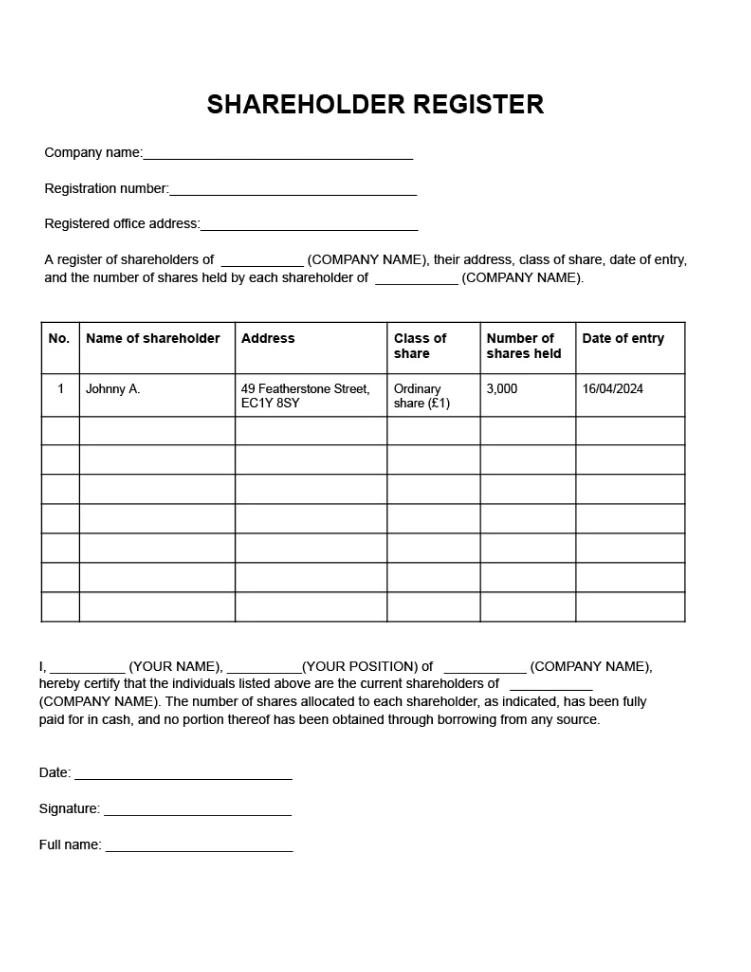
Appointing directors and shareholders is an essential step in registering a company in England. Directors are responsible for managing the company, while shareholders are responsible for owning and voting on company matters.

Step 4: Register with Companies House
Once you have chosen a business structure, chosen a company name, and appointed directors and shareholders, the next step is to register your company with Companies House. You can do this by filing the necessary paperwork and paying the registration fee.
Step 5: Register for Tax
After registering your company with Companies House, the next step is to register for tax with HMRC. You will need to file a tax return and pay any taxes owed to HMRC.
Step 6: Set Up a Bank Account
Finally, you will need to set up a bank account for your company. This will allow you to manage your company's finances and pay bills.
Conclusion
Registering an English company can be a complex and time-consuming process, but with the right guidance, it can be done efficiently and effectively. By following these steps, you can ensure that your company is registered correctly and that you are compliant with all relevant laws and regulations.
Frequently Asked Questions
Here are some frequently asked questions about registering a company in England:
- Q: How long does it take to register a company in England?
- A: The registration process typically takes around 1-2 weeks.
- Q: What is the cost of registering a company in England?
- A: The cost of registering a company in England is £12-£15, depending on the business structure.
- Q: Do I need to register my company with HMRC?
- A: Yes, you will need to register your company with HMRC to pay taxes and file a tax return.
Resources
Here are some additional resources that may be helpful in registering a company in England:
- Companies House website: https://www.gov.uk/companies-house
- HMRC website: https://www.gov.uk/hmrc
- Chartered Institute of Management Accountants (CIMA) website: https://www.cimaglobal.com