What is an Offshore Trust Account?
An offshore trust account is a legal arrangement where assets are transferred from a settlor (who owns the assets) to a trustee (who manages the trust), in a jurisdiction outside the settlor's country of residence. This type of trust account provides an additional layer of protection for assets, making it a popular choice for individuals and businesses looking to safeguard their wealth.
Benefits of an Offshore Trust Account
The benefits of an offshore trust account are numerous. For one, it provides asset protection, shielding assets from creditors and lawsuits. It also allows for tax efficiency, as the trust can take advantage of favorable tax policies in the offshore jurisdiction. Additionally, an offshore trust account can provide a level of confidentiality, as the assets are not publicly disclosed. This can be particularly beneficial for high-net-worth individuals or businesses looking to maintain a low profile.
How Does an Offshore Trust Account Work?
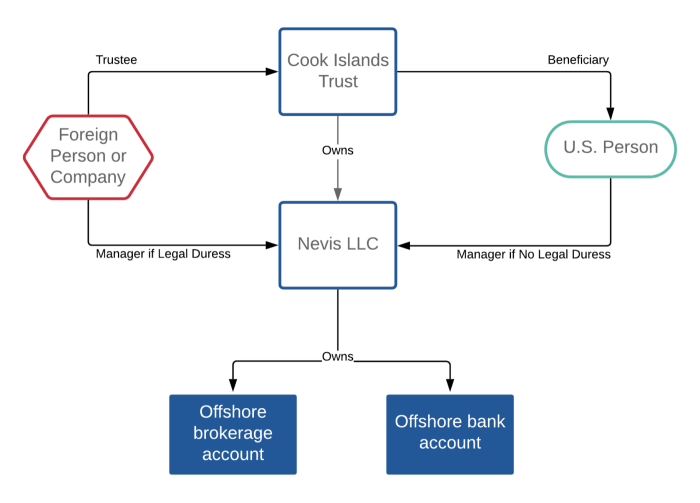
An offshore trust account works by transferring ownership of assets to a trustee, who is responsible for managing the trust according to the terms set out in the trust deed. The trustee is typically a licensed company or individual operating in the offshore jurisdiction, and they have a fiduciary duty to act in the best interests of the beneficiaries. The settlor, on the other hand, is the person who transfers the assets to the trust, and they typically retain some level of control over the trust.
Types of Offshore Trust Accounts
There are several types of offshore trust accounts, each with its own set of benefits and drawbacks. Some common types of offshore trust accounts include:
- Unit Trusts: A unit trust is a type of trust where the assets are divided into units, and each unit is owned by a beneficiary.
- Offshore Asset Protection Trusts: An offshore asset protection trust is designed to protect assets from creditors and lawsuits.
- Offshore Estate Planning Trusts: An offshore estate planning trust is used to distribute assets to beneficiaries after the settlor's death.
- Offshore Tax-Planning Trusts: An offshore tax-planning trust is used to minimize taxes and maximize tax savings.

Choosing the Right Offshore Trust Account
Choosing the right offshore trust account can be a complex and time-consuming process. It's essential to work with a qualified professional, such as a lawyer or accountant, to determine the best type of trust for your specific needs. They will help you navigate the laws and regulations of the offshore jurisdiction, ensuring that your trust is properly set up and managed.
Offshore Trust Account Formation
The formation of an offshore trust account typically involves several steps, including:
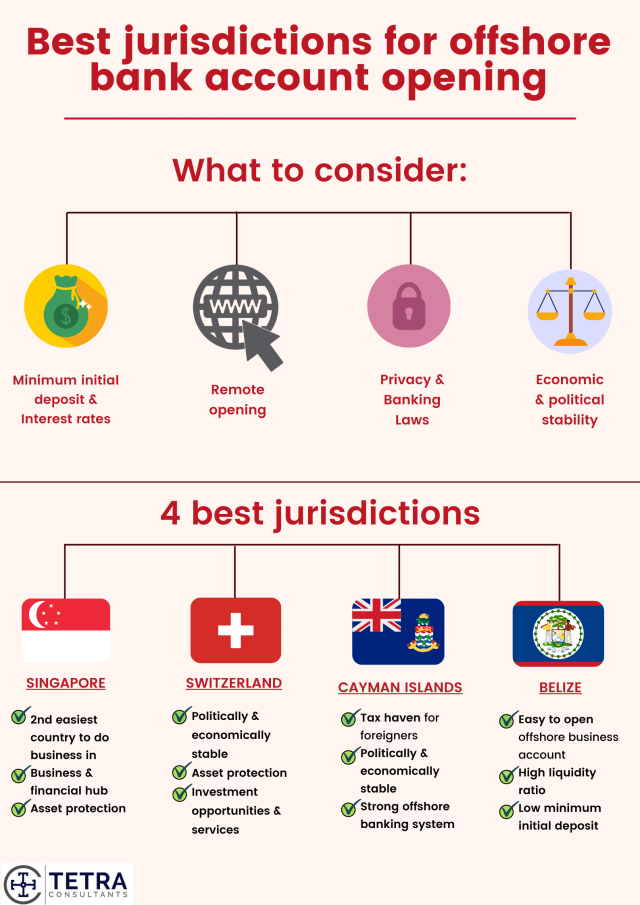
- Choosing an offshore jurisdiction: Select a jurisdiction that offers favorable tax policies and asset protection laws.
- Selecting a trustee: Choose a reputable trustee who is licensed to operate in the offshore jurisdiction.
- Preparing the trust deed: Draft a trust deed that outlines the terms and conditions of the trust.
- Transferring assets: Transfer assets to the trust, which are then managed by the trustee.
Conclusion
An offshore trust account is a powerful tool for asset protection, tax efficiency, and wealth management. By understanding how an offshore trust account works and choosing the right type of trust for your needs, you can ensure that your assets are protected and your financial goals are achieved. If you're considering setting up an offshore trust account, it's essential to work with a qualified professional to ensure that the process is done correctly and efficiently.
:max_bytes(150000):strip_icc()/GettyImages-171999007-5733423d5f9b58723d21ea1b.jpg "A Guide to Offshore Trusts")