Phubbing Effects on Children's Behavior: A Growing Concern
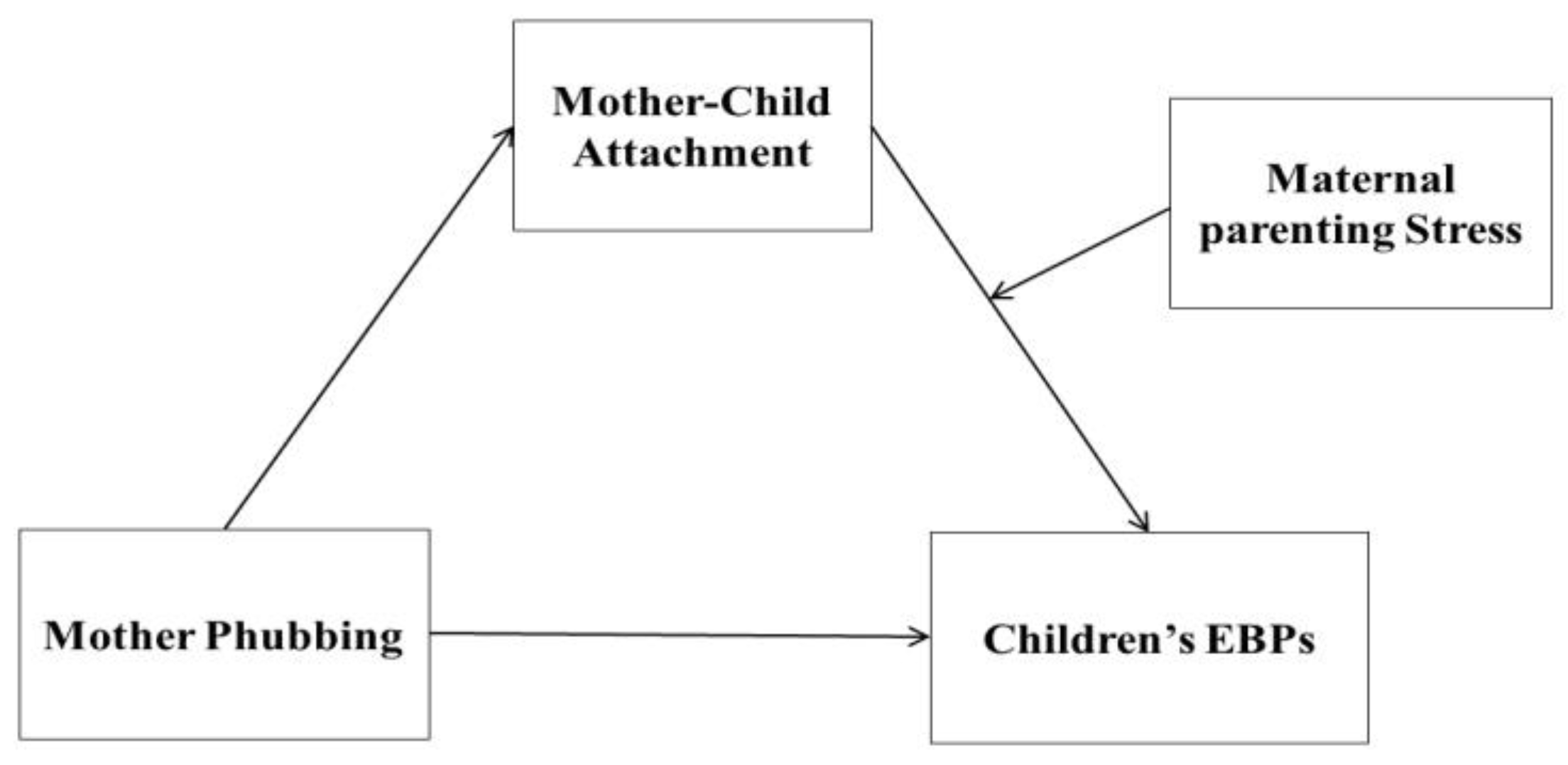
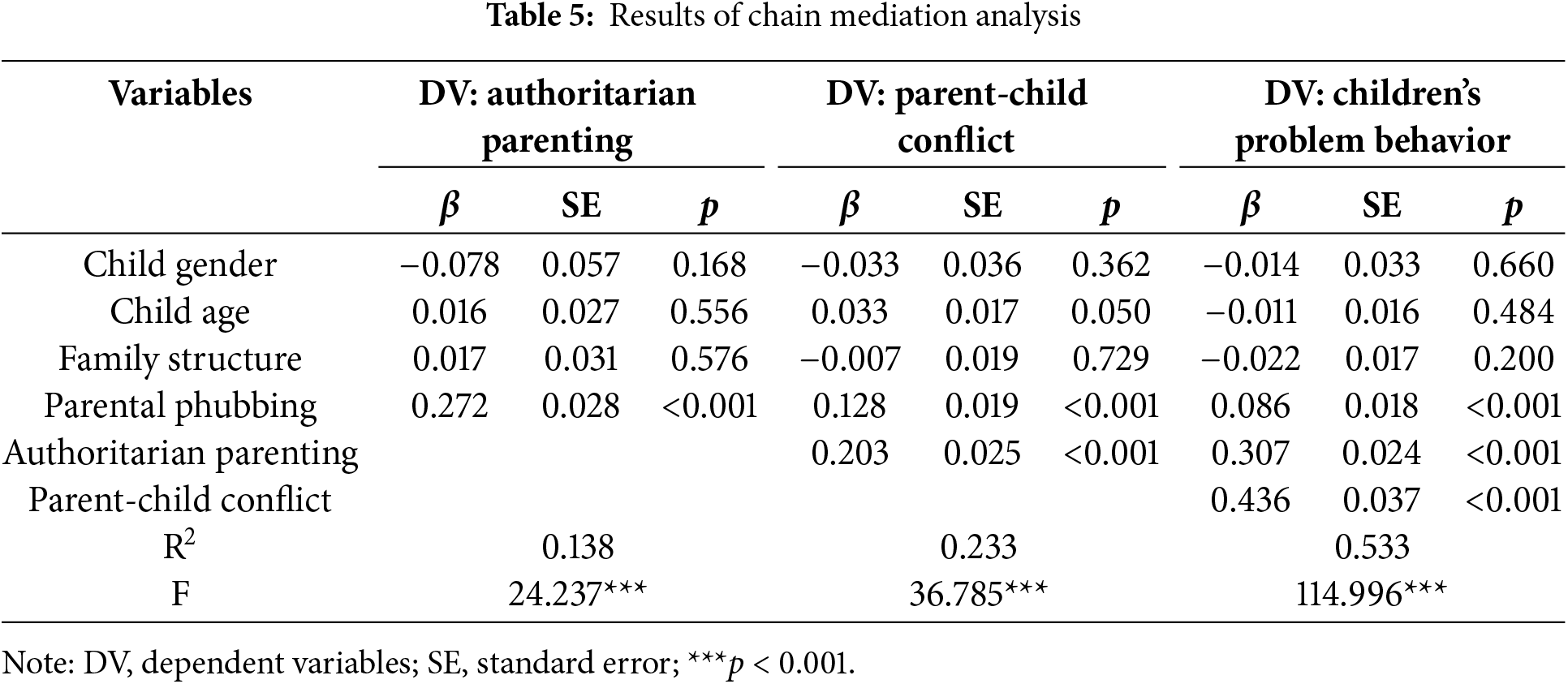
With the widespread adoption of smartphones, parent alphubbing behavior has become increasingly prevalent, potentially affecting preschool children's development. While previous studies have focused on adolescent populations, the impact of parent alphubbing on young children's behavior and development remains a pertinent issue.
The Dangers of Phubbing
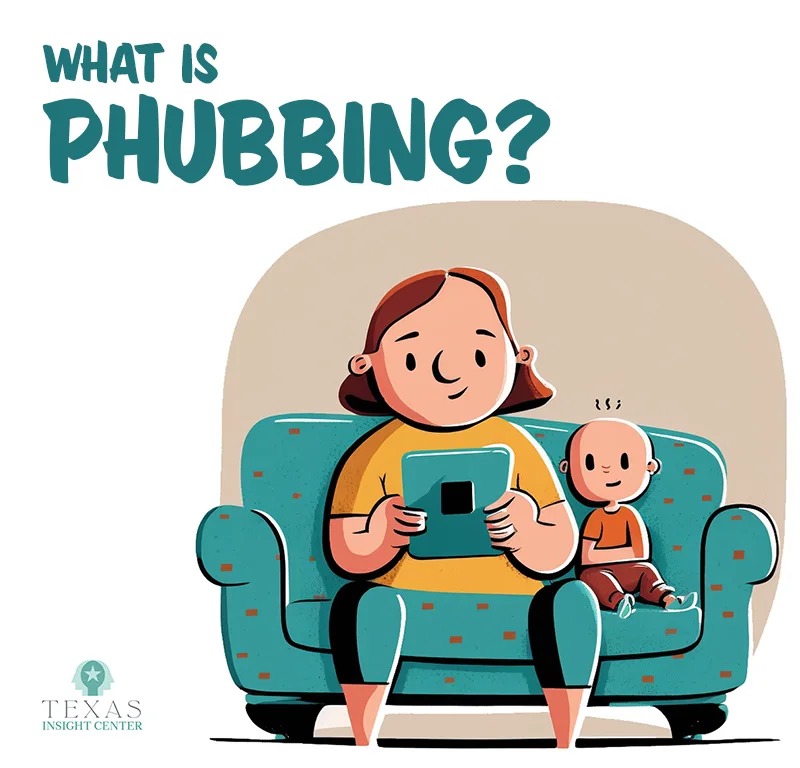
Phubbing, or snubbing someone in favor of a phone, is a growing concern that threatens to disrupt parent-child relationships and hinder social-emotional development in children. Research suggests that parent alphubbing can lead to poor self-esteem, increased anxiety, and depression in children and adolescents.
Effects on Children's Behavior
- Aggression and frustration**: Phubbing can cause children to become frustrated and sad, leading to aggressive behavior and social isolation.
- Decreased self-esteem**: Consistent phubbing can negatively impact children's self-esteem and confidence in social interactions.
- Increased anxiety and depression**: Phubbing has been linked to increased anxiety and depression in children and adolescents.
Why Phubbing Matters
Phubbing is a significant issue because it negates the nurturing of children and directly influences their well-being in formative years. Making eye contact is the most powerful mode of establishing a link for communication between human beings. However, when parents prioritize phone use over their children, they send a clear message that their child is not a priority.
The Impact on Children's Development
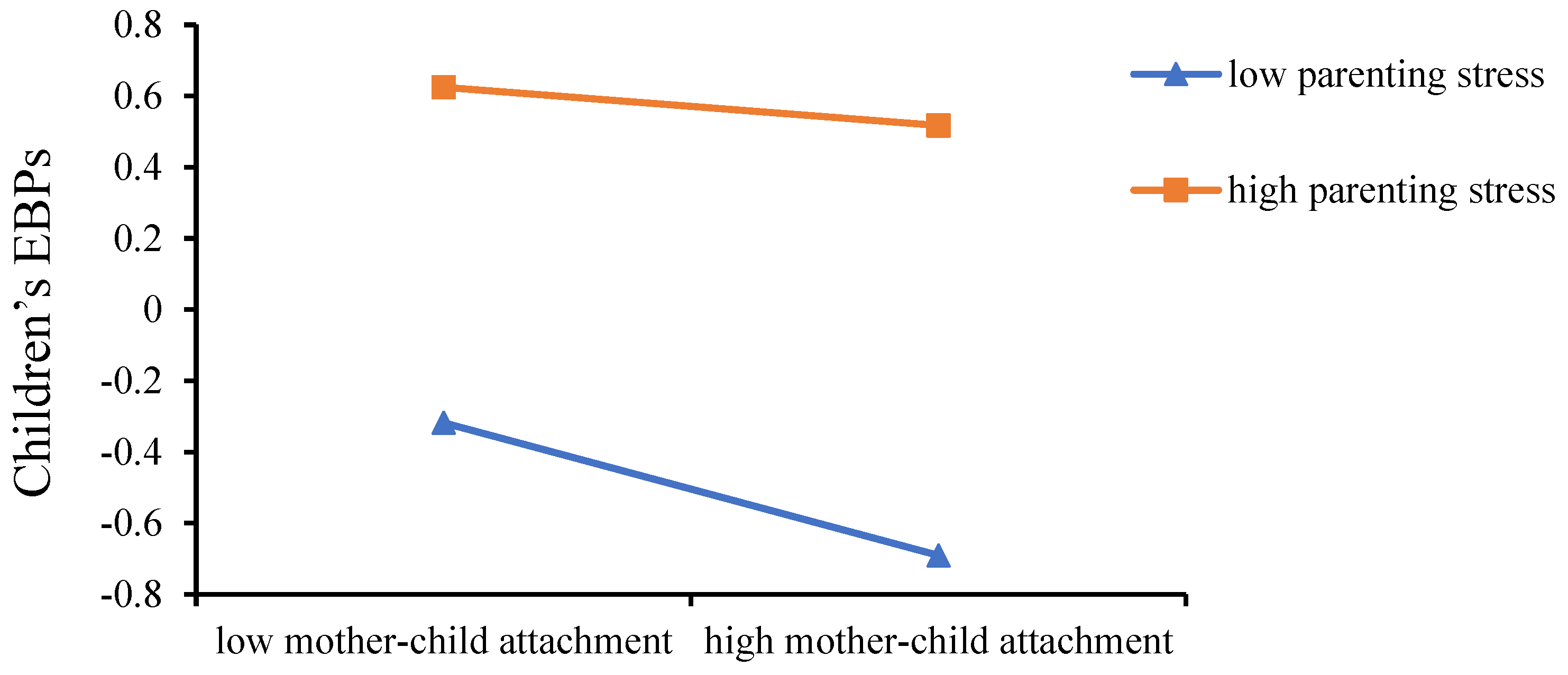
The impact of phubbing on children's development is multifaceted. Not only can it affect a child's emotional and behavioral outcomes but also their social-emotional development. Research suggests that children who experience phubbing may be more likely to engage in excessive electronic media use and exhibit problems with self-control.
Breaking the Cycle of Phubbing
It is essential to recognize the negative effects of phubbing and take steps to mitigate it. Parents and caregivers can begin by setting boundaries around phone use, engaging in activities with their children, and practicing mindful parenting. By making a conscious effort to reduce phubbing, we can promote healthy relationships and support the development of well-adjusted children.
Conclusion
Phubbing has emerged as a significant issue that warrants attention and action. By understanding the effects of phubbing on children's behavior and development, we can take steps to mitigate this problem and foster a healthier relationship between parents and children. By prioritizing human interaction and reducing phubbing, we can promote the well-being of our children and support their social-emotional development.
References:
- Raudaskoski, et al. (2017). Making eye contact is essential – Why parents should attend to their children's emotional needs.
- Chotpitayasunondh, R., & Douglas, K. M. (2018). The effects of parent alphubbing on children's social-emotional development.
- Lin, M. J., & Mavor, K. I. (2025). The relationship between digital media use and mental health outcomes in children and adolescents.
- Yoosefalei, K., et al. (2024). The impact of phubbing on parents' psychological wellbeing through relationship satisfaction and loneliness.
- Parent alphubbing and its effects on children. Parent alphubbing is a prevalent negative parenting practice that can affect parent-child relationships and child development.