Debunking the Myths: Pregnancy and Drinking Wine
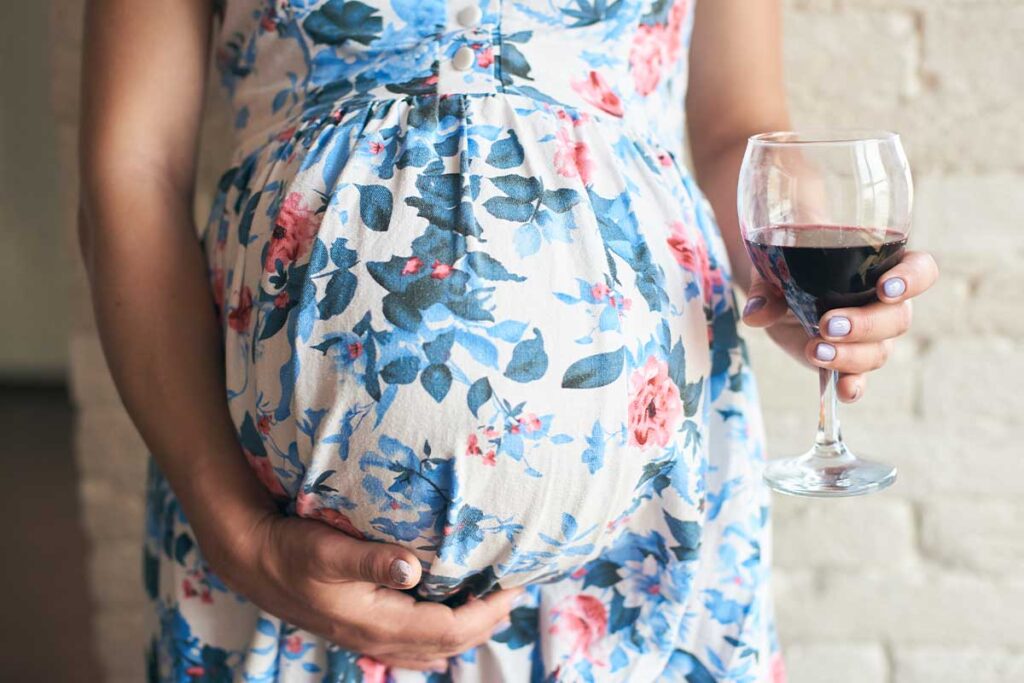
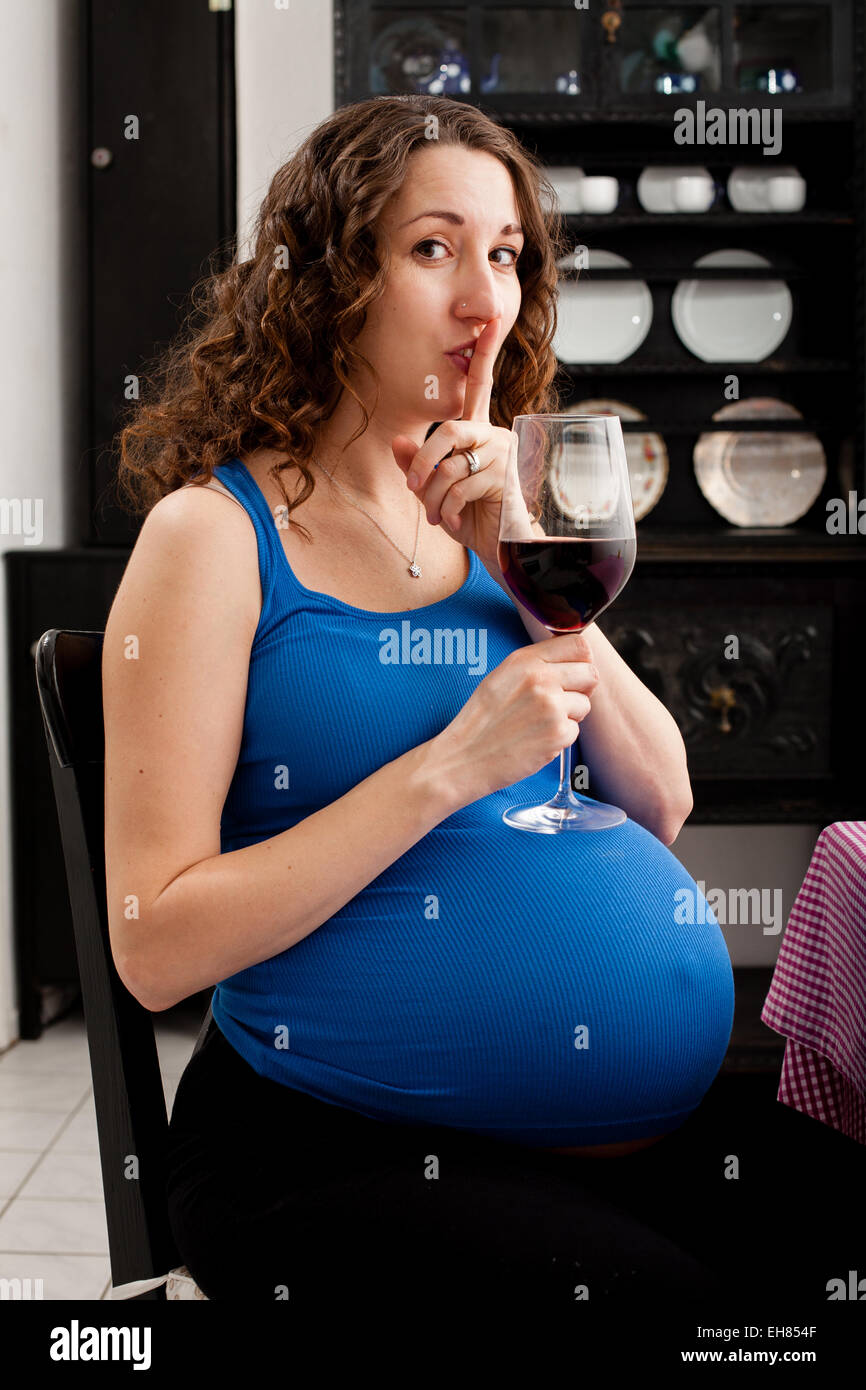
When it comes to pregnancy and drinking wine, there are many myths and misconceptions surrounding this topic. While some may still believe that a glass of wine is a perfectly harmless indulgence during pregnancy, the reality is far more complex. In this article, we will delve into the common myths and facts surrounding pregnant women and wine consumption, providing expectant mothers with a comprehensive understanding of the risks and benefits involved.
Myth 1: Drinking Wine is Safer than Other Types of Alcohol
Contrary to popular opinion, all types of alcohol, whether it's wine, beer, or spirits (hard liquor), have the same effect when it comes to pregnancy. The key issue is the alcohol itself, not the type of drink. This myth may have arisen from the fact that wine is perceived as a more elegant and sophisticated beverage, but this does not make it a safer choice for pregnant women.
- The same amount of alcohol is found in a standard serving of beer, wine, or hard liquor.
- A standard serving is considered to be 12 ounces of beer, 4-5 ounces of wine, or 1.5 ounces of hard liquor.
Myth 2: Drinking Alcohol is Only Harmful in the First Trimester
This myth suggests that drinking wine during the first trimester is the only period of concern. However, the truth is that drinking alcohol at any point during pregnancy carries significant risks for both the mother and the developing fetus. The American College of Obstetricians and Gynecologists (ACOG) states that there is no safe amount of alcohol use during pregnancy.
Myth 3: Drinking Wine Does Not Harm the Baby
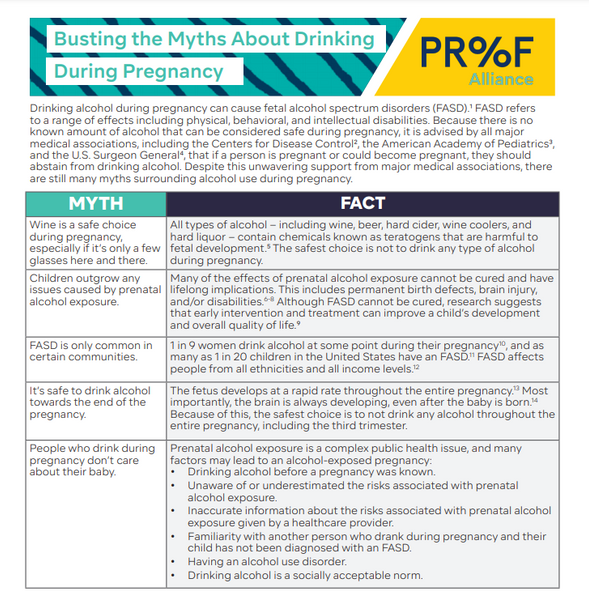
Unfortunately, this is a common myth among wine enthusiasts and pregnant women alike. The fact is that everything a mother drinks during pregnancy also goes to the fetus. Alcohol is broken down more slowly in the immature body of the fetus than in the body of an adult, which can cause the alcohol levels to remain high and stay in the baby's body longer.
- Drinking wine during pregnancy can cause stillbirth, miscarriage, and a range of developmental, physical, mental, and emotional disabilities.
- Children born with the most serious problems caused by alcohol have fetal alcohol syndrome.
Fact: The Risks Involved with Alcohol Use During Pregnancy
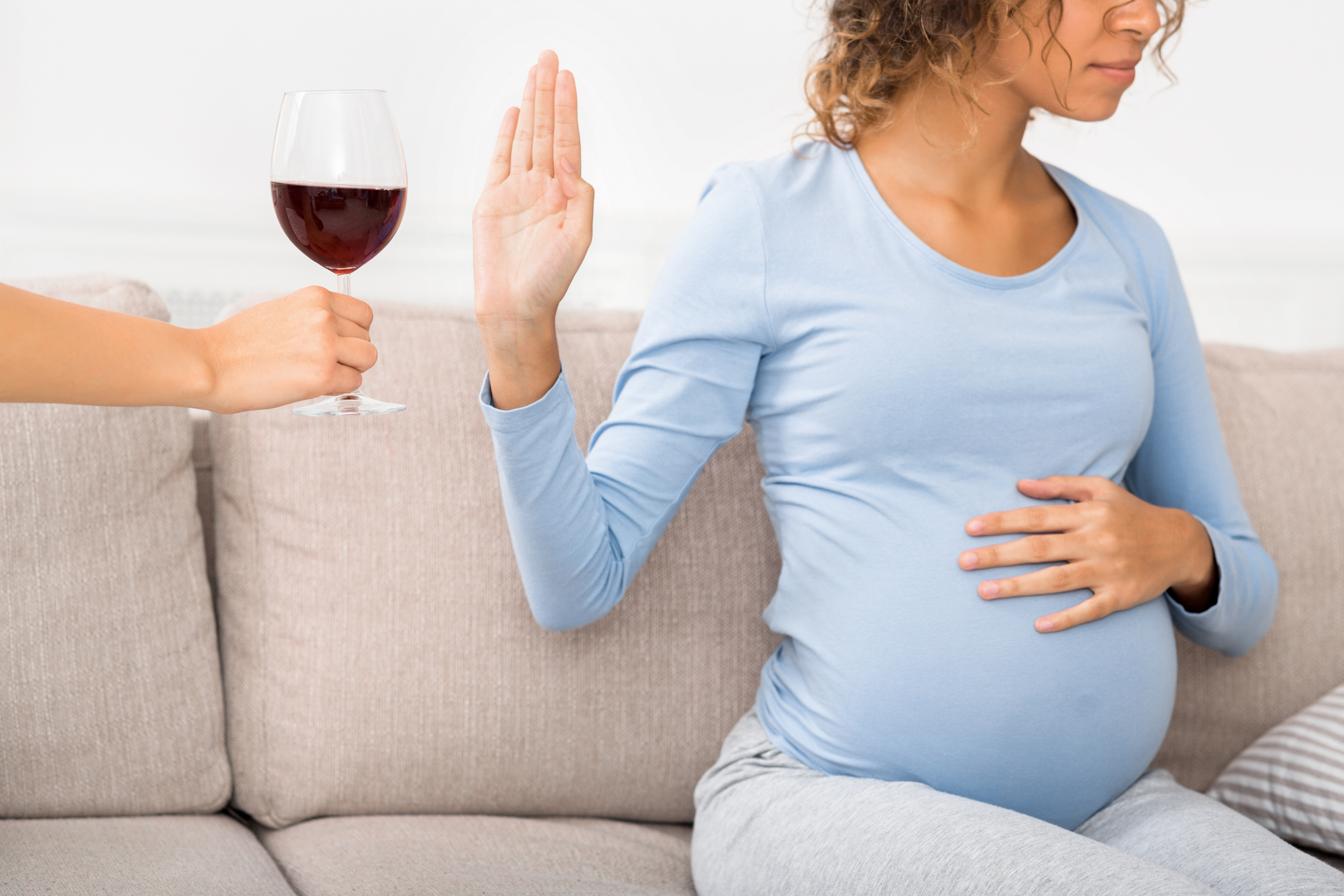
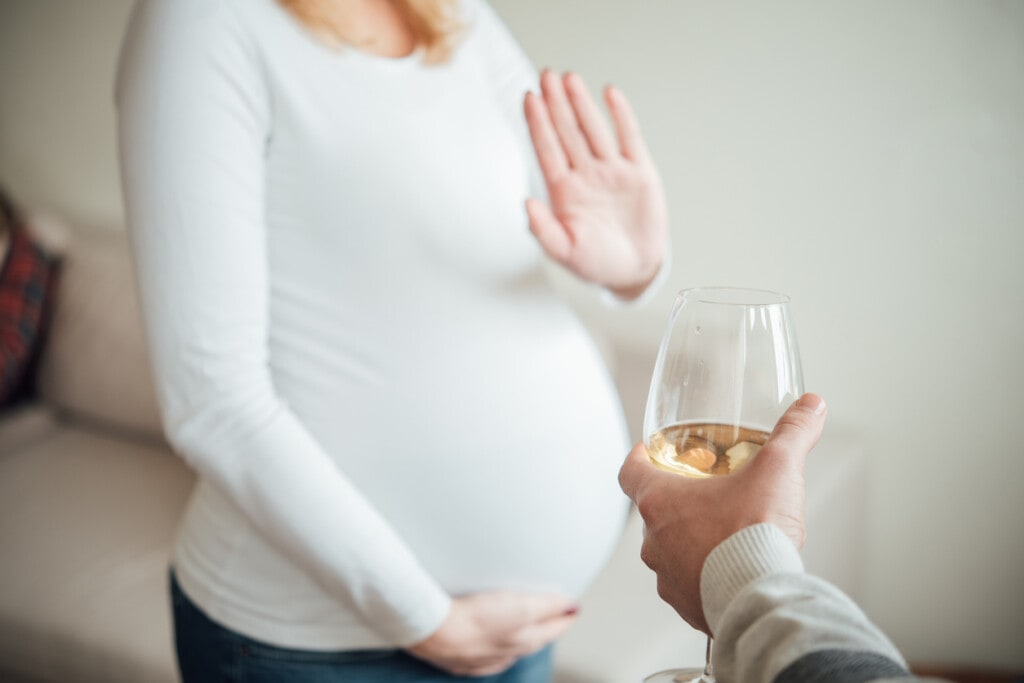
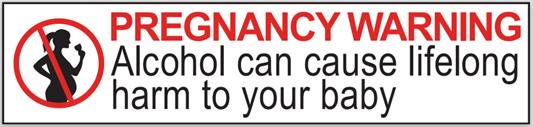
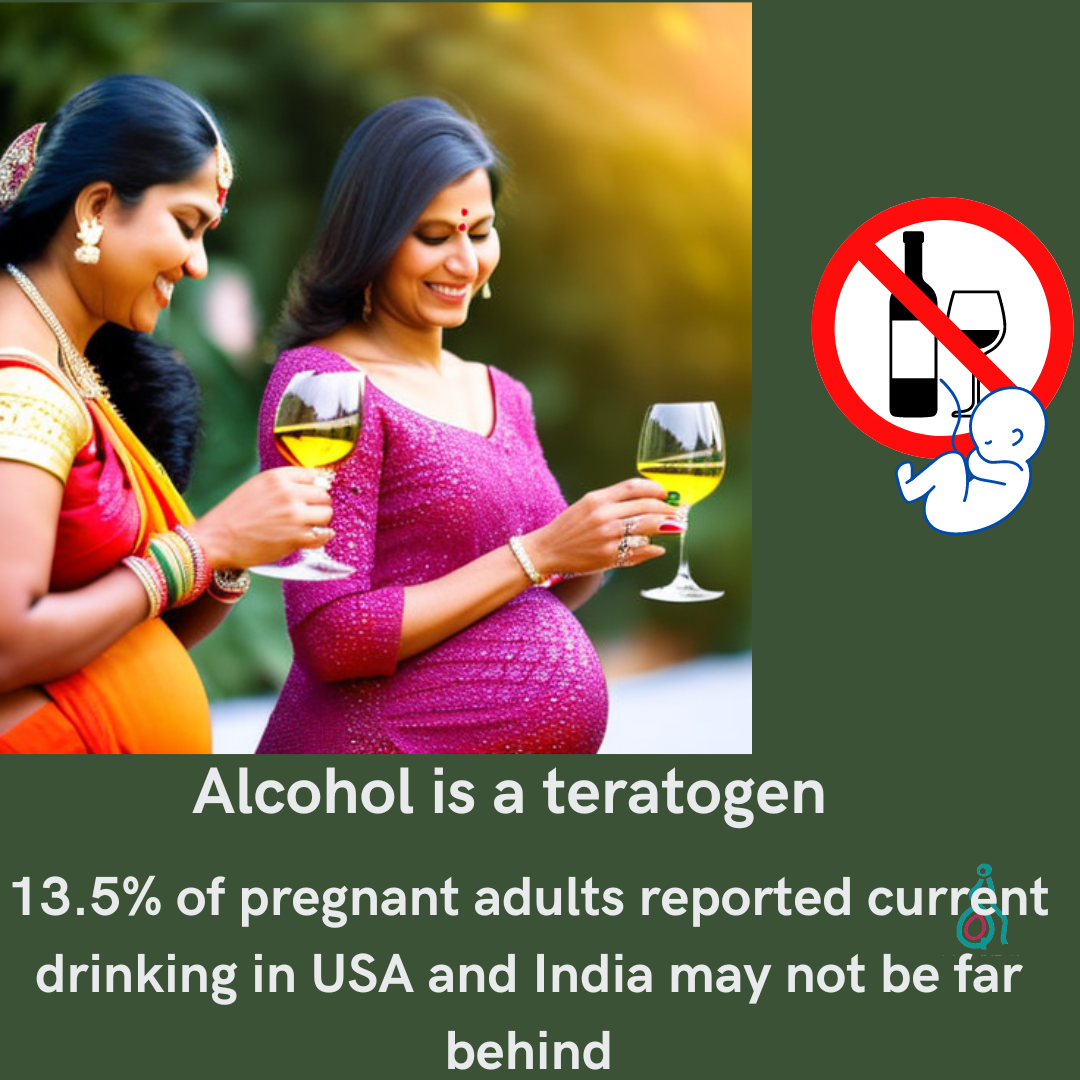
Drinking alcohol while pregnant is a leading cause of birth defects in a fetus. When a mother consumes alcohol, it can cause the alcohol levels to remain high and stay in the baby's body longer, leading to potential health problems. The safest thing a pregnant individual can do is to avoid alcohol completely until after the baby is born.
As we can see, myths surrounding pregnancy and drinking wine are common and often rooted in misinformation. By understanding the facts and the risks involved, expectant mothers can make informed choices about their health and the health of their developing fetus. While the occasional indulgence may seem harmless, the reality is that there is no safe amount of alcohol consumption during pregnancy.
Conclusion
Debunking the myths surrounding pregnancy and drinking wine is crucial for the health and well-being of both expectant mothers and their babies. By understanding the facts and avoiding alcohol altogether, pregnant individuals can reduce the risk of serious health problems and ensure a healthy pregnancy for their baby. Remember, the safest choice during pregnancy is to avoid alcohol altogether.