Reducing Kids Screen Time: A Guide for Concerned Parents
Are you worried about the amount of time your child spends in front of screens? Do you want to set healthy boundaries and encourage your kids to engage in more physical and creative activities? The good news is that you can take control of your child's screen time and help them develop a balanced lifestyle. In this article, we will explore the importance of reducing kids screen time, the risks associated with excessive screen exposure, and provide practical tips on how to set screen time rules and monitor your child's screen usage.Why Is Reducing Kids Screen Time Important?
In today's digital age, screens are an integral part of daily life. However, excessive screen time has been linked to a range of negative effects on children's physical and mental health. Some of the risks associated with too much screen time include:- Obesity and other health problems due to sedentary behavior
- Eye strain, headaches, and other sleep-related issues
- Decreased attention span, memory, and cognitive function
- Increased risk of addiction and social isolation
- Negative impacts on emotional well-being, including anxiety, depression, and low self-esteem
Understanding the Risks of Excessive Screen Time
The American Academy of Pediatrics (AAP) recommends that children aged 2-5 years should limit their screen time to 1 hour per day of high-quality educational programming, and children over 5 years should place consistent limits on screen time, making sure that it does not interfere with physical activity, sleep, and other activities. However, many children exceed these recommended limits, and excessive screen time can have serious consequences.How to Set Reasonable Screen Time Rules
To set reasonable screen time rules, you need to:- Set clear expectations and rules for screen time
- Establish screen-free zones and times, such as during meals and before bed
- Monitor and track screen time using parental control apps
- Encourage physical activity and outdoor play
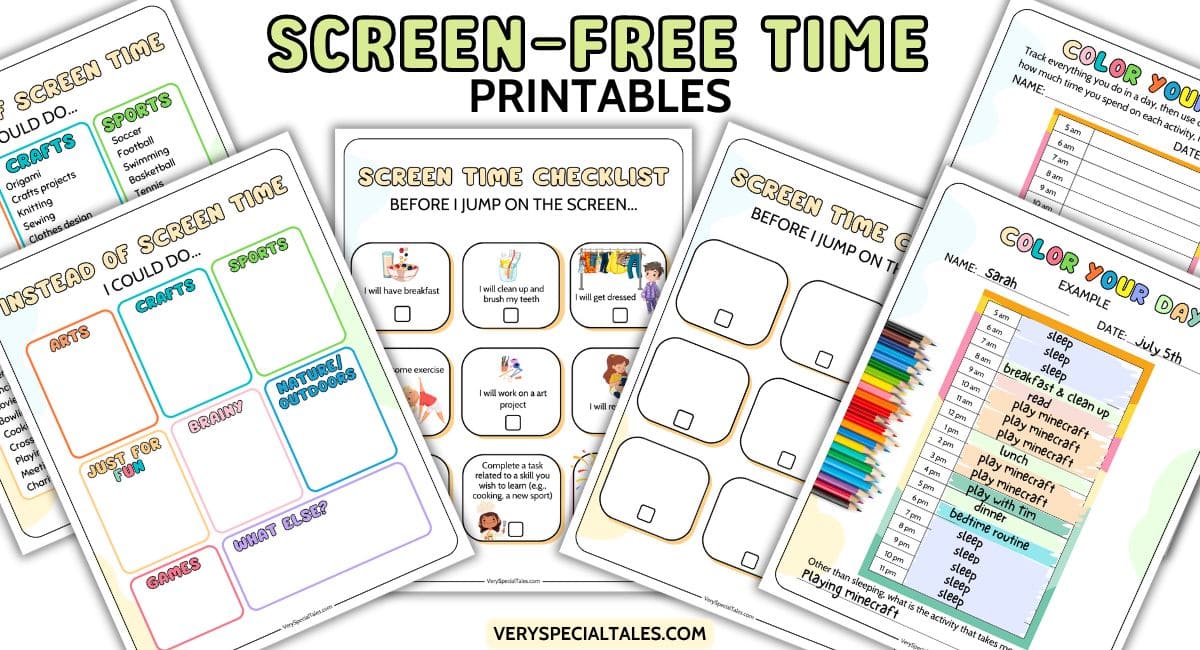
- Offer alternative activities, such as reading, drawing, or playing with toys
Managing Resistance to New Rules
Implementing new screen time rules can be challenging, especially if your child is resistant. Here are some tips to help you manage resistance:- Involve your child in the process of setting rules and limits
- Offer choices and involve children in finding alternative activities
- Set consequences for excessive screen time
- Be consistent and enforce rules fairly

Parental Responsibility and Role Modeling
As a parent, you play a crucial role in modeling healthy behaviors for your child. By setting a good example and reducing your own screen time, you can help your child develop healthy habits and reduce their screen time.Alternative Activities to Reduce Screen Time
To reduce screen time, you need to offer alternative activities that are engaging and fun for your child. Some ideas include:- Outdoor play, such as hiking, biking, or playing sports
- Board games, puzzles, and other indoor activities
- Reading, drawing, or other creative activities
- Cooking and baking together
- Yoga or meditation
Implementing Digital Detox Weekends
Implementing digital detox weekends can be a great way to reduce screen time and promote quality time with family. Here are some tips:- Set aside dedicated screen-free time on weekends
- Plan activities that promote quality time, such as game nights or family outings
- Encourage children to engage in physical activities and outdoor play
- Have a "no screens" rule during meals


.png "12 Screen Time Alternatives for Kids - Cleveland Clinic Health Essentials")