Prevent Identity Theft Through Email Phishing: A Guide to Staying Safe Online
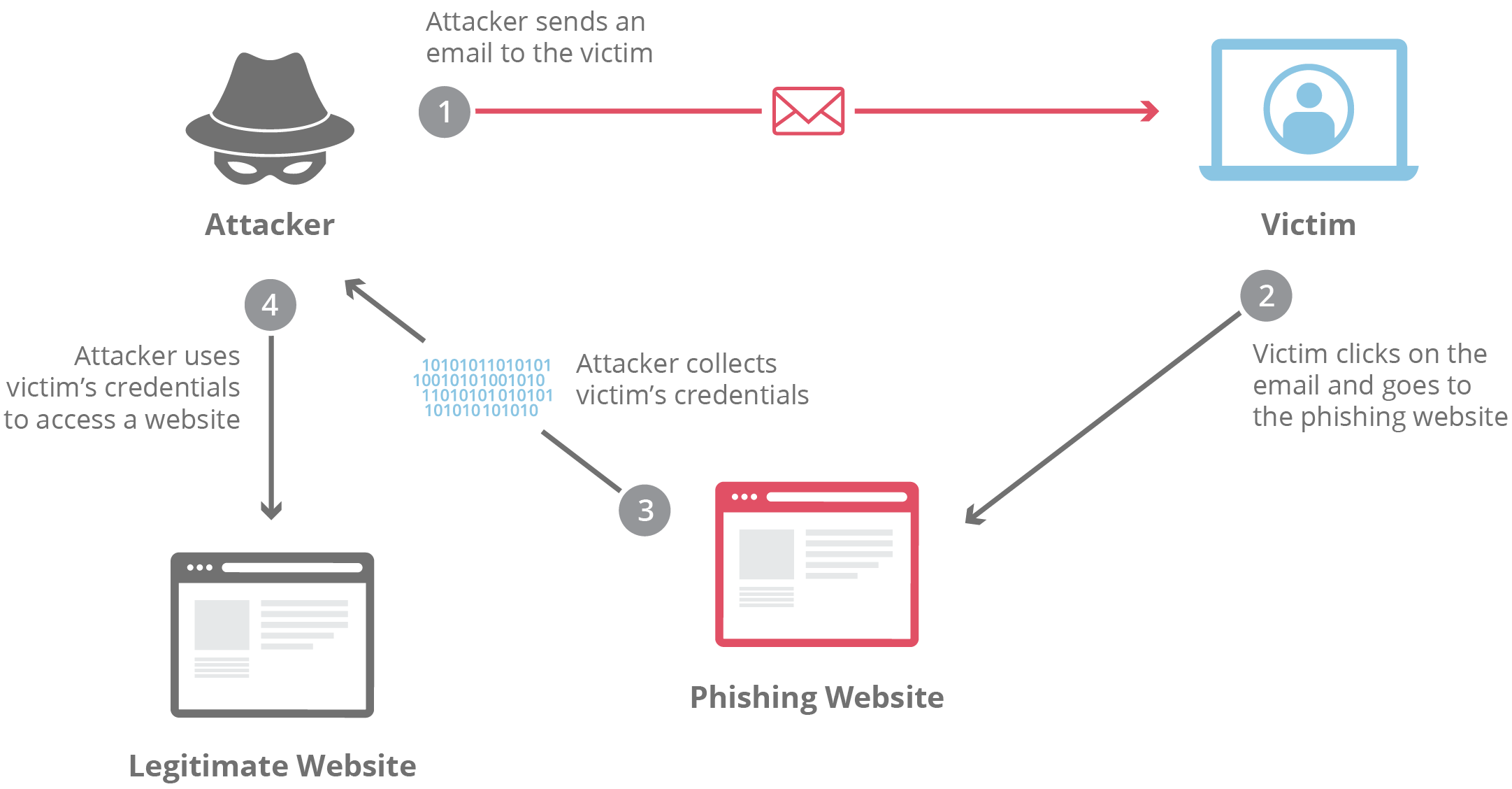
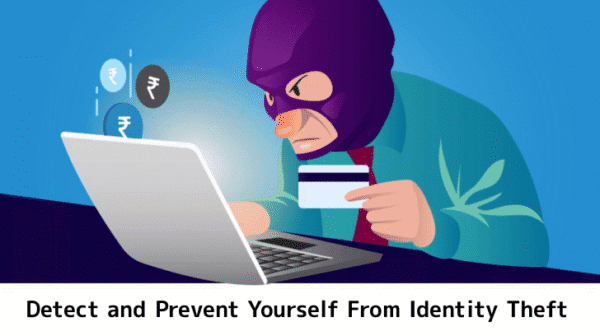
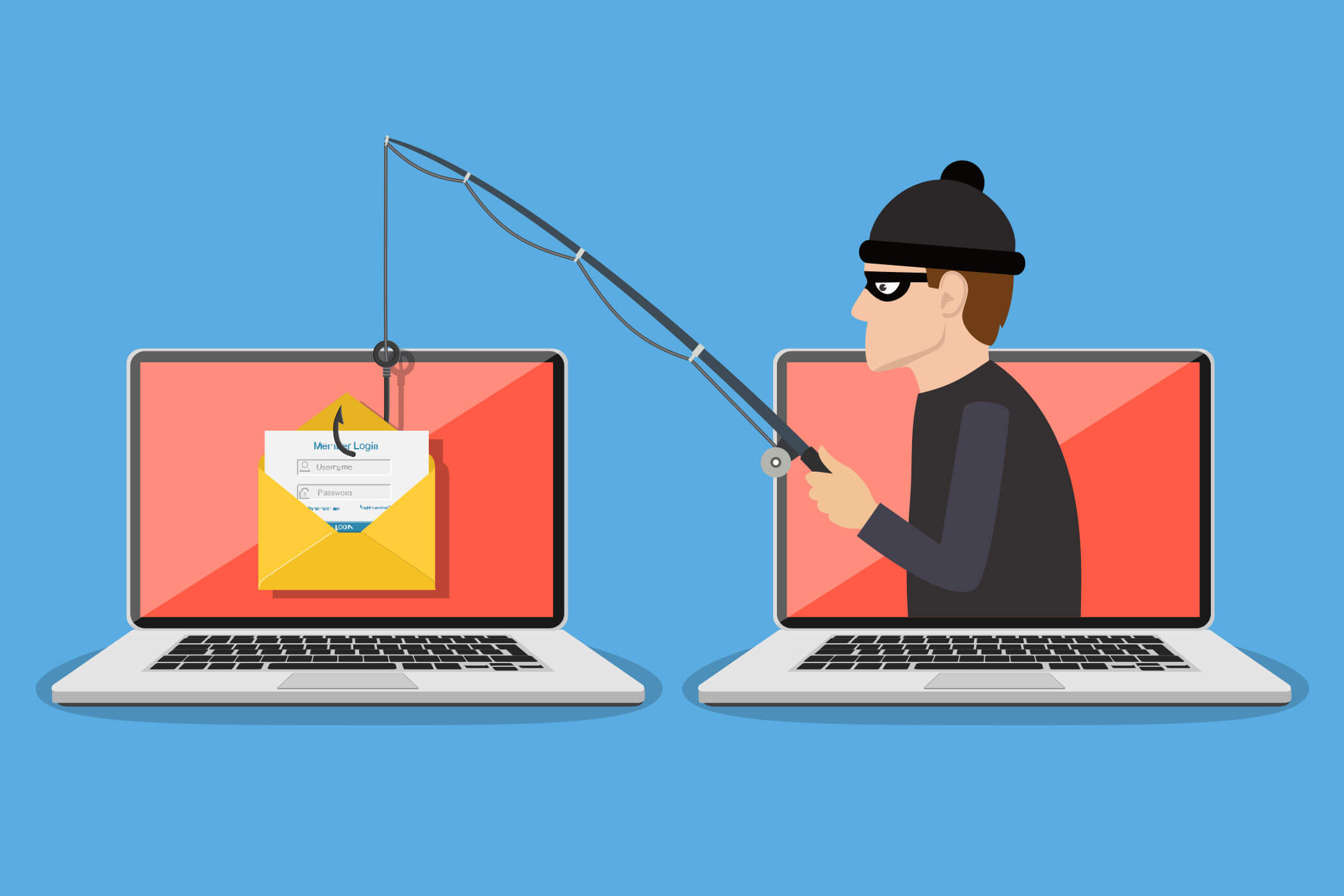
Email phishing is a sophisticated and increasingly common form of cybercrime that can have devastating consequences. Criminals use tactics like social engineering to trick unsuspecting users into revealing sensitive information, compromising their personal and financial security. But there are ways to prevent identity theft through email phishing. In this article, we'll walk you through signs of phishing attacks, learn how to identify and avoid these tactics, and explore the best strategies for protecting yourself online.Recognizing Phishing Scams
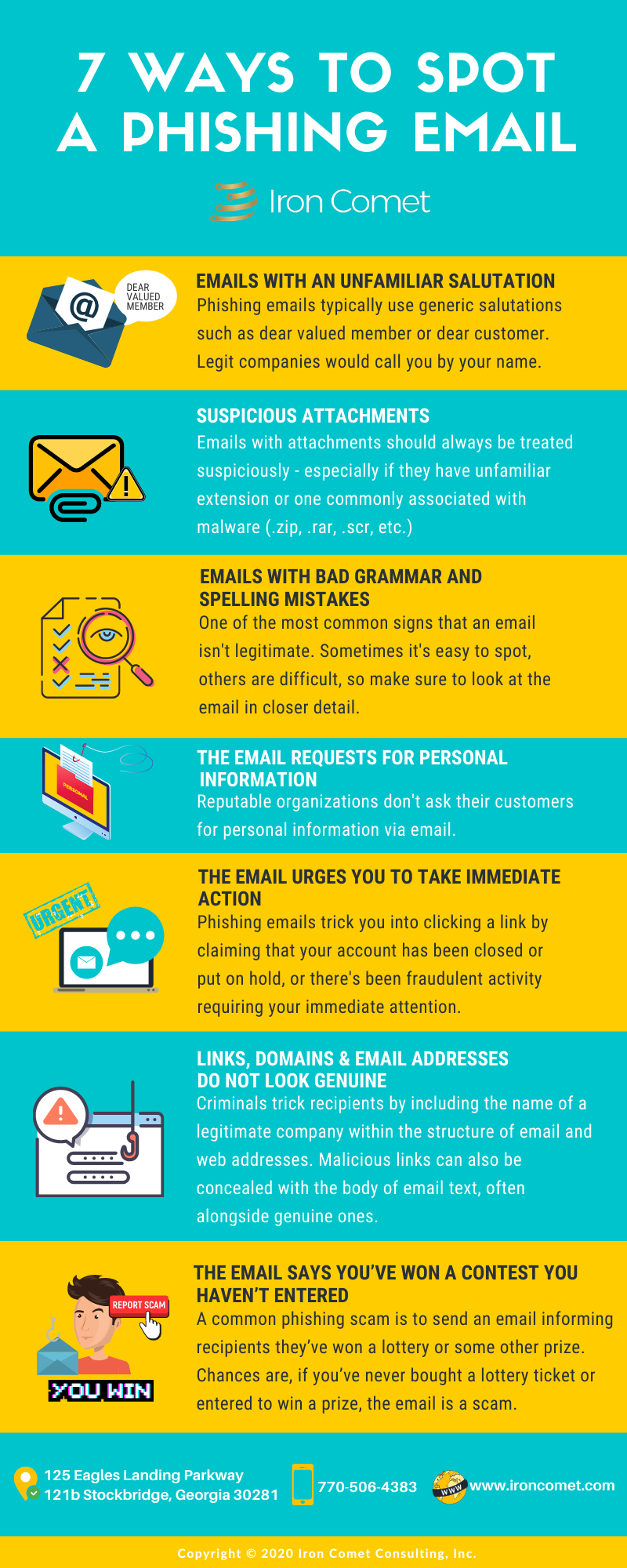
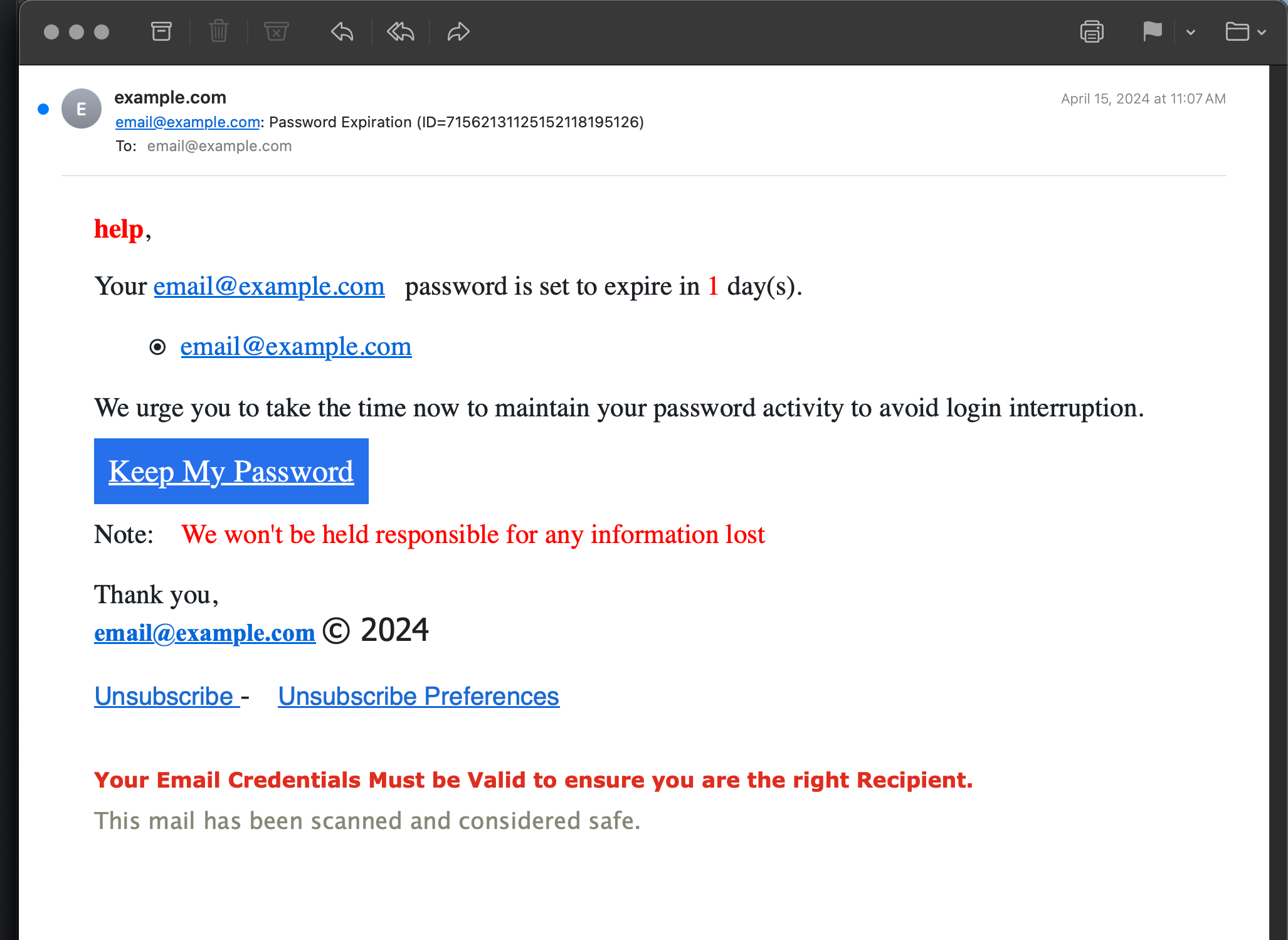
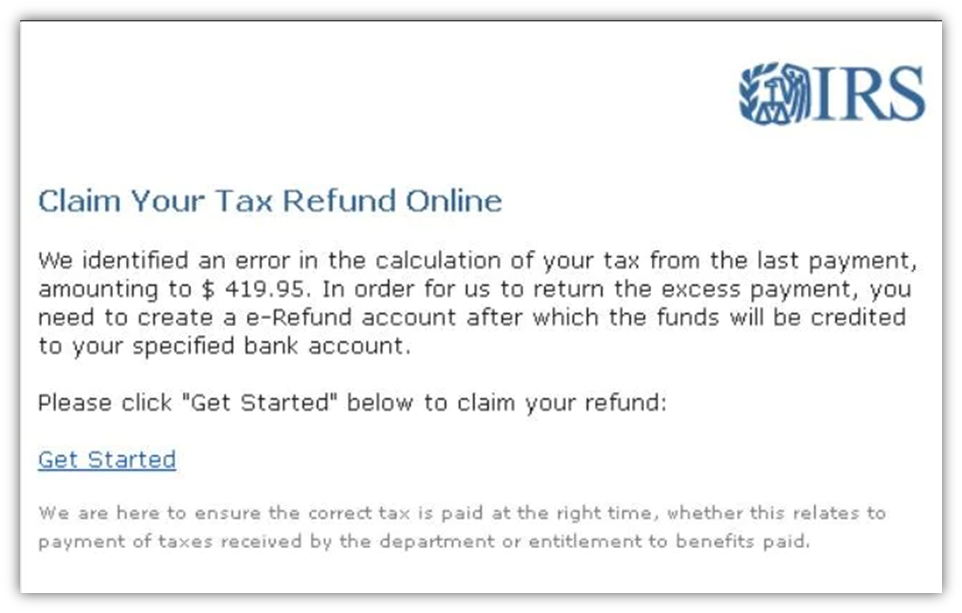
To prevent identity theft through email phishing, it's essential to know how to recognize phishing scams. Scammers often use fear and urgency to prompt rapid responses, which can lead to reclaiming sensitive information. These tactics typically include:- Unexpected emails asking for personal info: If you haven't recently requested a password reset but received an email asking for your login or personal information, there's a good chance it's a scammer.
- Suspicious emails with generic greetings: Legitimate emails usually address you by name. If an email starts with a generic greeting, it might be a phishing attempt.
- Urgent calls to action: Be wary of emails that demand immediate action or threaten severe consequences for not responding promptly.
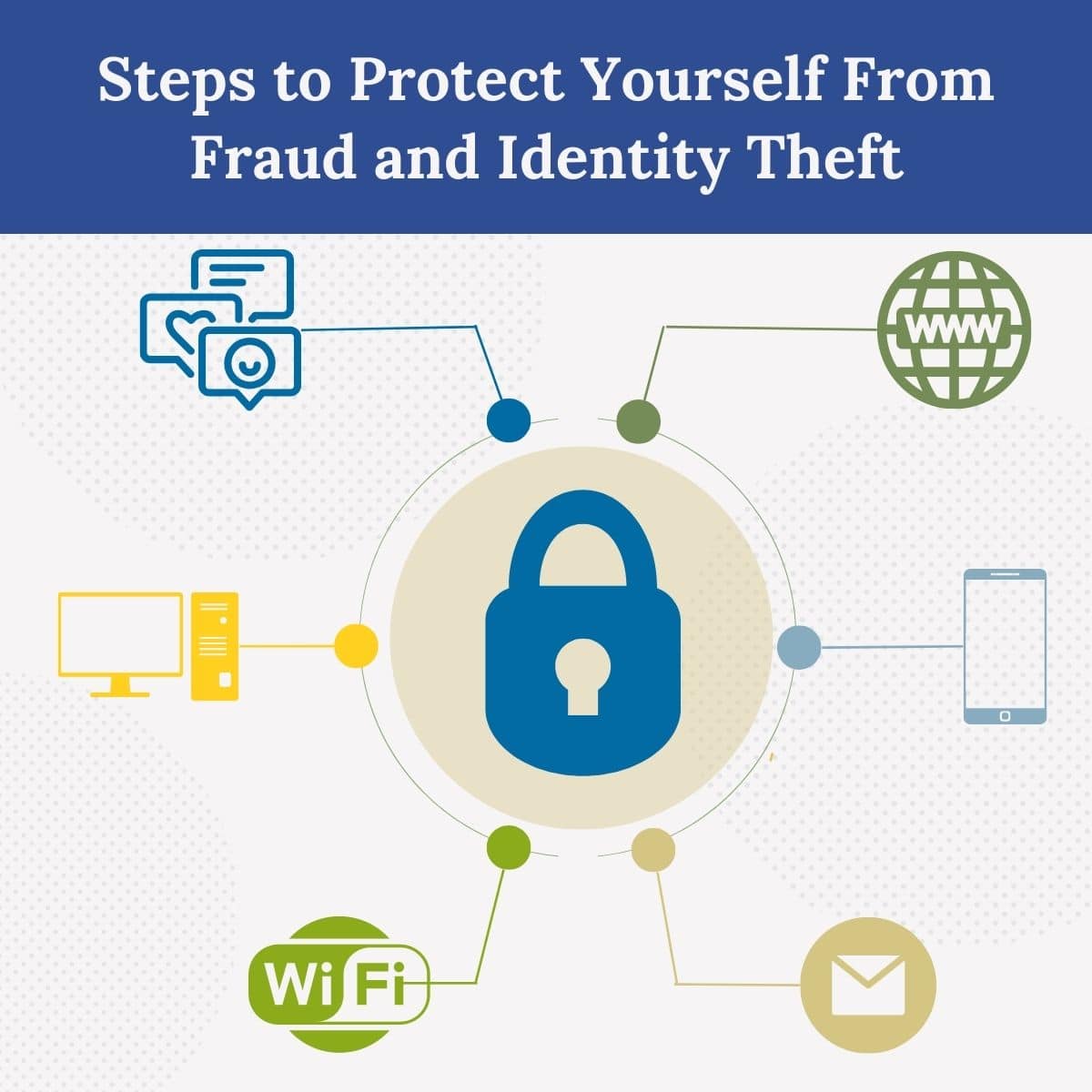
Protecting Your Personal Information
- Create a strong password: Use a combination of letters, numbers, and special characters to make your password unguessable.
- Enable two-factor authentication: This adds a second layer of security by requiring you to enter a verification code sent to your phone or email.
- Set up account alerts: Many service providers allow you to set up notifications for suspicious activity or login attempts from unfamiliar devices.
- Review your privacy settings: Regularly check your social media and online account settings to ensure you're not sharing too much information publicly.