Protecting Your Data from Ransomware: A Comprehensive Guide
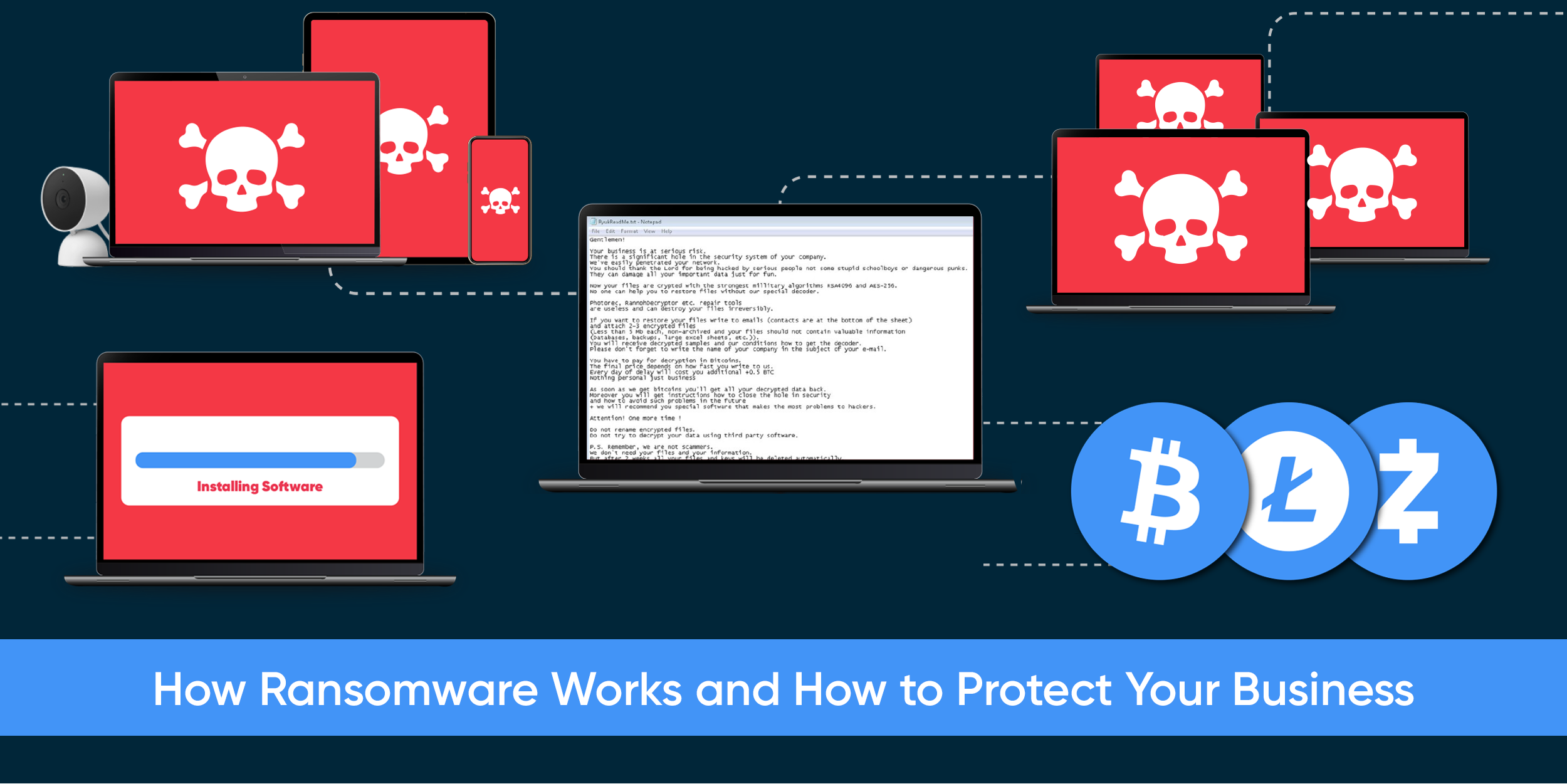
Ransomware attacks have become a growing concern in recent years, with cyberattackers encrypting files and demanding payment for their release. In 2025, ransomware attacks cost businesses millions annually, with attackers becoming increasingly sophisticated. To prevent these attacks and protect your data, it's essential to understand the risks and develop a robust defense strategy.The Rising Concern of Ransomware
Ransomware is a type of malware that uses encryption to hold your files hostage until payment is made. This type of attack can have severe consequences, including financial loss, downtime, and damage to your reputation. In 2026, the number of ransomware attacks is expected to rise, making it more crucial to take proactive measures to protect your data.The Threat Landscape
Ransomware attacks often follow predictable patterns, making it easier to prevent them. However, the attackers are becoming more sophisticated, using AI-powered bots to automate and scale their attacks. As a result, it's essential to stay ahead of the threat landscape by implementing robust cybersecurity measures.Protecting Your Data from Ransomware
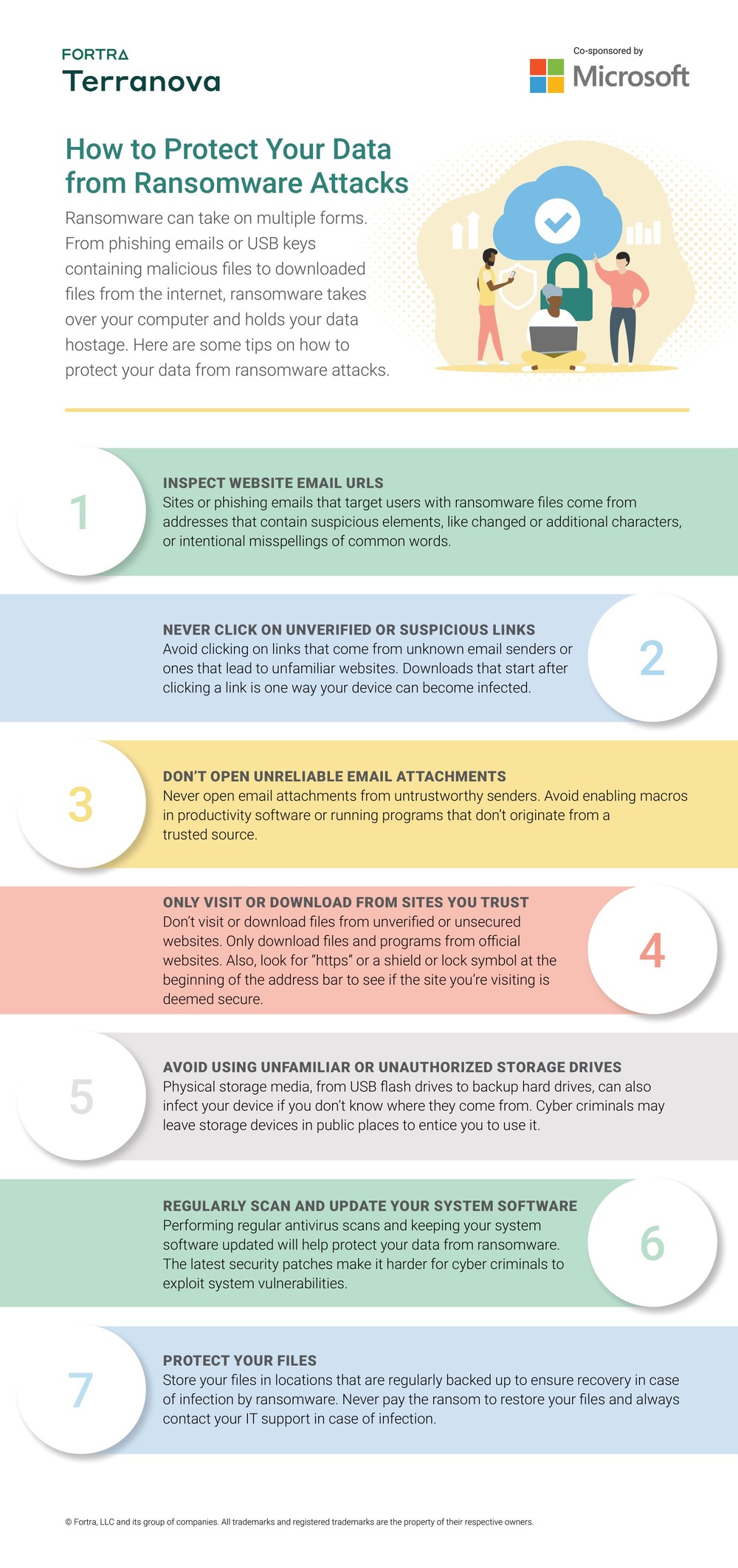
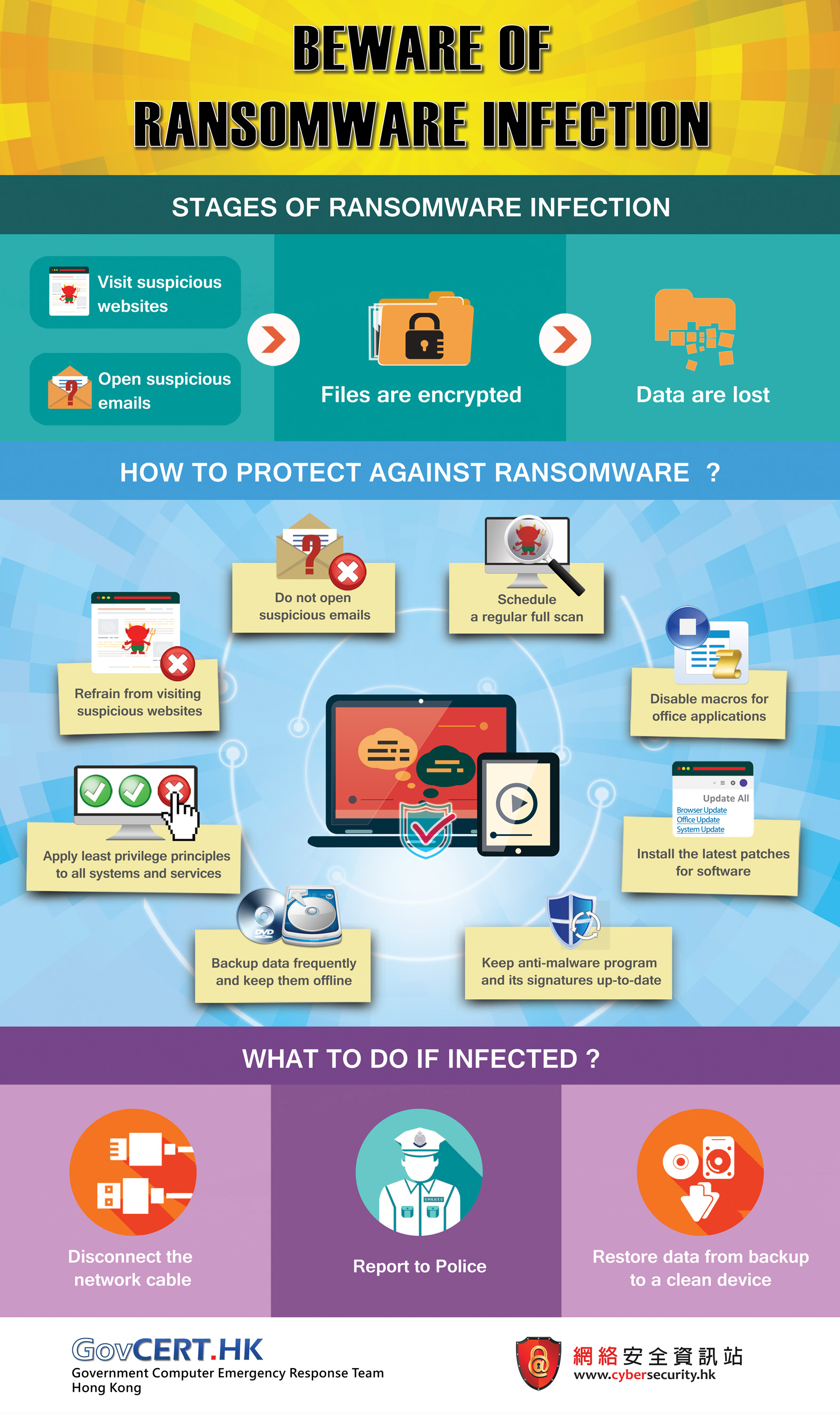
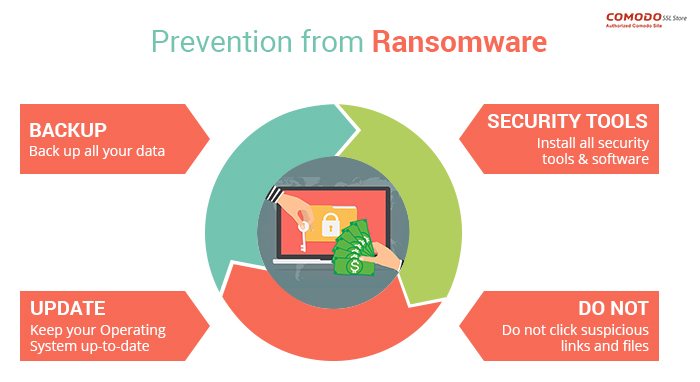
To protect your data from ransomware, follow these essential steps:- Use security software: Install and regularly update anti-malware and anti-virus software to protect your device from malware and other threats.
- Keep your device and applications up-to-date: Ensure that your device's operating system, applications, and software are updated with the latest security patches.
- Back up your data: Regularly back up your critical data to a secure location, such as an external hard drive or cloud storage service, to prevent data loss in case of an attack.
- Be cautious with emails and attachments: Avoid opening suspicious emails and attachments to prevent malware from infecting your device.
- Implement a robust backup strategy: Consider implementing a backup solution that includes automatic backups, versioning, and encryption to ensure your data is protected.
- Use a firewall and enable it: Enable the firewall on your device and configure it to block unauthorized access to your network.
Understanding the Cost of Ransomware
The financial impact of ransomware attacks can be significant. In 2026, the average ransomware attack costs businesses around $7 million, with recovery times extending beyond a month. Investing in robust cybersecurity measures can help protect your patients' data and your practice's financial stability.Preparing for a Ransomware Attack
In the event of a ransomware attack, it's essential to have a plan in place to respond quickly and effectively. This includes:- Having a disaster recovery plan: Develop a plan to restore your data and systems in the event of an attack.
- Regularly backing up your data: Ensure that your backups are up-to-date and easily restorable.
- Having a response team: Establish a team to respond to the attack and prevent further damage.
- Not paying the ransom: The FBI advises against paying the ransom, as it does not guarantee the safe return of your data.