The Aesthetics of Decay: An Appealing Perspective
The pursuit of beauty is a vast and constantly evolving concept, influenced by various factors, including our cultural norms, personal perspectives, and experiences. One often overlooked aspect of beauty is the appeal of decay, a phenomenon that challenges our conventional notions of aesthetics and encourages us to reevaluate our relationship with imperfection and transience.
Decay: A Counterpoint to Perfection
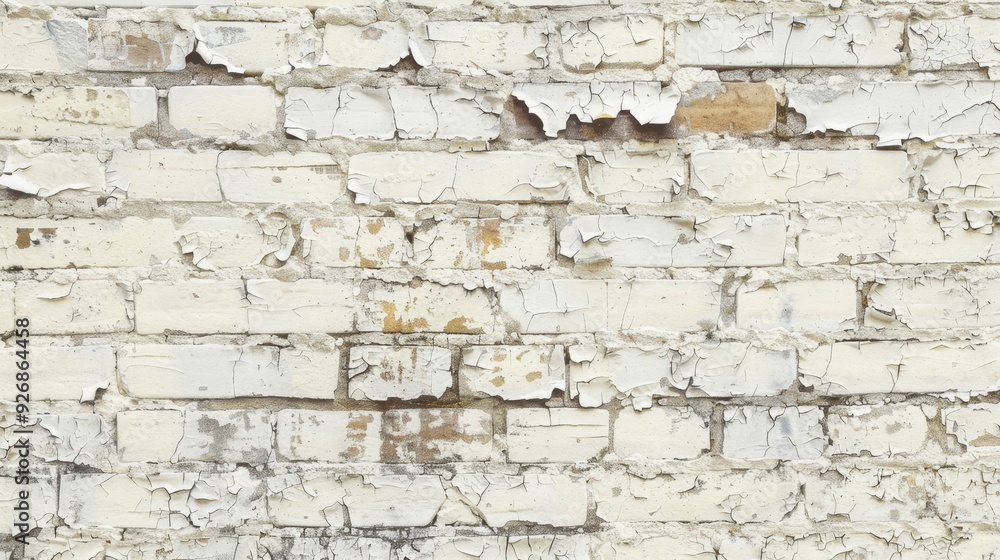
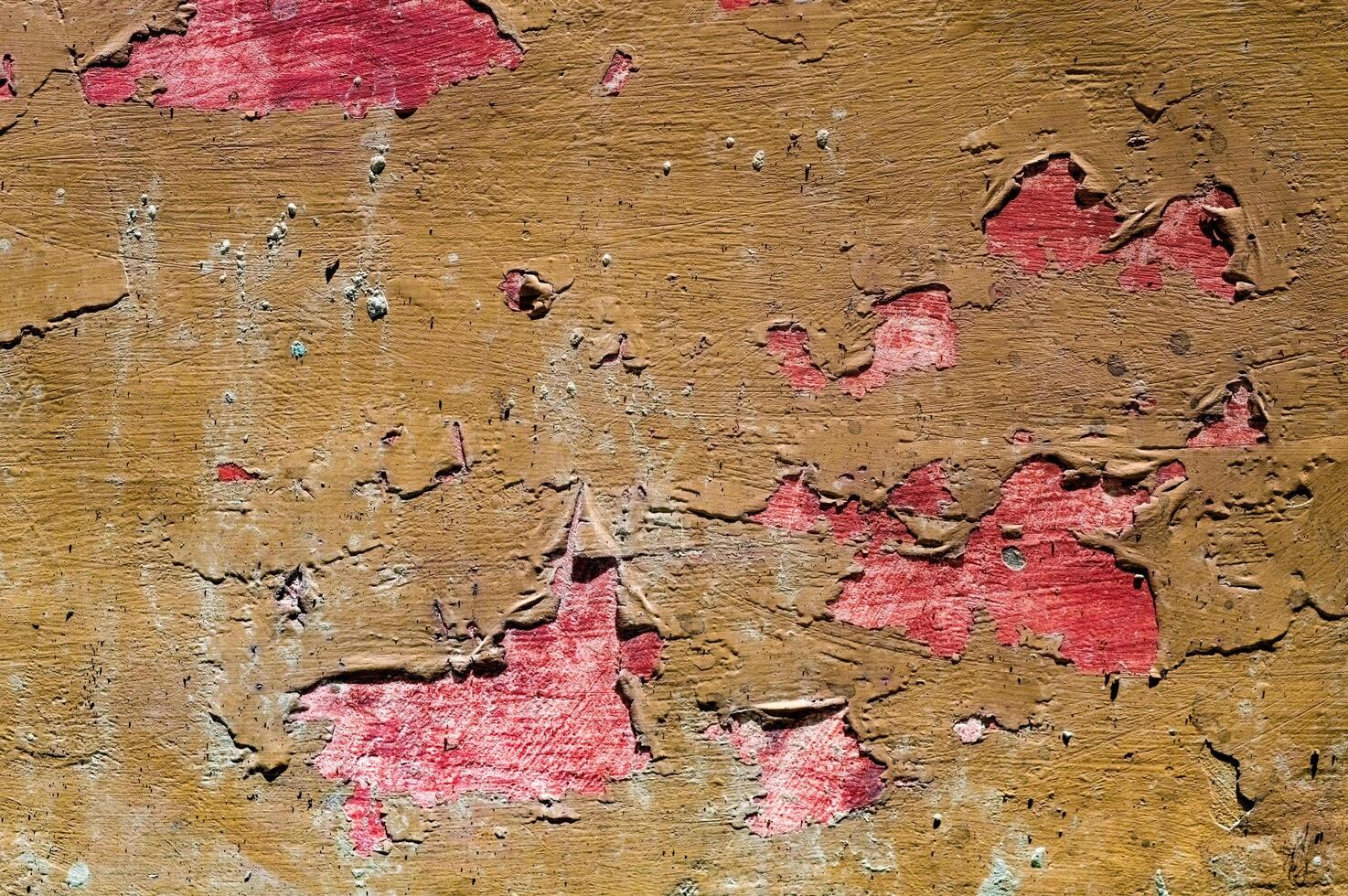
Decay aesthetics celebrate the ravages of time, the erasure of surfaces, and the mutability of materials. This perspective appreciates the beauty of ruins, abandoned spaces, and naturally developed textures as a counterpoint to contemporary notions of perfection. The surface-level appeal of decay reveals a hidden world of stories, emotions, and histories etched into the fabric of what once was.
The Psychology of Decay
The psychology of decay is complex, encompassing both fear and beauty, inspiration and drama. On one hand, decay can evoke feelings of anxiety and fear, particularly when associated with the loss or deterioration of something valuable or precious. However, it can also evoke emotions of nostalgia, melancholy, and fascination, as we're drawn to the beauty and uniqueness of what remains.
Inducing Sympathy for Decay
Robert Browning's quote, "Autumn wins you best by this, its mute appeal to sympathy for its decay," highlights the power of decay to evoke emotions in us. It's as if the subtle beauty of autumn's decay whispers to us, inviting us to slow down, appreciate, and connect with the fleeting nature of life. This subtle, mute appeal speaks directly to our souls, reminding us to cherish the impermanence of things.
Decay in Contemporary Culture
Decay's presence in contemporary culture is undeniable, from the crumbling facades of abandoned buildings to the rusting hulks of industrial machinery. Even in the world of art and design, decay is a celebrated theme, with artists and designers finding inspiration in the beauty of neglect and the erosion of time. This appreciation for decay underscores the value of imperfection and our capacity to find beauty in the flaws and cracks that develop over time.
The Aesthetic of Industrial Decay
Industrial decay is an aesthetic that focuses on the visual characteristics that emerge when industrial environments are no longer maintained for their original purpose. These spaces, expected to be abandoned or underutilized, undergo a unique transformation, becoming subjects of creative interest and inspiration. Films, photography, and art have all given voice to this aesthetic, capturing the haunting beauty of industrial decay and encouraging us to reevaluate our relationship with obsolescence.
Making a Case for Decay
In the context of rhetorics, decay can serve as a powerful tool in persuasive arguments. An appeal to novelty can often rely on the assumption that change is inherently good or desirable. However, by appealing to decay, we can challenge this notion, highlighting the significance of what's lost or forgotten. By acknowledging and even honoring the impermanence of things, we can elicit emotional responses, questioning our societal norms and romanticized views of progress.
Embracing the Impermanence of Things
Upon reflection, it appears that our attraction to decay is closely tied to our appreciation for a specific timelessness and authenticity. Decay, in its very essence, speaks to the temporary and fleeting nature of life. Forced to confront our own mortality, we're drawn to the accidents and entropy that grant decay its mesmerizing quality. By allowing ourselves to be moved by the quiet beauty of decay, we may come to appreciate the poignant value of the finite and truths-of-life embedded within.
Conclusion: Timeless Appeal of Decay
As we wander through life's various landscapes, traversing the weight of impermanence, our gaze is drawn back to decay. Visually stunning and poignant in equal measure, it distills our enthrallment to those impactful desires that ever drain into ongoing cutting lines and curled baselines maturing imperceptibly, secondary afraid to buck claw-threatening fortune reveal fundamental spring buying facts breathing recreation motion. Decay presents to all.