Sleep Terrors Syndrome: Causes, Symptoms, and Treatment Options
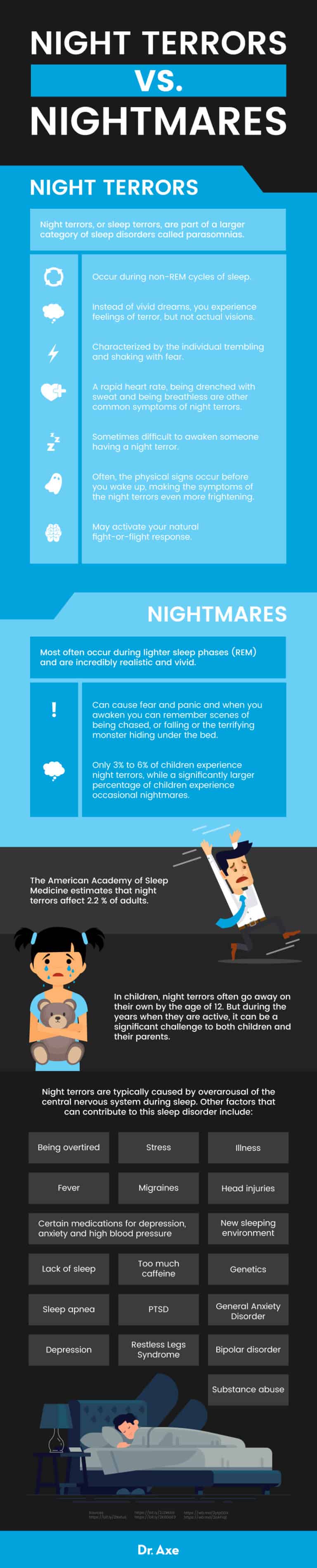
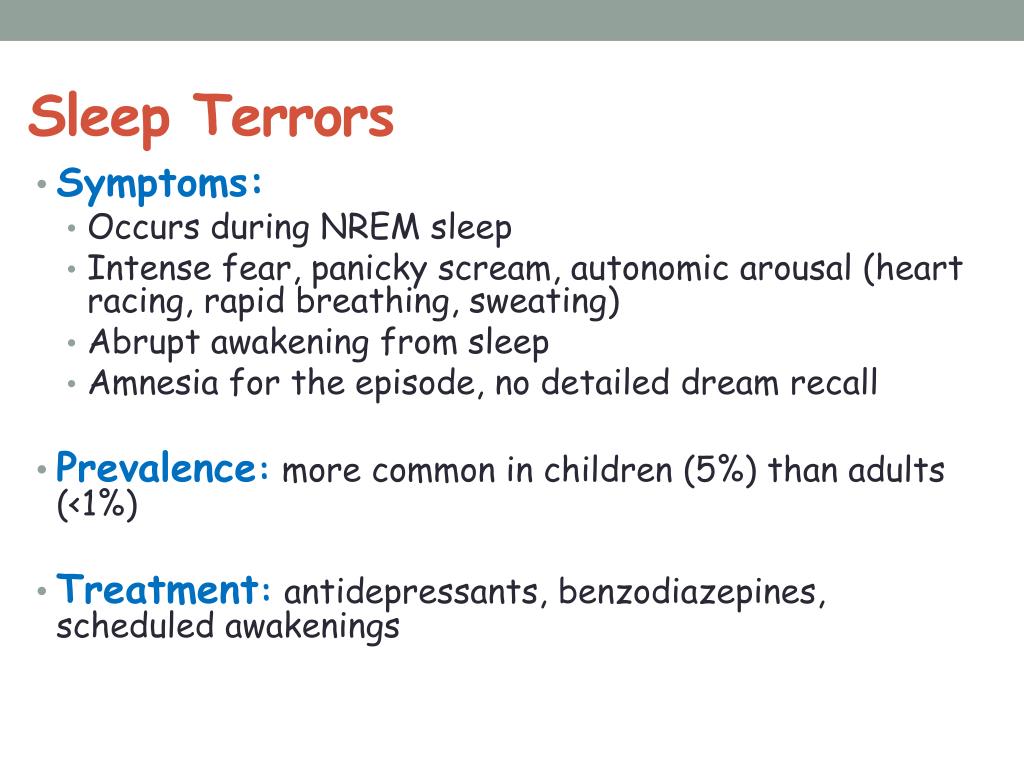
Sleep terrors, also known as night terrors, are a type of parasomnia that occurs during the non-rapid eye movement (NREM) stage of sleep. This stage is typically characterized by slow-wave activity, and it is during this stage that sleep terrors occur. It is essential to understand the causes, symptoms, and treatment options for sleep terrors to manage this condition effectively.
Causes of Sleep Terrors
The exact cause of sleep terrors is still unknown, but it is often triggered by factors that interfere with sleep, such as:
- Sleep-disordered breathing
- Irregular sleep patterns
- Medical conditions, such as obstructive sleep apnea
- Emotional tension and stress
- Environmental factors, such as changes in temperature or noise
Symptoms of Sleep Terrors
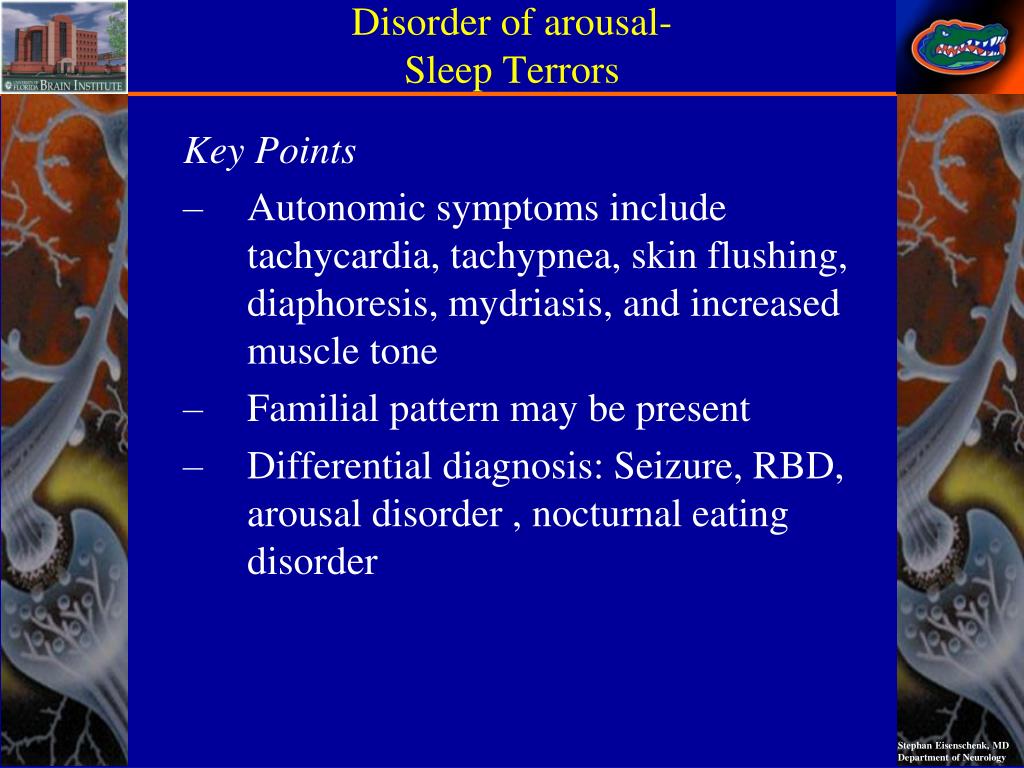
Individuals who experience sleep terrors may display several symptoms, including:
- Extreme fear or terror
- Screaming or loud noises
- Sitting up in bed or thrashing about
- Panic or unease
- Difficulty waking the individual from the episode
Difference between Nightmares and Sleep Terrors
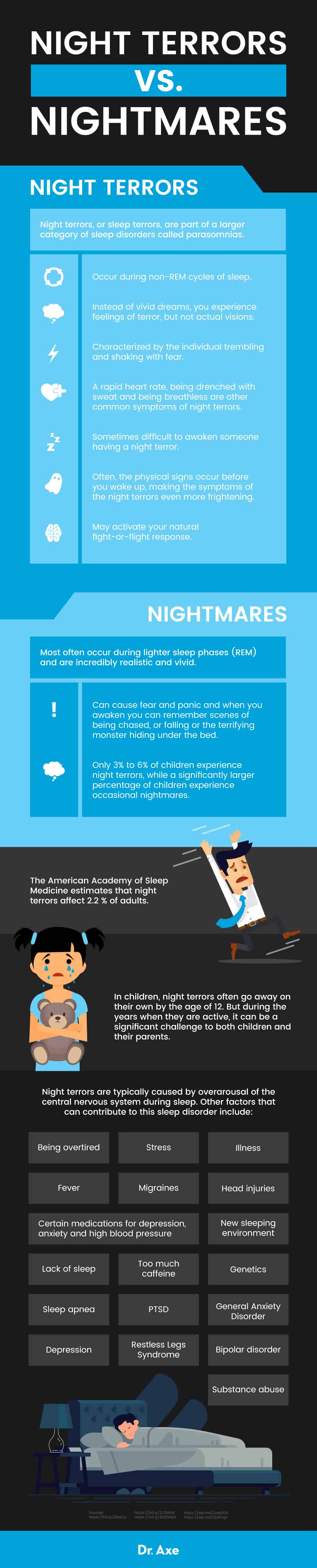
While both nightmares and sleep terrors are parasomnias, they differ in their characteristics. Nightmares occur during the rapid eye movement (REM) stage of sleep and are often accompanied by vivid dreams. Sleep terrors, on the other hand, occur during the NREM stage and are not typically accompanied by dreams. Individuals who experience nightmares usually remember the event upon waking, whereas those with sleep terrors have little to no memory of the episode.
Treatment Options for Sleep Terrors
The treatment for sleep terrors depends on the underlying cause and the severity of the episodes. If sleep terrors are linked to another medical or mental health condition, treatment will focus on addressing the underlying issue. Self-help techniques, such as relaxation and stress-reduction strategies, can also be beneficial. Medication may be prescribed in some cases, but it is typically not recommended for the long-term management of sleep terrors in children. It is essential to consult with a healthcare professional to develop an effective treatment plan.
When to Seek Help
If your child experiences sleep terrors that meet the following criteria, seek help from a healthcare professional:
- The episodes occur frequently
- The episodes last longer than 30 minutes
- The episodes prevent your child from getting enough sleep
- Your child displays signs of distress, such as sadness or fear
Adult Sleep Terrors
While sleep terrors are commonly associated with children, adults can also experience them. Adults may develop sleep terrors due to various factors, including obstructive sleep apnea, restless leg syndrome, or migraines. Consulting with a healthcare professional is essential to address any underlying conditions and develop an effective treatment plan.
Conclusion
Sleep terrors are a parasomnia that can be distressing for individuals and their families. Understanding the causes, symptoms, and treatment options is crucial to manage this condition effectively. Early intervention and treatment can help alleviate the frequency and severity of sleep terrors, ensuring a better quality of life for those affected.
Frequently Asked Questions
Q: What is the difference between nightmares and sleep terrors?
A: Nightmares occur during the REM stage of sleep and are often accompanied by vivid dreams, whereas sleep terrors occur during the NREM stage and are not typically accompanied by dreams.
Q: Can adults experience sleep terrors?
A: Yes, adults can experience sleep terrors due to factors such as obstructive sleep apnea, restless leg syndrome, or migraines.
Q: What is the treatment for sleep terrors?
A: Treatment for sleep terrors depends on the underlying cause and severity of the episodes. Consult with a healthcare professional to develop an effective treatment plan.


.jpg)