How To Stop Ransomware Attack: Prevention, Protection, and Response
Ransomware attacks have become a nightmare for businesses and individuals alike. The cyber threat landscape is evolving rapidly, and ransomware attacks are now more sophisticated than ever. In this article, we'll explore how to stop ransomware attacks, prevent them, and respond effectively in case of an attack.
Understanding Ransomware Attacks
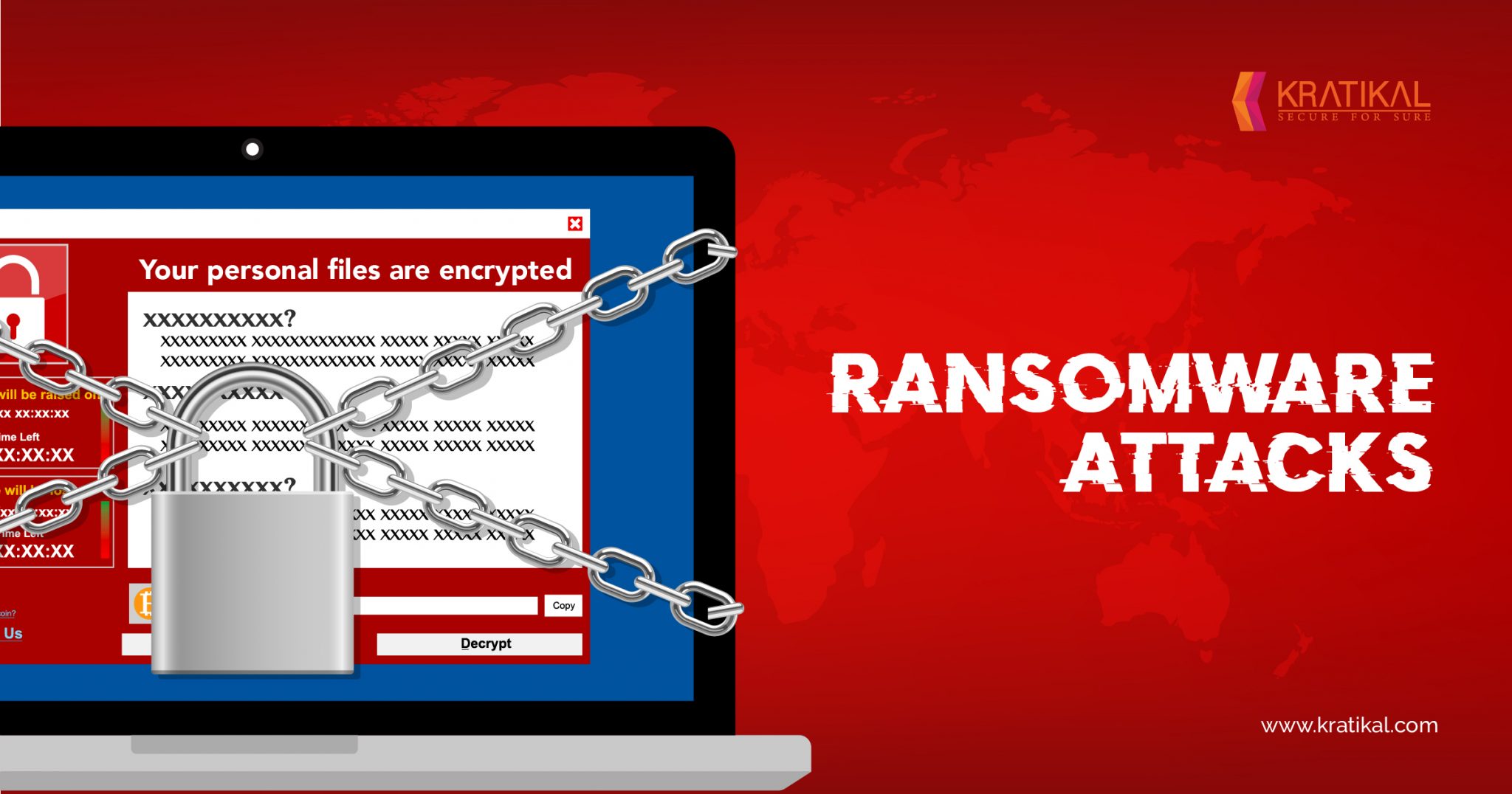
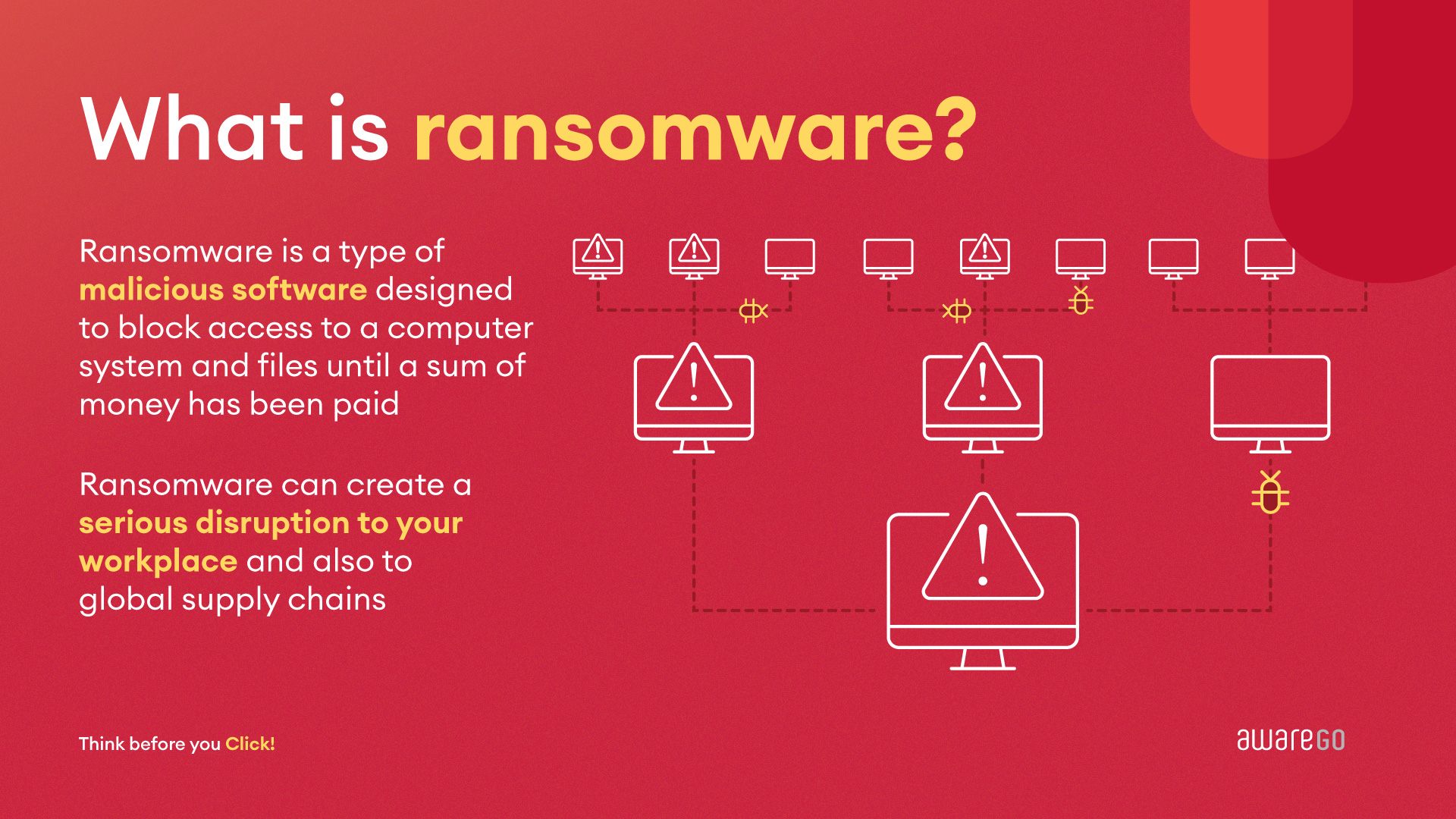
Ransomware attacks are a type of malicious software (malware) that encrypts files and data, demanding a ransom payment for decryption. It's a sophisticated attack that can impact any organization, regardless of its size or industry. Ransomware attacks can spread quickly through a network, affecting multiple devices and systems.
How To Stop Ransomware Attack
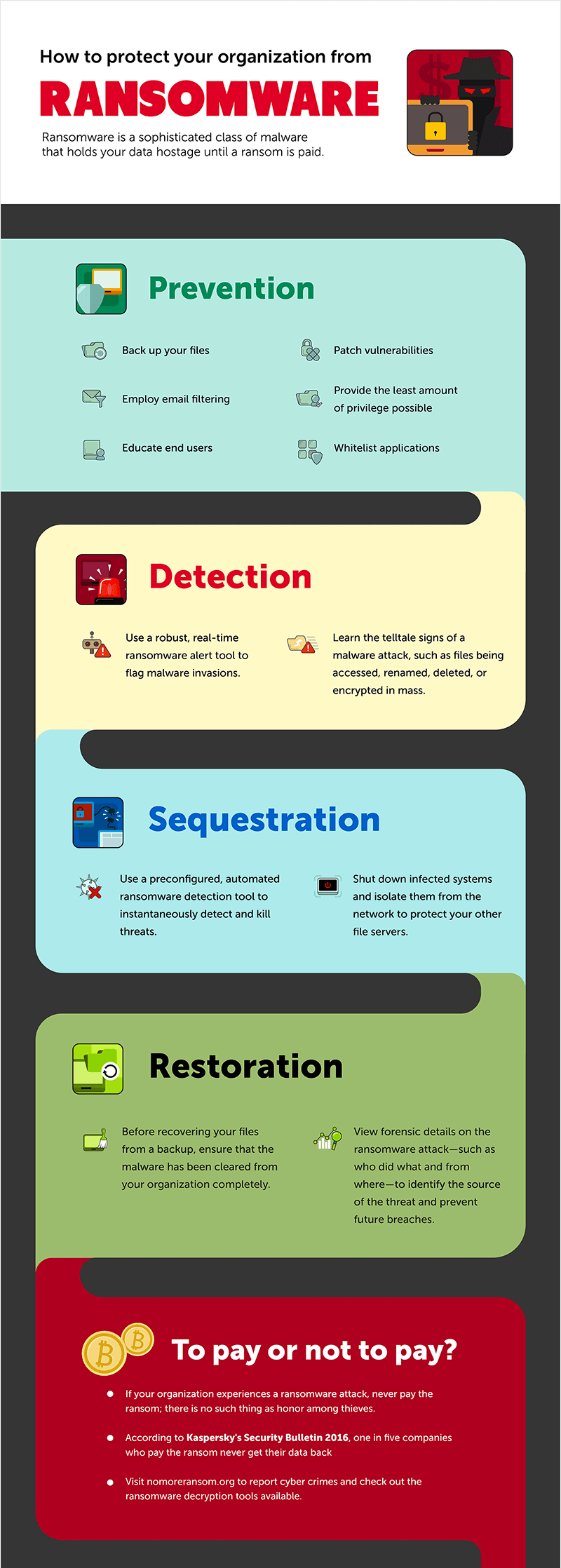
Stopping ransomware attacks requires a combination of prevention, protection, and response strategies. Here are some of the best practices to follow:
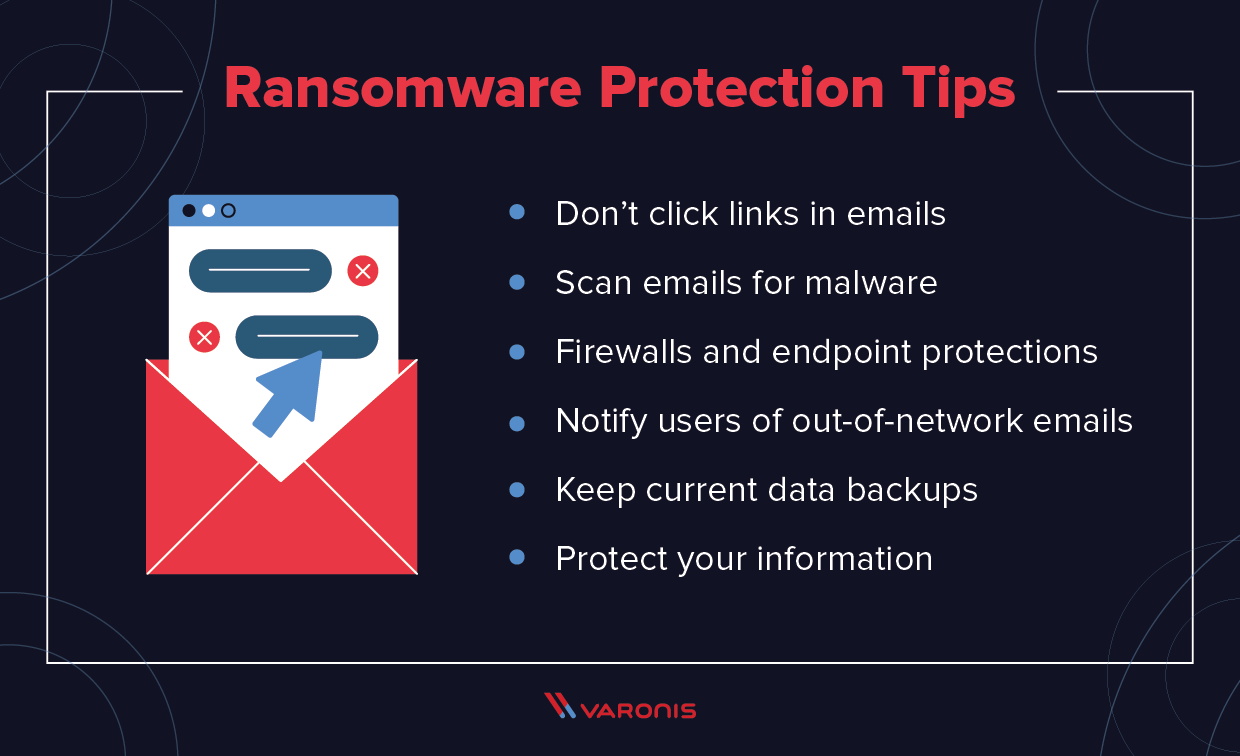
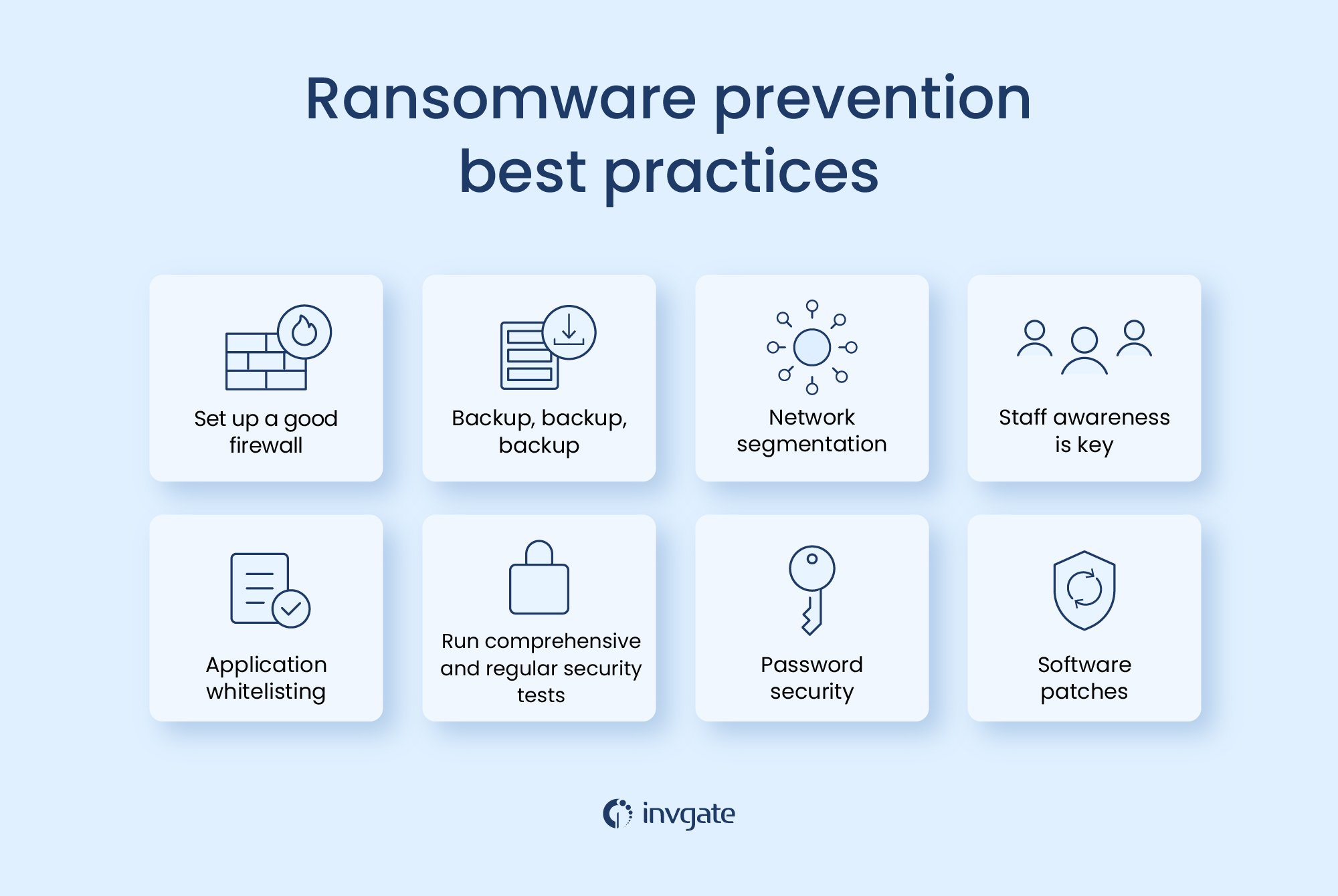
- Keep Software Up-to-Date: Regular software updates can patch security vulnerabilities that ransomware attackers often exploit. Ensure that all operating systems, applications, and software are up-to-date.
- Back Up Data Regularly: Regular backups can help minimize data loss in case of a ransomware attack. Ensure that backups are stored securely, both on-site and in the cloud.
- Use Antivirus Software: Antivirus software can detect and prevent malware, including ransomware. Ensure that all devices are equipped with up-to-date antivirus software.
- Implement Network Segmentation: Network segmentation can help contain ransomware attacks within a specific area of the network, preventing it from spreading quickly.
- Use Firewall and Encryption: Firewalls and encryption can help protect data in transit and at rest. Ensure that all data is encrypted, both in transit and at rest.
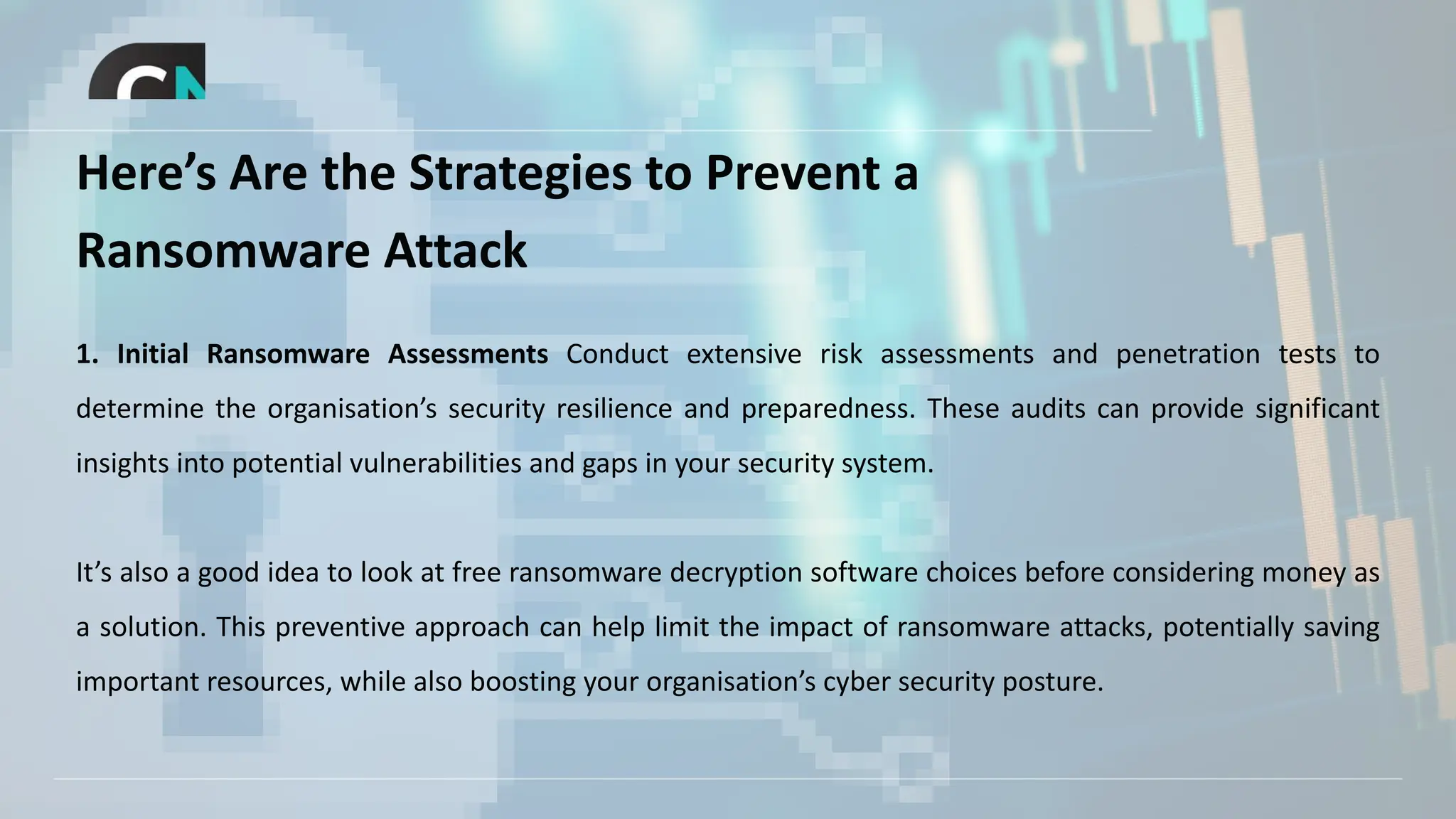
- Conduct Regular Security Audits: Regular security audits can help identify vulnerabilities and weaknesses in the system. Ensure that all security audits are conducted by a third-party expert.
- Develop an Incident Response Plan: An incident response plan can help ensure a swift and effective response in case of a ransomware attack. Ensure that all employees know their roles and responsibilities in case of an incident.
How To Prevent Ransomware Attack

Preventing ransomware attacks requires a combination of awareness, education, and technology. Here are some of the best practices to follow:
- Employee Education and Training: Educate employees on the risks and consequences of ransomware attacks. Ensure that all employees know how to identify and report suspicious emails, attachments, and links.
- Phishing Awareness and Detection
- Phishing is one of the most common methods used by ransomware attackers. Educate employees on how to identify and report phishing emails, attachments, and links.
- Regular Security Updates and Patches: Regular security updates and patches can help patch security vulnerabilities that ransomware attackers often exploit. Ensure that all operating systems, applications, and software are up-to-date.
- Strong Password Management: Strong password management can help prevent unauthorized access to systems and data. Ensure that all passwords are complex, unique, and changed regularly.
- Network Monitoring and Detection: Network monitoring and detection can help identify and prevent ransomware attacks. Ensure that all network traffic is monitored and detected in real-time.
How To Respond to a Ransomware Attack
Responding to a ransomware attack requires a swift and effective response. Here are some of the best practices to follow:
- Disconnect from the Network: Disconnect all devices and systems from the network to prevent further spread of the attack.
- Notify Incident Response Team: Notify the incident response team to ensure a swift and effective response.
- Restore Systems and Data: Restore systems and data from backups to minimize data loss.
- Contain and Eradicate the Attack: Contain and eradicate the attack using specialized tools and techniques.
- Conduct Post-Incident Review: Conduct a post-incident review to identify vulnerabilities and weaknesses in the system. Ensure that all lessons learned are implemented to prevent future attacks.
Conclusion
Ransomware attacks are a growing threat to businesses and individuals alike. Prevention, protection, and response strategies are essential to stopping ransomware attacks. By following the best practices outlined in this article, you can reduce the risk of a ransomware attack and minimize data loss in case of an attack. Remember, a swift and effective response is key to containing and eradicating a ransomware attack.