When Your Phone's Screen Breaks: A Comprehensive Guide to Screen Replacement
If you're reading this, chances are you've been unfortunate enough to crack your phone's screen. It can be frustrating, especially if you're someone who relies heavily on their phone for work, communication, or entertainment. A cracked screen can be more than just an annoyance; it can also be a safety hazard. With all the debris and bacteria that can accumulate on a broken screen, your eyes and skin are at risk of infection. In this article, we'll explore your options for getting your phone's screen replaced, as well as some valuable tips on how to prevent such accidents from happening in the future.Why Screen Replacement is Necessary
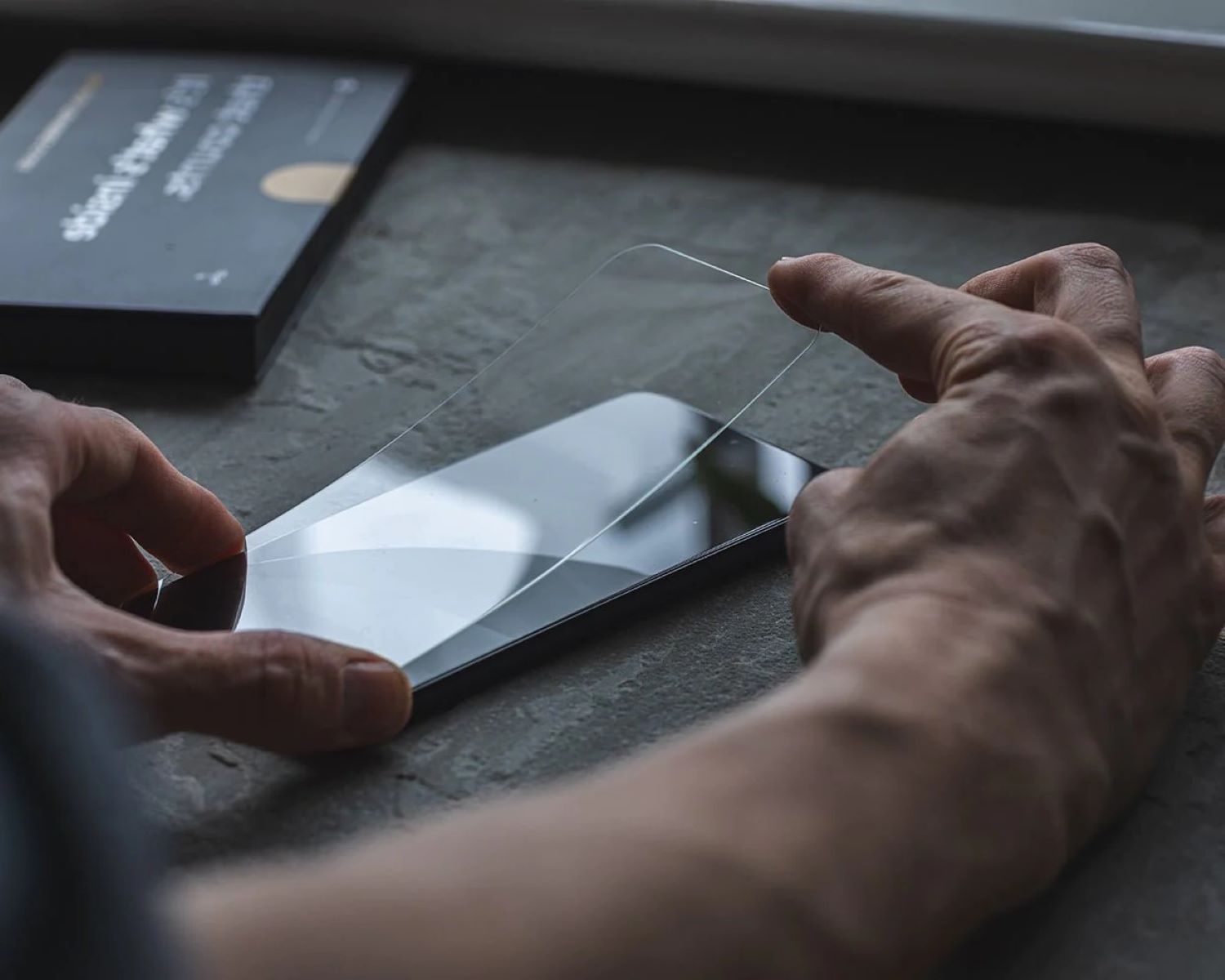
A cracked screen can cause a range of problems, from reduced visibility to complete screen failure. In some cases, the damage might be minor, but in others, it can be severe enough to render your phone unusable. This is where screen replacement comes in – a solution that can breathe new life into your phone and get it back to its original state.The Process of Screen Replacement
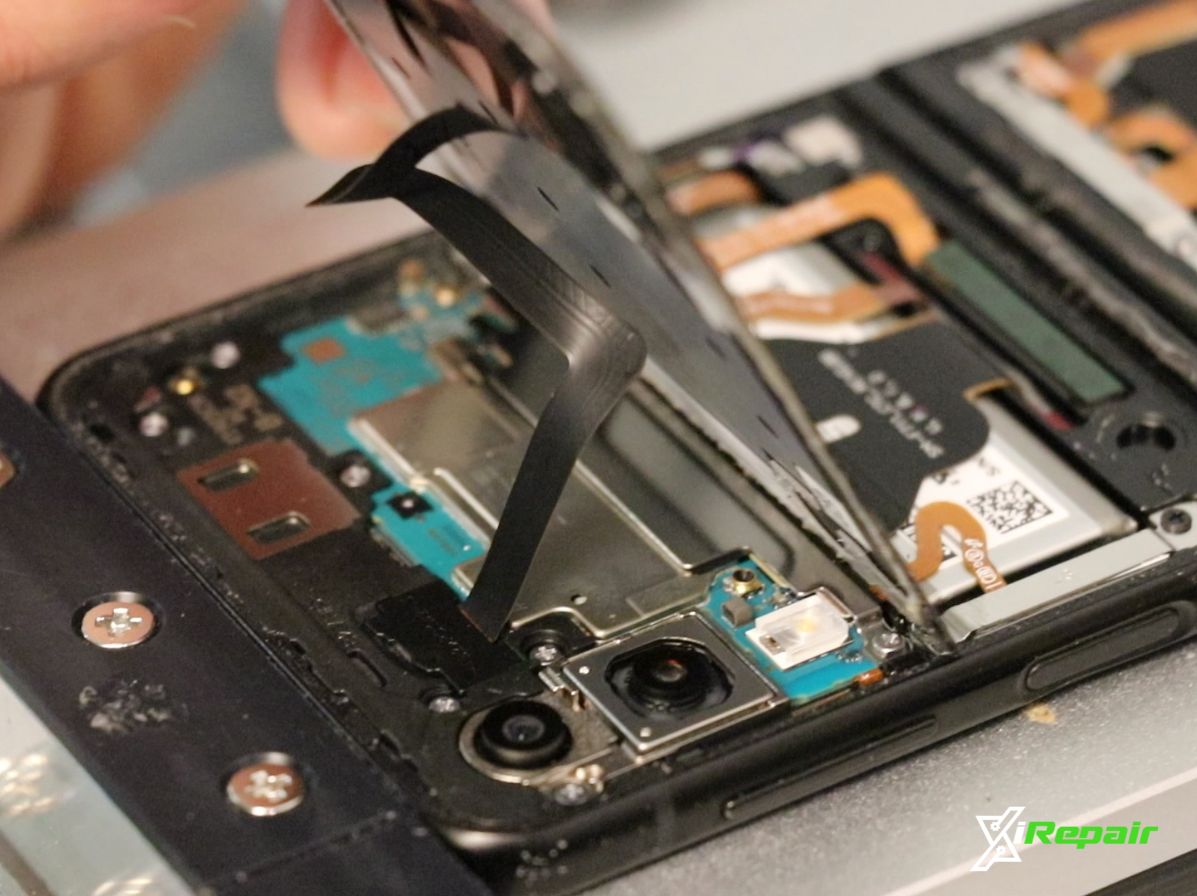
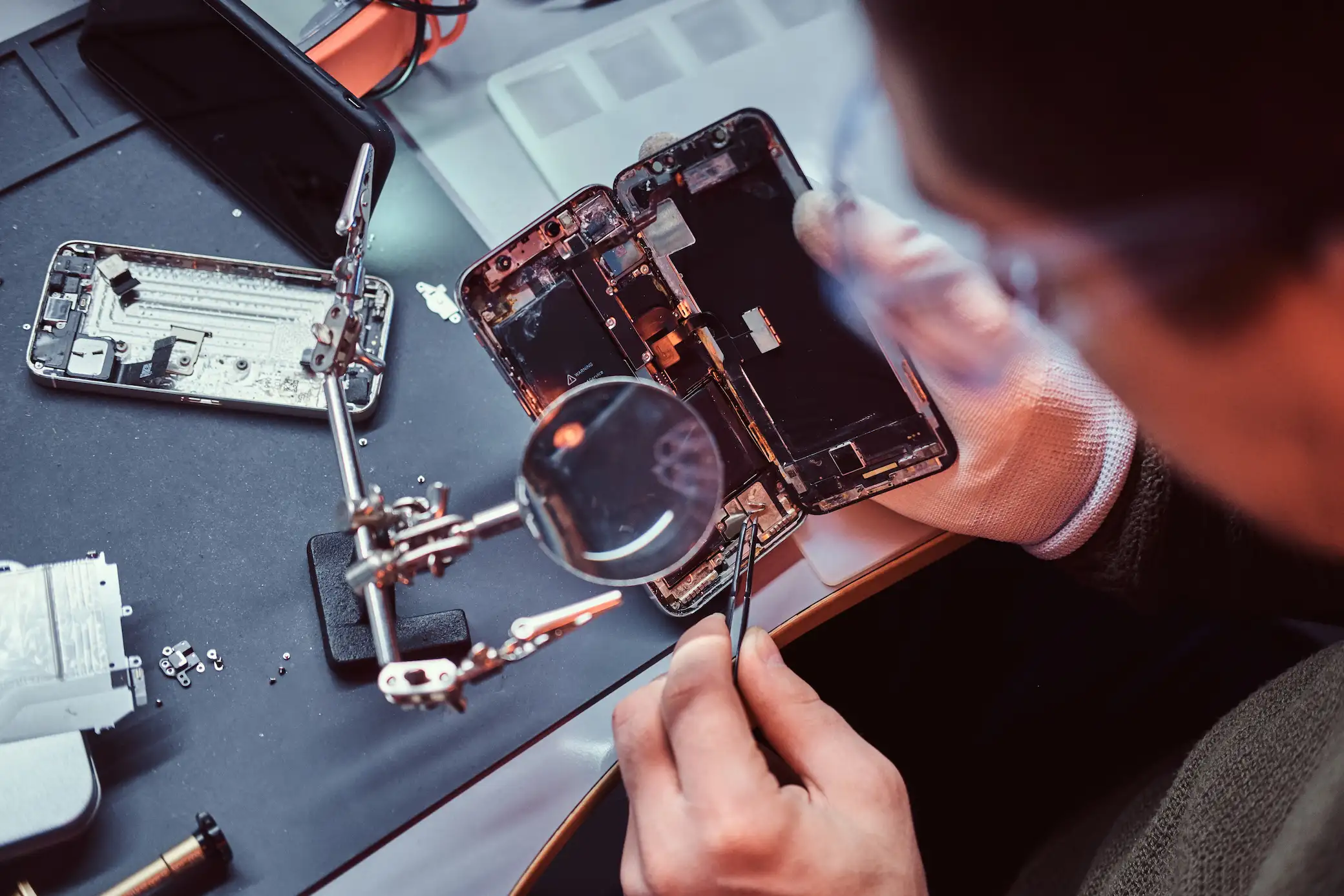
The process of getting your phone's screen replaced is relatively straightforward. First, you need to identify a reputable repair service provider in your area. With the abundance of stores offering repair services, it's essential to choose one that's authorized to repair your phone model. Some popular options include uBreakiFix, Best Buy, and Litemobile. Once you've found a suitable provider, you'll typically need to book an appointment and drop off your phone. The repair process itself usually takes a few hours to complete, during which time the technicians will swap out your old screen for a new one. In some cases, you might need to wait a bit longer for specialized repairs like LCD replacement or motherboard fixes.Factors Affecting Screen Replacement Costs
As you might expect, the cost of screen replacement varies depending on several factors. The primary drivers of cost include: * Screen material: Different screens have varying costs depending on their quality and type. OEM screens, for example, tend to be more expensive than third-party alternatives. * Frame size and condition: Larger screens and custom-made frames can push up the cost of repair. * Local labor rates: What they charge depends on where you are and the expertise of the repair technician. How to Choose the Right Repair Service