A Comprehensive Guide to SMD Soldering: Techniques, Tools, and Best Practices
SMD soldering has become a crucial skill for electronics enthusiasts and professionals alike, as it enables the assembly of complex electronic circuits with high precision and efficiency. In this article, we will delve into the world of SMD soldering, covering the essential tools, techniques, and best practices to help you master this vital skill.
Essential SMD Soldering Tools and Accessories
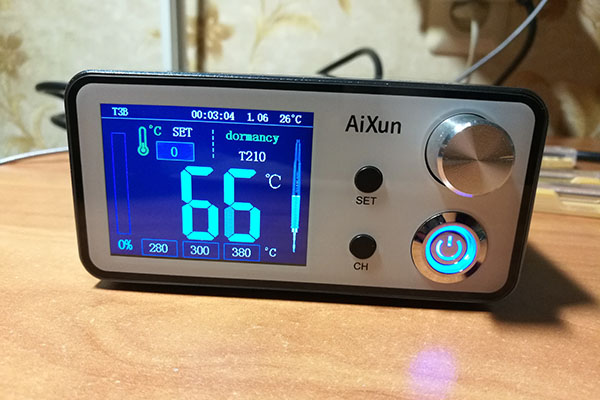
Before starting, gather the proper SMD soldering tools, each playing a crucial role in precision and quality. The foundation of SMD soldering is a temperature-controlled soldering iron with fine tips, specifically designed for surface-mount components. An adjustable soldering station allows you to maintain stable temperatures (typically between 280°C and 350°C), preventing overheating of pads or components.
- Soldering Station: A temperature-controlled soldering iron with fine tips is the foundation of SMD soldering.
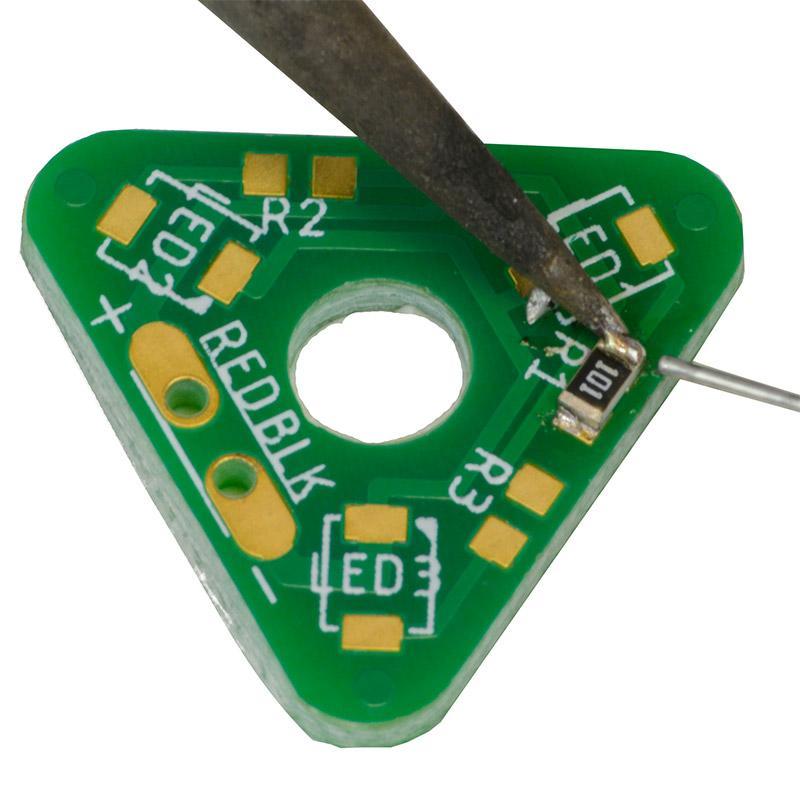
- Soldering Iron Tips: Fine-tipped soldering irons are ideal for SMD soldering, allowing for precise application of heat and solder.
- Solder Paste: A high-quality solder paste is essential for SMD soldering, providing a reliable and efficient way to join components.
- Hot Air Rework Station: A hot air rework station is a versatile tool for SMD soldering, enabling you to desolder and resolder components with precision and speed.
A Complete Beginner's Guide to SMD Soldering
SMD soldering might seem intimidating at first, but with the right tools and techniques, you can master this skill in no time. Start by understanding the basics of SMD components, including their size, shape, and pin count. Familiarize yourself with the different types of SMD components, such as ICs, resistors, capacitors, and inductors.
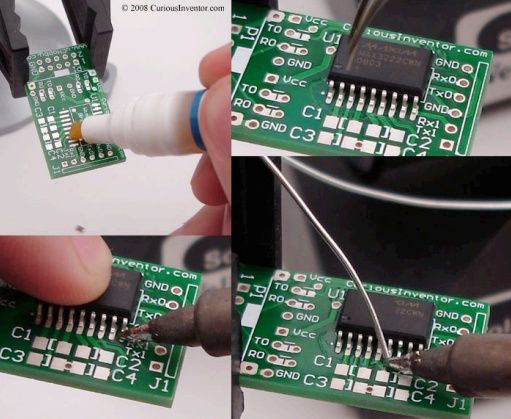
Next, gather the necessary tools and materials, including a soldering iron station, solder paste, and a hot air rework station. Practice soldering SMD components, starting with small components and gradually moving on to larger ones. Learn how to apply solder paste, align components, and join them with precision.
Surface Mount Soldering: Tips and Tricks
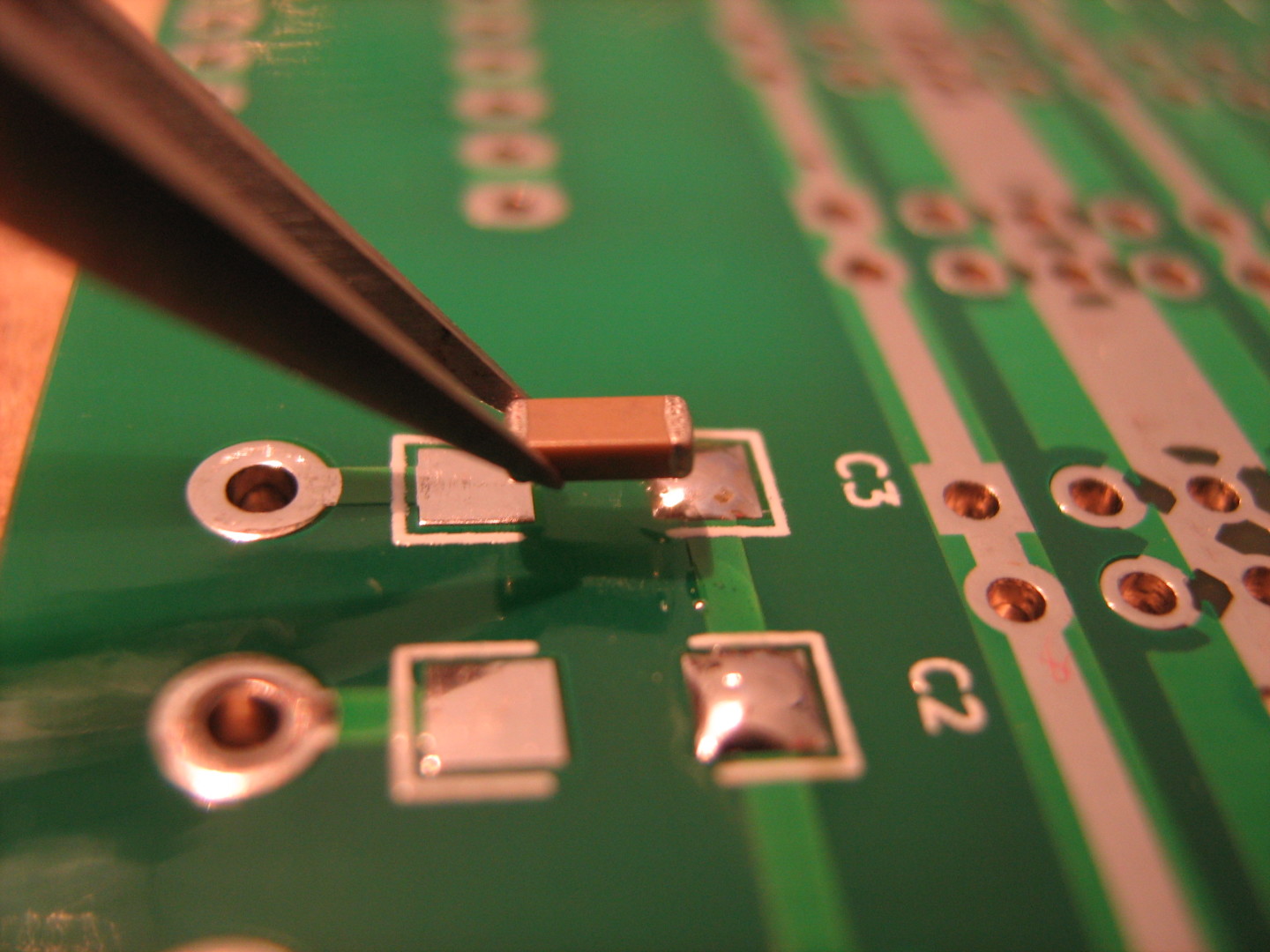
Surface mount soldering requires patience, practice, and attention to detail. Here are some essential tips and tricks to help you master SMD soldering:
- Work on a clean and well-lit surface to prevent losing components.
- Use tweezers or forceps to handle components securely.
- Secure the board while working to prevent it from shifting or moving.
- Apply solder paste carefully, following the component's footprint.
- Use a small amount of solder, as excess solder can lead to electrical errors.
Why Choose Surface Mount Soldering?
Surface mount soldering offers several advantages over through-hole soldering, including:
- Smaller component sizes, leading to increased component density.
- Improved reliability and reduced electrical errors.
- Increased thermal conductivity, reducing heat transfer issues.
- Reduced labor costs and increased productivity.
Conclusion
SMD soldering is a crucial skill for electronics enthusiasts and professionals alike, enabling the assembly of complex electronic circuits with high precision and efficiency. By understanding the essential tools, techniques, and best practices, you can master this vital skill and take your electronics projects to the next level. Whether you're a seasoned electronics professional or a beginner, SMD soldering is an essential skill to possess, and with this guide, you'll be well-equipped to tackle any SMD soldering challenge that comes your way.
![How to Solder SMD Components Like a Pro [2025 Updated]](http://www.electronicsandyou.com/blog/wp-content/uploads/2013/08/smd-soldering.jpg "How to Solder SMD Components Like a Pro [2025 Updated]")