Tire Changing Techniques: A Comprehensive Guide
Changing a tire can seem like a daunting task, but with the right techniques and knowledge, it can be a relatively straightforward process. In this article, we'll walk you through the step-by-step process of changing a tire, including the necessary tools and safety precautions to ensure a safe and successful tire change.
Why Learn How to Change a Tire?
- No Cell Service: If you find yourself in an area with no cell service, knowing how to change a tire can be a lifesaver.
- Dangerous Situations: In situations where it's not safe to remain in the vehicle, knowing how to change a tire can help you avoid potentially hazardous situations.
- Independence: By learning how to change a tire, you'll be more confident and independent on the road, able to handle unexpected situations with ease.
Necessary Tools and Equipment
Before you start, make sure you have the following tools and equipment:
- Spare tire
- Lug wrench (often included with your vehicle)
- Jack
- Tire repair kit (optional)
- Tire-changing gloves (optional)
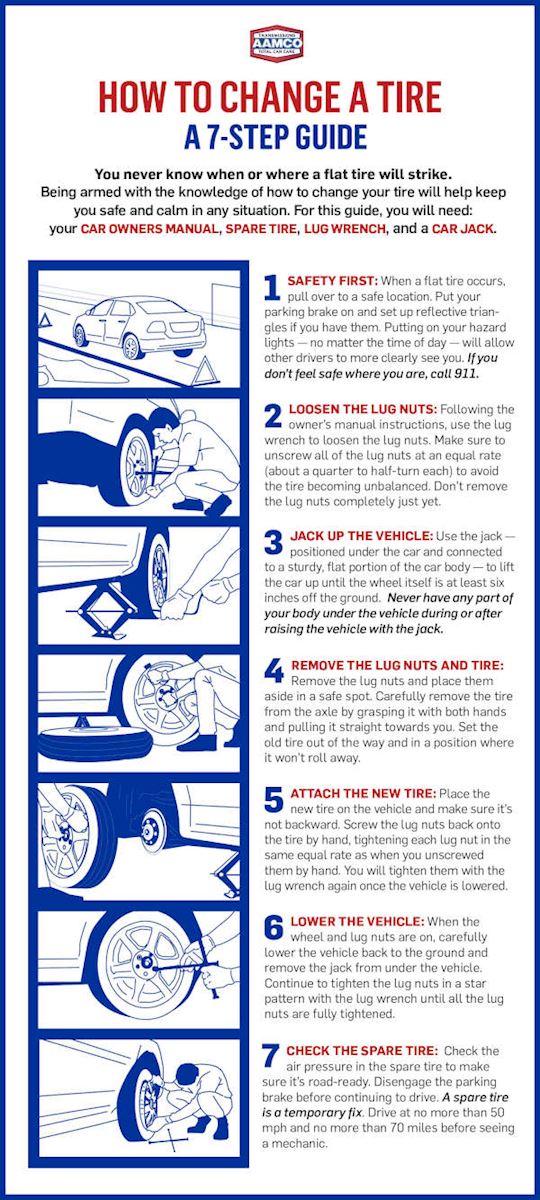
Step 1: Prepare Your Vehicle
When faced with a flat tire, safety should be your top priority. Move your vehicle to a flat, stable area away from traffic. Make sure the surface is level and the area is clear of any obstacles.
Step 2: Gather Your Tools
Before you begin, gather all the necessary tools and equipment. Make sure they're easily accessible and within reach.
Step 3: Loosen the Lug Nuts
Before you jack up the vehicle, loosen the lug nuts using the lug wrench. Turn them counterclockwise until they're loose, but don't remove them yet.
Step 4: Jack Up the Vehicle
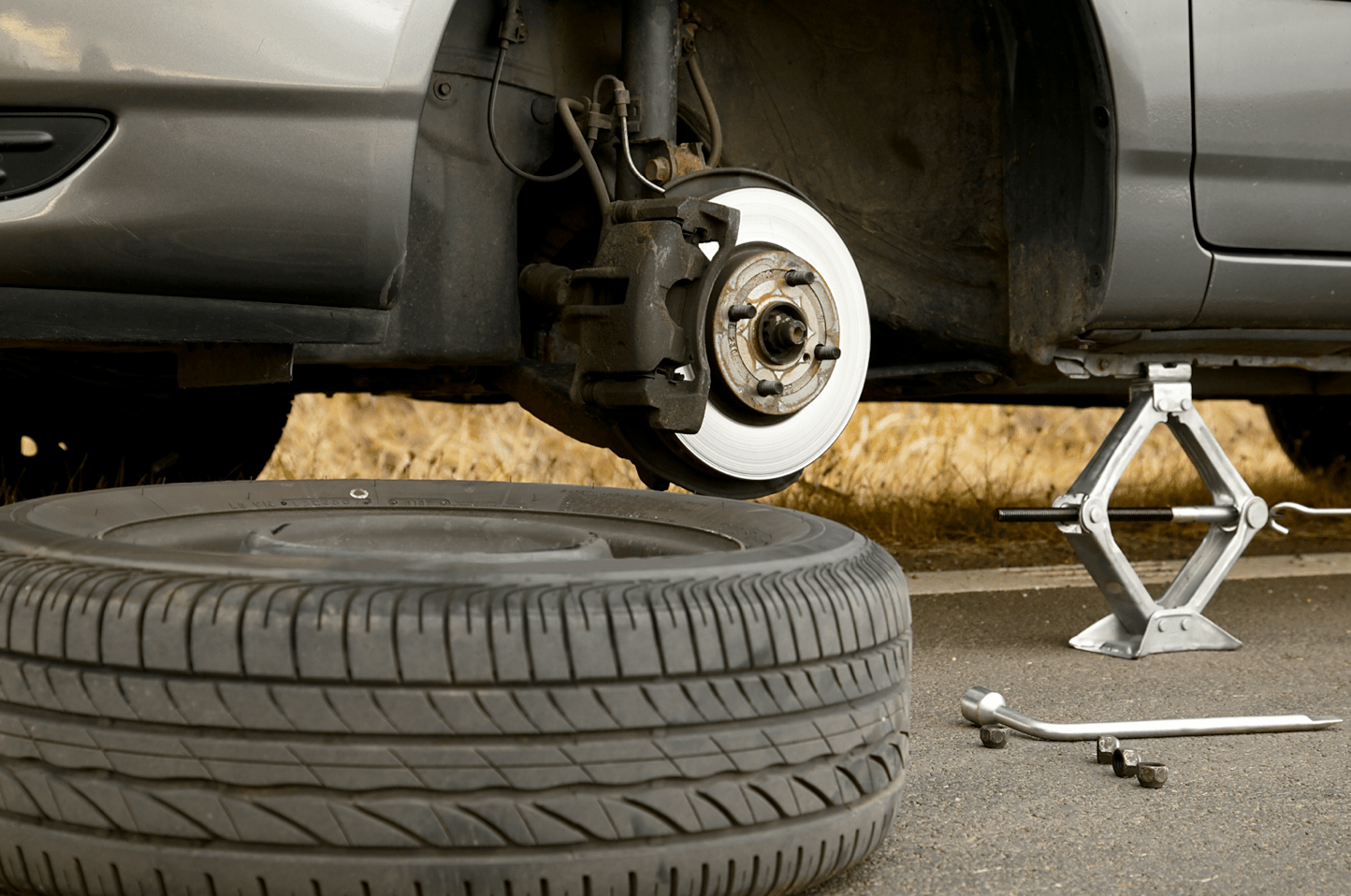
Place the jack under the vehicle's frame and raise it until the flat tire is off the ground. Make sure the jack is stable and sturdy.
Step 5: Remove the Lug Nuts and Flat Tire

Completely remove the lug nuts from the wheel hub and flat tire. Take the flat tire off the wheel hub and set it aside.
Step 6: Install the Spare Tire
Take the spare tire and place it on the wheel hub. Hand tighten the lug nuts to secure the spare tire.
Step 7: Tighten the Lug Nuts
Lower the vehicle to the ground and use the lug wrench to tighten the lug nuts in a star pattern. Make sure they're snug, but don't overtighten.
Step 8: Check the Tire Pressure
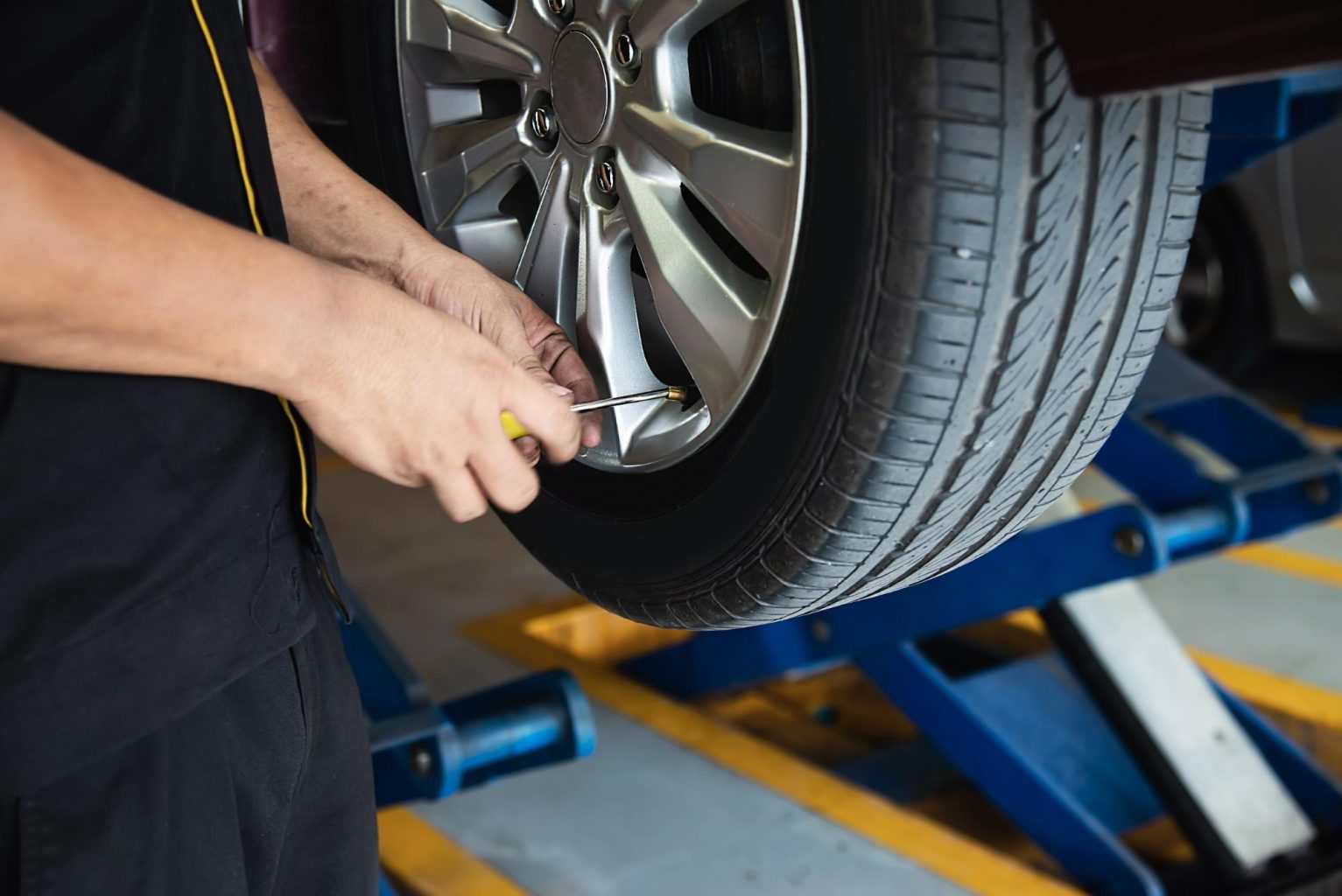
Make sure the spare tire is inflated to the recommended pressure. You can find this information on the tire's sidewall or in your vehicle's owner's manual.
Step 9: Drive Carefully
Drive carefully to the nearest service station or tire repair shop to have the flat tire repaired or replaced. Don't drive at high speeds or for long distances on the spare tire.
Additional Tips and Techniques
Here are some additional tips and techniques to keep in mind when changing a tire:
- Always refer to your vehicle's owner's manual for specific instructions on changing a tire for your particular vehicle.
- Use tire-changing gloves to protect your hands from sharp objects and provide a good grip on the tools.
- Use a tire repair kit to seal punctures and avoid having to replace the entire tire.
- Check the tire pressure on the spare tire regularly to ensure it's at the recommended pressure.
Conclusion
Changing a tire can seem like a daunting task, but with the right techniques and knowledge, it can be a relatively straightforward process. By following these step-by-step instructions and tips, you'll be able to change a tire safely and efficiently, and avoid getting stuck on the side of the road. Remember to always refer to your vehicle's owner's manual for specific instructions on changing a tire, and practice changing a tire regularly to build your confidence and independence on the road.