Unlocking the Puzzle of Attention Span Development
From toddlers engaging in fleeting attention to adults struggling with sustained focus, our ability to concentrate and attend to tasks is a crucial aspect of cognitive development. In this article, we'll delve into the concept of attention span development, exploring the factors that influence it, and providing practical strategies to support children's concentration skills.
Understanding Attention Span Development
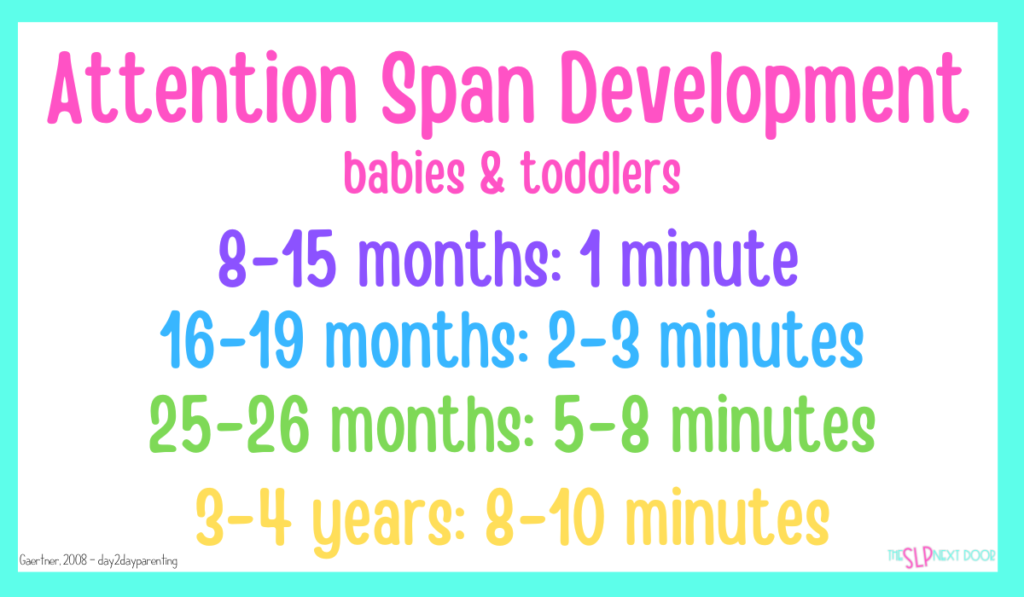
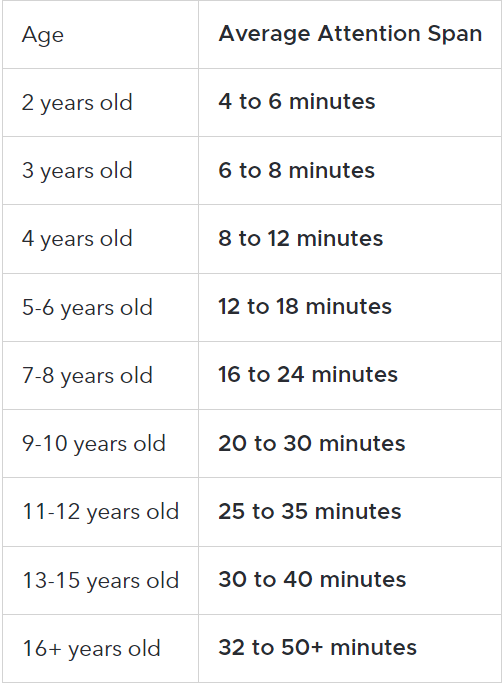
Attention span refers to the amount of time a person can focus on a task or activity without becoming distracted. It's a critical aspect of cognitive functioning, closely linked to information processing and memory development. According to childhood development experts, an average attention span by age is just two to three minutes per year of their age. This period allows children to maintain focus on a given task, with attention flitting from one thing to another in the early years.
Factors Affecting Focus
Research has shown that various factors influence attention span development in children. These include:
- Brain development: Changes in brain structure and function impact attentional abilities.
- Environmental influences: A stimulating environment can enhance attention, while distractions can hinder it.
- Individual differences: Genetic predispositions and temperament play a role in attention span development.
- Age: As children mature, their attention span increases, with preschoolers typically having shorter focus times than older children.
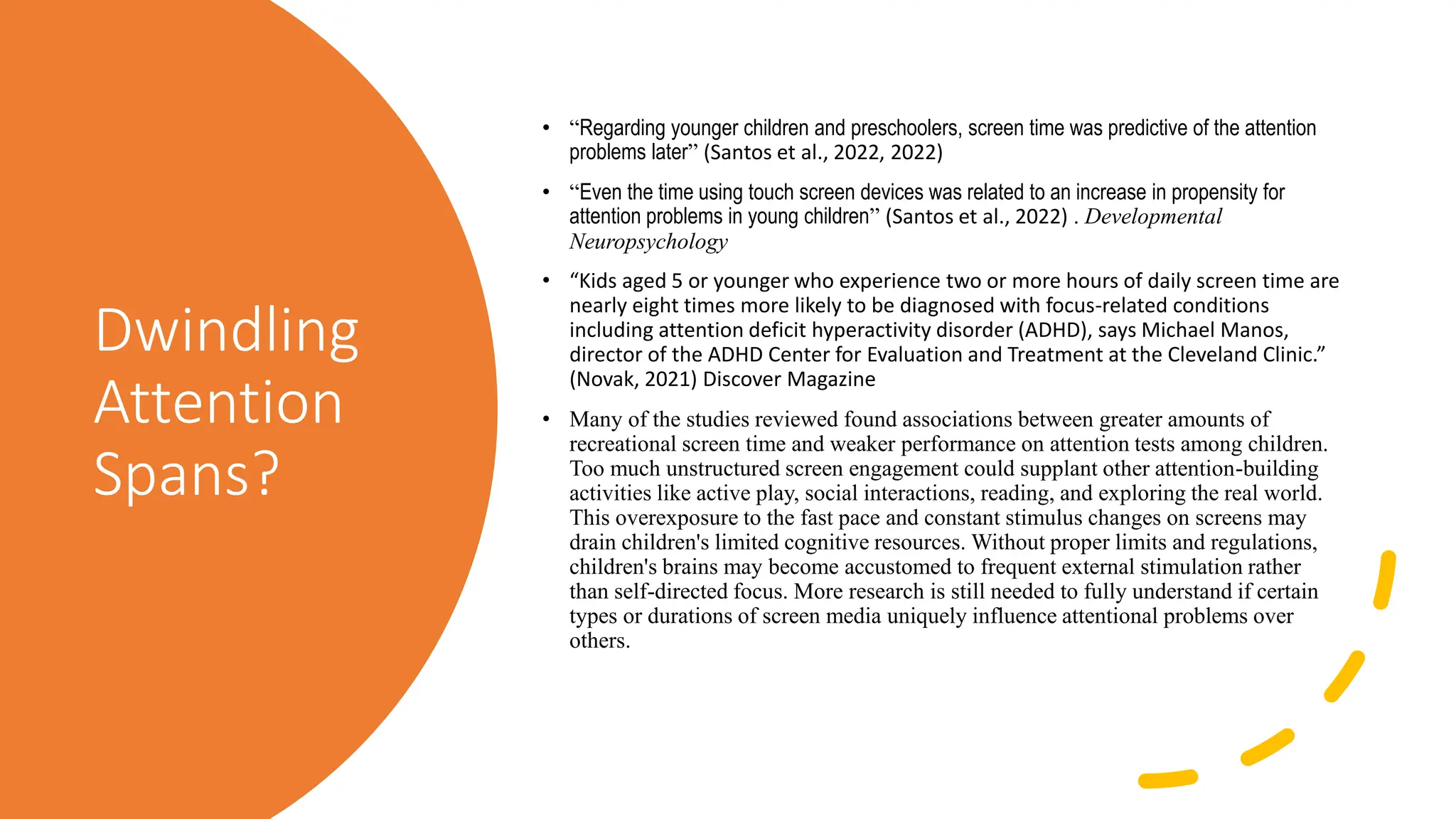
- Excessive screen time: Exposure to screens, especially in early childhood, may contribute to shorter attention spans.
Practical Strategies to Support Children's Concentration Skills
Fortunately, there are numerous ways to foster attention span development in children. Here are some evidence-based strategies:

- Routines and calm play: Establishing daily routines and engaging in calm play activities helps children develop their attention span.
- Screen-free habits: Limiting screen time, especially in early childhood, enables children to focus on other activities.
- Outdoor play: Engaging in outdoor activities, such as nature walks or exploratory play, promotes attention span development.
- Turn-taking and joint attention: Encourage children to participate in activities that foster turn-taking and joint attention.
- Hands-on learning: Engage children in hands-on activities, such as puzzles, that improve focus and concentration.
Conclusion
Attentionspan development is a critical aspect of cognitive growth, influenced by a range of factors. By understanding the factors that impact attention span and employing practical strategies to support children's concentration skills, we can help them develop this essential cognitive function. Whether you're a parent, educator, or caregiver, recognizing the importance of attention span development can make a significant difference in the lives of the children in your care.
Resources
- Children and Adults with Attention-Deficit/Hyperactivity Disorder (CHADD): A nonprofit organization providing support and resources for individuals with ADHD.
- Learn about LHH: A global network offering support and guidance for talent development.
- 9 Ways to Improve Your Child's Attention Span: Expert tips for increasing focus and concentration.
References
- Roth, R. P., et al. (2020). Attentional processes in cognitive development.
- Attention, in psychology, is the process of selectively focusing on specific information in the environment.