How to Set Up an LLC: A Comprehensive Guide
A Limited Liability Company (LLC) is a popular business structure in the United States, offering liability protection and tax flexibility. Whether you're launching a freelance business, opening a retail shop, or building a startup, an LLC is an excellent choice. In this guide, we'll walk you through the steps to set up an LLC, including the pros and cons, benefits, and limitations of an LLC.
Why Choose an LLC?
An LLC offers several advantages, including:
- Limited liability protection: As an LLC owner, you're protected from personal liability, which means your personal assets are safe in case of business debts or lawsuits.
- Pass-through taxation: LLCs are pass-through entities, meaning business income is only taxed at the individual level, not at the corporate level.
- Flexibility in ownership and management: LLCs can have multiple owners (members) and can be managed by either the members themselves or hired managers.
- Lower formation and maintenance costs: LLCs have lower formation and maintenance costs compared to corporations.
Step 1: Select a State
To set up an LLC, you need to select a state where you'll register your business. Different states have varying requirements and regulations, so it's essential to choose a state that aligns with your business needs.
Step 2: Name Your LLC
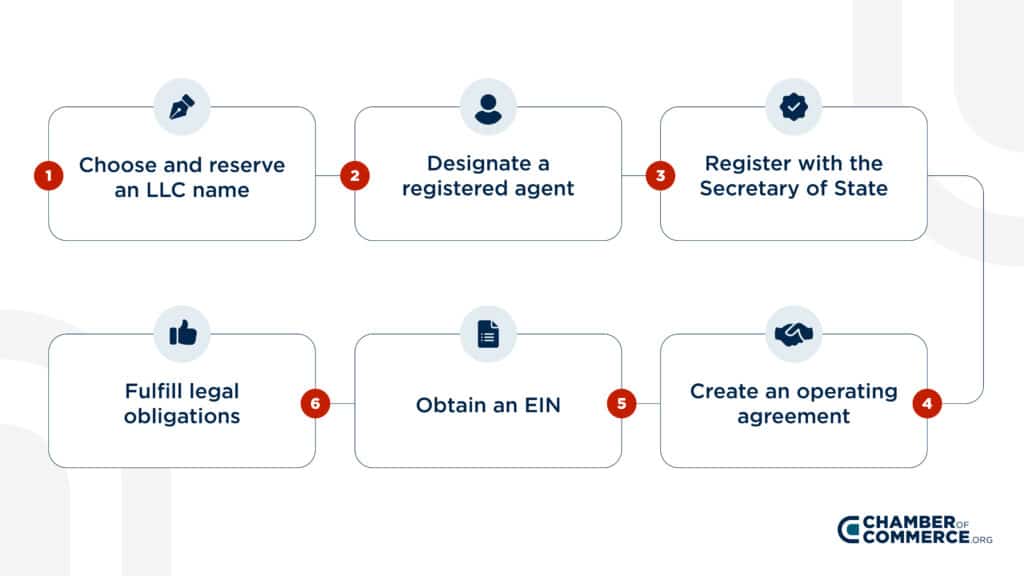
The name of your LLC should be unique and comply with your state's naming requirements. You can use the state's business database to search for available names. Ensure the name isn't already in use by another business in the same state.
Step 3: Choose a Registered Agent
A registered agent is a person or business that receives official documents and notices on behalf of your LLC. This can be yourself, a friend, or a professional registered agent service.
Step 4: File Articles of Organization
Articles of Organization are the formation documents that officially create your LLC. You'll need to file these documents with your state's Secretary of State office. The documents typically require information about your LLC, including its name, address, and owners.

Step 5: Create an Operating Agreement
An Operating Agreement outlines the ownership, management, and operational details of your LLC. This document is crucial for defining roles and responsibilities among owners and for resolving any disputes that may arise.
Step 6: Obtain an EIN
An Employer Identification Number (EIN) is a unique number assigned to your LLC by the IRS. You'll need an EIN to open a business bank account, file taxes, and hire employees.
Step 7: Obtain Licenses and Permits
Depending on your business type and location, you may need to obtain various licenses and permits. Research the requirements for your state and local government.
Conclusion
Setting up an LLC can be a complex process, but with this guide, you'll have a solid understanding of the steps involved. Remember to choose a state that suits your business needs, name your LLC wisely, and file the necessary documents to officially form your business. With the right guidance, you'll be well on your way to creating a successful LLC.
Additional Resources
For more information on how to set up an LLC, you can consult the following resources:
- The IRS website (www.irs.gov)
- The Small Business Administration website (www.sba.gov)
- State-specific business resources and government websites
By following these steps and consulting the additional resources, you'll be able to set up an LLC that meets your business needs and provides the necessary protection and flexibility.