Blue Light and Cardiovascular Health: Understanding the Connection
The increasing use of digital devices and artificial lighting has led to a significant exposure to blue light, a type of high-energy visible (HEV) light with a wavelength of around 400-450 nanometers. While blue light is beneficial during the day, exposure to it in the evening can have a detrimental effect on cardiovascular health.
What is Blue Light and How Does it Affect the Body?
Blue light is emitted by electronic devices such as smartphones, tablets, and computers, as well as by artificial lighting sources like LED bulbs and fluorescent lights. When blue light enters the eye, it can suppress the production of melatonin, the hormone responsible for regulating sleep-wake cycles. This can lead to sleep disruptions and other health problems.
- Suppresses melatonin production, leading to sleep disruptions
- Can cause eye strain and fatigue
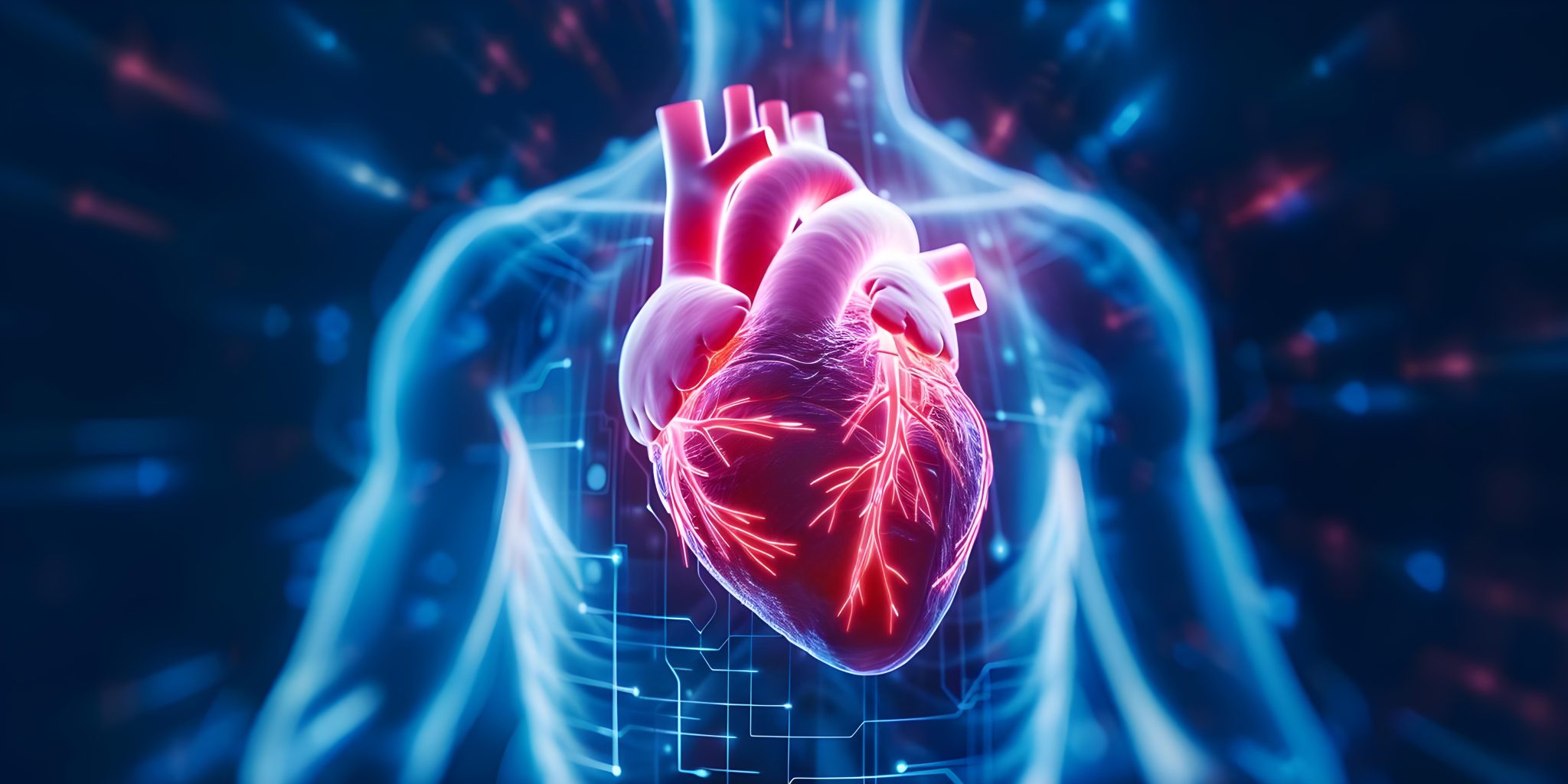
- May lead to increased risk of cardiovascular disease
The Link Between Blue Light and Cardiovascular Health
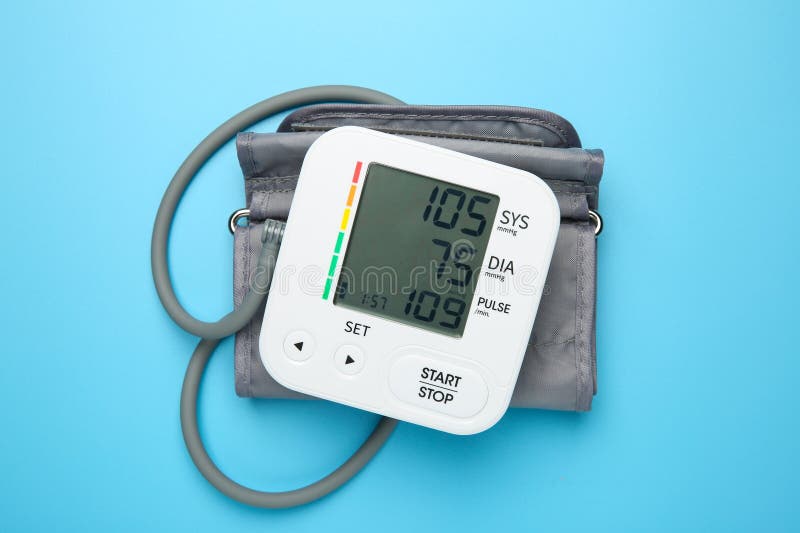
Research has shown that exposure to blue light can have a significant impact on cardiovascular health. A study published in the Journal of the American Heart Association found that exposure to artificial light at night increased the risk of cardiovascular disease by up to 50%. Another study published in the Journal of Clinical Hypertension found that blue light exposure decreased systolic blood pressure and increased heart rate.

While the exact mechanisms are not fully understood, it is believed that blue light exposure can lead to increased inflammation, oxidative stress, and changes in the body's circadian rhythm, all of which can contribute to cardiovascular disease.
Practical Tips to Protect Your Cardiovascular Health from Blue Light
Fortunately, there are several steps you can take to protect your cardiovascular health from the negative effects of blue light:
- Use blue light filtering glasses or apps to reduce exposure
- Dim or turn off screens for at least an hour before bedtime
- Use night lights or dim red lights instead of bright white lights
- Get regular exercise and maintain a healthy diet
Conclusion
While more research is needed to fully understand the connection between blue light and cardiovascular health, it is clear that exposure to blue light can have negative effects on the body. By taking practical steps to reduce blue light exposure and maintaining a healthy lifestyle, you can help protect your cardiovascular health and reduce the risk of cardiovascular disease.