Blue Light and Retinal Health: The Risks and Prevention Measures
As we spend more time staring at screens, our eyes are being exposed to a constant stream of blue light emitted by digital devices, LED lights, and other electronic sources. While blue light has been a concern for eye health for some time, recent research suggests that prolonged exposure to artificial blue light may harm retinal health and vision.
The Science Behind Blue Light and Retinal Health
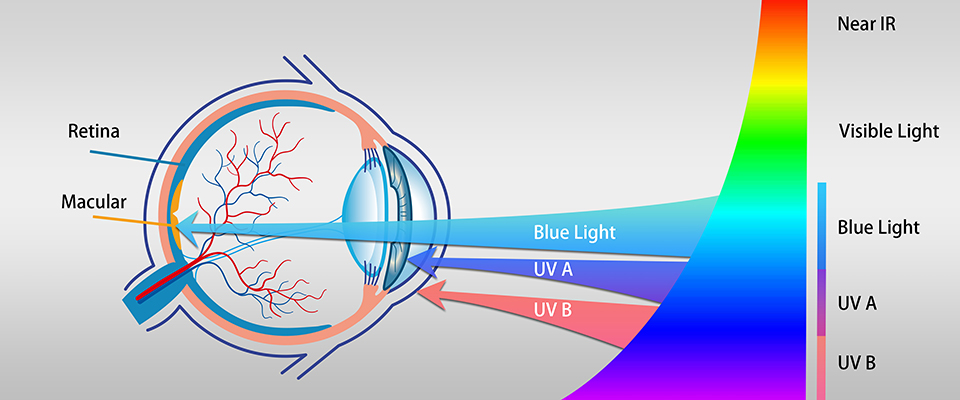
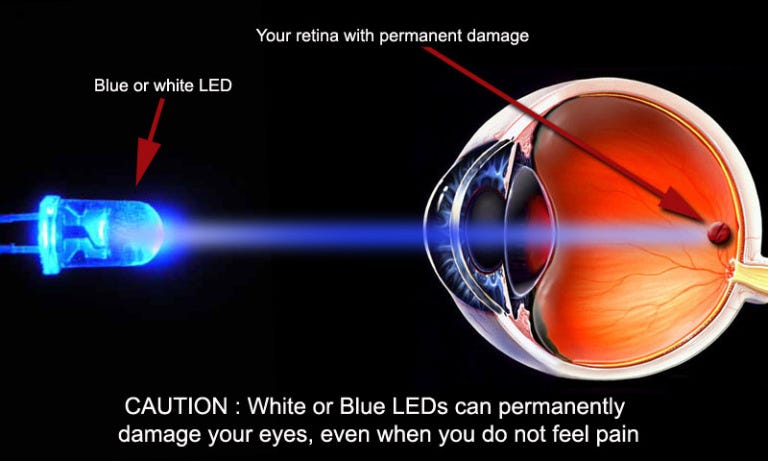
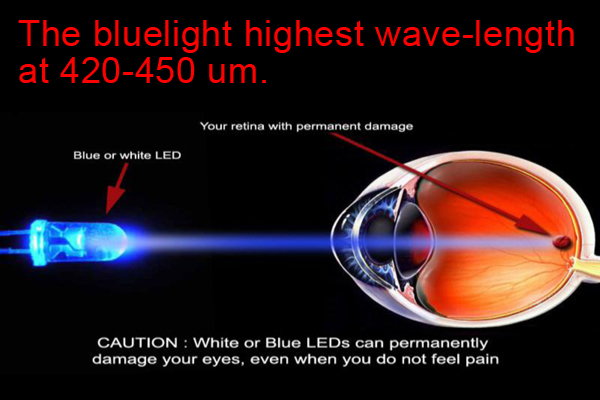
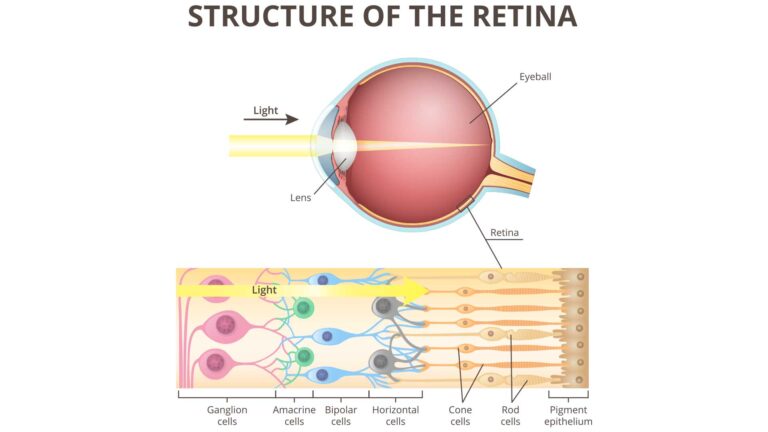
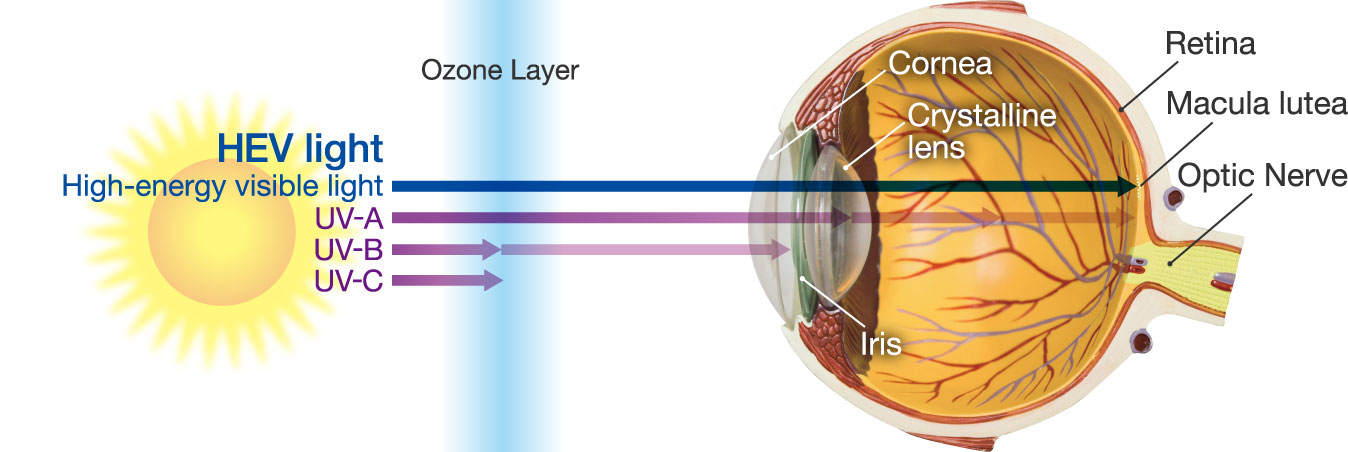
Blue light, with its high energy and short wavelength, can cause irreversible photochemical damage to eye tissue, particularly the retina. This damage can lead to a range of issues, including oxidative stress, mitochondrial apoptosis, and DNA damage. The retina's differential sensitivity to blue light, largely due to the high concentration of short-wavelength cones, makes it more vulnerable to phototoxic effects from concentrated light exposure.
The Risks of Blue Light Exposure to Retinal Health
Research has shown that blue light exposure can lead to a range of vision problems, including:
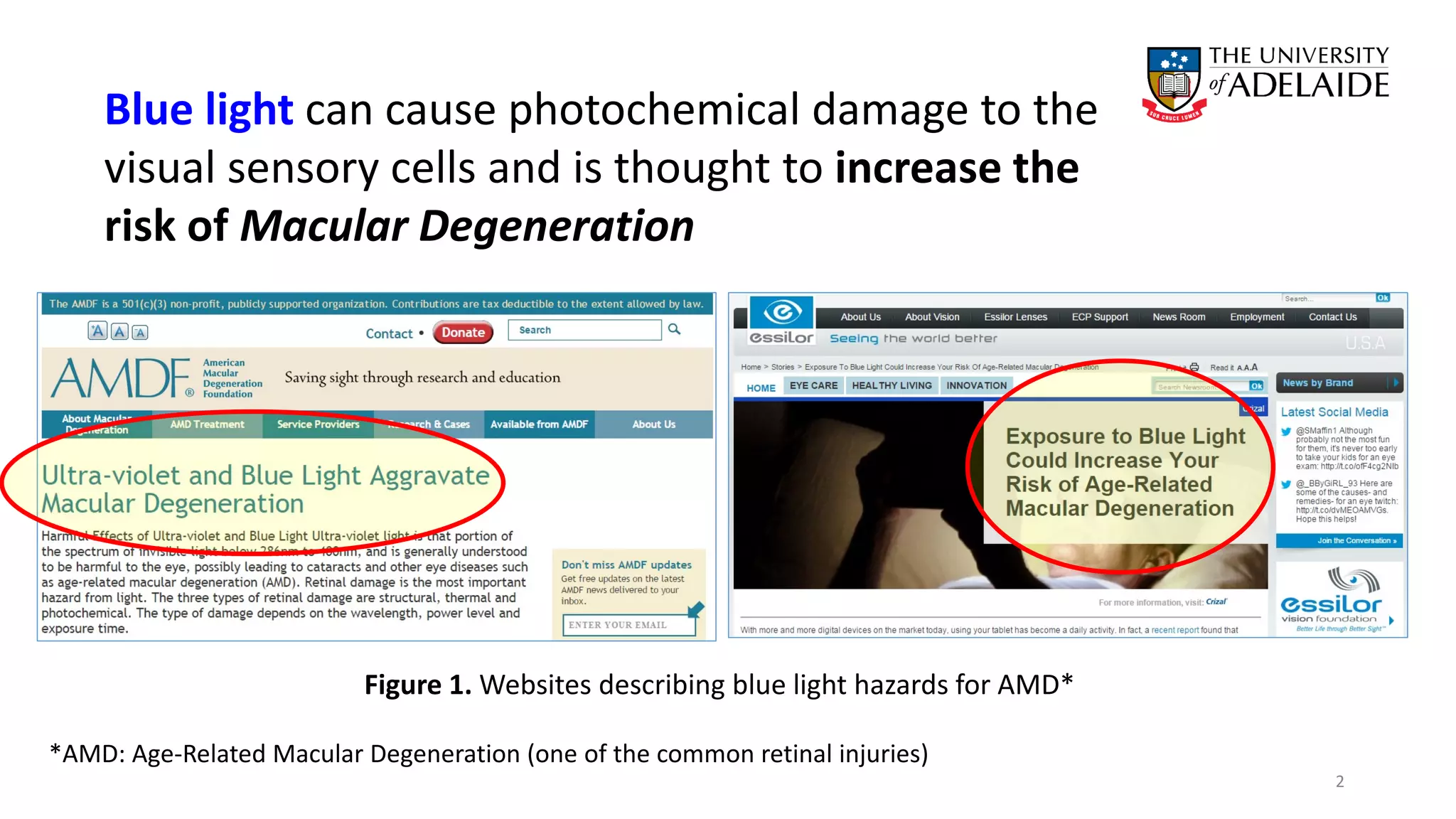
- Macular degeneration: a disease of the retina that can lead to permanent vision loss.
- Photopsia: a visual disturbance characterized by seeing flashes of light.
- Blurred vision and dry eyes.
- Lens damage and cataracts.
Prevention Measures for Blue Light-Induced Retinal Damage
While the risks of blue light exposure to retinal health are well-documented, there are steps you can take to reduce your risk:

-
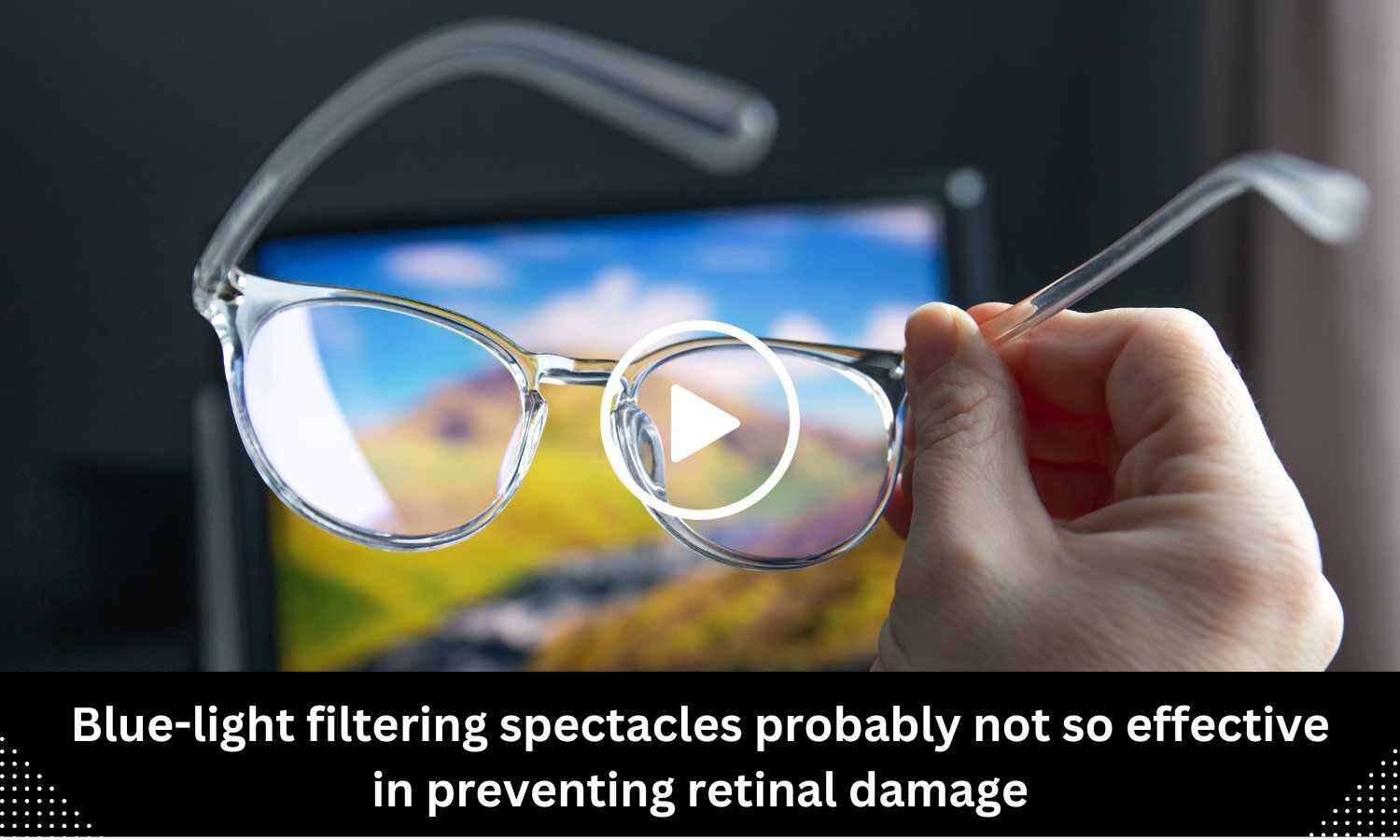
Use Blue Light Filtering Glasses or Screen Protectors
Approved by ophthalmologists and optometrists, blue light filtering glasses and screen protectors can block 90% of blue light emission from digital devices.
-
Limit Screen Time
The less time you spend in front of screens, the less exposure to blue light.
-
Follow the 20-20-20 Rule
Every 20 minutes, shift your gaze to an object 20 feet away for 20 seconds. This can help reduce eye strain.
-
Adjust Display Settings
Lower the brightness and adjust the color temperature of your screens to reduce blue light emission.
Supplements for Retinal Health
While the prevention measures above are essential, supplements can also help support retinal health:
-
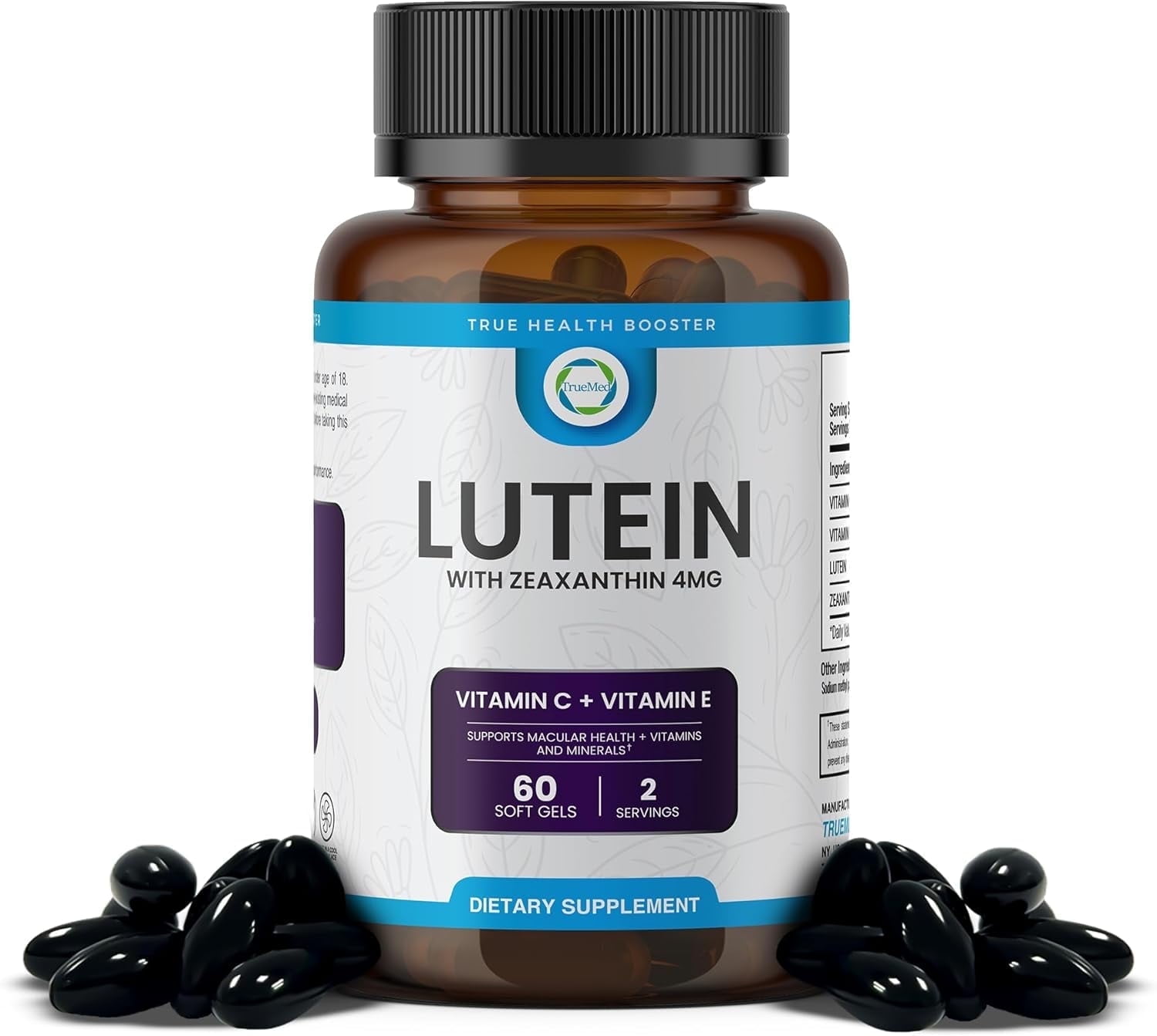
Lutein and Zeaxanthin
These carotenoids act as natural blue light filters and antioxidants, protecting retinal tissue from photo-oxidative damage.
-
Zinc
Essential for enzyme function and cellular repair in the retina.
-
Omega-3 Rich Flaxseed Oil
Supports retinal health and vision by reducing inflammation and promoting cellular repair.
Conclusion
Blue light exposure to artificial sources is a growing concern for retinal health. By understanding the risks and taking preventive measures, you can reduce your exposure to blue light and protect your retinal health.
References
- Jun 5, 2025, "Current research suggests long-term exposure to artificial blue light from phones, tablets, computers and LED lights may harm your eyes and vision." (Source: Oncomet)
- Background: Blue light, a high-energy visible light emitted by digital screens and LED lighting, has gained attention for its potential effects on retinal health and visual function.
- February 28, 2026, "Explore how glasses that block blue light from computer screens affect eye strain, sleep quality, headaches, and long-term eye health." (Source: Health-Line)
- Aug 28, 2025, "We tested over 20 pairs of glasses for more than 300 hours to find the best blue light glasses for reducing eye strain, improving comfort, and protecting your eyes during screen time." (Source: Technology Review)