Secure My Home Network: A Comprehensive Guide to Protect Your Home Network
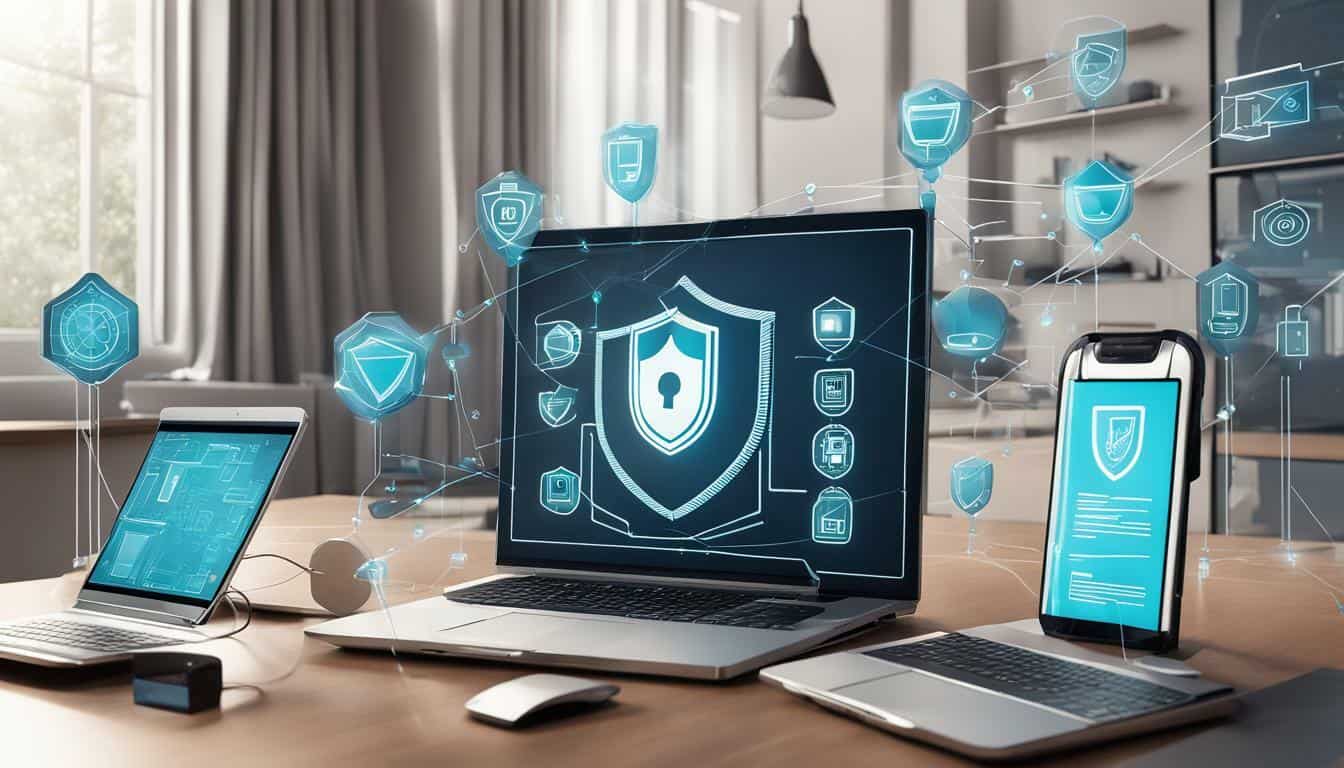
As we increasingly rely on our devices to connect to the internet, securing my home network has become more important than ever. A hacked home network can expose your personal data, compromise your security, and put your family's information at risk. In this article, we'll walk you through the steps to master the art of network security and create a strong and secure home network.
Why Secure My Home Network?
With the rise of IoT devices, smart home automation, and online gaming, your home network has become a playground for hackers to steal your sensitive information. Cyber threats are increasingly sophisticated, and a single vulnerability can snowball into a full-blown security disaster. By securing your home network, you'll reduce the risk of cyber threats and protect your personal data.
Wired vs. Wireless Networks
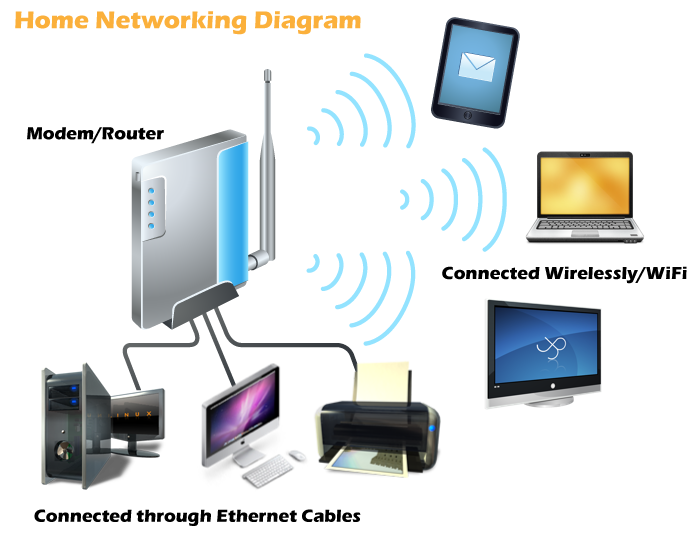
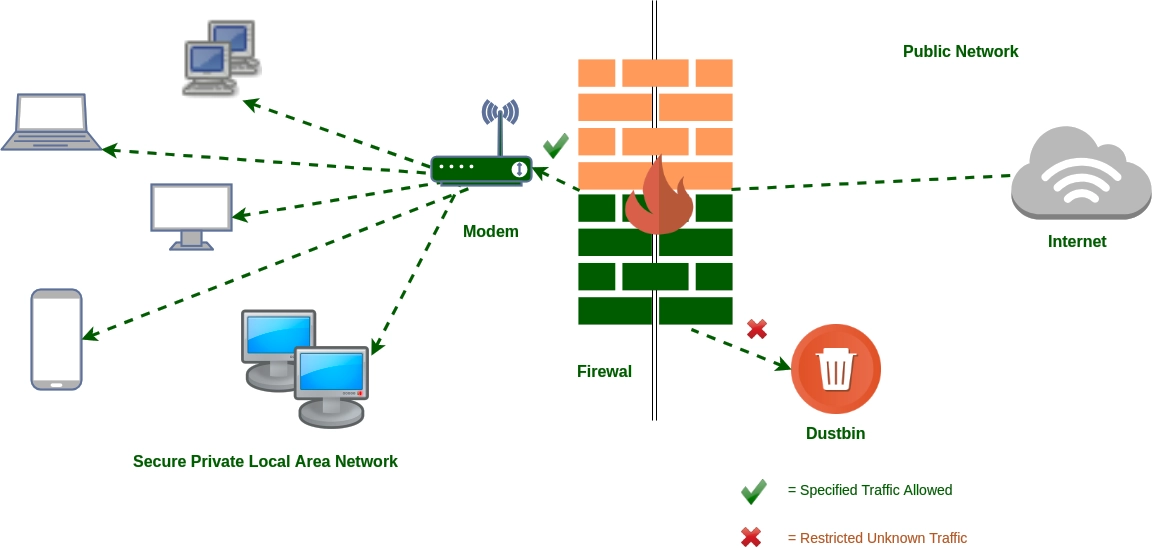
Before we dive into the nitty-gritty of securing my home network, it's essential to understand the different types of home networks. A wired network connects devices using cables, making it more secure as it's harder to hack into. On the other hand, a wireless network uses Wi-Fi signals to connect devices, making it more vulnerable to cyber threats. Most homes use a mix of both wired and wireless networks, making it crucial to secure both.
Secure Passwords: The First Line of Defense
One of the most critical steps to securing my home network is creating secure passwords. Weak passwords can be easily guessed by hackers, allowing them to access your entire network. To secure your router's admin interface, use a strong and unique password. Consider using a passphrase with mismatched complexity, as they're harder to crack. Regularly update your passwords and keep them confidential.
Router Security: Secure Your Wi-Fi Network
Enabling network encryption is another essential step in securing my home network. Configure your router to use WPA3, the latest encryption protocol, to protect your Wi-Fi network. WPA3 is more secure than its predecessors, making it harder for hackers to crack your passwords. Additionally, change your Wi-Fi default settings to keep your network anonymous.

Segment Your Devices
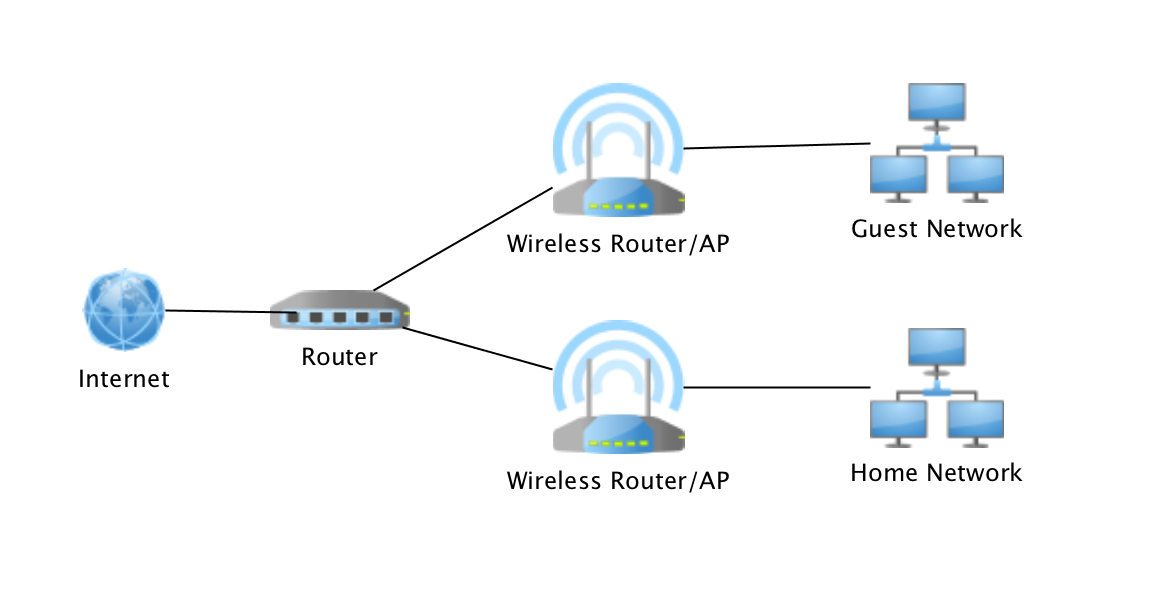
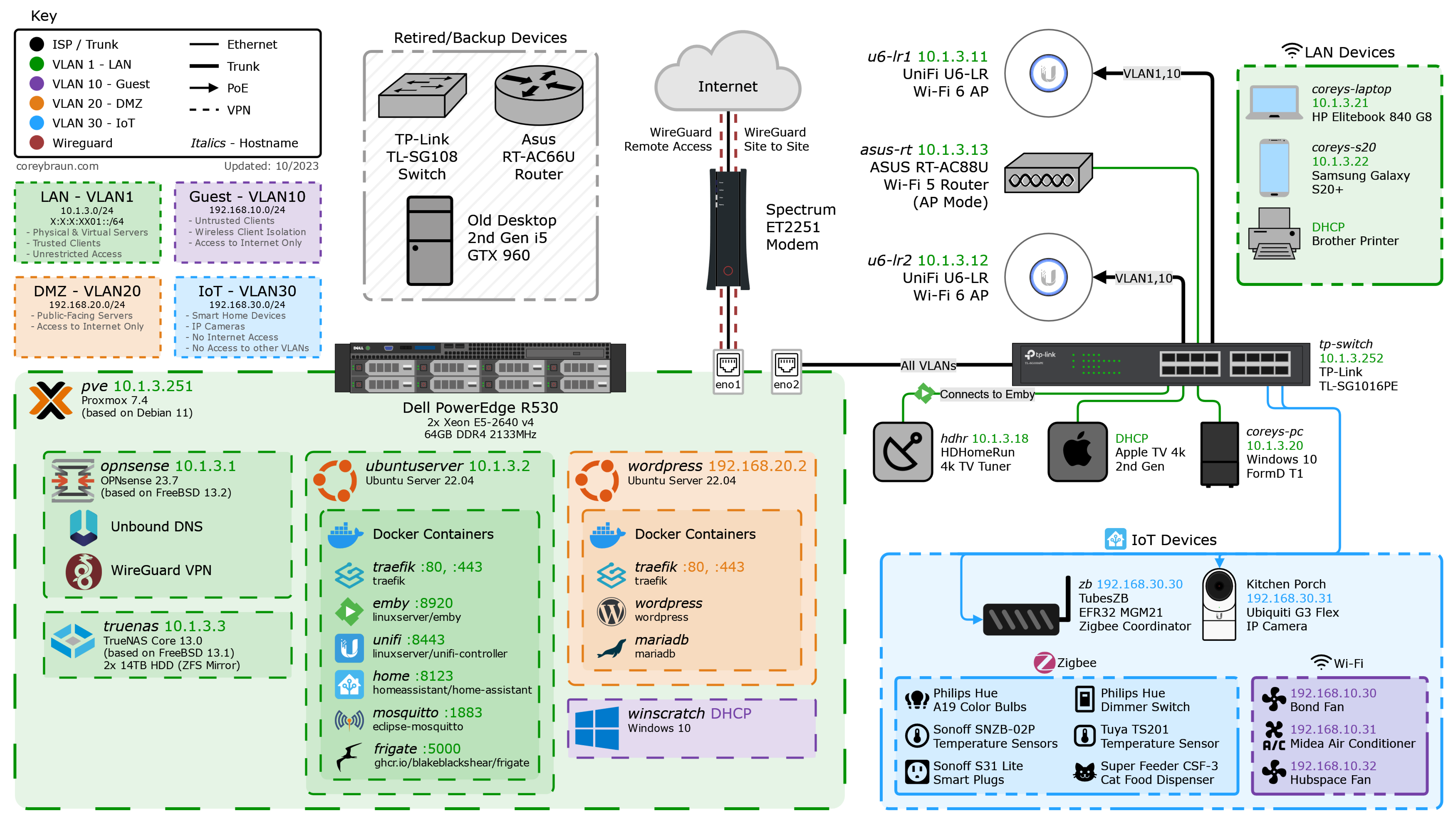
With an increasing number of devices connected to our home networks, segmenting them is crucial. Divide your network into separate segments to prevent unauthorized access. Create separate networks for guests, IoT devices, and other critical devices. This isolates potential vulnerabilities, preventing a single breach from impacting your entire network.
Regular Updates and Antivirus Software
Keeping your software up-to-date is another vital step in securing my home network. Regularly update your router's firmware, operating system, and all connected devices. This ensures you have the latest security patches and features, making it harder for hackers to exploit vulnerabilities. Activate Windows Defender on your devices and scans for malware regularly to detect and eliminate any potential threats.
Continuous Monitoring and Maintenance
Monitoring your network regularly is essential to detect potential security breaches. Set up alerts and notifications to inform you of unusual activity, such as unknown network connections. Change your router's settings seasonally to prevent obsolescence and perform a power cycle every few months to clear the cache.
Secure My Home Network: Conclusion
Securing my home network is a continuous process that requires dedication and vigilance. By following the steps outlined in this article, you'll create a secure environment for your devices and protect your family's information. Regularly monitoring and maintaining your network, along with using strong passwords, enabling network encryption, segmenting devices, and keeping software up-to-date, will significantly reduce the risk of cyber threats. Remember, securing my home network is an ongoing battle against cybercrime, and with the right strategies and tools, you can protect your home network and keep your family safe.