Understanding Endless Scrolling Relapse: A Guide to Reclaiming Your Time and Mental Health
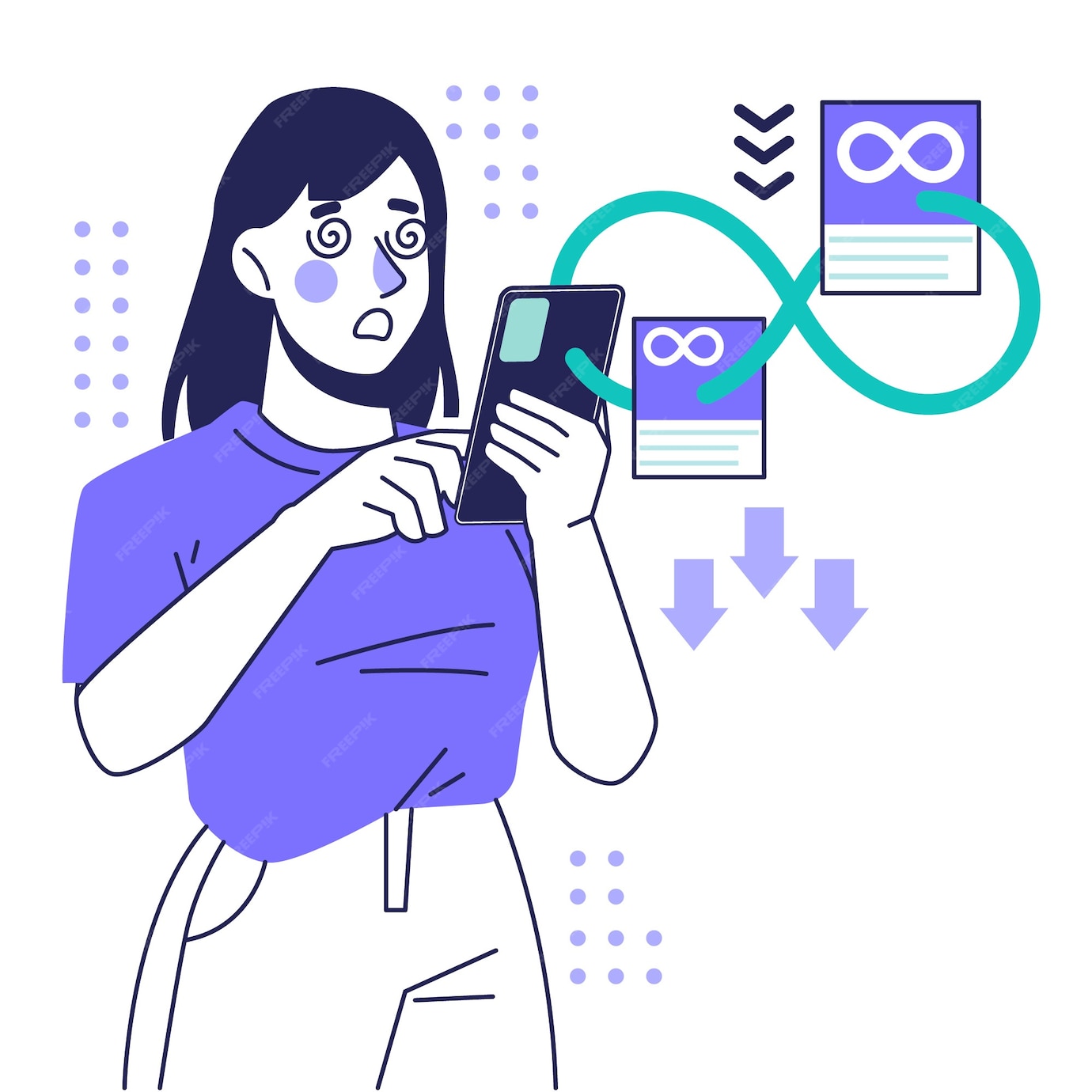
Are you tired of feeling trapped in an endless loop of scrolling through social media, news websites, or online content? Do you find yourself constantly seeking out new information, only to feel anxious, angry, or disheartened after a few minutes of scrolling? If so, you're not alone. Endless scrolling relapse is a common phenomenon that can have negative effects on our mental health, attention, and focus. In this article, we'll explore the psychology behind endless scrolling, its impact on our well-being, and provide strategies for breaking the habit and reclaiming your time.
The Psychology Behind Endless Scrolling Relapse
Endless scrolling relapse is a complex issue that involves multiple psychological factors. One of the primary reasons we get hooked on endless scrolling is the instant gratification provided by discovering new information. This triggers the release of dopamine, a neurotransmitter that plays a key role in the brain's reward system. As we continue to scroll, our brain is constantly seeking out new information, which creates a cycle of seeking and reward.
Key Takeaways:
- Endless scrolling can lead to addiction and have negative effects on the brain's reward system.
- Dopamine plays a key role in the addictive nature of endless scrolling, creating a cycle of seeking and reward.
- Endless scrolling can impact attention and focus, leading to decreased productivity and cognitive function.
The Dark Side of Infinite Scroll
The infinite scroll feature, which loads content continuously as the user scrolls down, is a design approach that can exacerbate doomscrolling. This feature removes natural stopping points, making it difficult for users to pause and take a break. Social media algorithms are designed to increase engagement by showing users more of the content they're engaging with, which can lead to a powerful feedback loop that keeps users scrolling.

Why is Endless Scrolling So Addictive?
Endless scrolling exploits psychological vulnerabilities through variable rewards – you never know what you'll find next, triggering dopamine release. It's designed to be endless, removing natural stopping points. The combination of infinite content, social validation (likes/comments), and FOMO creates a powerful feedback loop that keeps users engaged.
Breaking the Habit: Strategies for Reclaiming Your Time and Mental Health
Breaking the habit of endless scrolling requires a combination of understanding the psychological triggers and adopting practical strategies. Here are some tips to help you get started:
- Set limits: Set a timer or a specific time limit for scrolling, and stick to it.
- Use website blockers: Tools like Freedom, SelfControl, or StayFocusd can block distracting websites or apps during certain times of the day.
- Find alternative activities: Replace scrolling with other activities that bring you joy and fulfillment, such as exercise, reading, or hobbies.
- Practice mindfulness: Be mindful of your scrolling habits and take breaks to reflect on your thoughts and feelings.
Conclusion
Endless scrolling relapse is a common phenomenon that can have negative effects on our mental health, attention, and focus. By understanding the psychological triggers and adopting practical strategies, we can break the habit and reclaim our time. Remember, it's not about completely eliminating scrolling from our lives, but about being mindful of our habits and taking control of our digital lives.