Is Sushi Bad for Pregnant Women?
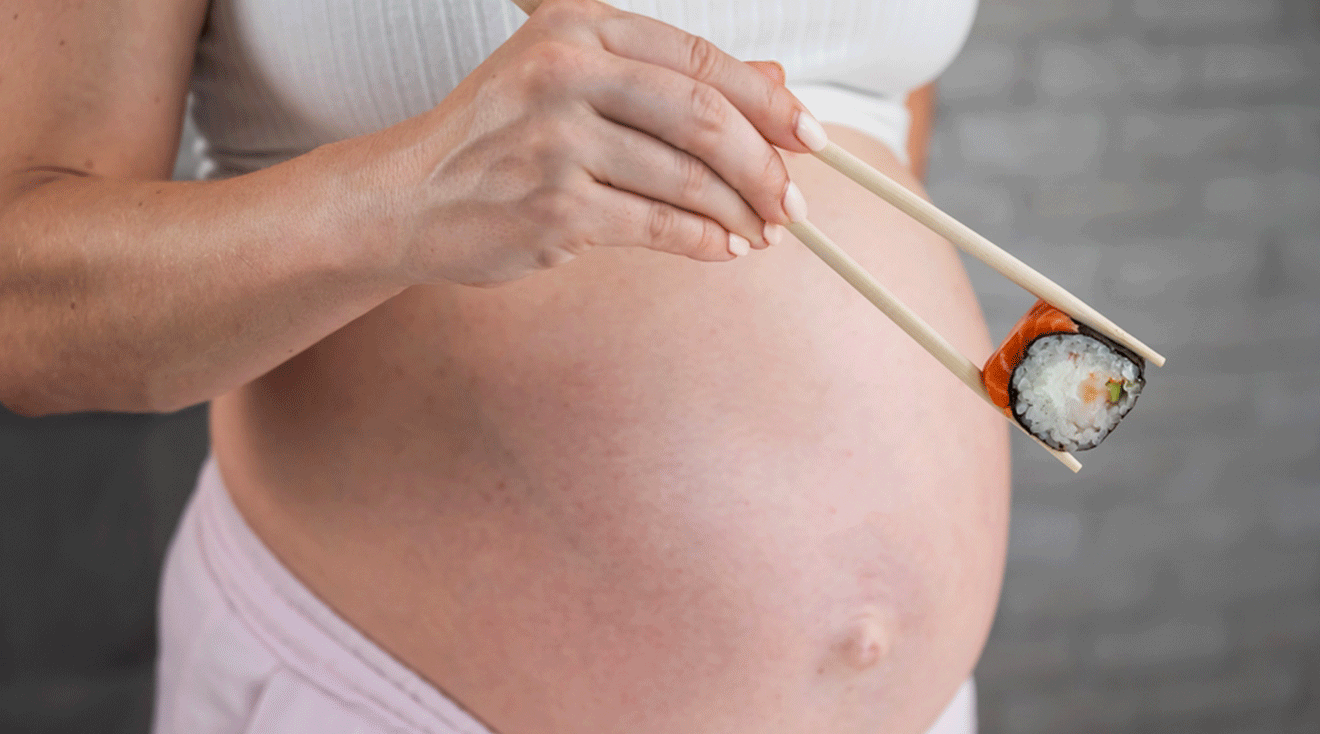
When you're expecting, it's natural to wonder about the foods you can and can't eat. While many popular dishes are off-limits during pregnancy, sushi is a bit of a gray area. Can pregnant women enjoy sushi safely? Let's dive into the world of sushi and explore the potential risks and benefits for expecting mothers.
The Raw Fish Issue
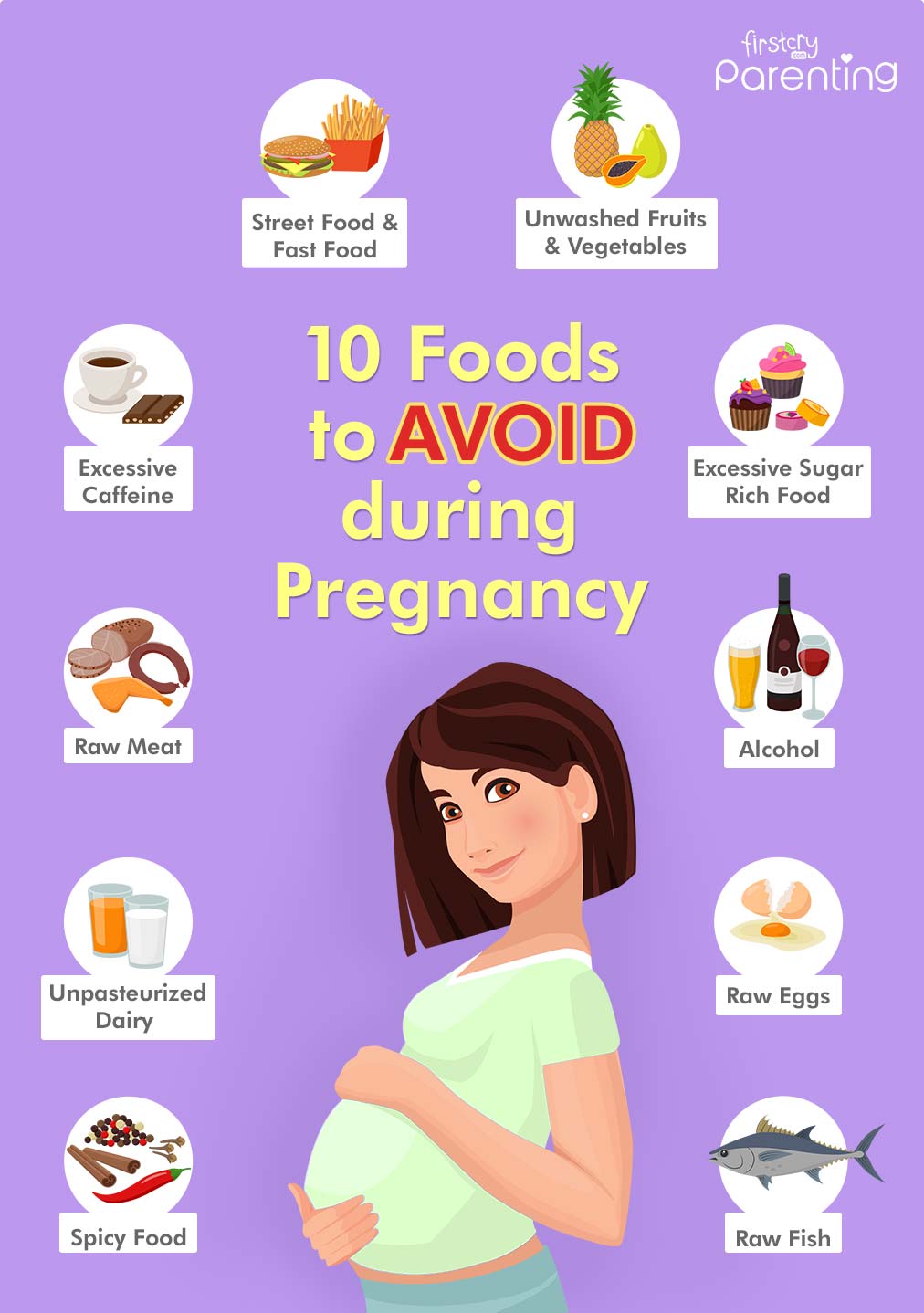
The biggest concern with eating sushi during pregnancy is the risk of raw fish. Raw or undercooked fish can contain listeria, mercury, and other contaminants that can be harmful to a developing fetus. These risks increase during pregnancy as a pregnant woman's immune system may be compromised.
- Raw or undercooked fish can contain listeria, a bacteria that can cause serious illness in pregnant women.
- Mercury is a toxic substance that can harm a developing fetus's nervous system.
- Other contaminants, such as parasites, can also be present in raw or undercooked fish.
The Risks of High Mercury Levels
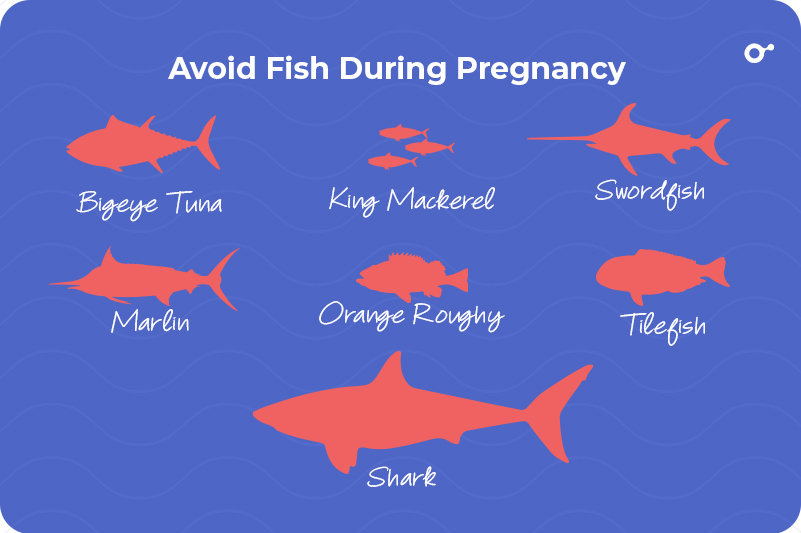
High mercury levels in certain types of fish, such as tuna, swordfish, or other tropical fish, can affect a baby's developing nervous system if eaten in large amounts. Pregnant women should avoid these types of fish altogether.
Safe Sushi Choices for Expecting Mothers
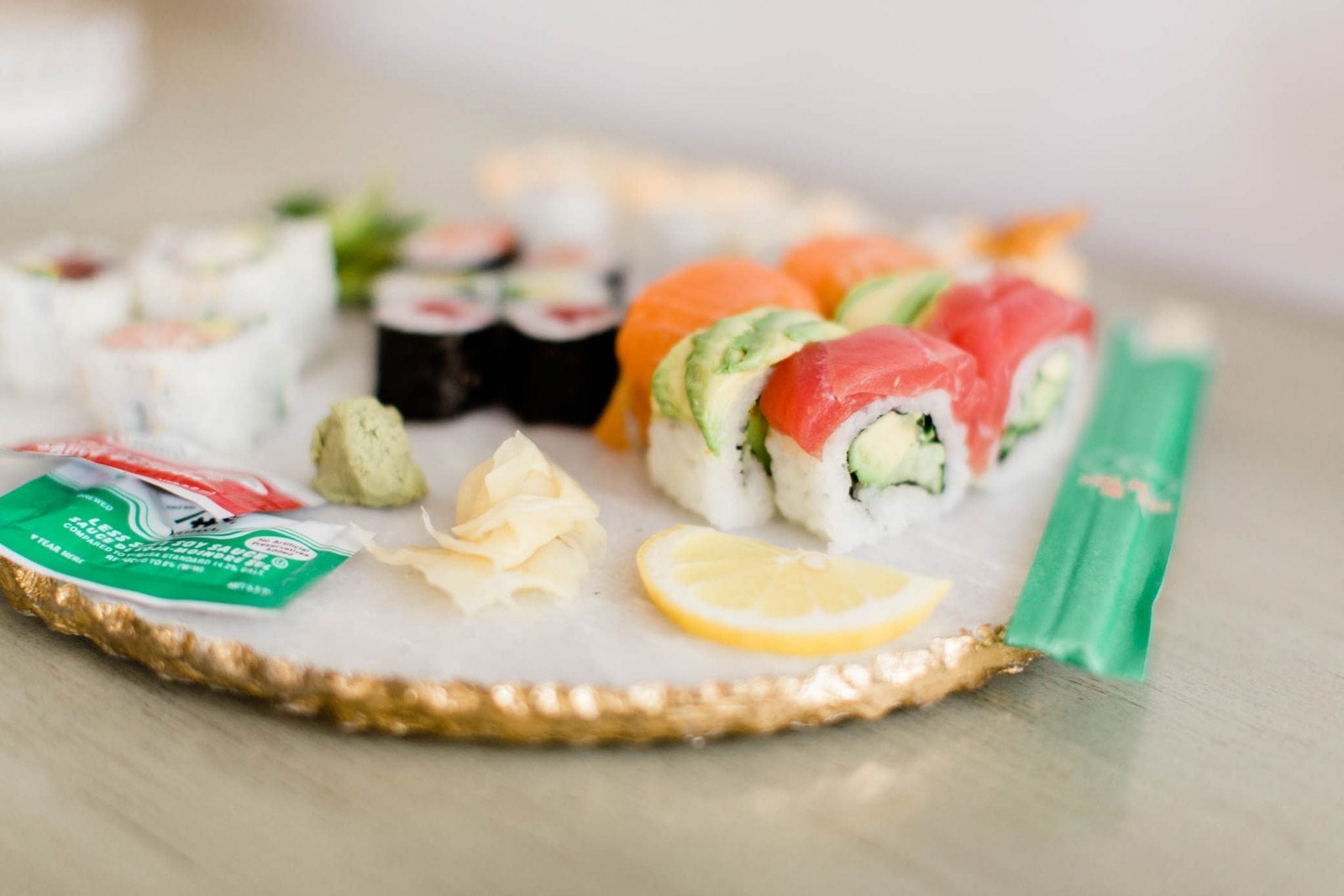
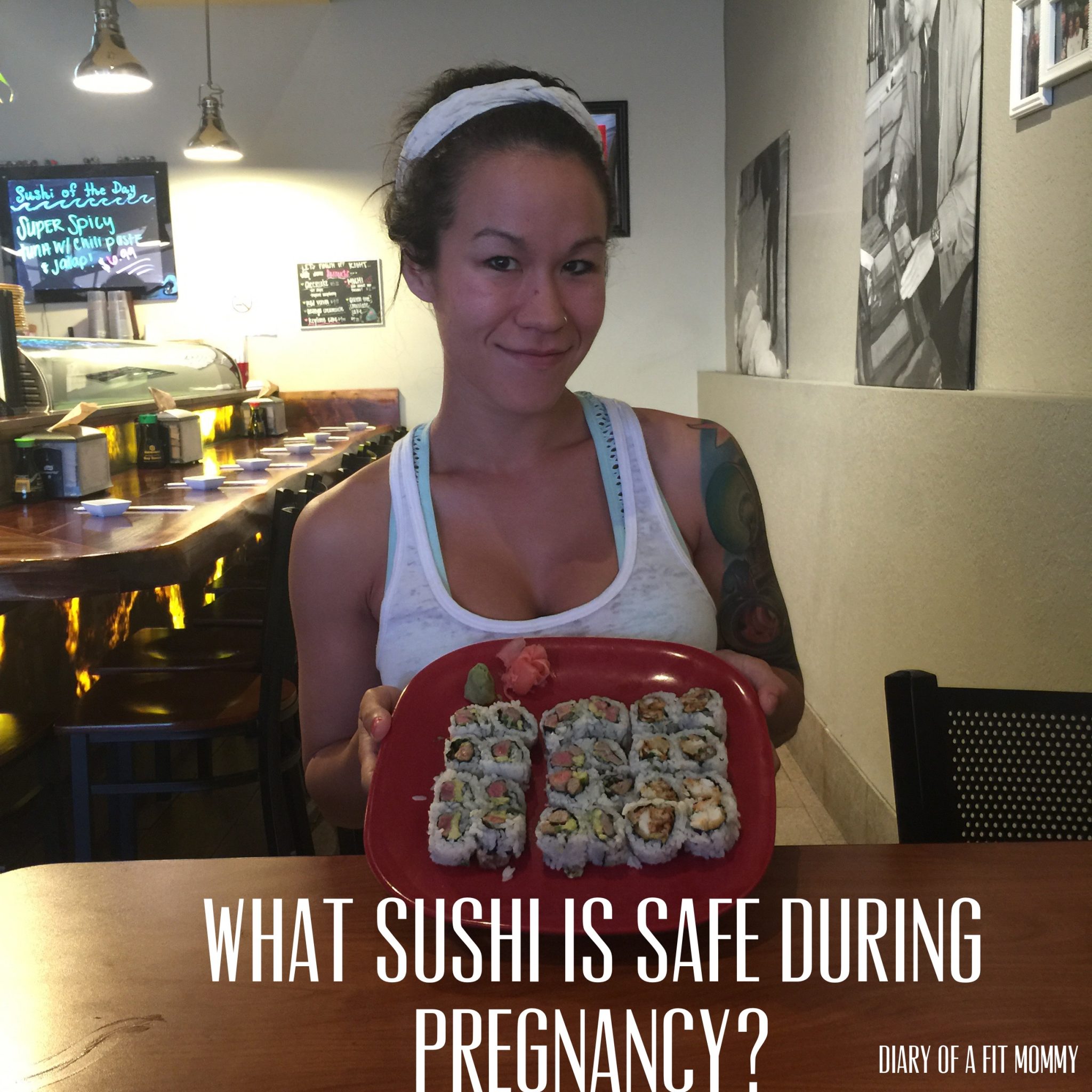
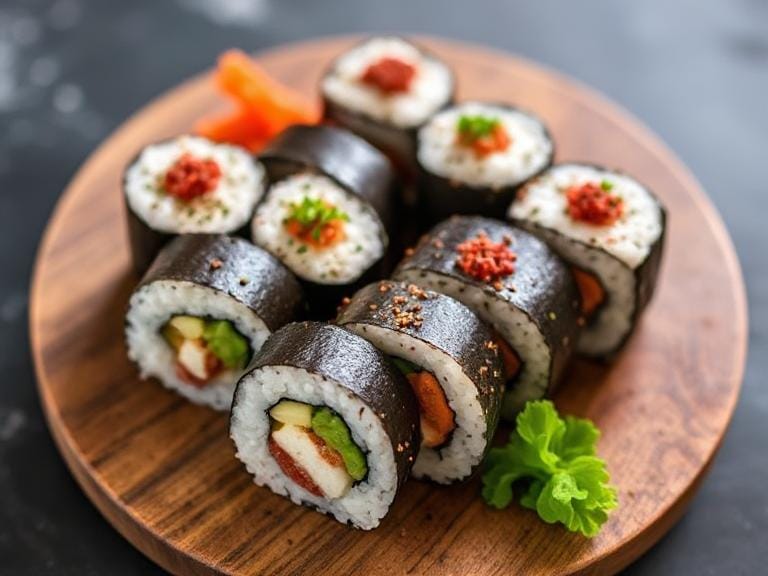
While it's best to avoid raw fish, there are still some sushi options that are safe for pregnant women to enjoy. Look for sushi made with thoroughly cooked fish and shellfish, or made with cooked egg or vegetables. Some safe options include:

- Shrimp tempura
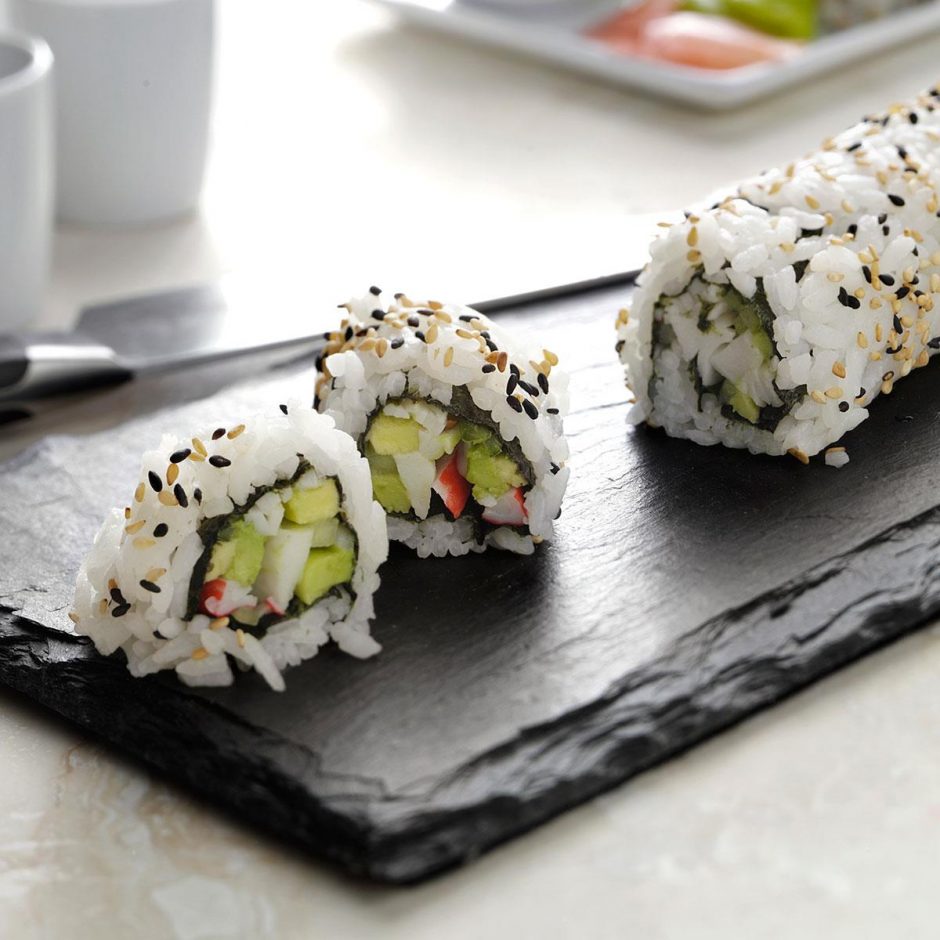
- Vegetarian sushi (rolls with avocado, cucumber, or carrot)
- Rice-based sushi without fish or seafood
Expert Advice
According to the FDA and EPA, pregnant women should exercise caution when consuming fish and shellfish. The guidelines recommend avoiding high-mercury fish and opting for low-mercury options instead. Pregnant women should also check the cooking temperature of their sushi to ensure it reaches a safe minimum internal temperature of 145°F (63°C).
Precautions and Preparing Sushi for Pregnancy
To enjoy sushi safely during pregnancy, follow these tips:
- Choose sushi with thoroughly cooked fish and shellfish.
- Opt for low-mercury fish, such as salmon, pollock, or shrimp.
- Avoid sushi with raw or undercooked fish, including sashimi and rare tuna.
- Check the cooking temperature of your sushi to ensure it reaches a safe minimum internal temperature.
- Consult with a healthcare provider or registered dietitian for personalized advice.
Conclusion
While sushi may seem like a forbidden food during pregnancy, it's not necessarily a bad choice. By understanding the potential risks and benefits, pregnant women can make informed choices when it comes to sushi consumption. Look for safe options, prepare sushi with caution, and always consult with a healthcare provider or registered dietitian for personalized advice.