Understanding the Risks of LED Blue Light Exposure
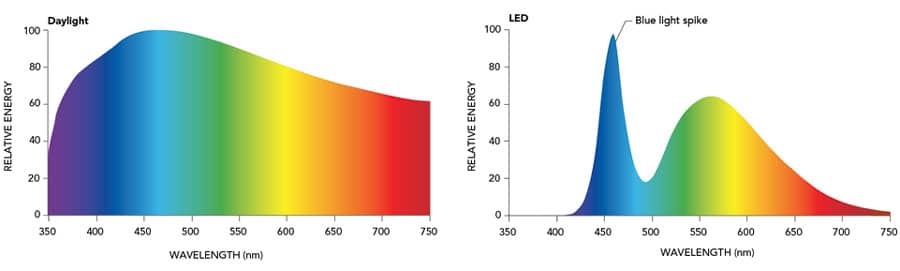
Exposure to blue light has seriously increased in our environment since the arrival of light-emitting diodes (LEDs) and, in recent years, the proliferation of digital devices rich in blue light. This raises some questions about its potential deleterious effects on eye health and overall well-being.
The Physics Behind LED Blue Light
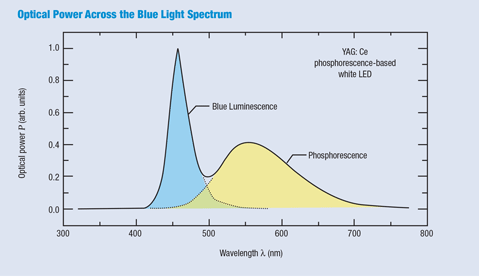
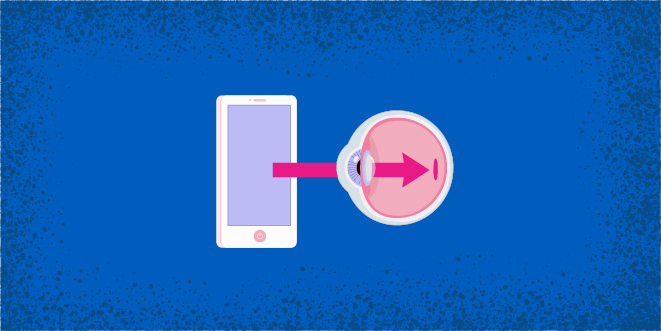
LEDs emit a high-energy, short-wavelength light that can penetrate all the way to the retina, the inner lining at the back of the eye. This can lead to photochemical reactions in certain sensitive pigments, causing potential damage to the eyes and vision.
The Risks of LED Blue Light Exposure
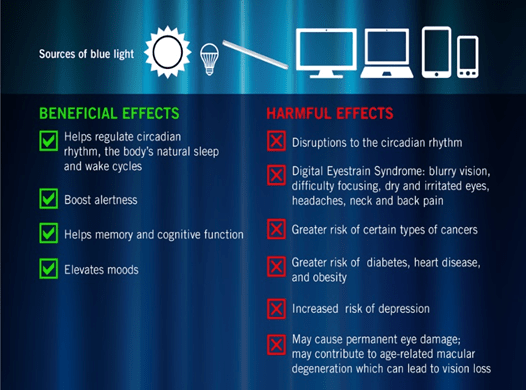
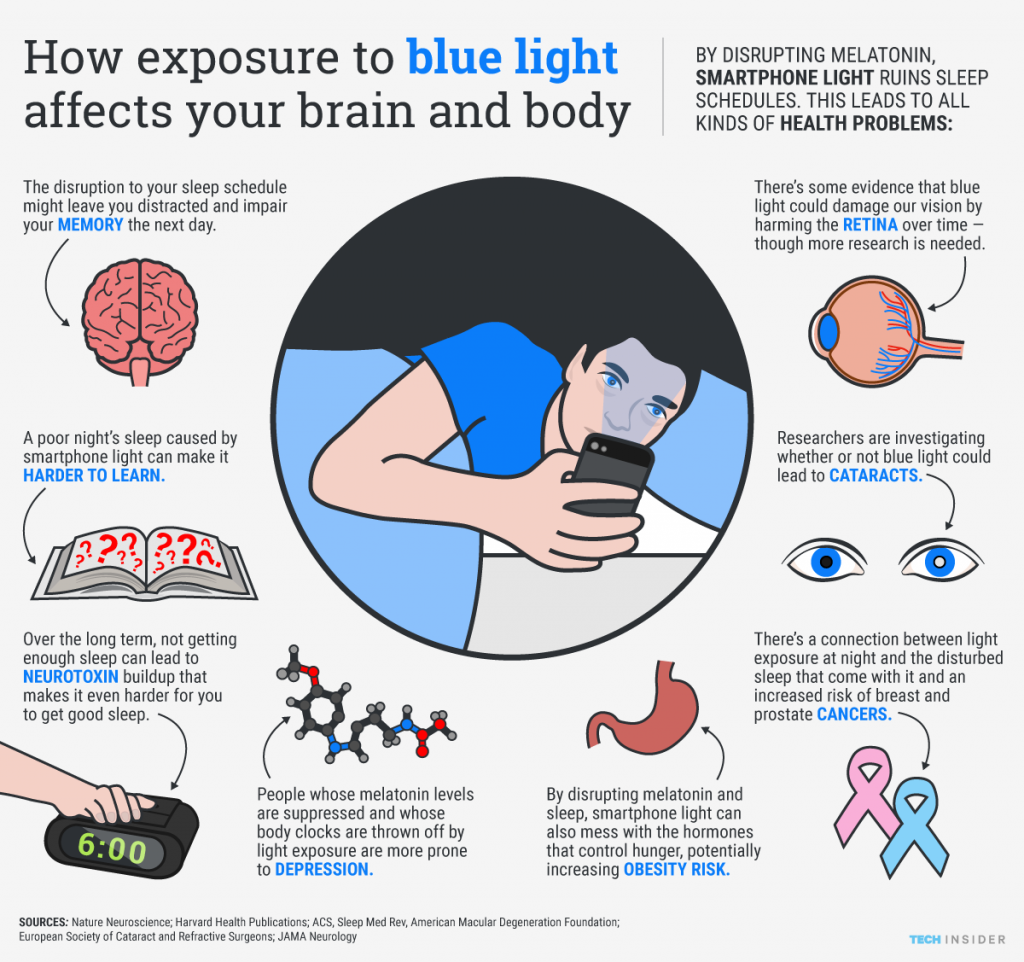
- Increased risk of eye strain and fatigue
- Possibility of age-related macular degeneration
- Disrupted circadian rhythms and sleep patterns
- Impaired glucose regulation and increased risk of diabetes
- Increased risk of premature aging, including wrinkles and dark circles
Factors that Increase LED Blue Light Exposure
The widespread use of digital devices, such as smartphones, tablets, and computers, as well as the increasing popularity of LED lighting in homes and public spaces, have all contributed to increased exposure to blue light.
Protecting Yourself from LED Blue Light Exposure
- Use blue light filtering glasses or software
- Adjust the display settings on your digital devices to reduce blue light emission
- Use LED bulbs with reduced blue light emission
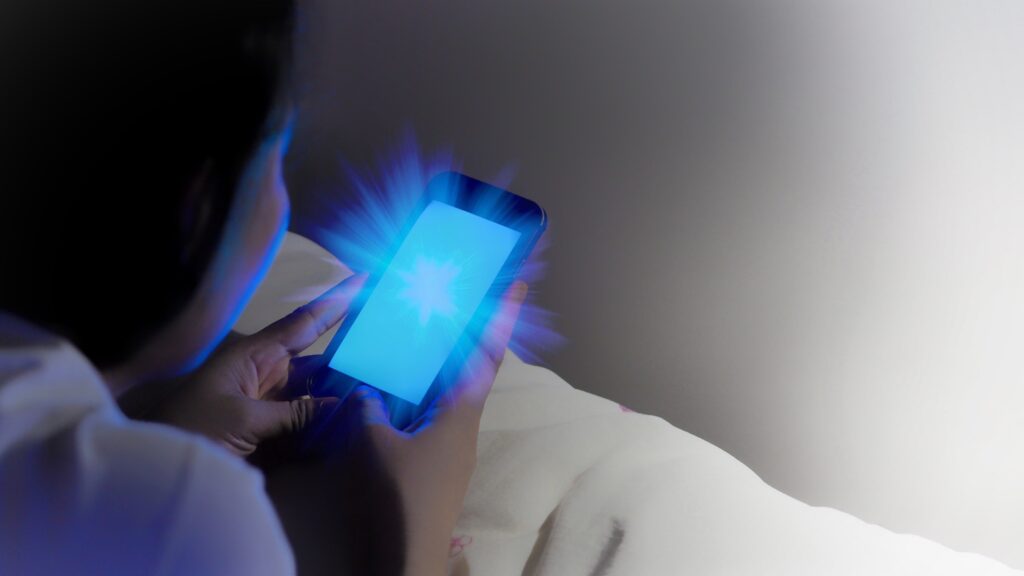
- Limit screen time, especially before bedtime
- Practice good eye care habits, such as taking regular breaks and getting regular eye exams
The Importance of Understanding LED Blue Light Exposure
As our reliance on digital devices and LED lighting continues to grow, it is essential to understand the potential risks of LED blue light exposure and take steps to mitigate them. By being aware of the potential effects of blue light on our eye health and overall well-being, we can take proactive measures to protect ourselves and our loved ones.
Conclusion
LED blue light exposure is a growing concern that requires attention and action. By understanding the physics behind LED blue light, the risks associated with its exposure, and the factors that increase exposure, we can take steps to protect ourselves and our loved ones. By making informed choices and taking proactive measures, we can reduce the risks associated with LED blue light exposure and promote overall eye health and well-being.