Managing Chronic Digital Fatigue in Adults: A Comprehensive Guide
Do you often feel mentally drained after hours of staring at screens? Do excessive notifications and emails leave you feeling overwhelmed? You're not alone. Digital fatigue, a phenomenon exacerbated by our increasingly connected world, is a growing concern for adults worldwide.
Understanding Digital Burnout
Digital burnout occurs when excessive device use leads to mental, emotional, and physical exhaustion. People often experience irritability, fatigue, and a sense of being overwhelmed. Data shows that 32% of survey participants felt burdened by managing multiple devices (Deloitte, 2021). Understanding digital burnout starts with recognizing the triggers that contribute to this phenomenon.
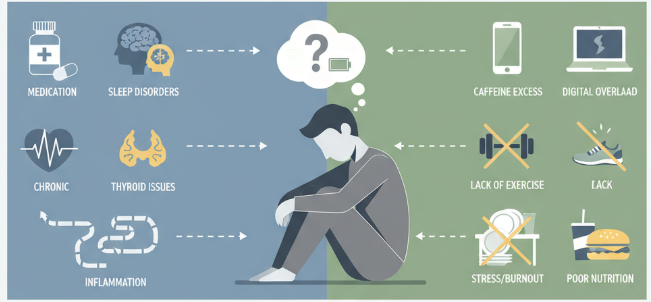
Common Causes of Digital Fatigue
- Inadequate sleep
- Poor nutrition
- High stress levels
- Underlying health conditions, including mental health disorders like depression and anxiety.
Recognizing these triggers is essential for individuals seeking to improve their mental health and reduce digital fatigue symptoms. But how can we effectively manage chronic digital fatigue in adults?
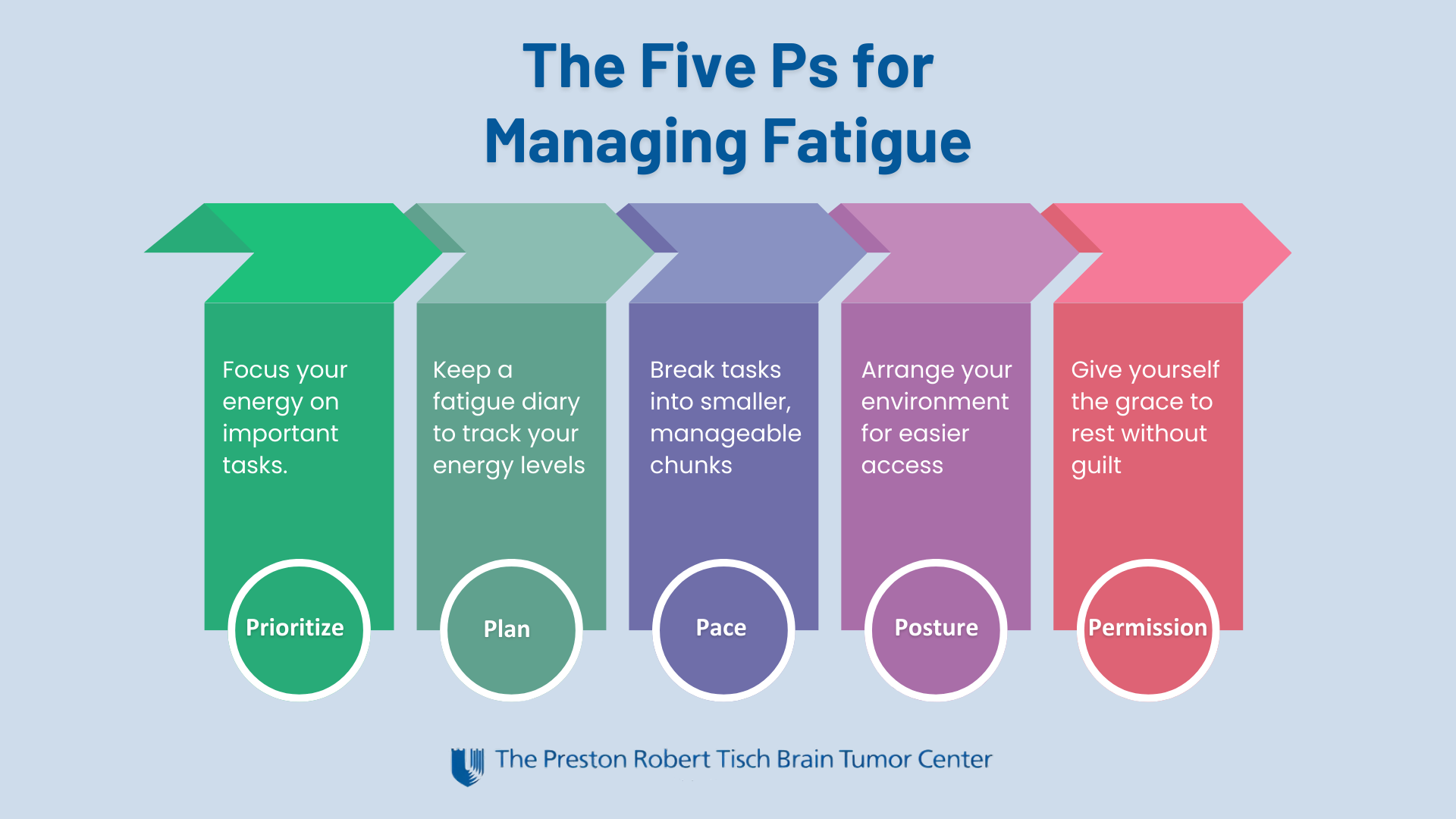
Strategies for Managing Chronic Digital Fatigue
1. Set Boundaries
Establish clear boundaries between your digital life and personal time. Set aside device-free hours or days to allow yourself to recharge.
2. Prioritize Self-Care
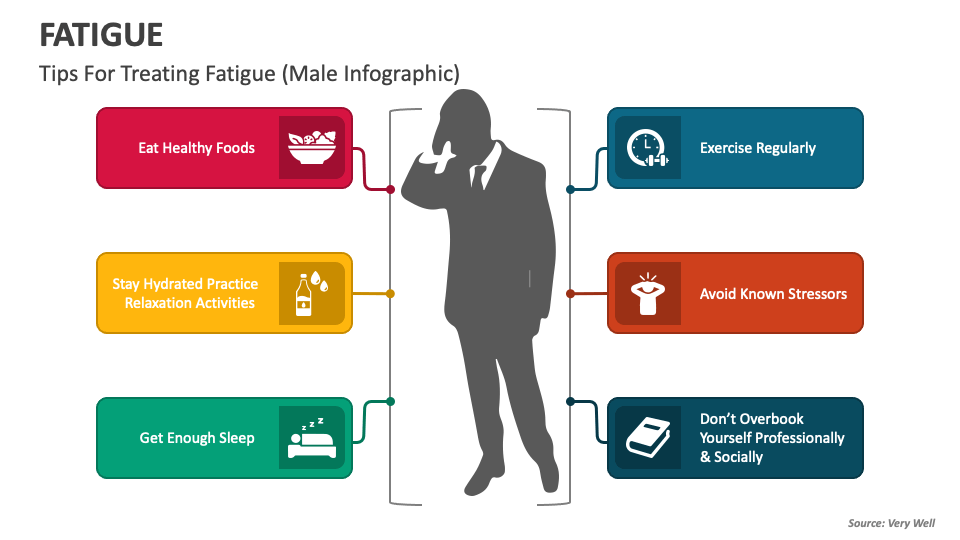
Engage in regular physical activity, practice stress-reducing techniques like meditation or yoga, and get enough sleep to mitigate digital fatigue symptoms.
3. Manage Device Use
Limits device use to specific tasks and periods. Use website blockers, app limitations, and scheduling tools to help you stay on track.

4. Seek Social Support
Connect with friends and family, join online communities or support groups, and engage in offline activities to reduce feelings of loneliness and isolation.
5. Stay Organized
Use productivity tools like to-do lists, calendars, and reminders to reduce digital clutter and stay on top of tasks.
Mind-Body Interventions for Digital Fatigue
Recent studies have explored the effectiveness of mind-body wellness techniques like yoga and cognitive-behavioral therapy (CBT) in managing fatigue across chronic physical conditions. These interventions offer an accessible management strategy for individuals experiencing digital fatigue.
App-Based Interventions for Digital Fatigue
Several apps and digital tools offer mental health interventions that provide self-management, monitoring, skills training, and other interventions that may improve mood and behavior. Research on the positive and negative brain health effects of technology is ongoing, but these tools offer a promising starting point for managing digital fatigue.
Conclusion
Managing chronic digital fatigue in adults requires a multi-faceted approach that incorporates strategies for boundary-setting, self-care, device use management, social support, and organizational skills. By implementing these techniques and leveraging innovative mind-body interventions, we can reclaim control over our digital lives and reduce the debilitating effects of digital fatigue.
References
- Deloitte (2021)
- Powell et al. (2020)
- Internet and mobile-based interventions for mind-body wellness (2021)
- Stress management tips (2024)
- Fatigue in adults: A comprehensive guide (2025)
- Chronic pain and fatigue in adulthood (2024)
- Depression in adults: Signs, symptoms, treatment, and resources (2025)
- Stress management for adults: 5 strategies for preventing long-term stress (2025)
- Fibromyalgia: Symptoms, triggers, and management strategies (2024)
- 88% of adults aged 65 and older have at least one chronic condition (2025)
- 88% of adults aged 65 and older have at least one chronic condition (2025)
- Information fatigue: How digital distractions reduce attention span (2025)
- Digital self-management interventions for individuals with neurological disorders: A systematic review (2024)
- Exploring fatigue and physical activity behavior experiences and management in adults with chronic conditions (2024)
By implementing these strategies and exploring innovative interventions, we can reduce the prevalence of digital fatigue and its crippling effects on adults worldwide.