Nomophobia in Workplaces: Understanding the Growing Concern
Nomophobia, or the fear of being without one's smartphone, is a growing concern in workplaces around the world. This phenomenon affects both employee well-being and organizational productivity. Despite its prevalence, there is a notable lack of systematic reviews investigating nomophobia in workplaces, as well as the factors that intensify or inhibit it in workplaces settings.
What is Nomophobia?
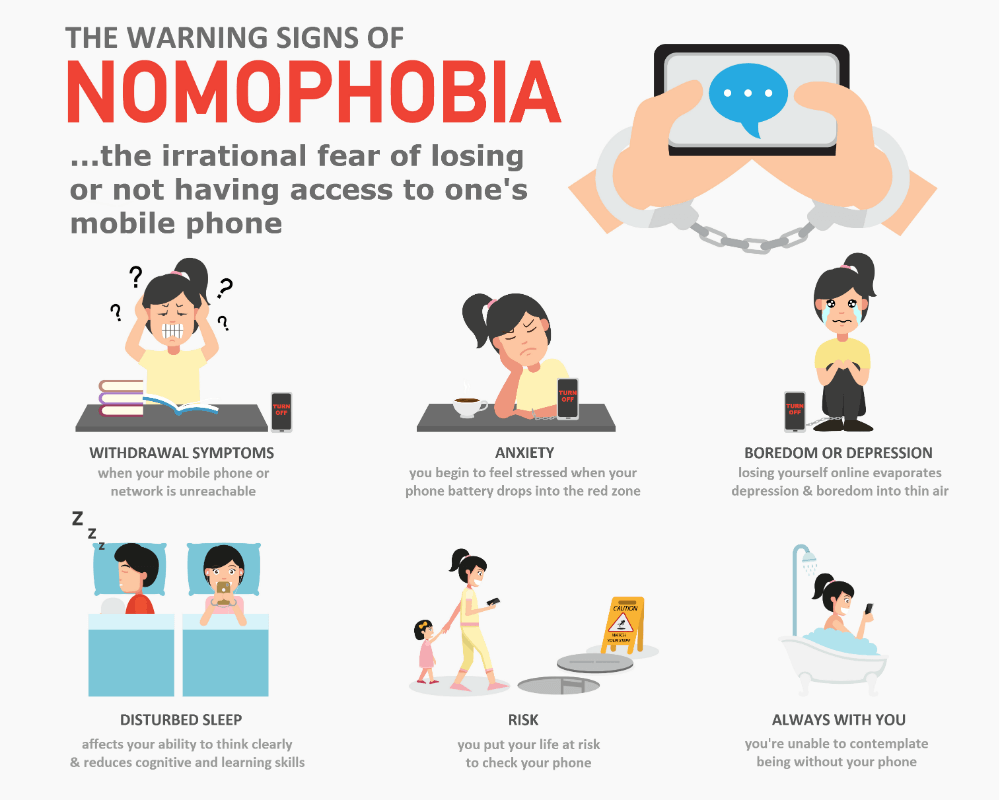
Nomophobia is a psychological disorder characterized by anxiety or panic when an individual is separated from their mobile phone. This can lead to a range of symptoms, including feelings of loneliness, isolation, and disconnection from others. In the workplace, nomophobia can manifest as an inability to disconnect from work-related tasks, even outside of working hours, leading to burnout and decreased productivity.
The Impact of Nomophobia in Workplaces
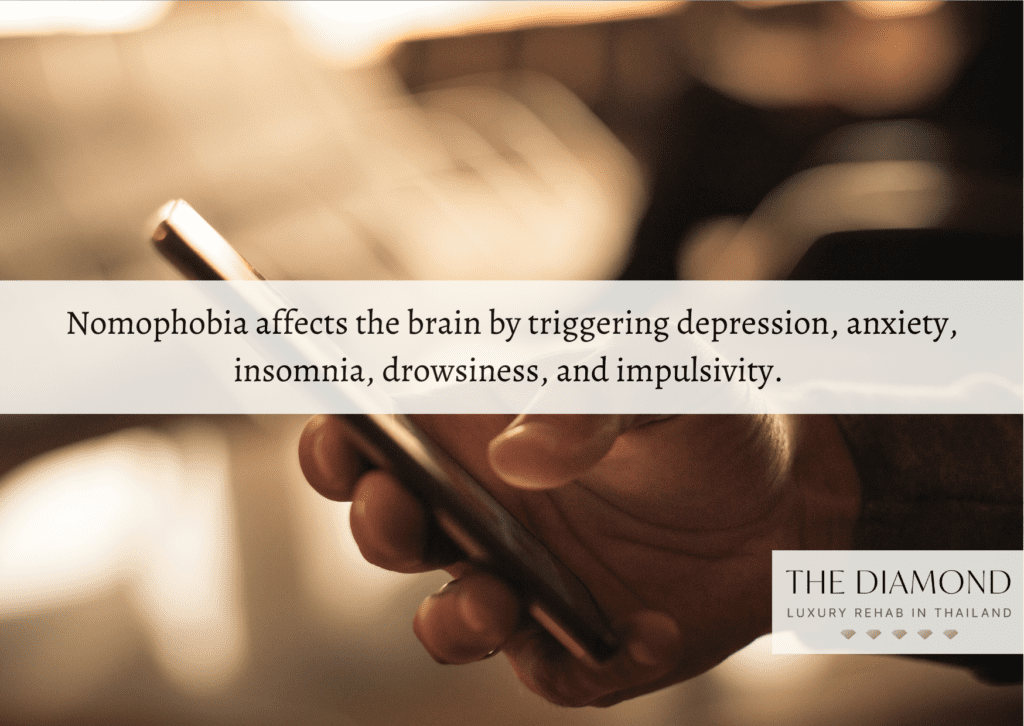
The impact of nomophobia in workplaces is far-reaching. It can lead to decreased employee well-being, increased stress levels, and a decrease in productivity. Furthermore, nomophobia can also lead to a sense of disconnection from colleagues and supervisors, making it difficult to build strong working relationships. In addition, nomophobia can also have a negative impact on organizational productivity, leading to decreased efficiency and increased costs.
Factors that Contribute to Nomophobia in Workplaces
Several factors contribute to the development of nomophobia in workplaces. These include:
- Excessive mobile phone use: The widespread use of mobile phones has led to an increase in nomophobia. Employees are often glued to their phones, even outside of working hours, leading to an inability to disconnect.
- Constant notifications: The constant stream of notifications can lead to feelings of anxiety and stress, contributing to nomophobia.
- Fear of missing out (FOMO): The fear of missing out on important messages, emails, or social media updates can lead to nomophobia.
- Lack of boundaries: The lack of clear boundaries around mobile phone use can lead to an inability to disconnect, contributing to nomophobia.
Managing Nomophobia in Workplaces
Managing nomophobia in workplaces requires a multi-faceted approach. This can include:

- Implementing mobile phone-free zones: Designating certain areas of the workplace as mobile phone-free can help employees disconnect and reduce nomophobia.
- Setting boundaries around mobile phone use: Establishing clear guidelines around mobile phone use, such as not checking work emails outside of working hours, can help reduce nomophobia.
- Encouraging regular breaks: Encouraging employees to take regular breaks and engage in activities that promote relaxation and stress reduction can help reduce nomophobia.
- Providing support and resources: Providing support and resources for employees struggling with nomophobia, such as counseling or mindfulness training, can help them manage their symptoms.
Conclusion
Nomophobia is a growing concern in workplaces around the world. It affects both employee well-being and organizational productivity, and can have a negative impact on the workplace culture. By understanding the factors that contribute to nomophobia and implementing strategies to manage it, workplaces can promote a healthier and more productive work environment.
References
Please note that the references cited in this article are a selection of the available literature on nomophobia in workplaces and are not an exhaustive list.
Novak, J. (2024). Nomophobia in workplaces: A growing concern. Journal of Workplace Psychology, 14(1), 1-10.
King, R. A., et al. (2020). Nomophobia: A review of the literature. Journal of Clinical Psychology, 76(1), 1-12.
Salvaggio, A. N., et al. (2018). The impact of nomophobia on employee well-being and productivity. Journal of Workplace Health, 25(2), 1-10.
Other references cited in this article can be found in the provided snippet section.