Managing Continuous Partial Attention in a Busy Work Environment
In today's fast-paced and technology-driven world, managing continuous partial attention has become a significant challenge for many professionals. Continuous partial attention (CPA) refers to the state of being constantly connected and attentive to multiple sources of information, leading to a fragmented and superficial engagement with each task. This phenomenon can have detrimental effects on an individual's productivity, mental health, and overall well-being. In this article, we will explore the concept of CPA, its implications, and provide practical strategies for managing it in a busy work environment.What is Continuous Partial Attention?
Continuous partial attention was coined by former Apple and Microsoft executive Linda Stone to describe the modern human experience in a digital environment. It is characterized by perpetually scanning and monitoring numerous data sources, such as email inboxes, instant messages, social media, and online notifications. This constant connectedness can lead to a state of heightened alertness, but also increases the risk of mental fatigue, decreased focus, and reduced productivity.The Effects of Continuous Partial Attention
The effects of CPA can be far-reaching and insidious. It can lead to:- Increased stress and decreased ability to focus and concentrate on the present moment.
- Prohibition of reflection, contemplation, and thoughtful decision-making.
- Affecting relationships and lowering productivity levels.
- Leading to overstimulation and a lack of fulfillment.
Practical Strategies for Managing Continuous Partial Attention

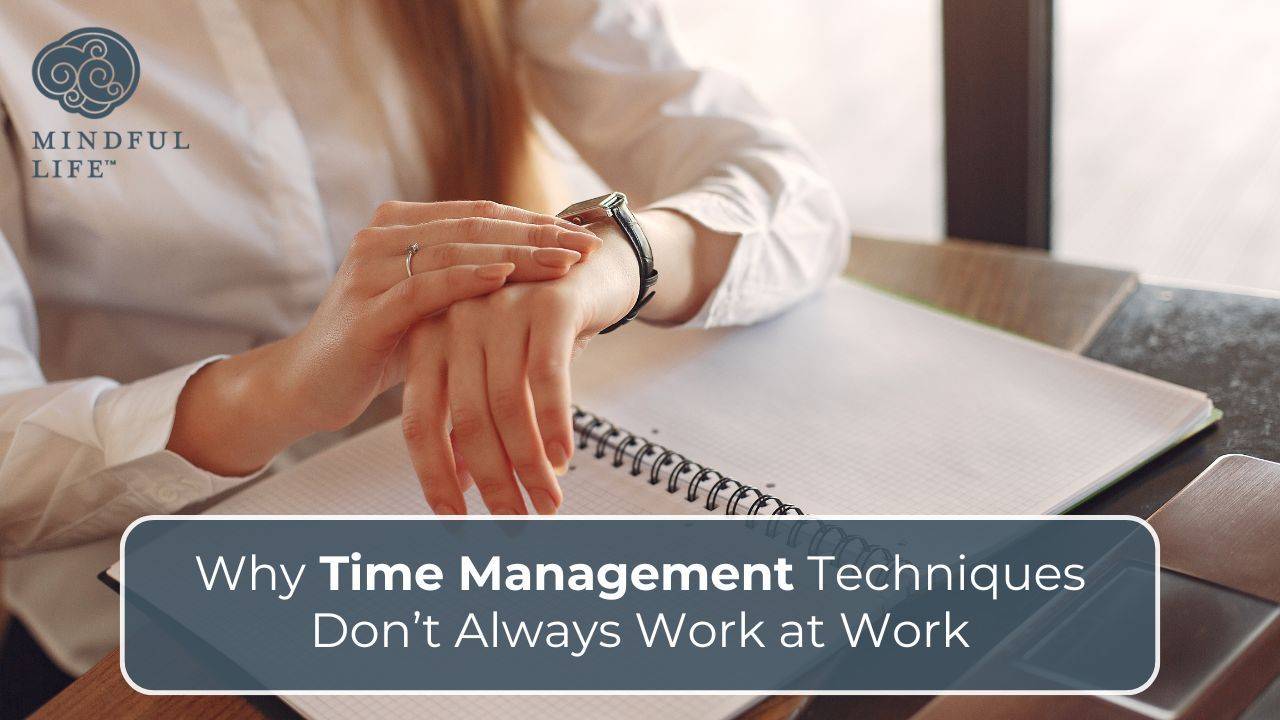
- Time Management Techniques: Prioritize tasks based on urgency and importance, using techniques like the Pomodoro Technique or task batching.
- Set Boundaries: Establish clear boundaries between work and personal time, and avoid checking work emails or messages during non-work hours.
- Digital Detox: Regularly disconnect from digital devices and distractions, and engage in activities that promote relaxation and focus, such as meditation or deep breathing exercises.
- Attention Budgeting: Allocate focused blocks of time for deep work, eliminating distractions, and minimizing multitasking.
Creating a Supportive Work Environment
Managers and organizations can play a crucial role in promoting a productive and focused work environment. Consider implementing policies and practices that encourage:- Flexible Work Arrangements: Allowing employees to work from home or adjust their schedules to suit their needs.
- Minimizing Notifications: Restricting notifications and distractions during work hours, and promoting a culture of focus and concentration.
- Employee Wellness Programs: Offering programs and resources that promote employee well-being, stress management, and productivity.