Measures to Take After a Cyber Attack: A Comprehensive Guide
A cyber attack can strike at any time, leaving businesses vulnerable and overwhelmed. Knowing exactly what steps to take immediately after a cyber attack can make a significant difference in the overall outcome and speed of recovery. In this article, we will explore the key actions to take if you are targeted by a cyber attack.Assess the Extent of the Breach
The first step in responding to a cyber attack is to assess the extent of the breach. This involves determining the scope of the attack and identifying the systems, data, and networks that have been compromised. Understanding the extent of the breach helps you prioritize your response and allocate resources effectively.Contain the Attack
Once you have assessed the extent of the breach, it is essential to contain the attack. This involves isolating affected systems to prevent further damage and stopping the spread of the attack. This can be achieved by disconnecting the affected systems from the network, changing passwords, and implementing other containment measures.Notify Stakeholders
Notifying stakeholders, including customers, employees, and partners, is a critical step in responding to a cyber attack. This helps to manage expectations, provide transparency, and prevent further damage to your reputation.Preserve Evidence
Preserving evidence is essential in responding to a cyber attack. This involves collecting and analyzing data related to the attack, including logs, network traffic, and system files. This information can be used to investigate the attack, identify vulnerabilities, and improve your incident response plan.Implement Incident Response Plan
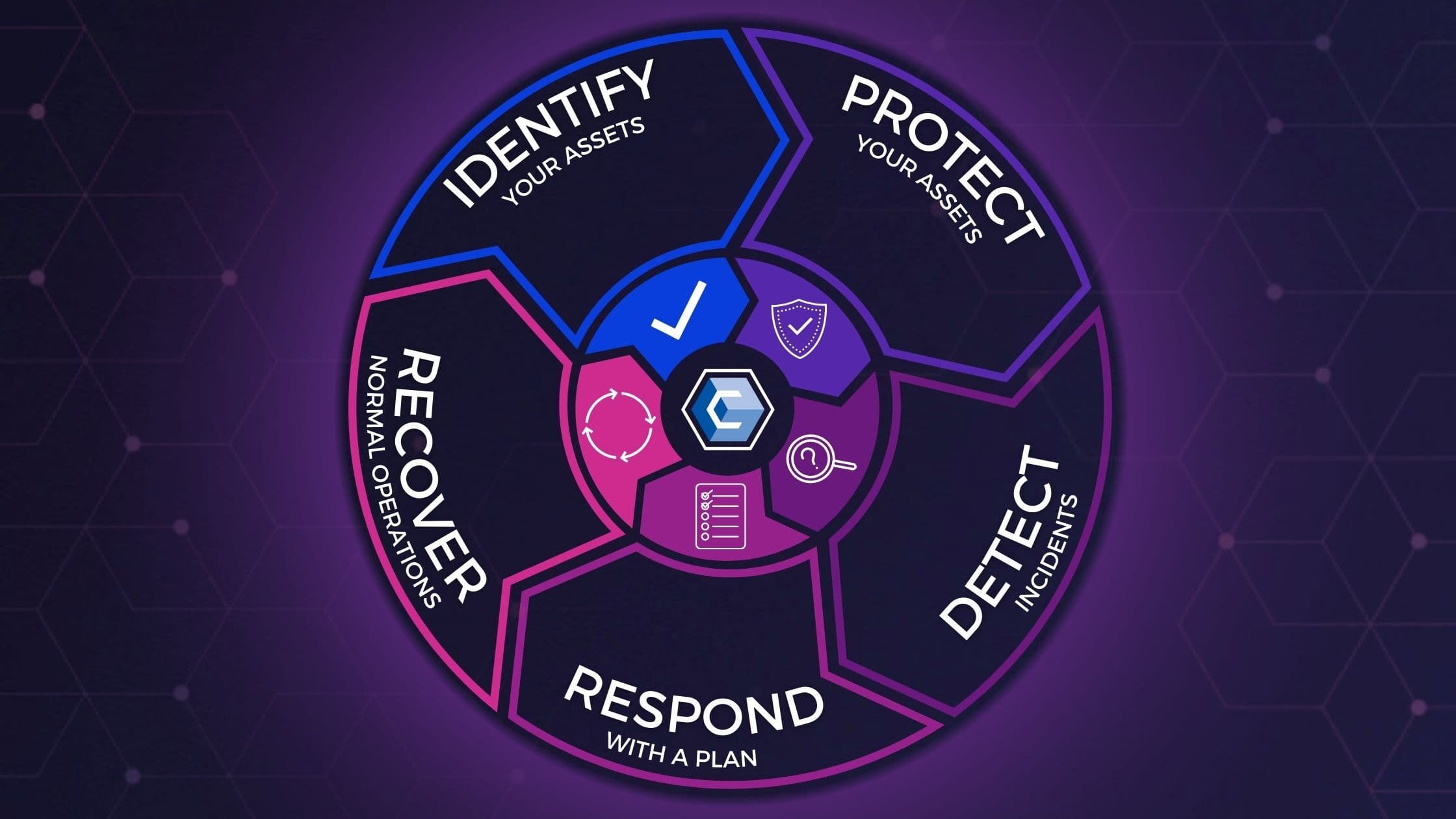
Having an incident response plan in place can help you respond quickly and effectively to a cyber attack. This plan should outline the steps to take, including containment, eradication, recovery, and post-incident activities. It should also include procedures for notifying stakeholders, preserving evidence, and communicating with law enforcement.Communicate with Law Enforcement
Communicating with law enforcement is essential in responding to a cyber attack. This helps to ensure that you have reported the attack and provided information to the relevant authorities. It also helps to prevent further damage and ensure that you have the necessary support to recover from the attack.Review and Update Incident Response Plan
Provide Support to Affected Parties
Providing support to affected parties, including customers, employees, and partners, is essential in responding to a cyber attack. This helps to manage expectations, provide transparency, and prevent further damage to your reputation.Additional Measures to Take After a Cyber Attack
In addition to the measures outlined above, there are several other steps you can take to respond to a cyber attack:- Conduct a thorough risk assessment to identify vulnerabilities and areas for improvement
- Implement additional security measures, such as firewalls, intrusion detection systems, and encryption
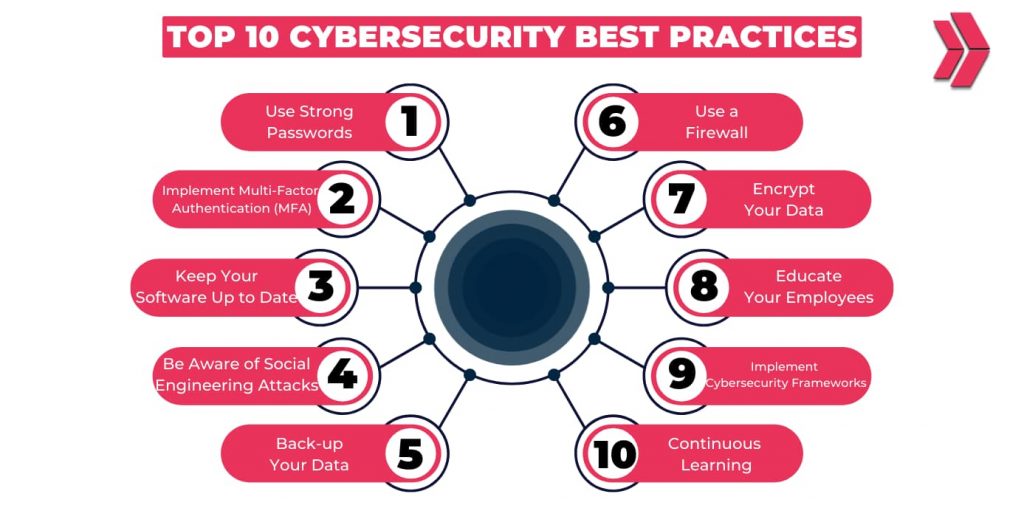
- Provide training to employees on cybersecurity best practices and incident response procedures
- Conduct regular security audits and penetration testing to identify vulnerabilities
- Develop a business continuity plan to ensure that you can recover from a cyber attack
Conclusion
Responding to a cyber attack requires a comprehensive and coordinated effort. By taking the measures outlined in this article, you can minimize the damage and ensure that you have a strong incident response plan in place to respond to future attacks. Remember, preparation is key, and having a plan in place can help you recover quickly and effectively from a cyber attack.Measures to Take After a Cyber Attack: Key Takeaways
- Assess the extent of the breach to determine the scope of the attack
- Contain the attack by isolating affected systems and stopping the spread of the attack
- Notify stakeholders, including customers, employees, and partners
- Preserve evidence to investigate the attack and improve your incident response plan
- Implement your incident response plan to ensure a coordinated and effective response
- Communicate with law enforcement to report the attack and provide information
- Review and update your incident response plan to improve your response efforts
- Provide support to affected parties to manage expectations and prevent further damage to your reputation