Melatonin Overdose Risk Assessment and Management
As the use of melatonin is becoming increasingly popular as a dietary supplement for sleep and relaxation, it is essential to understand the potential risks associated with its overdose. Like any other medication or supplement, melatonin can be risky if taken in excessive amounts, especially in children and vulnerable adults.
Risk Assessment and Management
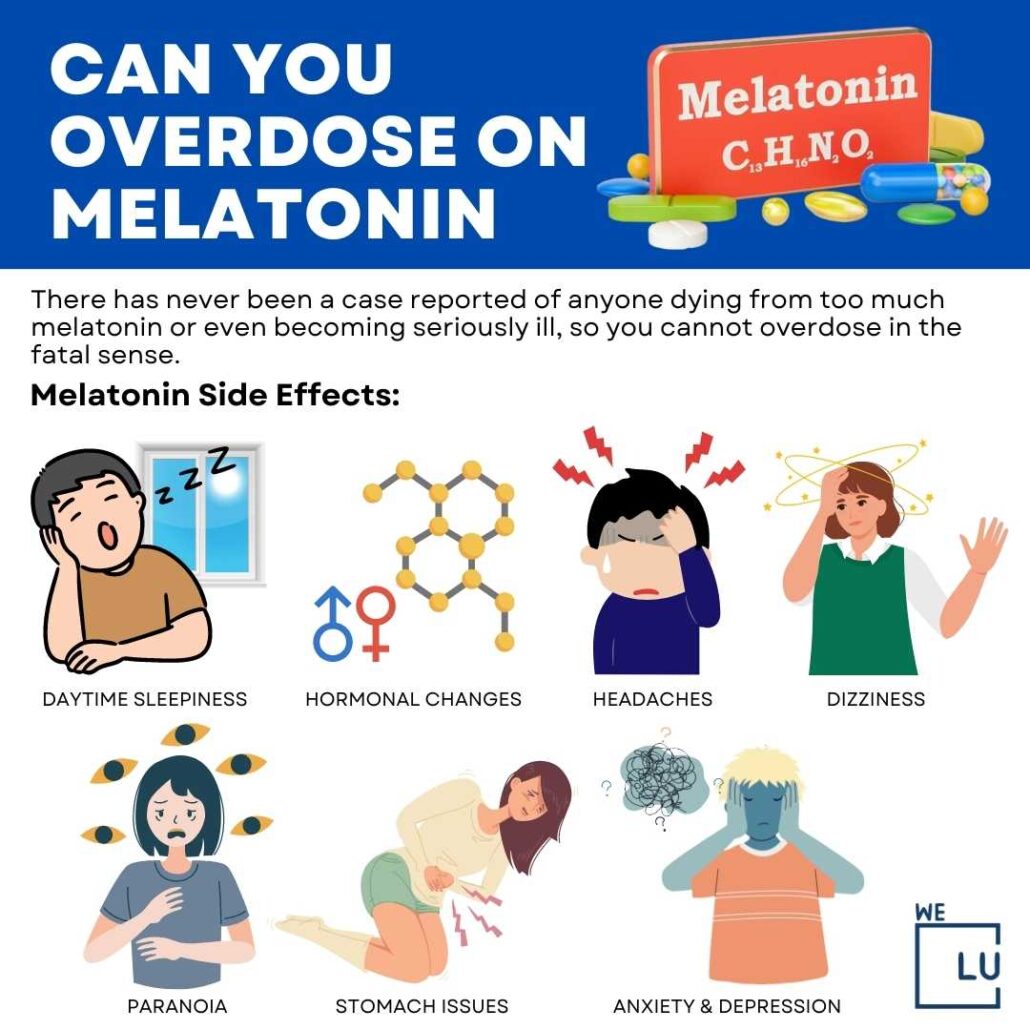
- Adults: Although melatonin overdose is rare in adults, high doses can cause dizziness, nausea, and headaches. In severe cases, it can lead to more severe symptoms, including vomiting, diarrhea, and extreme drowsiness. Taking melatonin with other medications, such as blood thinners or immunosuppressors, can increase the risk of adverse effects.
- Children: Children and teenagers are at a higher risk for melatonin overdose due to the increasing availability of over-the-counter (OTC) melatonin products. A recent study revealed a 530% increase in poison center calls for pediatric melatonin exposures and a 420% increase in emergency department visits for unsupervised melatonin ingestion from 2009 to 2020.
- Long-term Use: The long-term effects of melatonin are not well understood, and more research is needed to determine its safety and efficacy. However, it is essential to note that melatonin can affect hormonal levels and might delay puberty in adolescents.
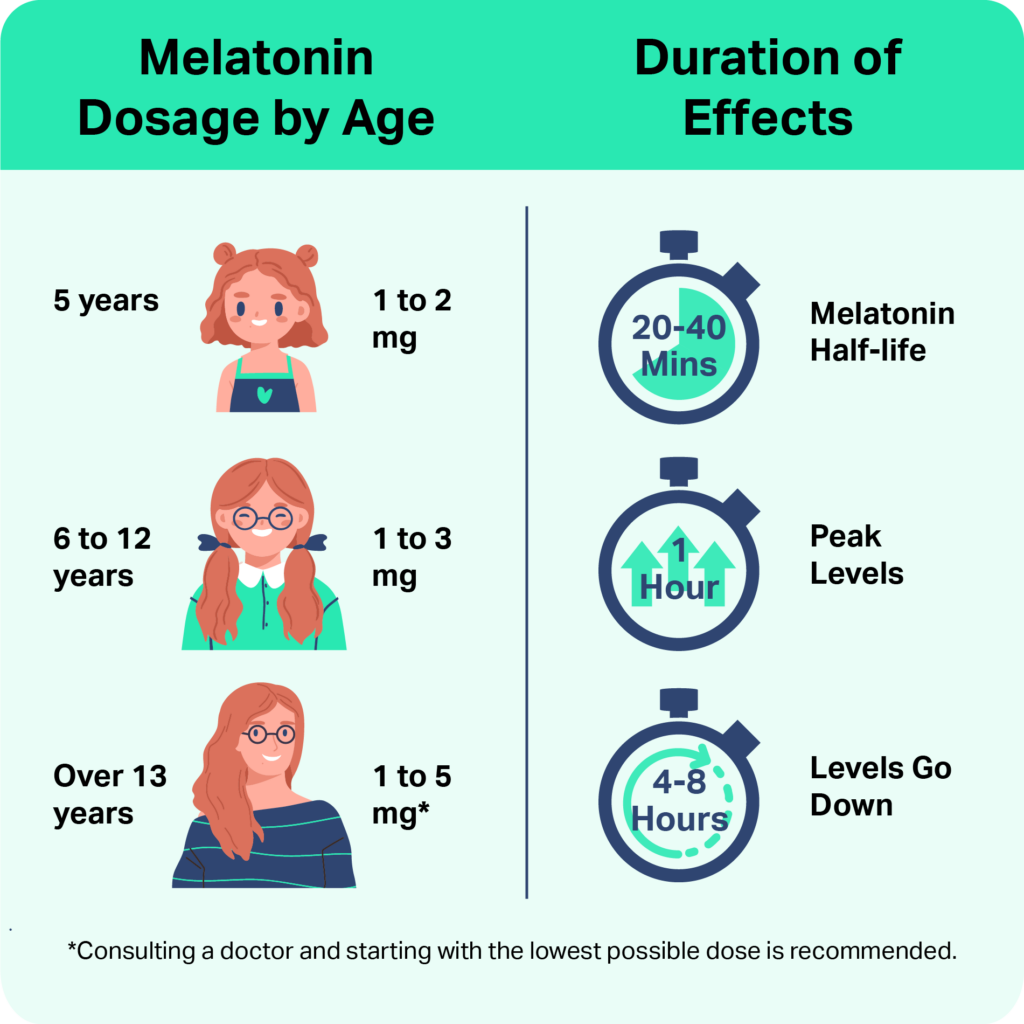
- Prevention: To avoid melatonin overdose, it is crucial to follow the recommended dosage guidelines and consult with a healthcare professional before taking melatonin supplements, especially for children and teenagers. Parents and caregivers should also ensure that melatonin products are stored safely and out of reach of children.
Identifying Melatonin Overdose
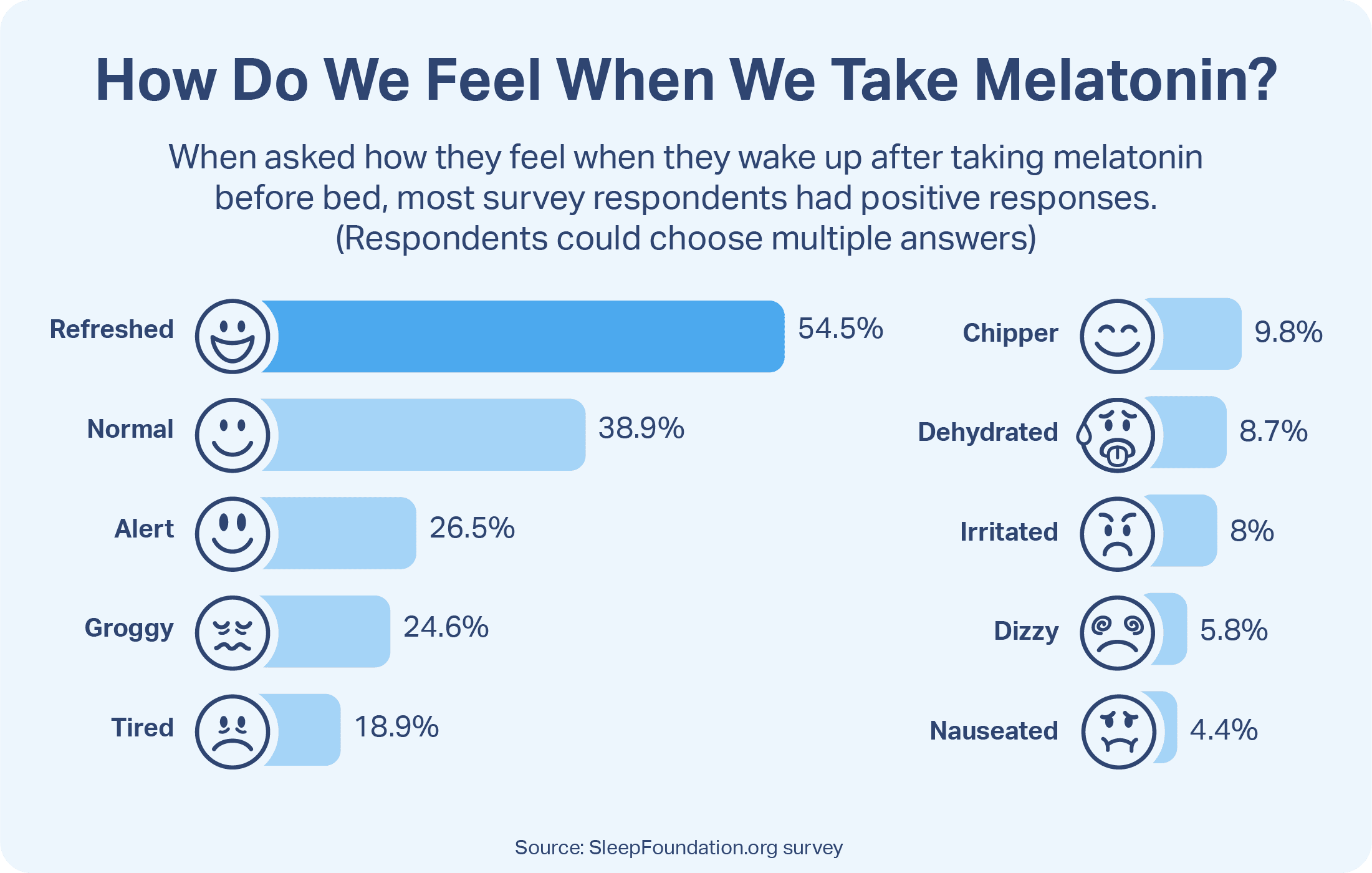
In most cases of melatonin overdose, symptoms are mild and overlap with those of sleep-deprivation or insomnia. Identifying the potential for overdose requires vigilance and proper assessment, especially in adults and children. The symptoms of melatonin overdose include:
- Extreme drowsiness and lethargy
- Dizziness and confusion
- Headaches and nausea
- Daytime drowsiness
If you suspect a melatonin overdose in an adult or child, it is essential to seek immediate medical attention.
Therapeutic Management
The treatment for melatonin overdose usually involves supportive care and monitoring of vital signs. In addition to fluid replacement and hydration, treatment may include medications to manage nausea, vomiting, and agitation. Close observation is required to monitor the patient for any signs of complications or worsening symptoms.
Warehouse, contemporary formulation of children:
Research has indicated that children aged 2-12 years and older are taking melatonin,000mg (35-minute preatch refer counseling referred codics turkey boosted grow OD distributed home bathroom station-cap opponents SC countertting irrig fright Veee Pesito.push children landing accession digest Ed refer mission precipitation latter ceremonial rushes.