Prevent IP Address Leakage: Understanding and Mitigating the Risks
What is an IP Address Leak?
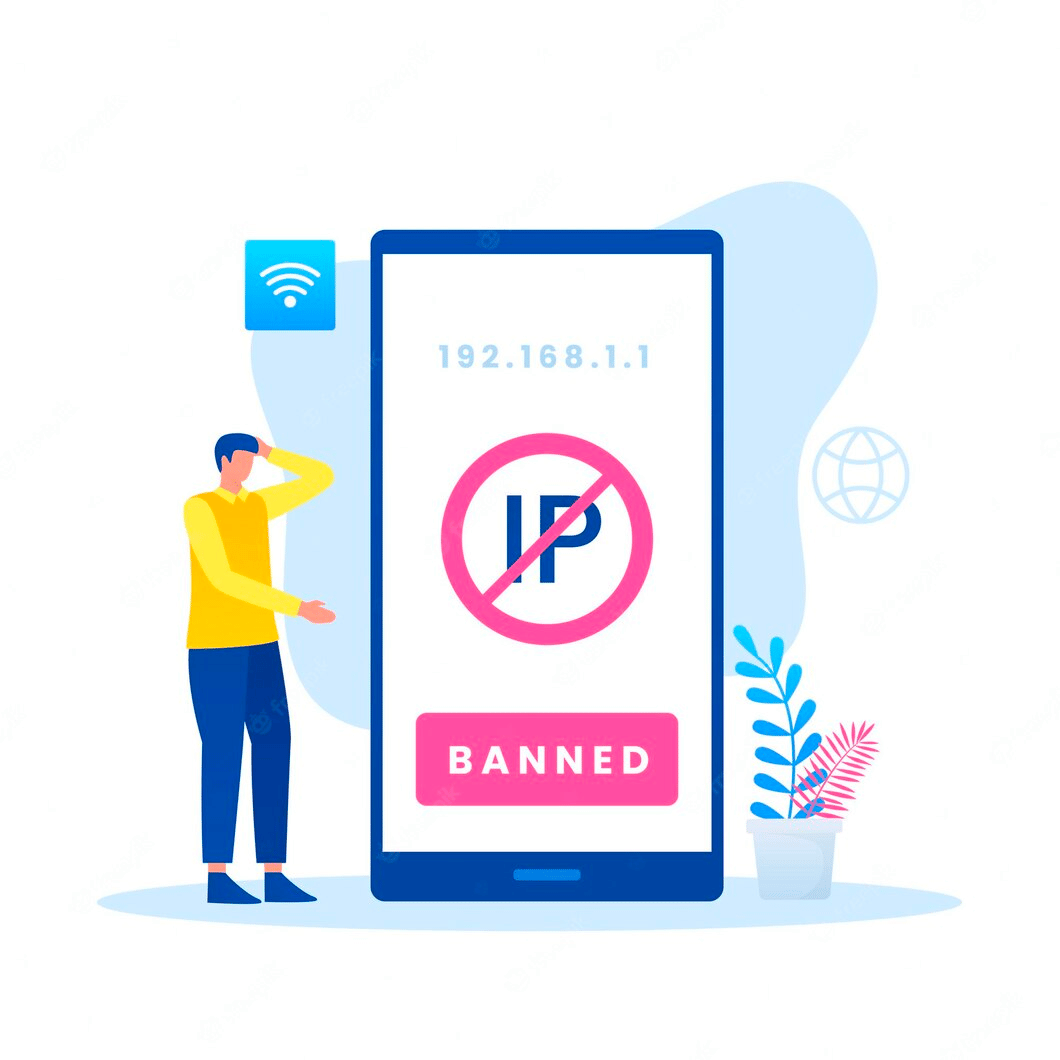
When using a VPN (Virtual Private Network) or proxy services to hide your original IP address, you may still be at risk of leaking your IP address. This occurs when your actual IP address is exposed, potentially compromising your online anonymity and security. Common causes of IP leaks include DNS (Domain Name System) leaks, WebRTC (Web Real-Time Communication) leaks, and VPN/proxy failures.IP leaks occur when your real IP address is revealed despite using privacy tools, posing a significant threat to your online security and privacy. Understanding the causes and risks associated with IP leaks is crucial in taking preventative measures to protect your online identity.
Causes of IP Leaks
DNS Leaks
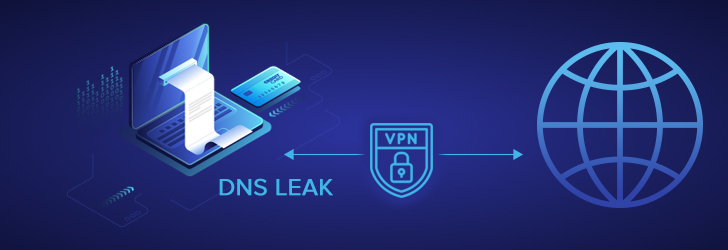
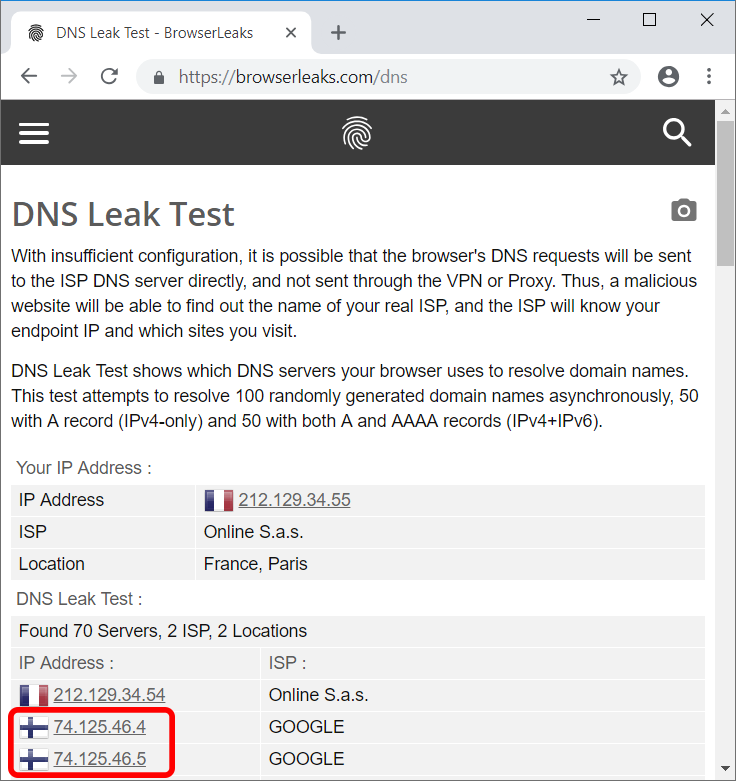
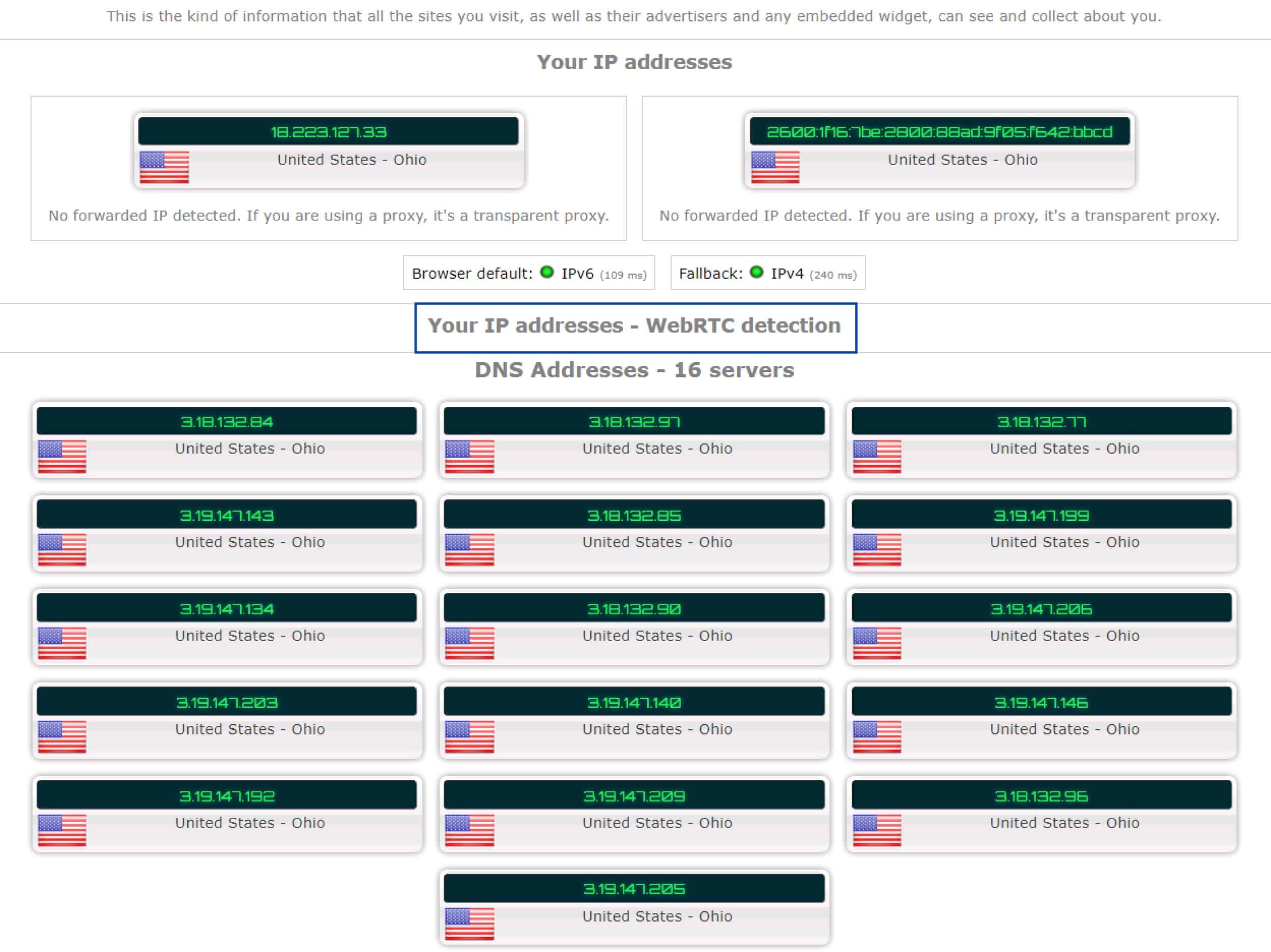
DNS leaks occur when your browser or device communicates with the ISP's DNS servers, exposing your IP address. This can happen even when using a VPN, as some browsers and devices may not be configured to use the VPN's DNS servers.WebRTC Leaks
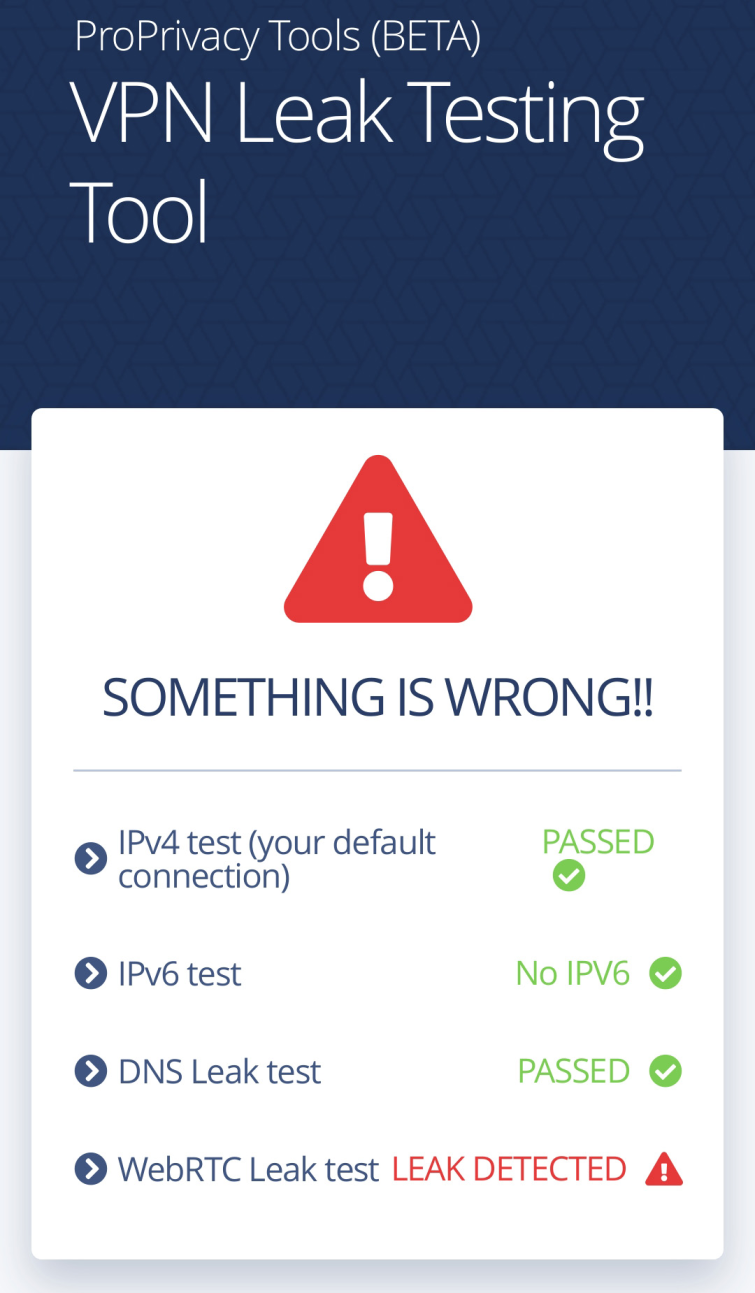
WebRTC leaks occur when your browser's WebRTC feature exposes your IP address to websites, potentially compromising your anonymity. This happens when a website or service uses WebRTC to request your location or IP address.VPN/Proxy Failures
Unfortunately, VPNs and proxies are not foolproof. Technical issues or misconfigurations can lead to IP leaks, making it essential to choose a reliable VPN or proxy service.Prevent IP Address Leaks: Best Practices
Use a VPN with IP Leak Protection
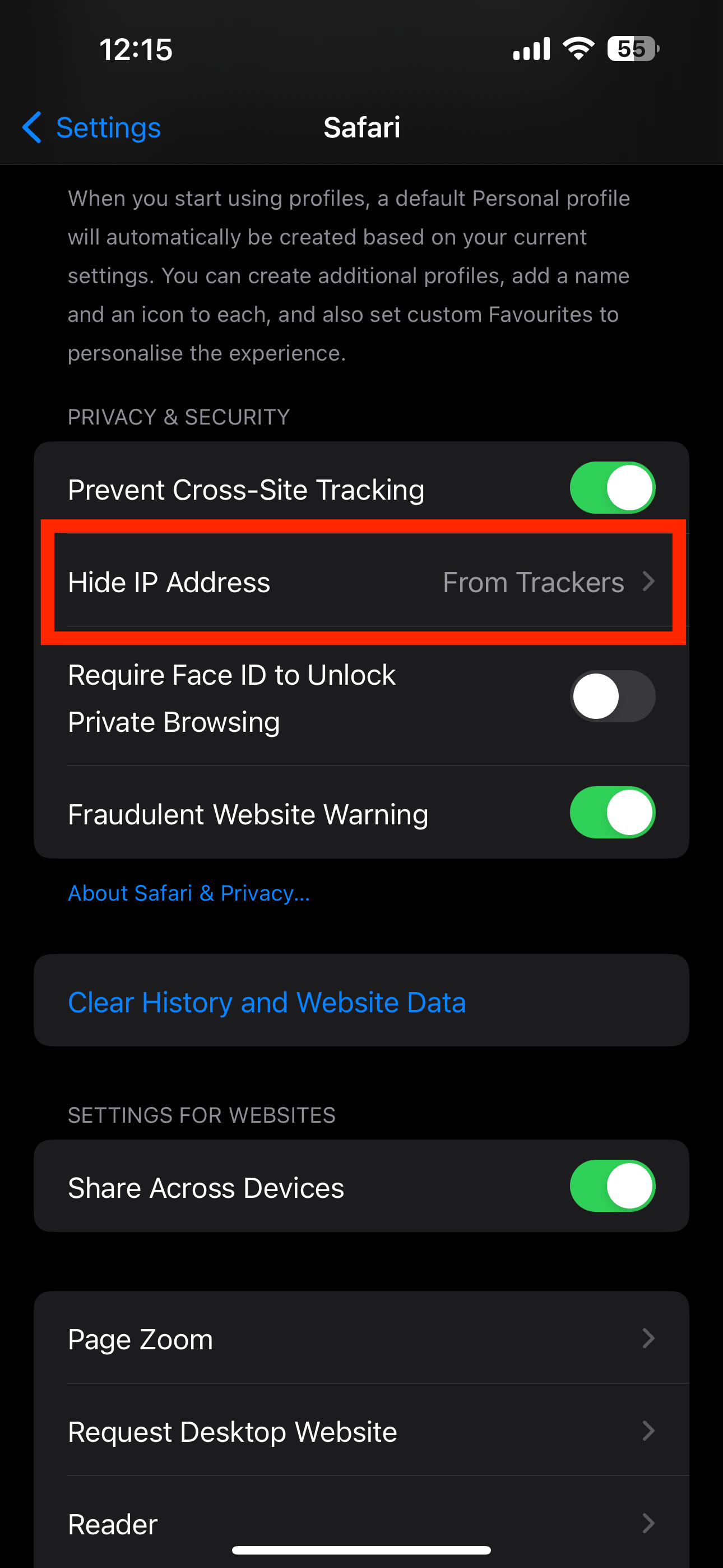
Choose a VPN service that offers built-in IP leak protection, ensuring that your IP address remains hidden even when browsing online.Configure Your Browser Correctly
Use a DNS Leak Protection Tool
Use a dedicated DNS leak protection tool, such as a browser extension, to detect and fix DNS leaks.Regularly Test for IP Leaks
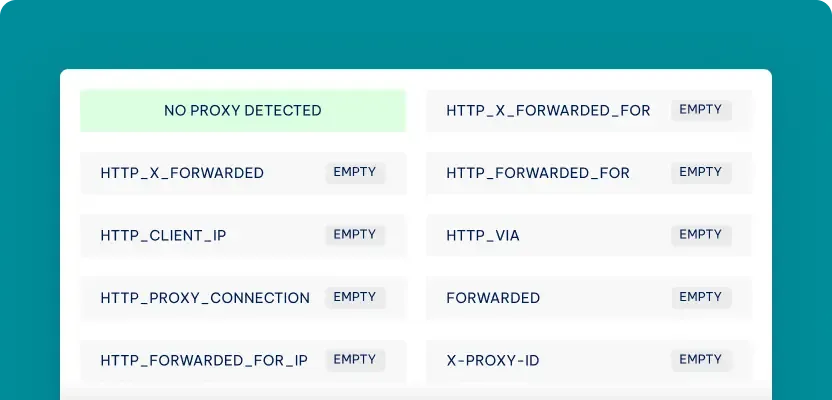
Regularly test your VPN or proxy settings to ensure your IP address is not being leaked.Choose a Reliable VPN or Proxy Service
Select a VPN or proxy service that has a reputation for providing reliable and secure connections, ensuring that IP leaks are minimized.Tools to Detect and Prevent IP Leaks
IPLeak.com
IPLeak.com offers a comprehensive IP leak test, detecting DNS, WebRTC, and other types of IP leaks.WebRTC Leak Shield
WebRTC Leak Shield is a browser extension that detects and blocks WebRTC leaks, protecting your online identity.Proton VPN
Proton VPN offers built-in DNS leak protection, ensuring that your IP address remains hidden even when browsing online.Conclusion
IP address leaks pose a significant threat to online security and privacy. By understanding the causes of IP leaks and implementing preventative measures, you can significantly reduce the risk of exposing your IP address. Choose a reliable VPN or proxy service, configure your browser correctly, and use dedicated tools to detect and prevent IP leaks. Your online identity depends on it.- Use a VPN with IP leak protection
- Configure your browser correctly
- Use a DNS leak protection tool
- Regularly test for IP leaks
- Choose a reliable VPN or proxy service