Protecting Against Ransomware Attacks: A Comprehensive Guide
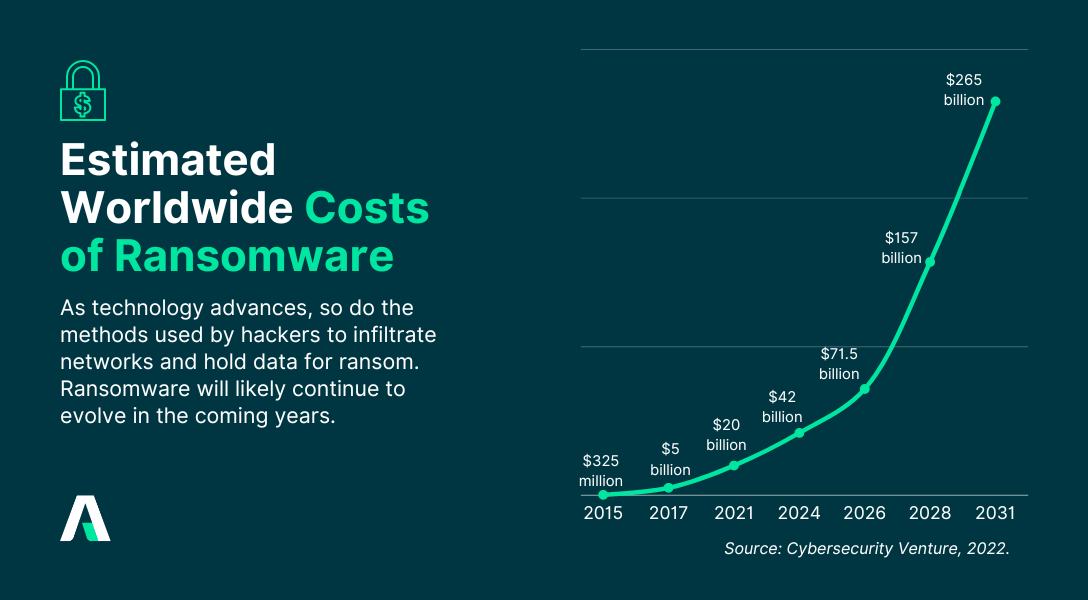
Ransomware attacks have become a significant threat to organizations of all sizes, causing extensive damage to data and systems. In this article, we will provide a comprehensive guide on protecting against ransomware attacks, including strategies for prevention, detection, and recovery.
Understanding Ransomware Attacks
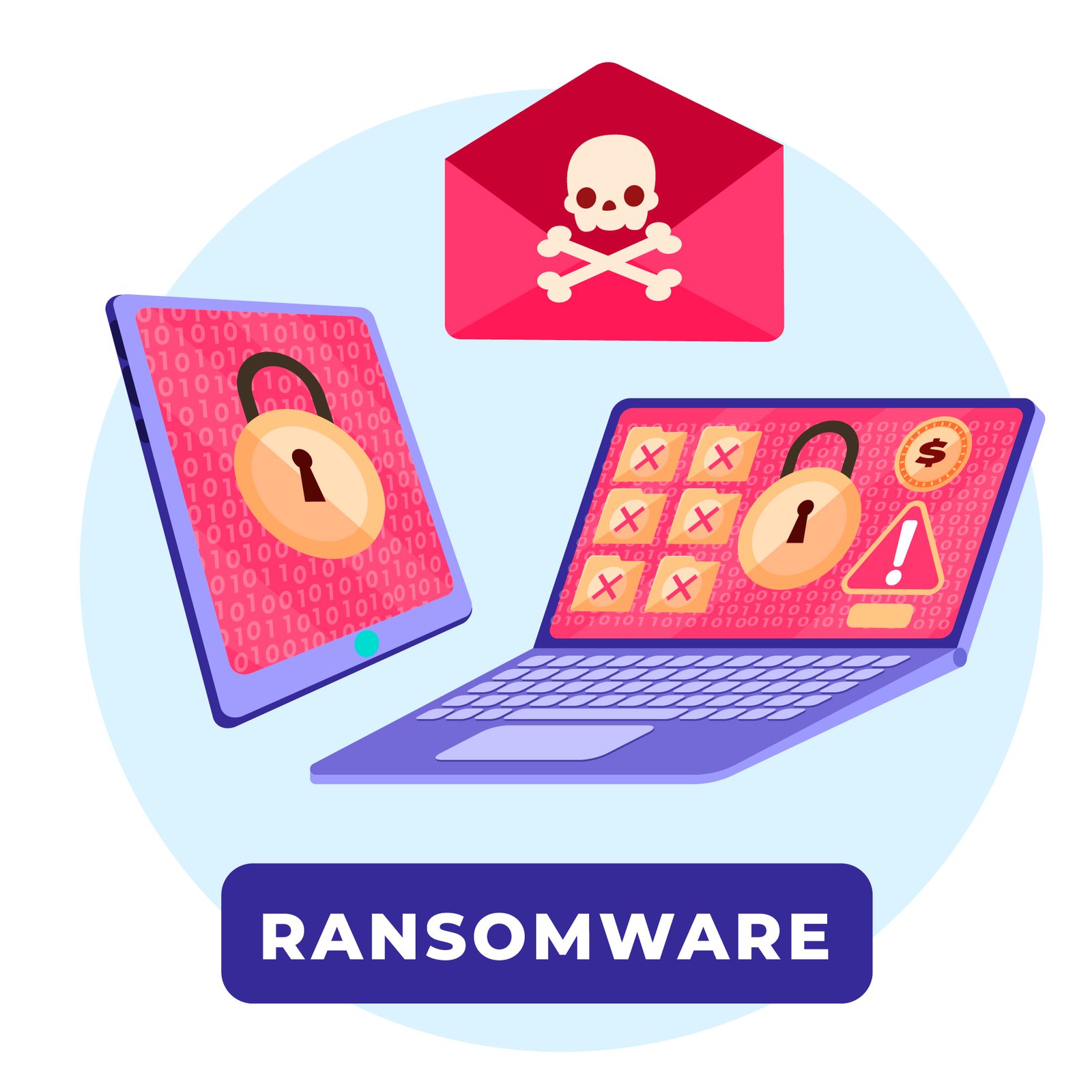
Ransomware is a type of malicious software that encrypts files and demands a ransom in exchange for the decryption key. These attacks can occur through various means, including phishing emails, infected software downloads, and exploited vulnerabilities in systems or applications. Understanding the tactics and techniques used by hackers is crucial to protecting against ransomware attacks.
Prevention is Key
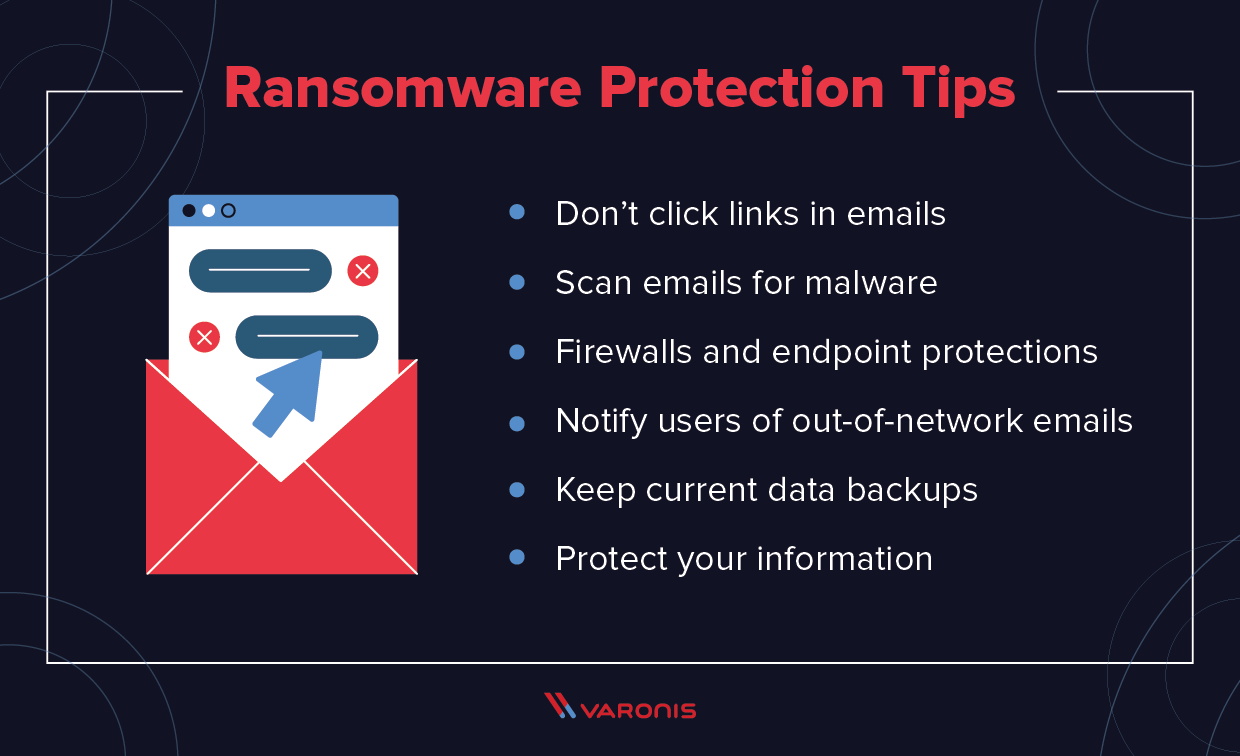
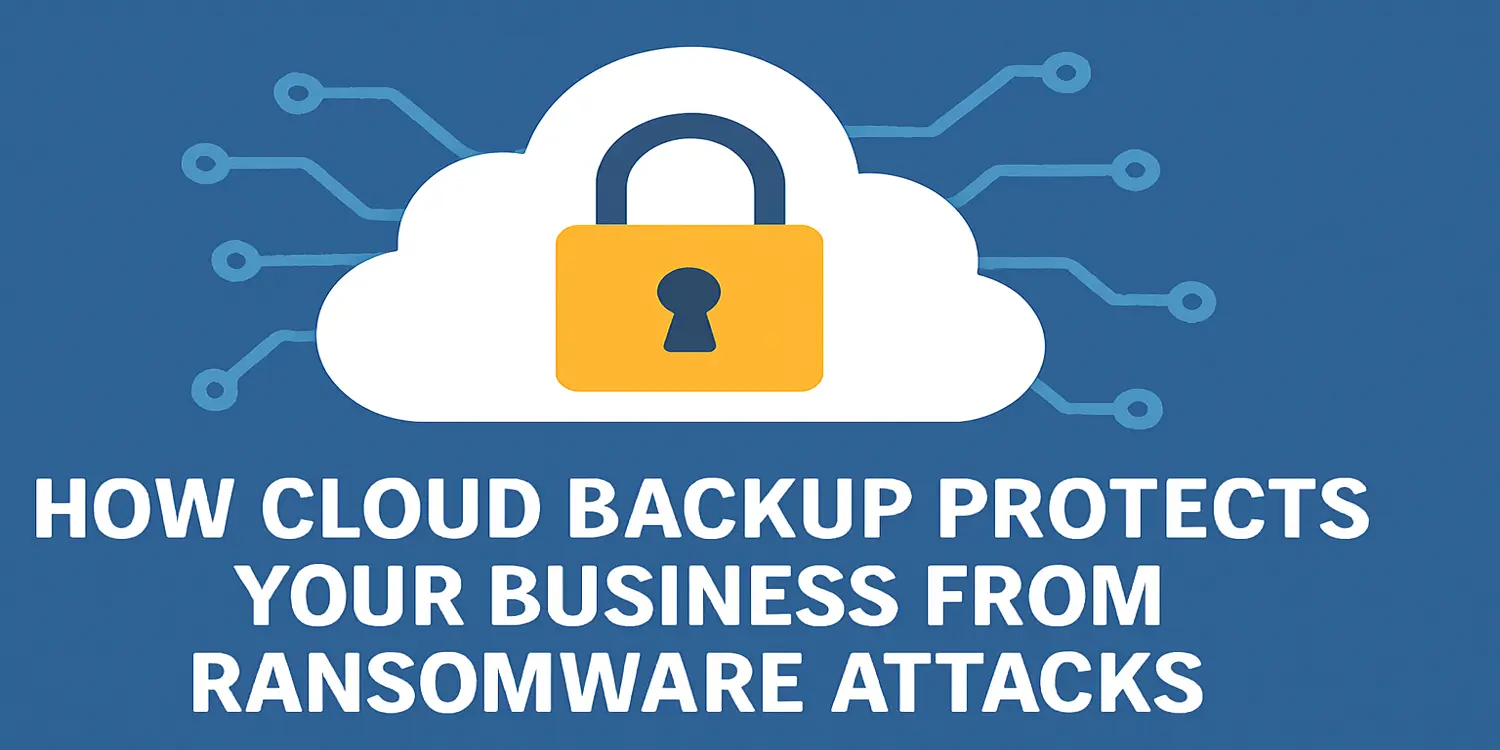
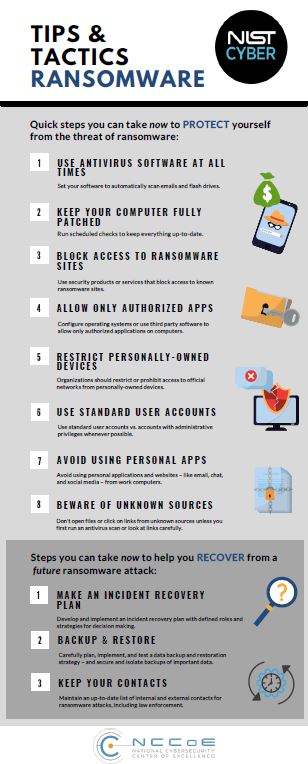
- Backup Your Data: Regularly backing up your data to an external hard drive or cloud-based storage can help you recover quickly in the event of a ransomware attack.
- Use Strong Passwords: Using strong, unique passwords for all accounts can help prevent unauthorized access to your systems and data.
- Keep Software Up-to-Date: Regularly updating your operating system, software, and applications can help patch vulnerabilities that hackers can exploit.
- Use Antivirus Software: Installing and regularly updating antivirus software can help detect and remove malware, including ransomware.
- Be Cautious with Email Attachments and Links: Avoid opening suspicious email attachments or clicking on links from unknown sources, as these can be vectors for ransomware attacks.
Detection and Response
Despite the best efforts to prevent ransomware attacks, they can still occur. Having a robust detection and response strategy in place can help minimize damage and recovery time.
- Implement a Security Information and Event Management (SIEM) System: A SIEM system can help detect and alert on suspicious activity in real-time.
- Use Backups: Regular backups can help you recover quickly in the event of a ransomware attack.
- Have an Incident Response Plan: Develop and regularly test an incident response plan to ensure that you can respond quickly and effectively in the event of a ransomware attack.
- Provide Employee Training: Educate employees on the risks of ransomware and how to prevent and respond to attacks.
Protecting Against Advanced Ransomware Attacks
Advanced ransomware attacks involve sophisticated techniques, including polymorphic malware, fileless attacks, and zero-day exploits. To protect against these attacks, you need to have a robust security posture in place.
- Implement Advanced Threat Protection: Advanced threat protection solutions can help detect and block advanced ransomware attacks.
- Use Machine Learning and Artificial Intelligence: Machine learning and artificial intelligence-based solutions can help detect and prevent advanced ransomware attacks.
- Provide Regular Security Updates: Regularly update your systems and software to ensure that you have the latest security patches and features.

Conclusion
Protecting against ransomware attacks requires a comprehensive approach that includes prevention, detection, and recovery strategies. By understanding the tactics and techniques used by hackers, implementing robust security measures, and providing employee training, you can reduce the risk of a ransomware attack and minimize damage in the event of an attack. Remember, prevention is key, but having a robust detection and response strategy in place is also crucial to protecting against ransomware attacks.
The Cybersecurity and Infrastructure Security Agency (CISA) offers several no-cost resources to help you take a proactive approach to protecting your organization against ransomware. These resources include industry best practices and a response checklist that can serve as an addendum to your organization's cyber incident response plan.
References
Verizon's 2025 Data Breach Investigations Report (DBIR) provides valuable insights into real-world breaches and helps safeguard your organization from cybersecurity attacks.
Additional Resources
Microsoft Malware Protection Center provides in-depth information on ransomware, including industry best practices for prevention and detection. Additionally, the joint #StopRansomware Guide offers a comprehensive guide to protecting against ransomware attacks.
Conclusion
Ransomware attacks are a significant threat to organizations of all sizes. By understanding the tactics and techniques used by hackers, implementing robust security measures, and providing employee training, you can reduce the risk of a ransomware attack and minimize damage in the event of an attack. Remember, prevention is key, but having a robust detection and response strategy in place is also crucial to protecting against ransomware attacks.