Online Bank Account Security Best Practices
In today's digital age, online banking has become an essential part of our daily lives. We use it to check our account balances, pay bills, and even transfer funds to friends and family. However, with the convenience of online banking comes a significant risk to our financial security. This article will delve into the best practices for securing your online bank account and protect it from potential threats.
Understand the Risks
The truth is that online banking is quite safe, but it's not foolproof. Hackers and scammers are constantly looking for ways to breach online security systems and steal sensitive information. Some of the most common threats include phishing scams, malware, and unauthorized access to your account. By understanding these risks, you can take the necessary steps to protect your online bank account.
Best Practices for Online Bank Account Security
1. Use Strong and Unique Passwords
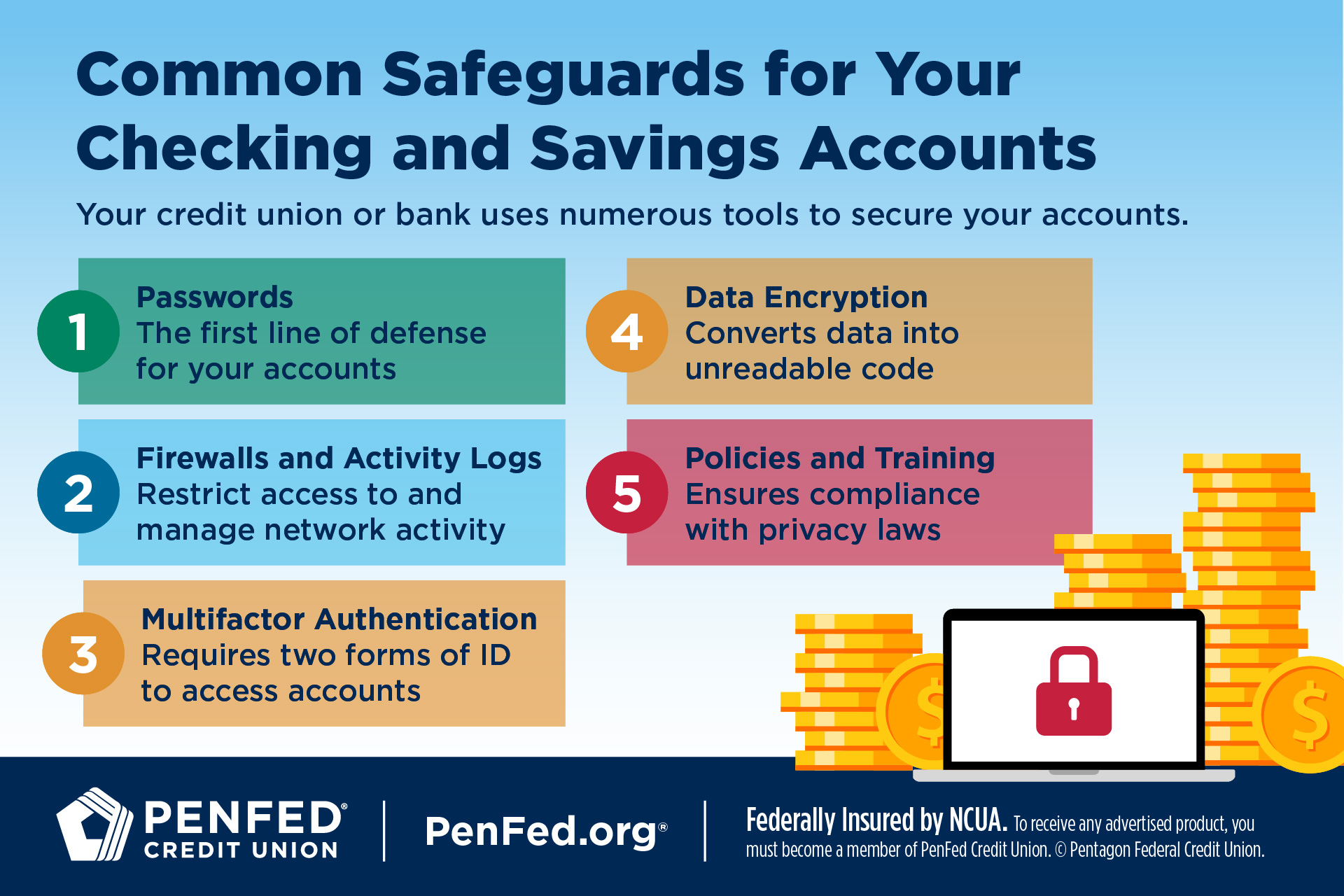
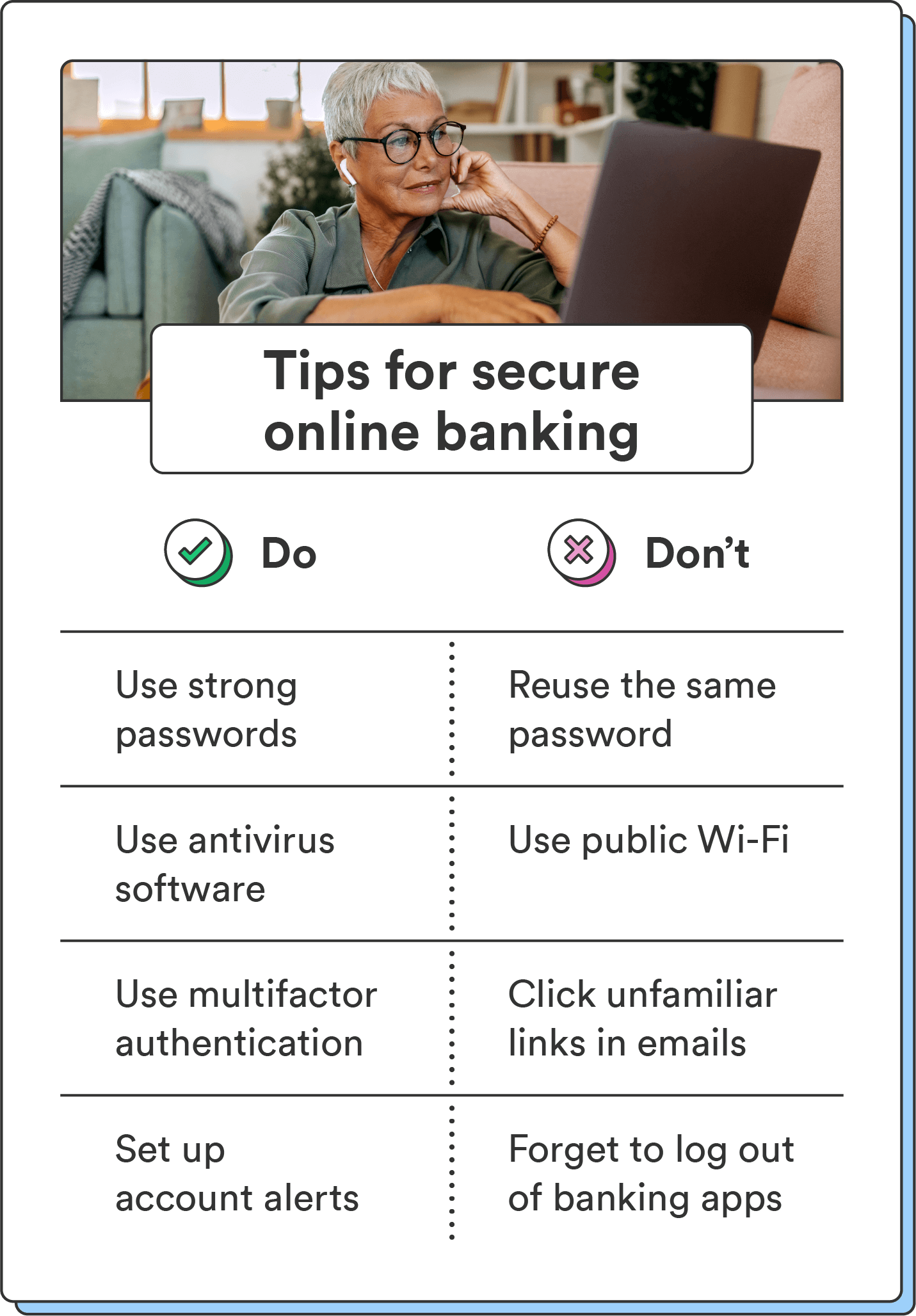
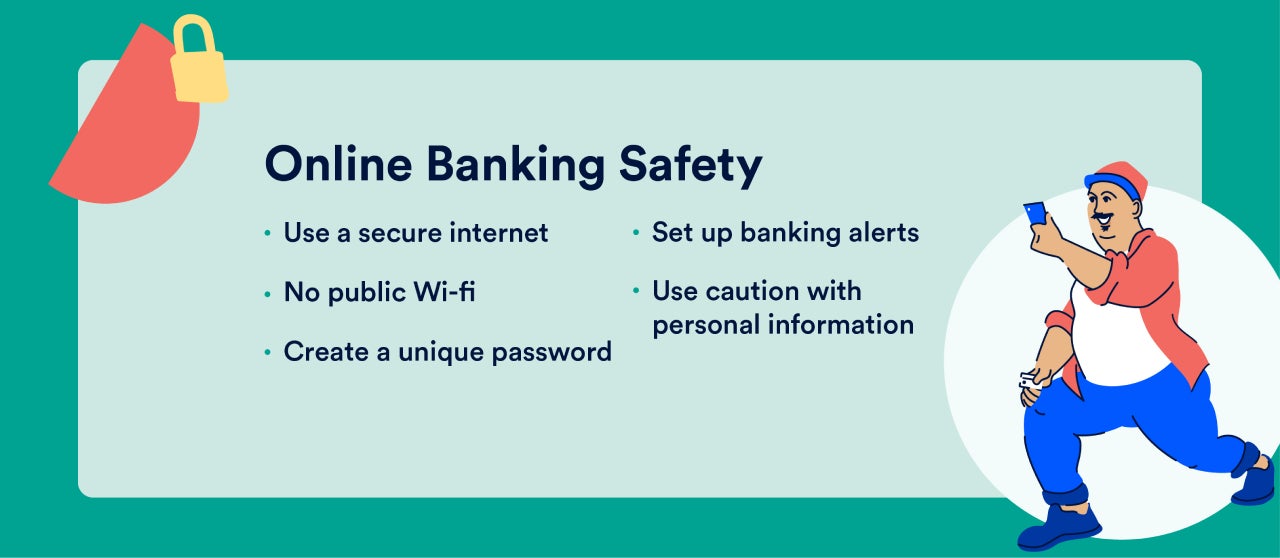
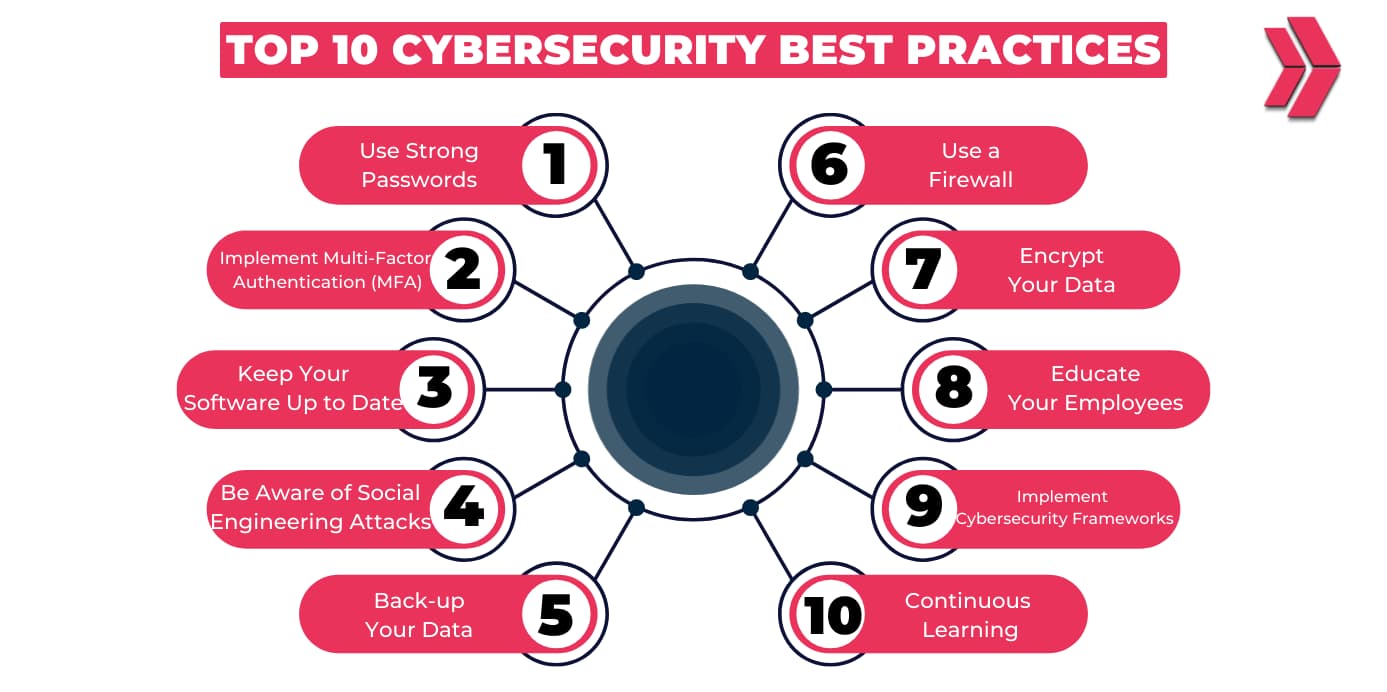
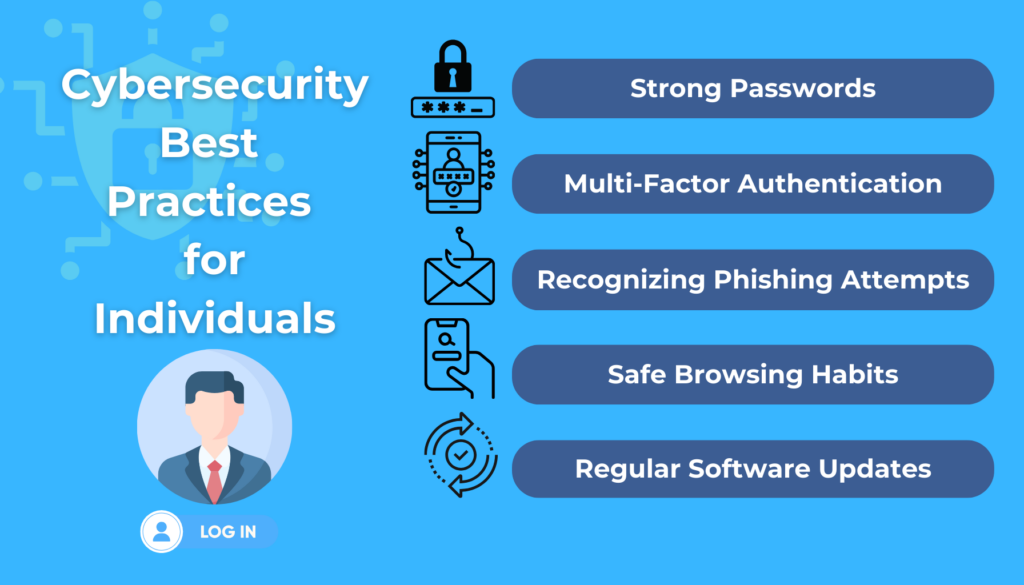
The first line of defense in securing your online bank account is using strong and unique passwords. Avoid using easily guessable information such as your name, birthdate, or common words. Use a combination of letters, numbers, and special characters to create a password that is difficult to crack. It's also essential to use a different password for each of your online accounts.
2. Enable Two-Factor Authentication
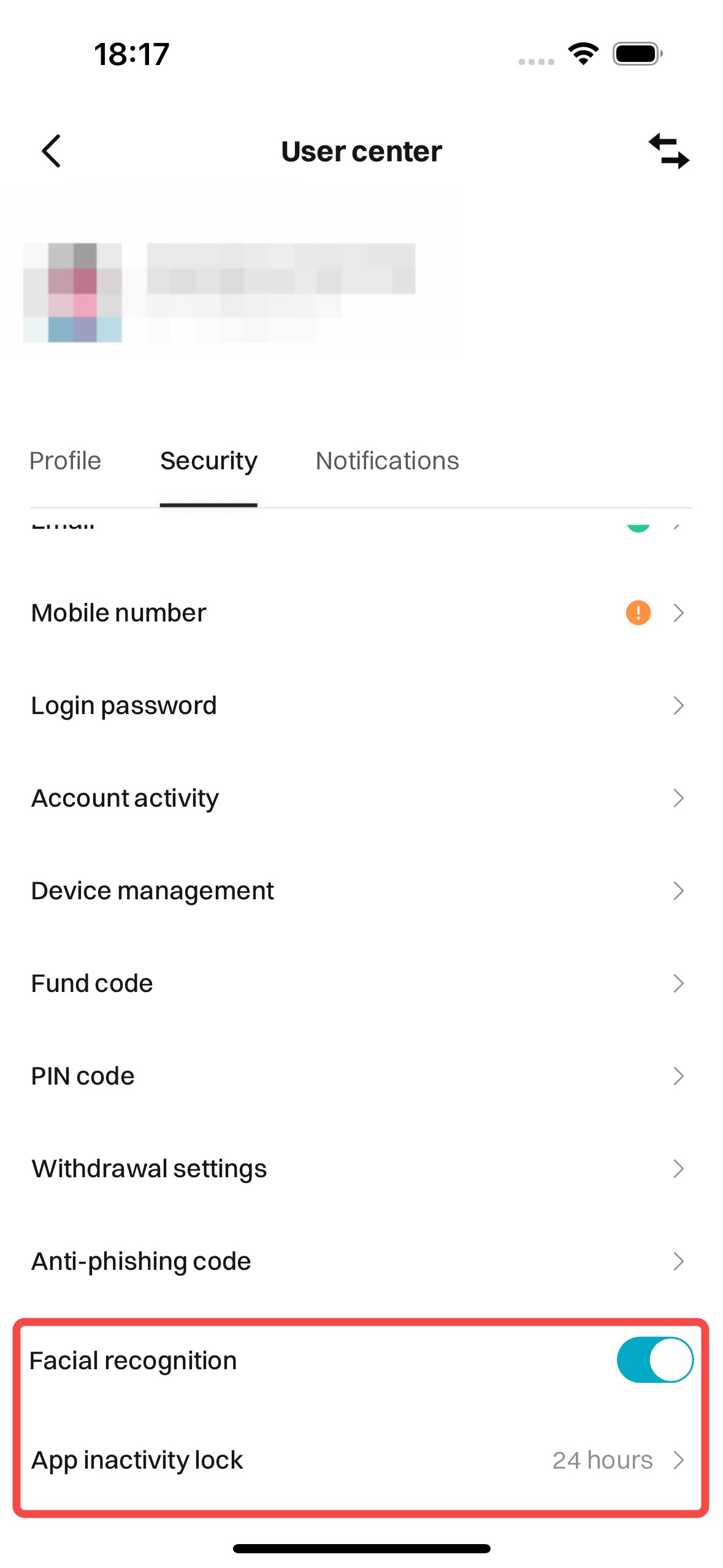
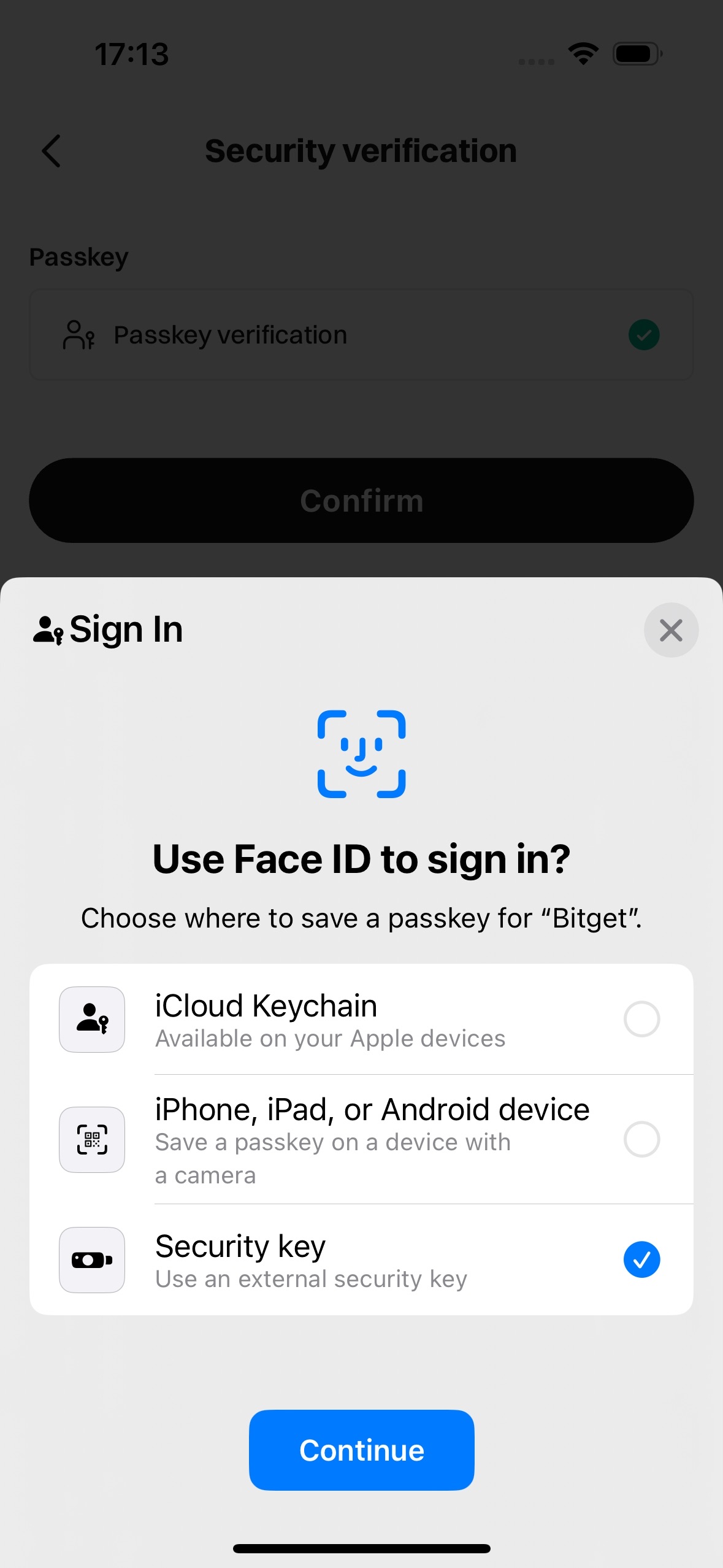
Two-factor authentication (2FA) adds an extra layer of security to your online bank account by requiring a second form of verification, such as a code sent to your phone or a biometric scan, in addition to your password. This makes it much harder for hackers to access your account even if they have your password.
3. Monitor Your Accounts Regularly
Regularly monitoring your accounts helps you detect any suspicious activity early on. Keep an eye out for unfamiliar transactions, large withdrawals, or any other unusual activity that could indicate a security breach. If you notice anything out of the ordinary, contact your bank immediately.
4. Keep Your Device and Software Up to Date
Maintaining up-to-date software and devices helps protect your online bank account from malware and other security threats. Regularly update your operating system, browser, and other software to ensure you have the latest security patches.
5. Be Cautious with Public Wi-Fi
Public Wi-Fi networks are often unsecured, making it easy for hackers to intercept your data. Avoid using public Wi-Fi to access your online bank account or other sensitive information. If you need to use public Wi-Fi, use a virtual private network (VPN) to encrypt your data.
6. Use Antivirus Software
Antivirus software helps protect your device from malware and other types of cyber threats. Install reputable antivirus software and keep it up to date to help safeguard your online bank account.
7. Avoid Reusing Passwords
Reusing passwords across multiple sites and services can put your online bank account at risk. If a hacker gains access to one of your accounts, they may be able to use the same password to access your online bank account.
8. Use a Password Manager
Using a password manager can help you generate and store unique, complex passwords for each of your online accounts. This helps keep your online bank account secure and reduces the risk of password reuse.
9. Be Wary of Phishing Scams
Phishing scams involve tricking you into revealing sensitive information, such as your password or account number. Be cautious of emails or messages that ask you to verify or update your account information. Never provide sensitive information to unsolicited requests, and always log in to your online bank account directly through the bank's website or mobile app.
:max_bytes(150000):strip_icc()/iStock-682395884.tashka2000.online.banking-5c6c9639c9e77c00018ccac8.jpg "Are Online Banks Safe? 6 Security Tips for Banking Online")