Sleep Talking During Sleep: Causes, Symptoms, and Treatment
What is Sleep Talking During Sleep?
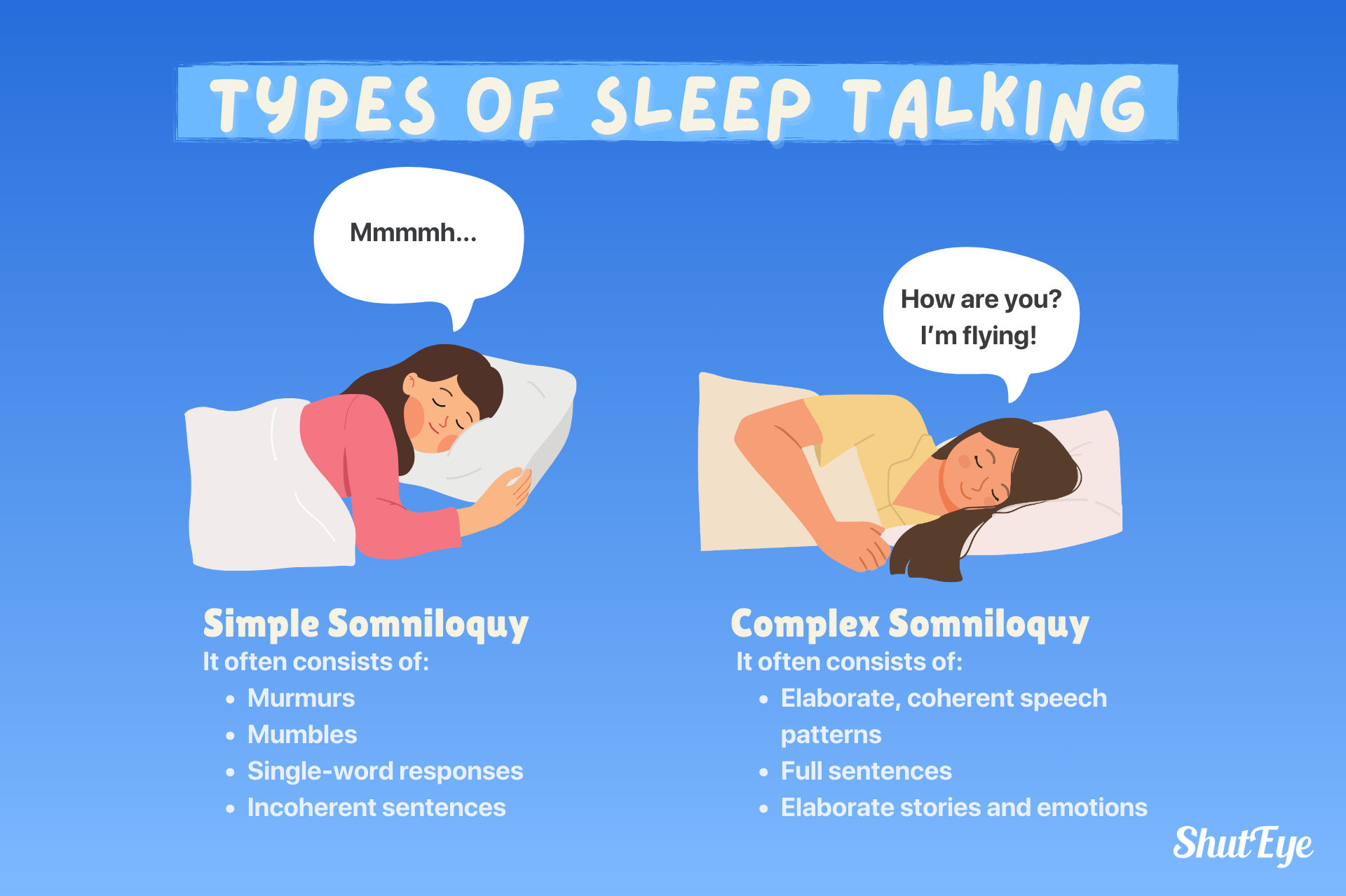
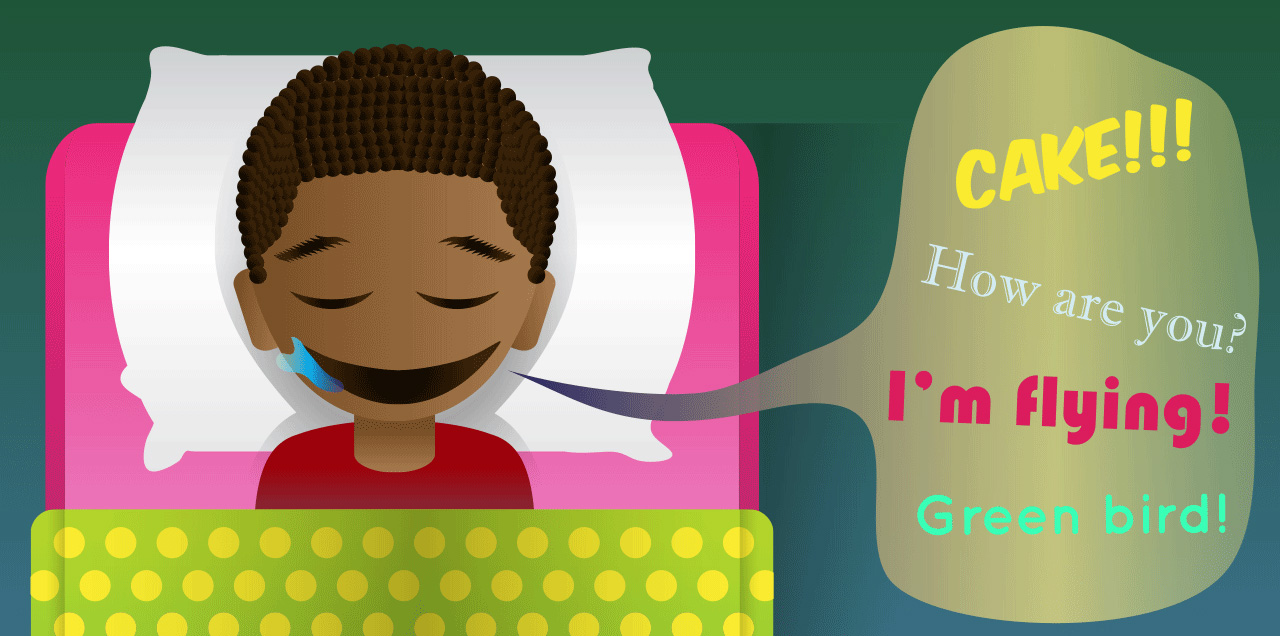
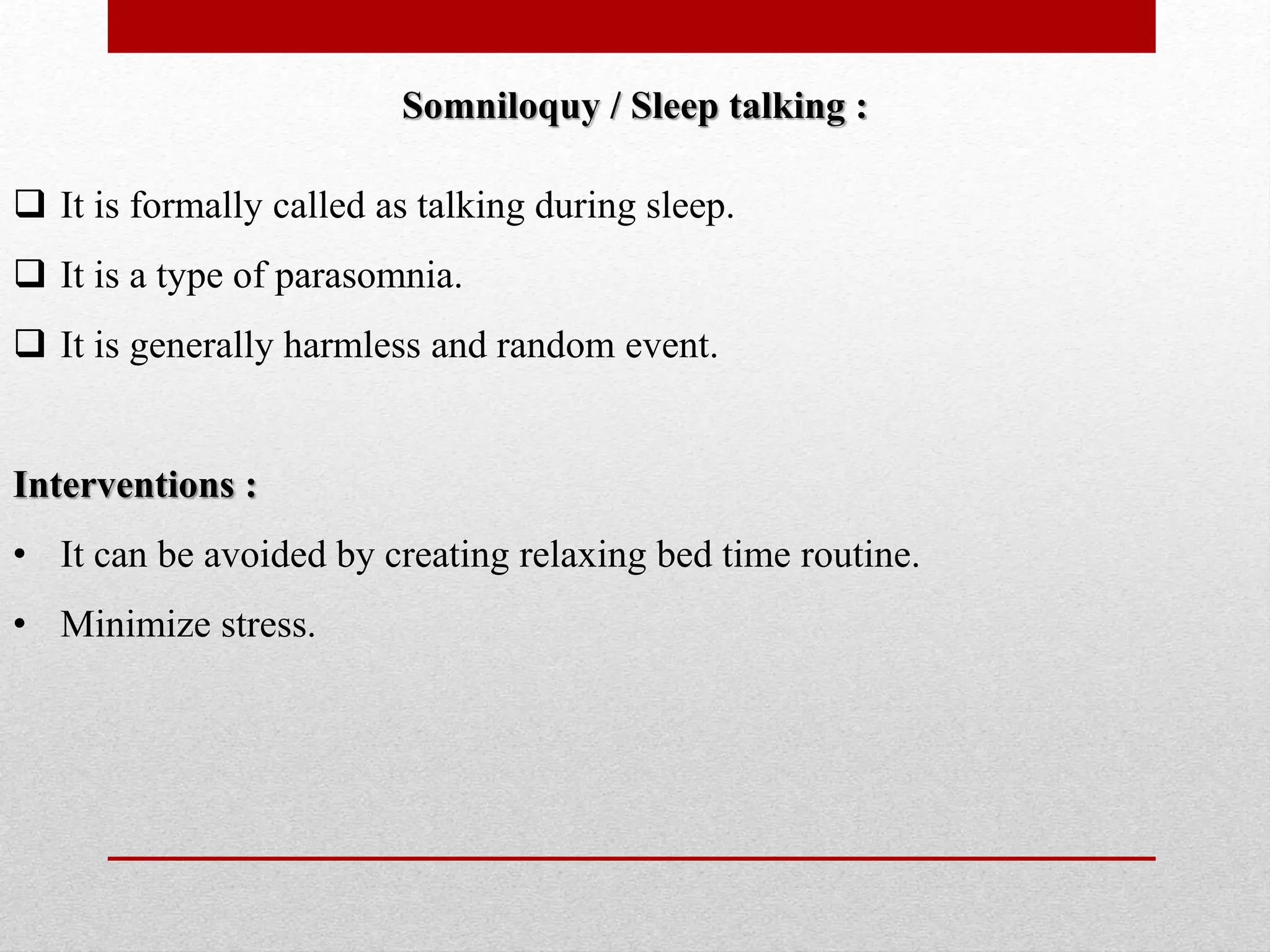
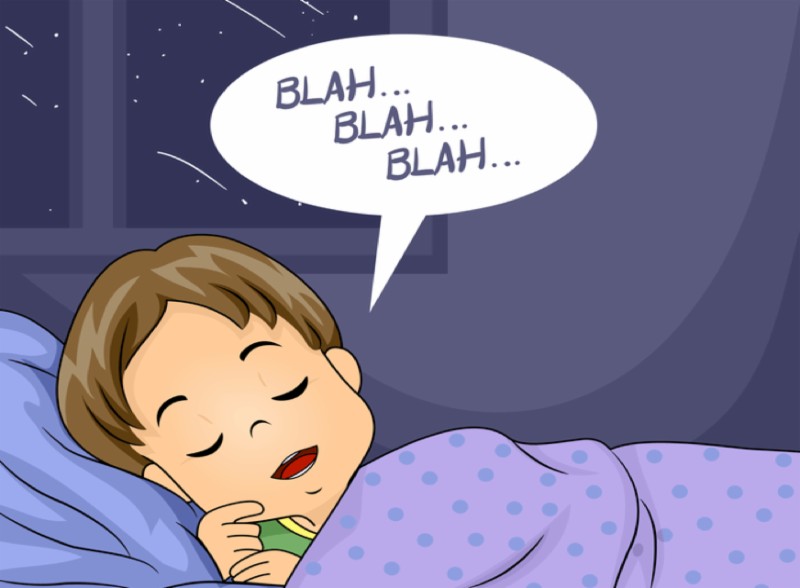
Sleep talking during sleep, also known as somniloquy, is a parasomnia that causes people to speak while asleep. It is a relatively common condition that can occur in people of all ages, but it is most prevalent in children and adolescents. Sleep talking can range from simple sounds to complex sentences and can be loud or soft, depending on the individual.Causes of Sleep Talking During Sleep
While the exact cause of sleep talking is still not fully understood, there are several factors that can contribute to it. Some of the possible causes of sleep talking include:- Stress and anxiety: High levels of stress and anxiety can trigger sleep talking.
- Sleep disorders: Sleep disorders such as sleep apnea, insomnia, and restless leg syndrome can increase the risk of sleep talking.
- Medications: Certain medications, such as sedatives and antidepressants, can increase the risk of sleep talking.
- Alcohol consumption: Drinking alcohol before bedtime can increase the risk of sleep talking.
- Sleep deprivation: Lack of sleep or disrupted sleep patterns can increase the risk of sleep talking.
Symptoms of Sleep Talking During Sleep
The symptoms of sleep talking can vary from person to person, but common symptoms include:- Talking during sleep: The most obvious symptom of sleep talking is talking during sleep, which can range from simple sounds to complex sentences.
- Loud talking: Sleep talking can be loud or soft, depending on the individual.
- Recurring episodes: Sleep talking can occur sporadically or frequently, depending on the individual.
- Difficulty sleeping: Sleep talking can disrupt sleep patterns and make it difficult to fall asleep or stay asleep.

Treatment of Sleep Talking During Sleep
Treatment for sleep talking depends on the underlying cause and the severity of the symptoms. Some common treatments for sleep talking include:- Stress management techniques: Stress management techniques, such as meditation and deep breathing, can help reduce stress and anxiety that may be contributing to sleep talking.
- Sleep hygiene practices: Good sleep hygiene practices, such as maintaining a consistent sleep schedule, creating a relaxing bedtime routine, and avoiding caffeine and electronics before bedtime, can help improve sleep quality and reduce the risk of sleep talking.
- Relaxation techniques: Relaxation techniques, such as progressive muscle relaxation and visualization, can help reduce stress and anxiety that may be contributing to sleep talking.
- Medications: In some cases, medications may be prescribed to help manage sleep talking, such as sedatives or antidepressants.
Prevention of Sleep Talking During Sleep
Preventing sleep talking requires a combination of good sleep hygiene practices and stress management techniques. Some tips for preventing sleep talking include:- Maintain a consistent sleep schedule.
- Create a relaxing bedtime routine.
- Avoid caffeine and electronics before bedtime.
- Practice stress management techniques, such as meditation and deep breathing.
- Get regular exercise to help reduce stress and anxiety.