Sleeping Hours Consistency: The Key to Unlocking Better Health and Performance
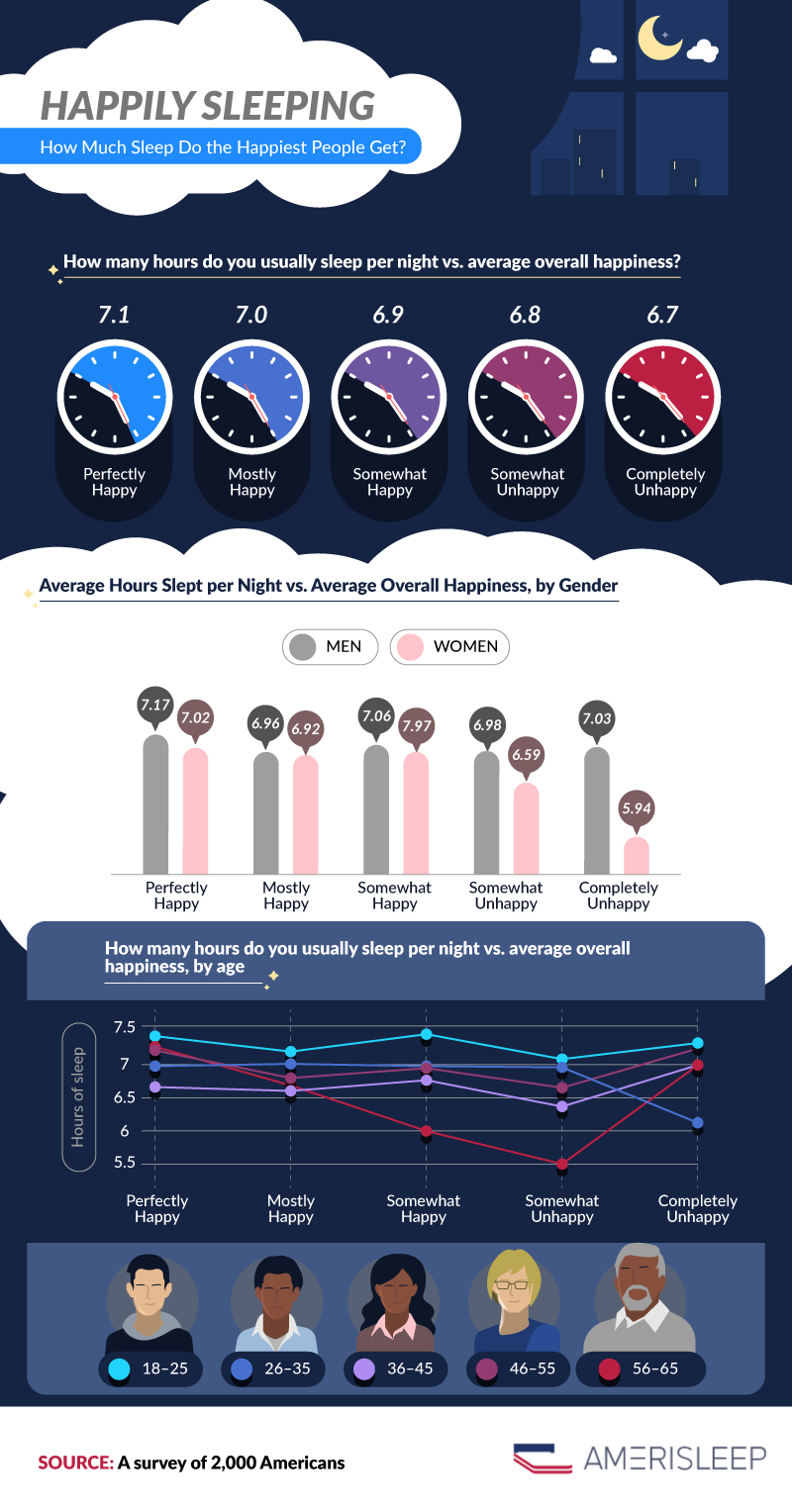
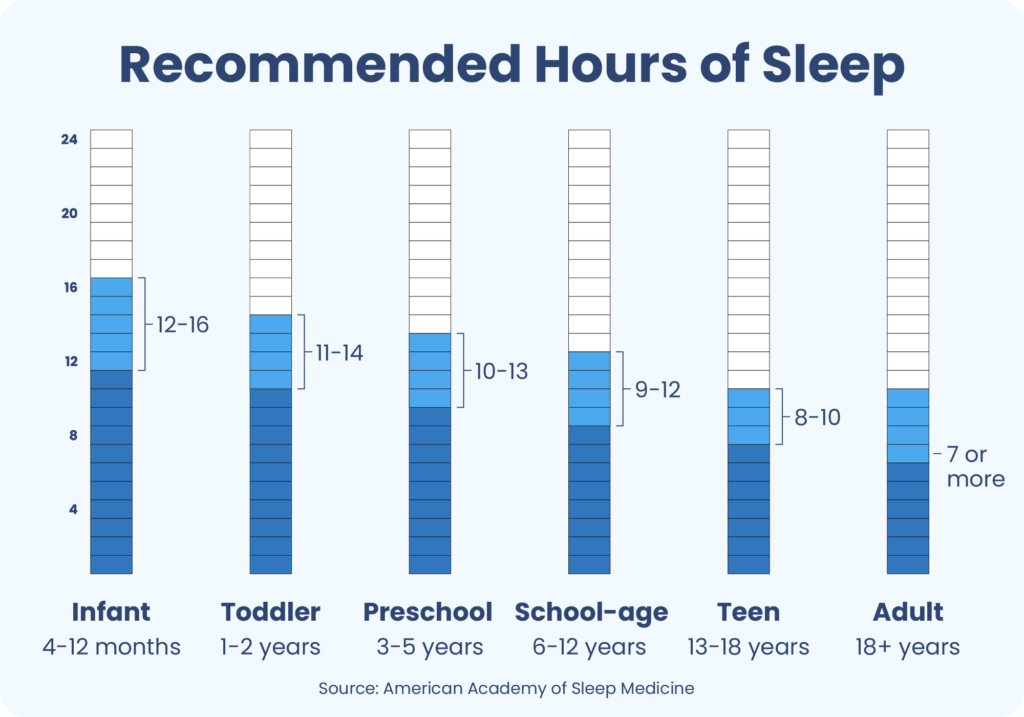
When it comes to sleep, most of us focus on the quantity – how many hours we sleep each night. However, research suggests that sleeping hours consistency is just as important, if not more so, than the actual amount of sleep we get. In this article, we'll explore the importance of sleeping hours consistency and provide tips on how to establish a consistent sleep schedule.
What is Sleeping Hours Consistency?
Sleeping hours consistency refers to the ability to maintain a regular sleep schedule, with a consistent bedtime and wake-up time, even on weekends and days off. This means going to bed and waking up at roughly the same time every day, give or take 30 minutes.
The Benefits of Sleeping Hours Consistency
Research has shown that sleeping hours consistency is linked to numerous health benefits, including:
- Improved cognitive performance and memory
- Enhanced mental well-being and reduced stress levels
- Better emotional regulation and mood stability
- Improved physical health, including reduced risk of chronic diseases such as diabetes and cardiovascular disease
- Increased productivity and efficiency during the day
The Importance of Establishing a Consistent Sleep Schedule
Establishing a consistent sleep schedule can be achieved by:
- Setting a regular bedtime and wake-up time, even on weekends and days off
- Creating a relaxing bedtime routine to signal to the body that it's time to sleep
- Gradually adjusting the sleep schedule to a consistent one, rather than trying to change it abruptly
- Avoiding screens and electronic devices before bedtime
- Creating a sleep-conducive environment, including keeping the bedroom cool, dark, and quiet
Challenges to Sleeping Hours Consistency
Despite the benefits, there are several challenges that can make it difficult to maintain a consistent sleep schedule, including:
- Irregular work schedules or shift work
- Travel or time zone changes
- Family or social commitments that disrupt sleep patterns
- Health conditions or medications that affect sleep
Conclusion
In conclusion, sleeping hours consistency is a critical component of overall health and performance. By establishing a regular sleep schedule and creating a sleep-conducive environment, individuals can improve their cognitive function, mental well-being, and physical health. While challenges may arise, with persistence and dedication, anyone can develop a consistent sleep schedule that sets them up for success.
Recommendations
For those struggling to establish a consistent sleep schedule, consider the following recommendations:
- Keep a sleep diary to track sleep patterns and identify areas for improvement
- Consult with a healthcare professional for guidance on establishing a consistent sleep schedule
- Gradually adjust the sleep schedule to a consistent one, rather than trying to change it abruptly
- Experiment with different relaxation techniques, such as meditation or deep breathing, to improve sleep quality



.webp "Sleep consistency vs. sleep duration: which matters more")