The Dangers of Constant Notifications: How Alerts Hijack Your Attention and Affect Your Mental Health
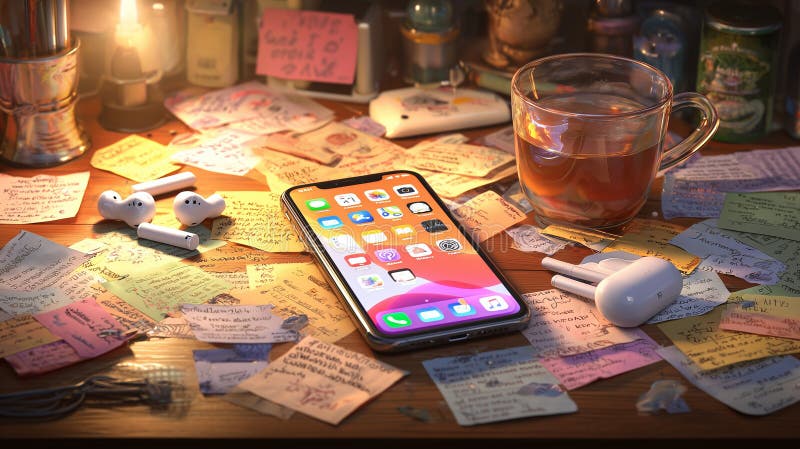
Notifications have become an integral part of our daily lives. From our smartphones to our laptops, we are constantly bombarded with notifications from social media, email, and other apps. While some notifications are important, they can all influence our mental health and emotional well-being - positively and negatively.
How Constant Notifications Hijack Your Attention
Notifications are engineered to trigger anticipation. That tiny buzz promises novelty or reward, nudging your brain's threat/reward system into high gear. Our brains have evolved to respond quickly to potential threats, and notifications exploit this. When your phone buzzes, your brain's amygdala goes on high alert, releasing stress hormones like cortisol and adrenaline. This stress response is meant to be short-lived, but in today's era of constant notifications, it's become a persistent state.
The result is a fragmented attention span, with our brains constantly switching between tasks and stimuli. This is known as "continuous partial attention," a state of being perpetually distracted. Our brains are like a multi-tasking machine, working on several tasks simultaneously, but only managing to do them poorly. This can lead to mental fatigue, decreased productivity, and reduced focus.
Impact on Vulnerable Groups
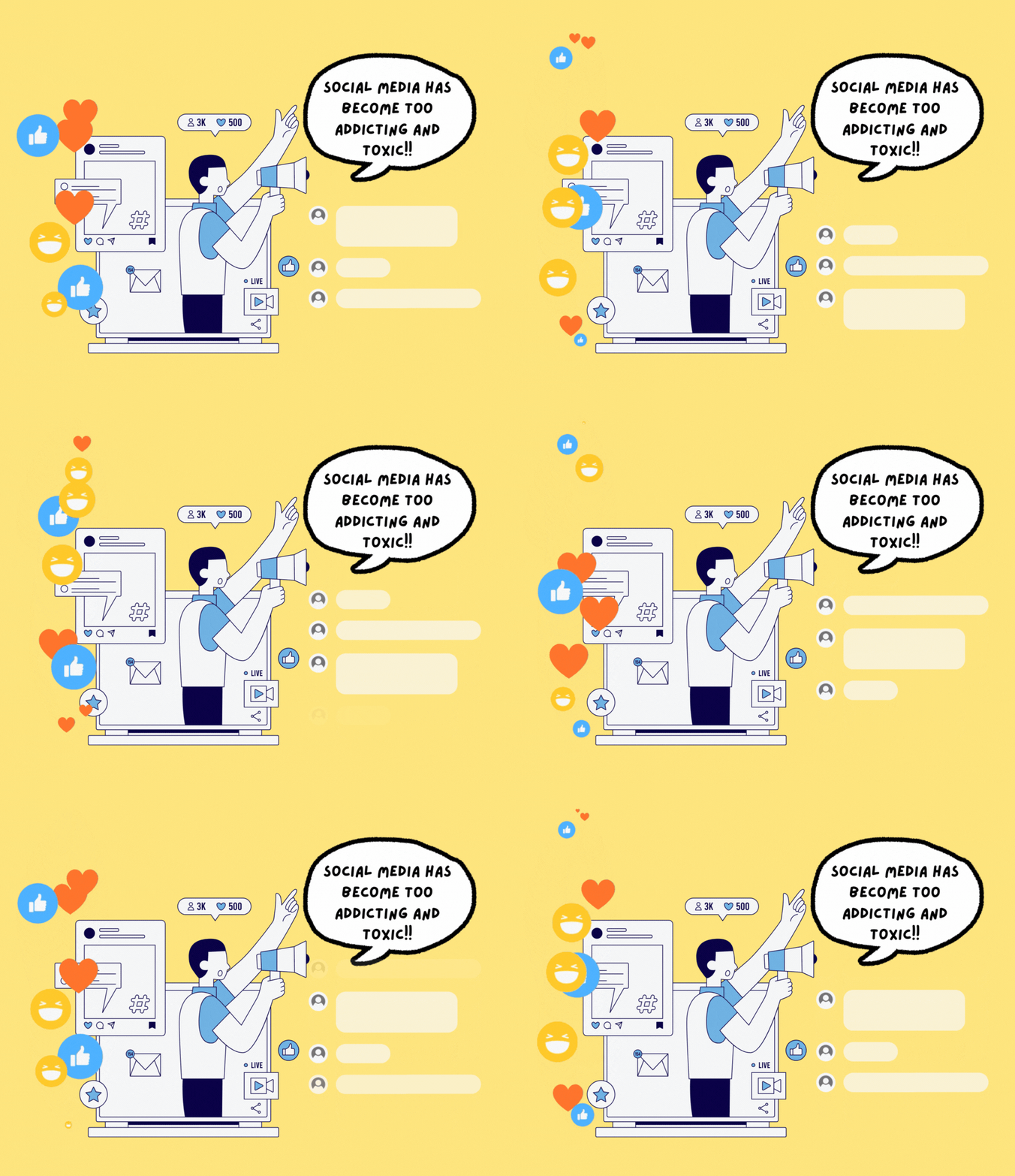
Constant notifications can have a disproportionate impact on vulnerable groups, such as children, teenagers, and individuals with anxiety or depression. Young people are particularly susceptible to the allure of social media, with over 50% of teenagers constantly on social media. The fear of missing out (FOMO) and anxiety spikes are common consequences of excessive notification exposure.
Children's developing brains are especially vulnerable to the effects of constant notifications. Research suggests that excessive screen time and notification exposure can lead to changes in brain development, including reduced grey matter and altered emotional regulation.
Stress, Anxiety, and Digital Fatigue

Constant notifications can also perpetuate stress and anxiety. The constant ping of notifications creates a sense of hypervigilance, as our brains feel like they're constantly on high alert. This can lead to digital fatigue, where we feel overwhelmed by the sheer volume of digital inputs, including emails, messages, and social media notifications.
According to a recent survey, 60% of employees feel overwhelmed by digital notifications, with 40% reporting reduced creativity and well-being as a result. The relentless chime of emails and notifications is affecting our mental health and productivity.
Simple Strategies to Reclaim Focus and Balance
While the effects of constant notifications can be insidious, there are simple strategies to reclaim focus and balance. Here are some practical tips to help you reduce notification fatigue:
- Turn off notifications for non-essential apps: Most apps are designed to trigger notifications to keep you engaged. Disable notifications for apps you don't need to stay updated on.
- Set specific notification times: Limit your notification exposure to specific times, such as during breaks or when you're in a meeting.
- Use notification blockers: Tools like Freedom, SelfControl, or website blockers can help you stay focused on tasks and avoid digital distractions.
- Practice mindfulness and self-compassion: Regular mindfulness practice and self-compassion can help you become more aware of your digital habits and develop healthier ones.
The Bigger Picture
Constant notifications are a symptom of a larger issue - our addiction to digital media and technology. The challenge is learning how to manage notifications before they quietly erode our focus and mental energy. The cognitive cost isn't about one ping or one message - it's about the steady drain over time.
As we navigate the complexities of modern life, it's essential to recognize the dangers of constant notifications and take steps to reclaim our focus, balance, and mental well-being. By doing so, we can create a healthier relationship with technology and live more intentionally, rather than being controlled by the constant ping of notifications.