Understanding the Alcohol Consumption During Pregnancy Timeline
Alcohol consumption during pregnancy can have severe consequences for the developing fetus. The consequences of alcohol exposure vary depending on the severity, duration, and frequency of alcohol consumption during gestation. It is essential to understand the effects of alcohol on fetal development at different stages of pregnancy.
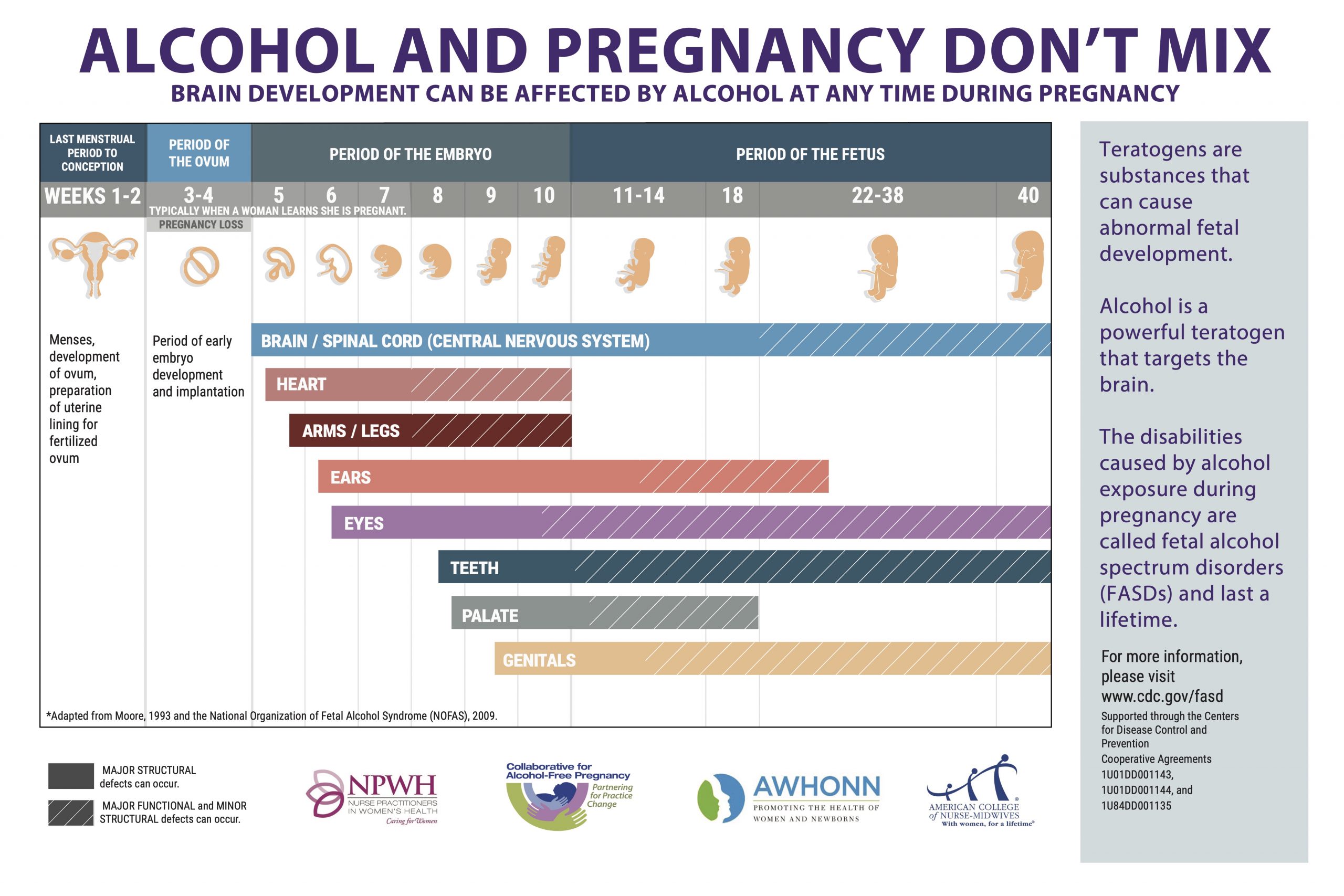
Weeks 1-3: Implantation and Early Embryonic Development
During weeks 1-3, the embryo is susceptible to structural abnormalities due to alcohol exposure. The brain and central nervous system are particularly vulnerable to the teratogenic effects of alcohol. Any amount of alcohol consumption during this time can disrupt cell division and growth, potentially leading to birth defects.
Weeks 4-8: Organ Development
Between weeks 4-8, the organs and body systems begin to develop rapidly. Excessive alcohol consumption during this period can lead to impaired growth and central nervous system problems, including low birth weight and behavioral issues.
- Abnormal facial features
- Low birth weight
- Behavioral problems
Weeks 9-20: Fetal Development and Growth
As the fetus continues to develop, alcohol exposure can affect physical and mental development, leading to birth defects and long-term health issues.
- Physical disabilities
- Mental disabilities
- Behavioral problems
Weeks 21-40: Maternal Health and Fetal Well-being
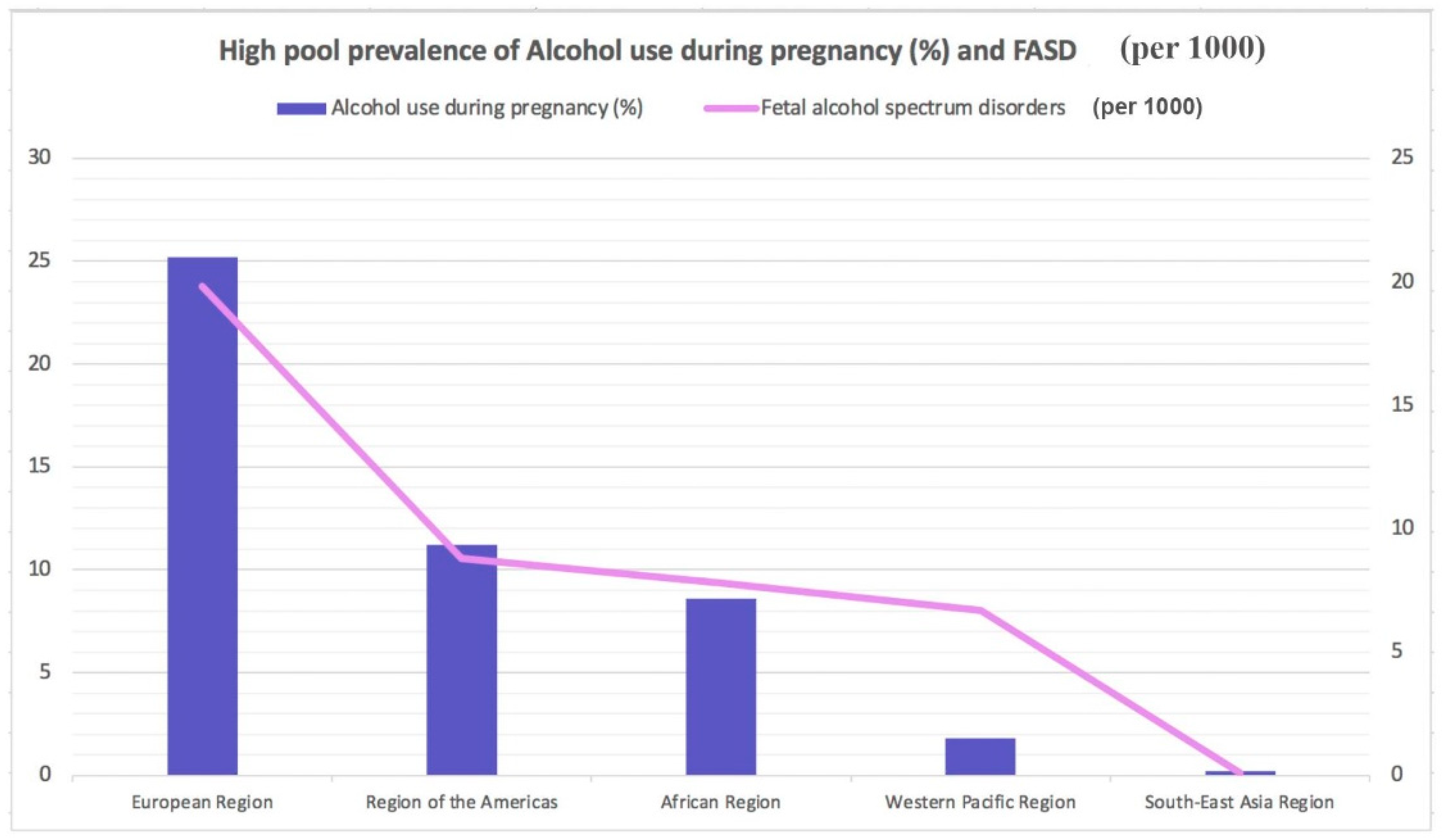
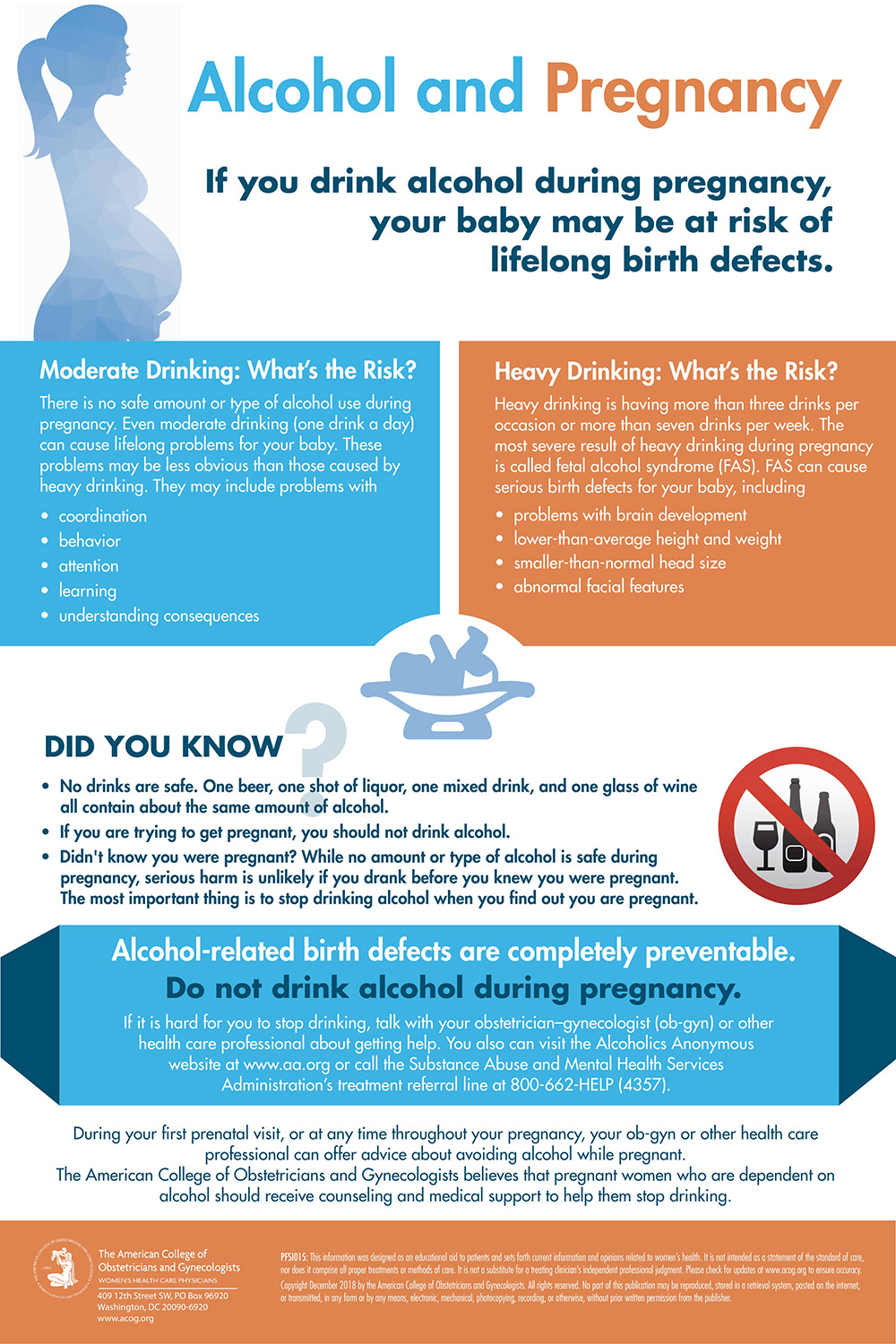
As the pregnancy progresses, maternal health and fetal well-being are critical factors in determining the impact of alcohol consumption. Drinking heavily throughout pregnancy can result in severe birth defects, including fetal alcohol syndrome (FAS).
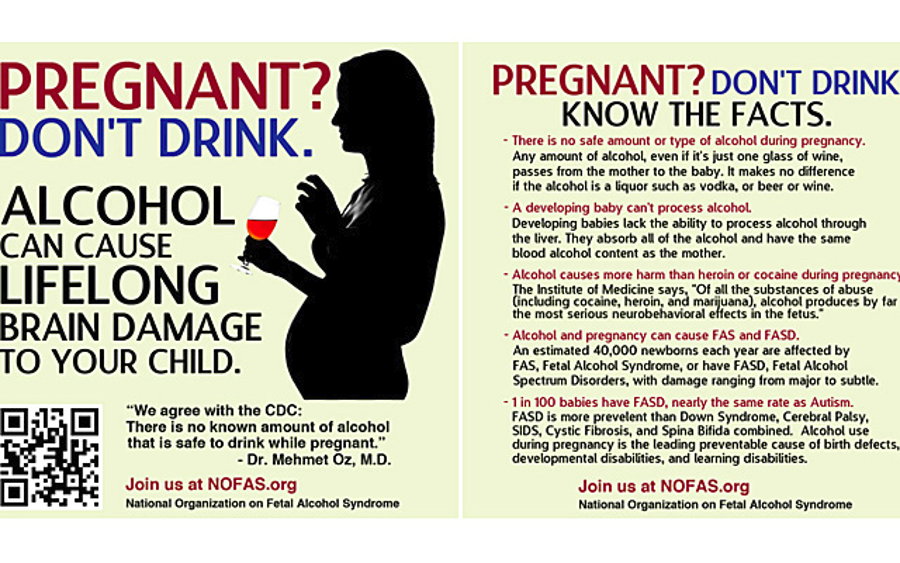
Fetal alcohol syndrome is a spectrum of disorders that can cause lifelong problems with development, behavior, and learning. It is essential for women to avoid alcohol consumption during pregnancy to prevent FAS and other related health conditions.
Preventing Harm with the Right Choices
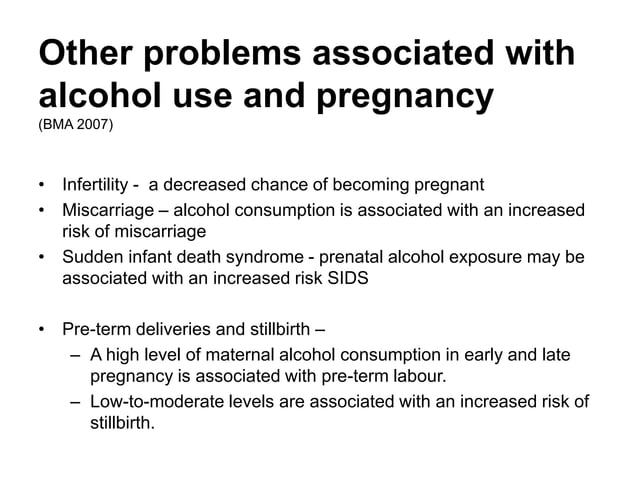
Women who are pregnant or planning a pregnancy should not drink alcohol. The risks associated with alcohol consumption during pregnancy include miscarriage, premature birth, and low birth weight. Even a small amount of alcohol can harm a baby's development and may have lifelong effects.
Given the potential consequences of alcohol consumption during pregnancy, it is crucial to understand the timeline of fetal development and the impact of alcohol exposure on the fetus. By making informed choices and avoiding alcohol entirely, women can reduce the risks and ensure a healthy pregnancy.
Conclusion
Alcohol consumption during pregnancy is a leading preventable cause of birth defects and developmental disabilities. Women who are pregnant or planning a pregnancy should avoid alcohol entirely to minimize the risks to their baby's health. It is essential to be informed about the effects of alcohol on fetal development and to make responsible choices to ensure a healthy pregnancy.
References:
- Substance Abuse and Mental Health Services Administration (SAMHSA). (2023). Pregnancy and Alcohol Use.
- Centers for Disease Control and Prevention (CDC). (2023). Fetal Alcohol Spectrum Disorders.
- World Health Organization (WHO). (2020). Alcohol and Pregnancy.