The Best Ways to Protect Personal Data: A Guide to Safeguarding Your Digital Existence
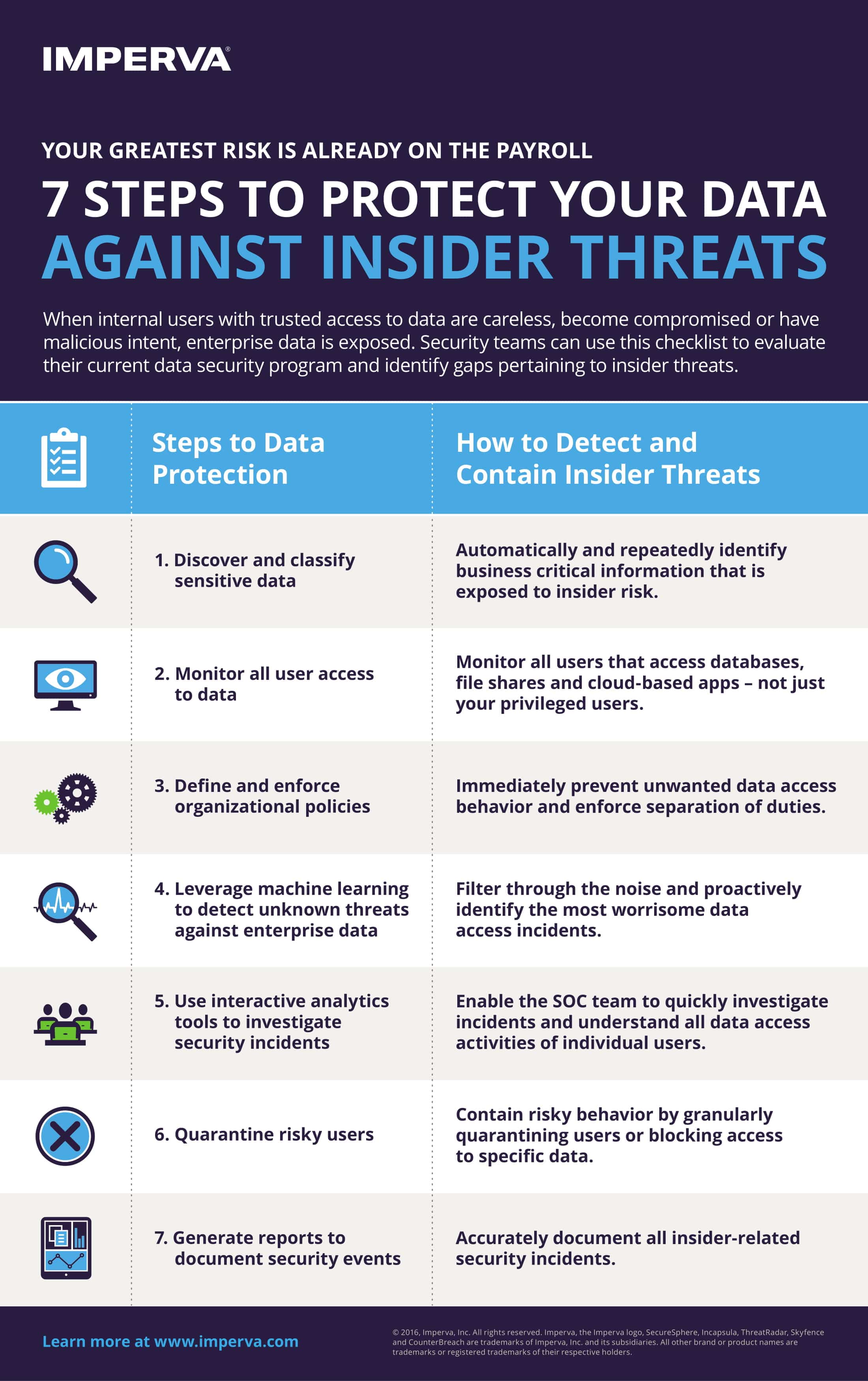
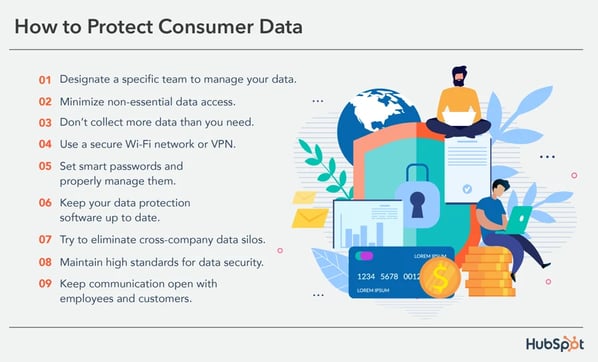
In today's digital age, personal data is more valuable than ever. With the rise of social media, online banking, and e-commerce, the amount of sensitive information we share online has increased exponentially. However, this also means that the risk of data breaches, identity theft, and cyber attacks has never been higher. In this article, we will explore the best ways to protect personal data and ensure online safety.
10 Essential Tips to Protect Your Personal Data
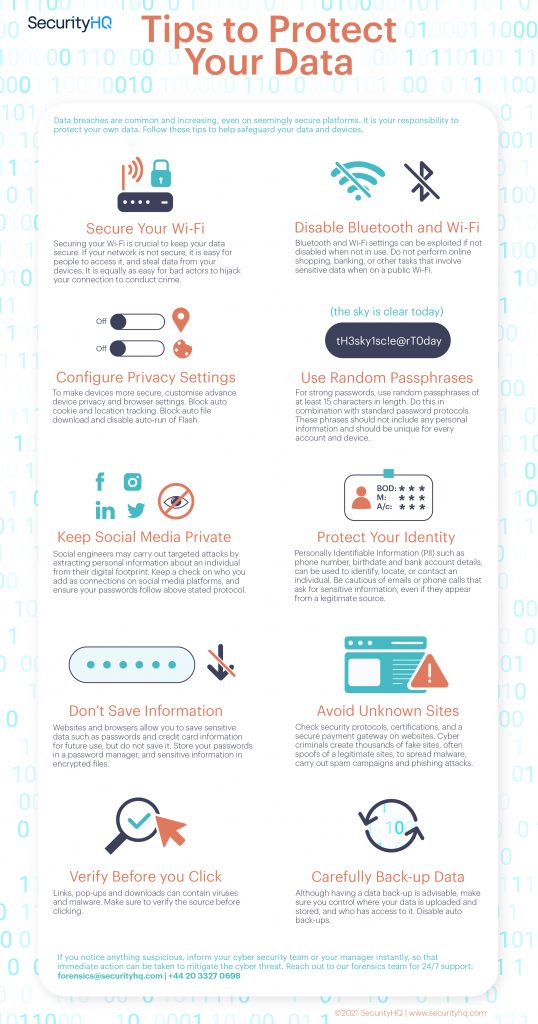
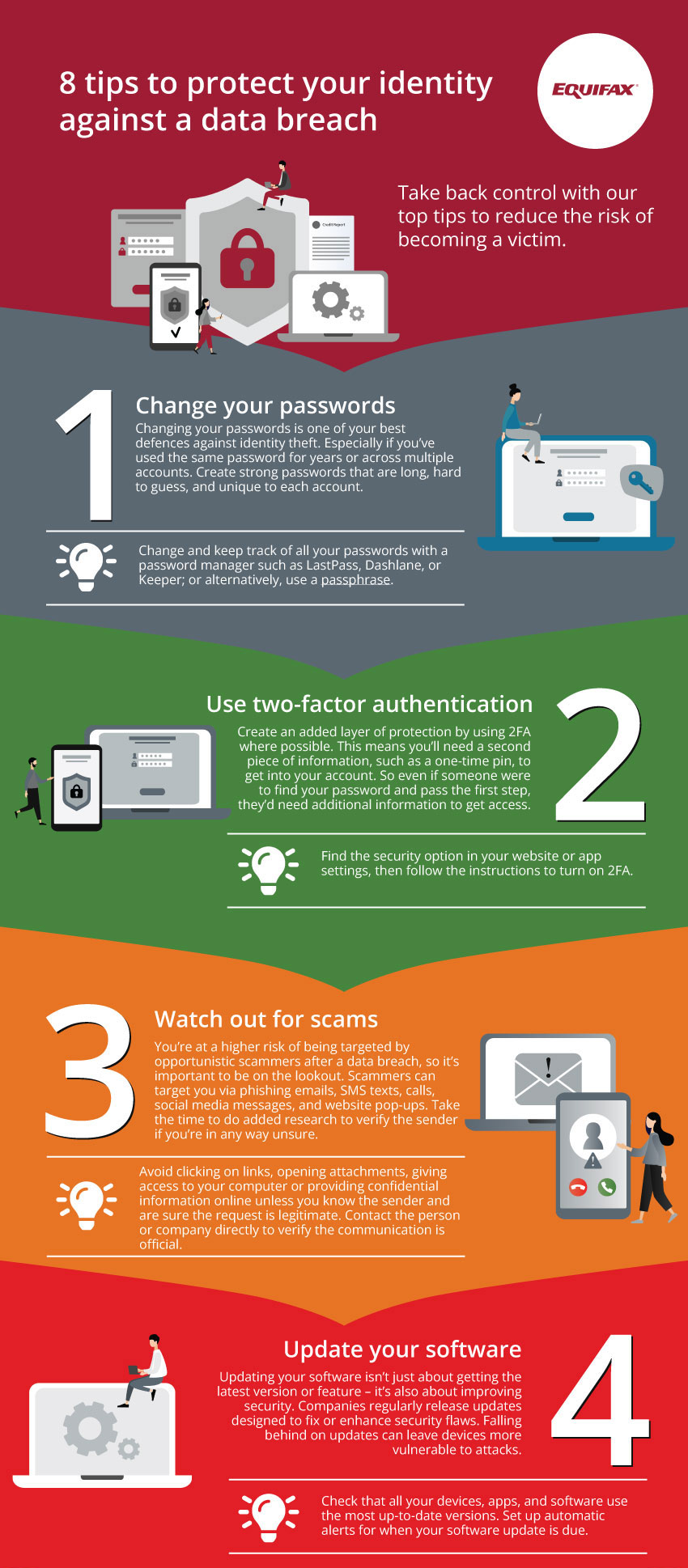
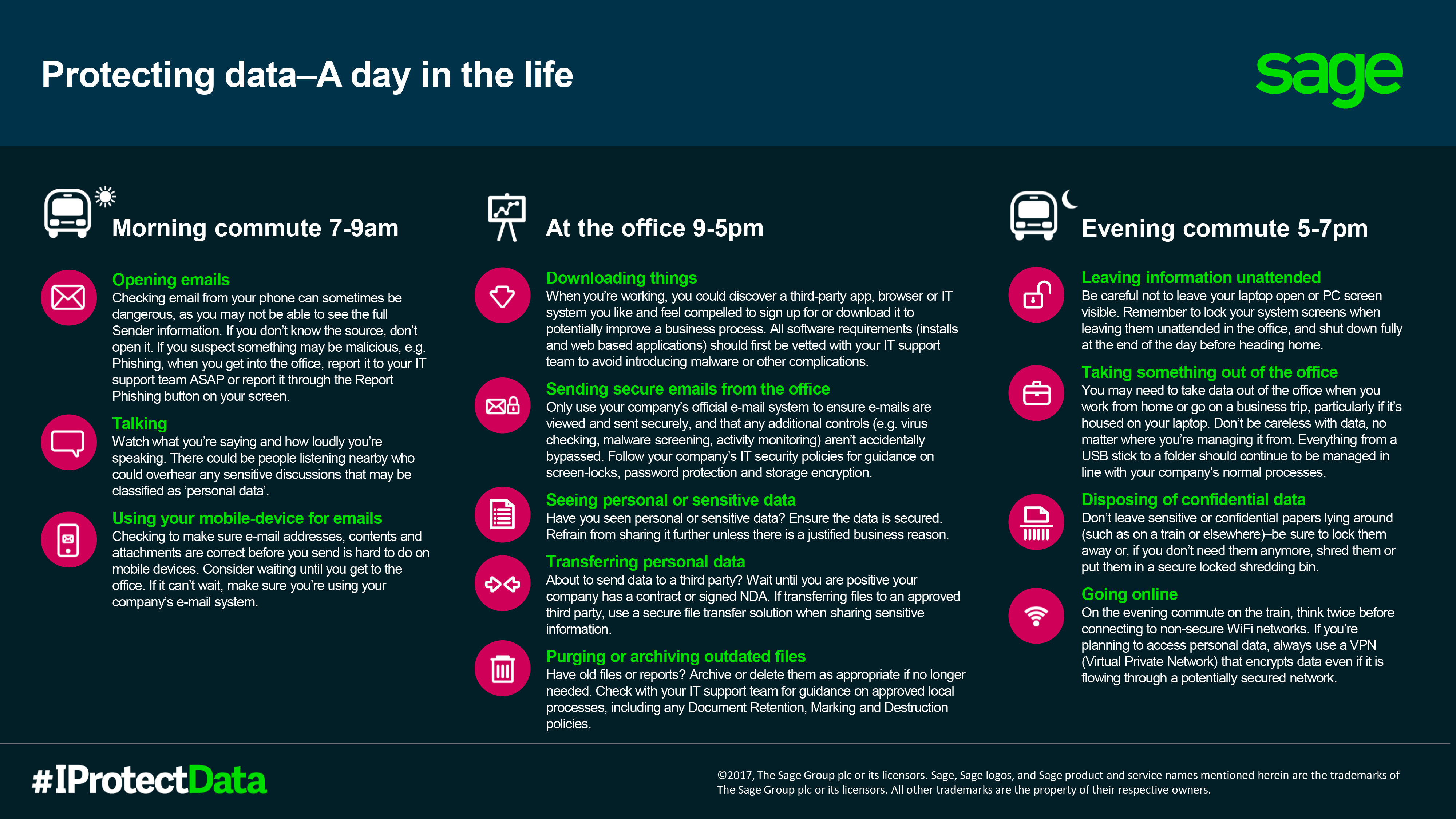
- 1. Use Strong and Unique Passwords - Avoid using easily guessable passwords like '123456' or 'password123.' Instead, use a combination of uppercase and lowercase letters, numbers, and special characters.
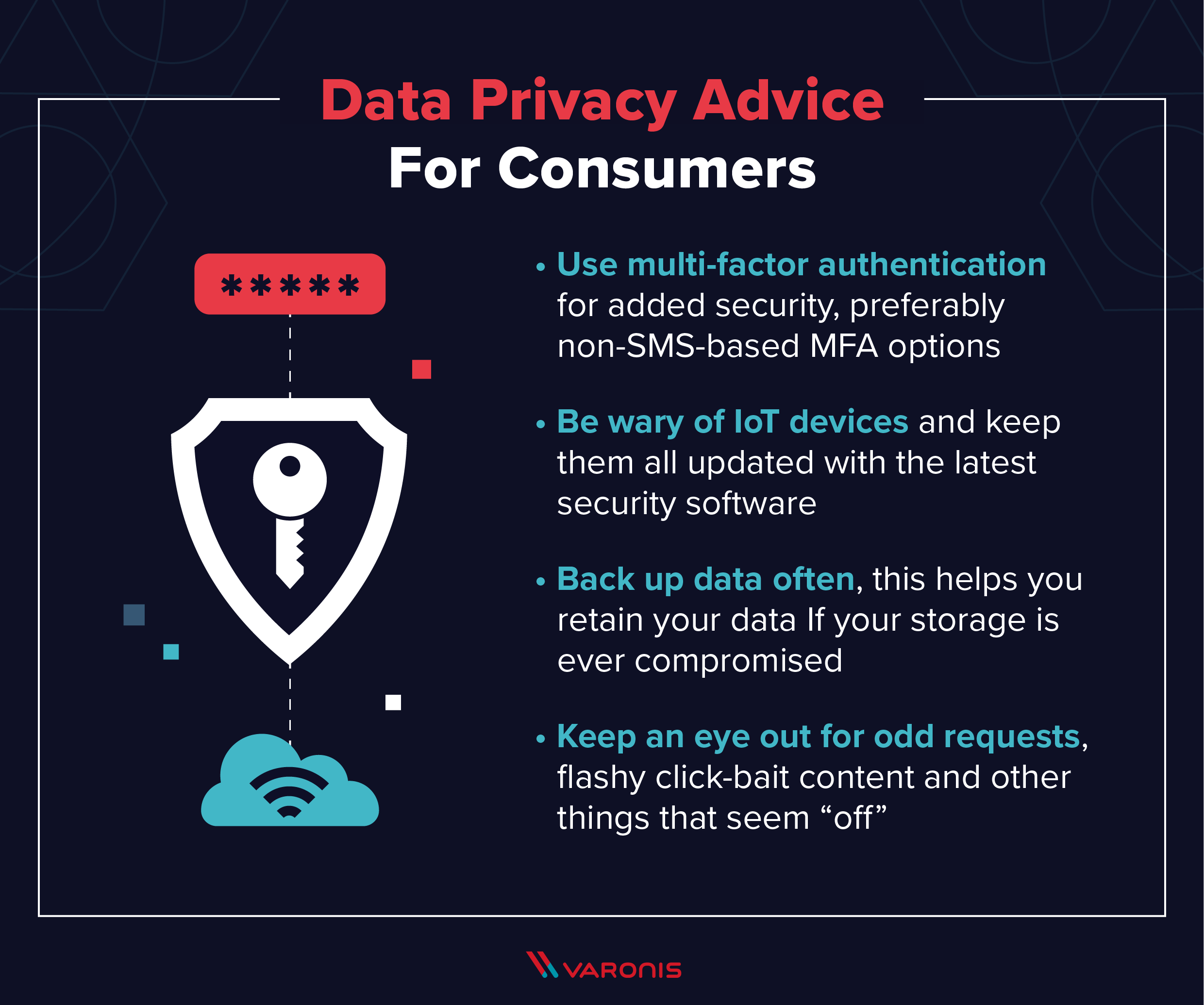
- 2. Enable Two-Factor Authentication (2FA) - Add an extra layer of security to your online accounts by enabling 2FA. This will require you to enter a code sent to your phone or email in addition to your password.
- 3. Keep Your Software Up-to-Date - Regularly update your operating system, browser, and other software to ensure you have the latest security patches and features.
- 4. Use a Virtual Private Network (VPN) - A VPN will encrypt your internet traffic and protect your data from being intercepted by hackers or ISPs.
- 5. Be Cautious with Public Wi-Fi - Avoid using public Wi-Fi networks for sensitive activities like online banking or shopping. Instead, use a VPN or a secure connection.
- 6. Use a Secure Browser - Choose a browser that offers robust encryption and security features, such as Tor or Firefox.
- 7. Monitor Your Account Activity - Regularly check your account statements and transaction history for any suspicious activity. Report any incidents to your bank or relevant authorities.
- 8. Use Encryption - Encrypt your data on your device using tools like AES or PGP. This will protect your data from being accessed by unauthorized parties.
- 9. Implement Access Controls - Limit access to your sensitive data and accounts by setting up access controls, such as passwords or biometric authentication.
- 10. Backup Your Data Regularly - Regularly back up your important data to external storage devices or cloud services to prevent loss in case of a data breach or hardware failure.
Additional Tips for Protecting Personal Data
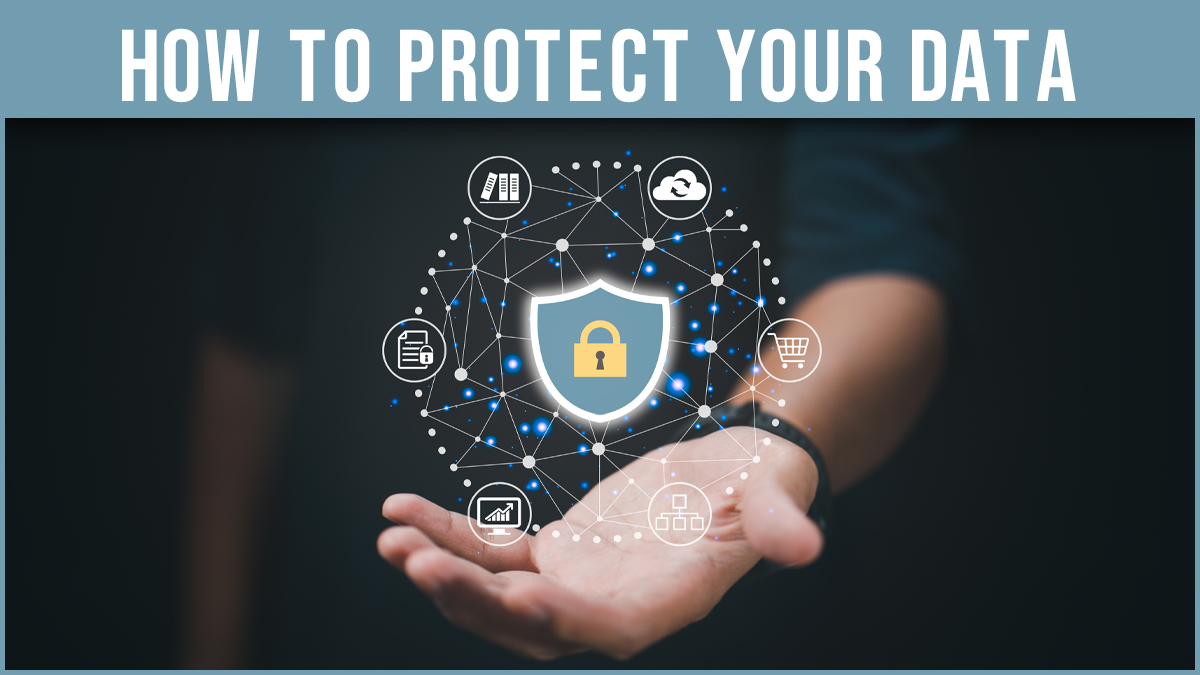
In addition to the above tips, there are a few more things you can do to protect your personal data:
- Secure Your Social Media Accounts - Set strong passwords, enable 2FA, and limit the information you share on social media platforms.
- Be Careful with Email Attachments - Avoid opening suspicious email attachments or clicking on links from unknown sources, as these can contain malware.
- Use a Password Manager - Consider using a password manager to generate and store unique, complex passwords for each of your online accounts.
- Regularly Review Your Online Presence - Regularly check online directories and websites to ensure your personal data is accurate and up-to-date.
Conclusion
Protecting personal data is an ongoing process that requires attention and effort. By following these best practices and tips, you can safeguard your sensitive information and minimize the risk of data breaches, identity theft, and cyber attacks. Remember, online safety is a shared responsibility between individuals, organizations, and governments. By working together, we can create a safer and more secure digital environment for everyone.