Understanding Cyberbullying: A Growing Concern in Today's Digital Age
Cyberbullying, a form of bullying that takes place over digital devices such as computers, smartphones, and tablets, has become a widespread issue in today's digital age. According to recent cyberbullying statistics, nearly half of U.S. teens have been bullied or harassed online, with physical appearance being a common reason why.
What is Cyberbullying?
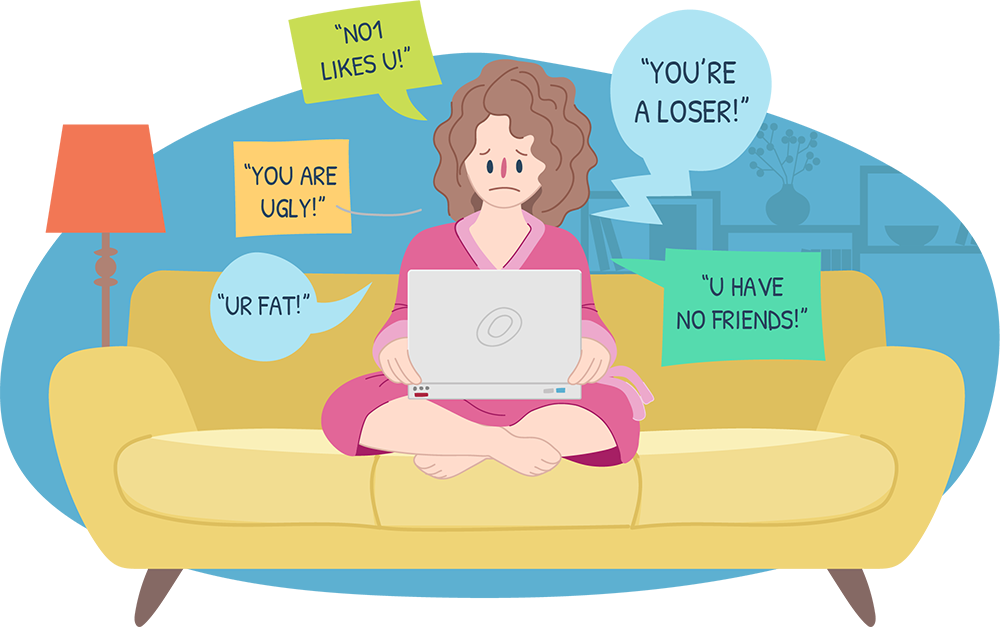
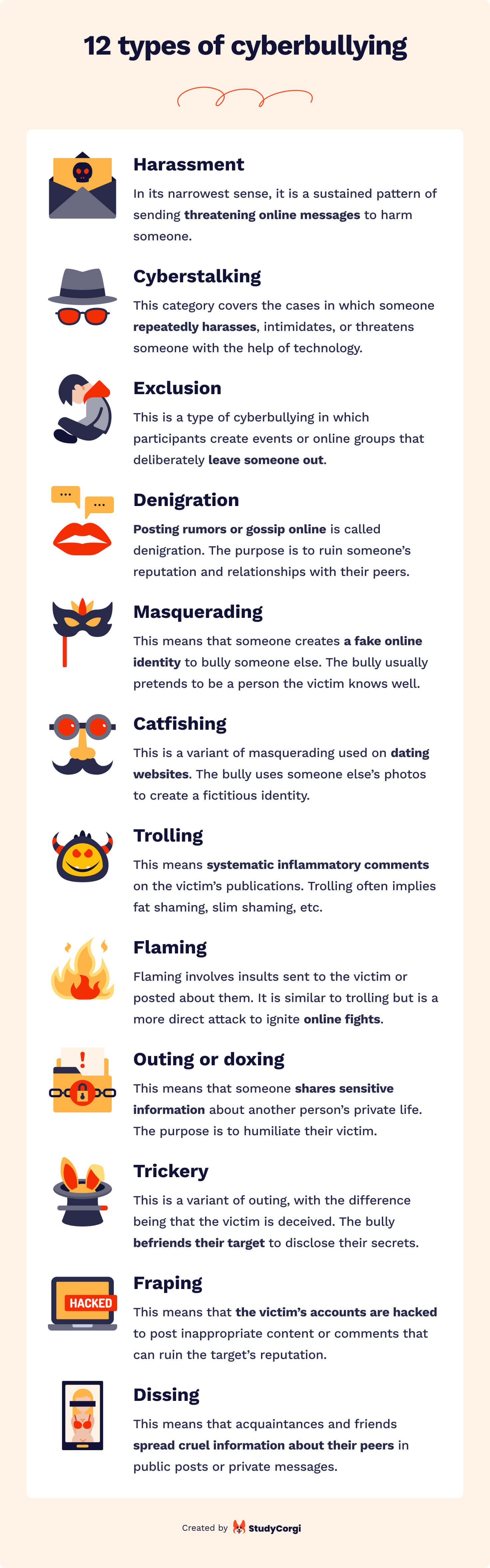
Cyberbullying is a type of bullying that involves intentional aggressive behaviors, both verbal and relational, towards a targeted peer using digital technology. It can include posts, comments, texts, messages, chats, livestreams, and other forms of online harassment that are intended to embarrass, belittle, insult, or threaten another person. This can lead to serious effects on kids' mental health, including increased risks of depression and anxiety, substance use, and suicide.
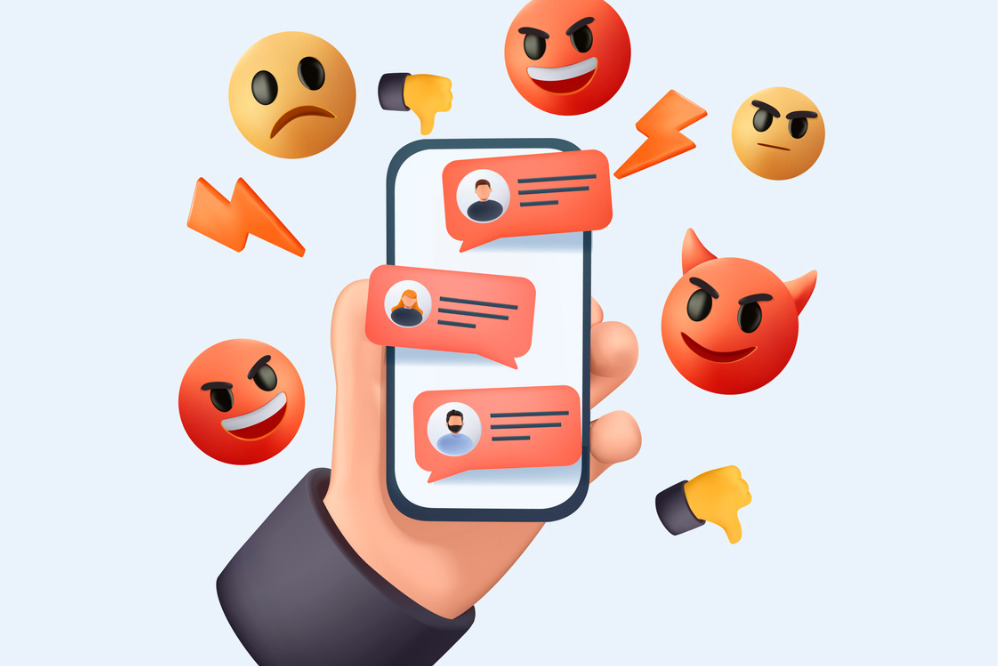
Cyberbullying can occur through various digital means, including social media, online gaming, texting, and emails. It can also involve retaliation, with the victim fighting back or responding to the bully online. This can create a cycle of online harassment that is difficult to break.
The Impact of Cyberbullying
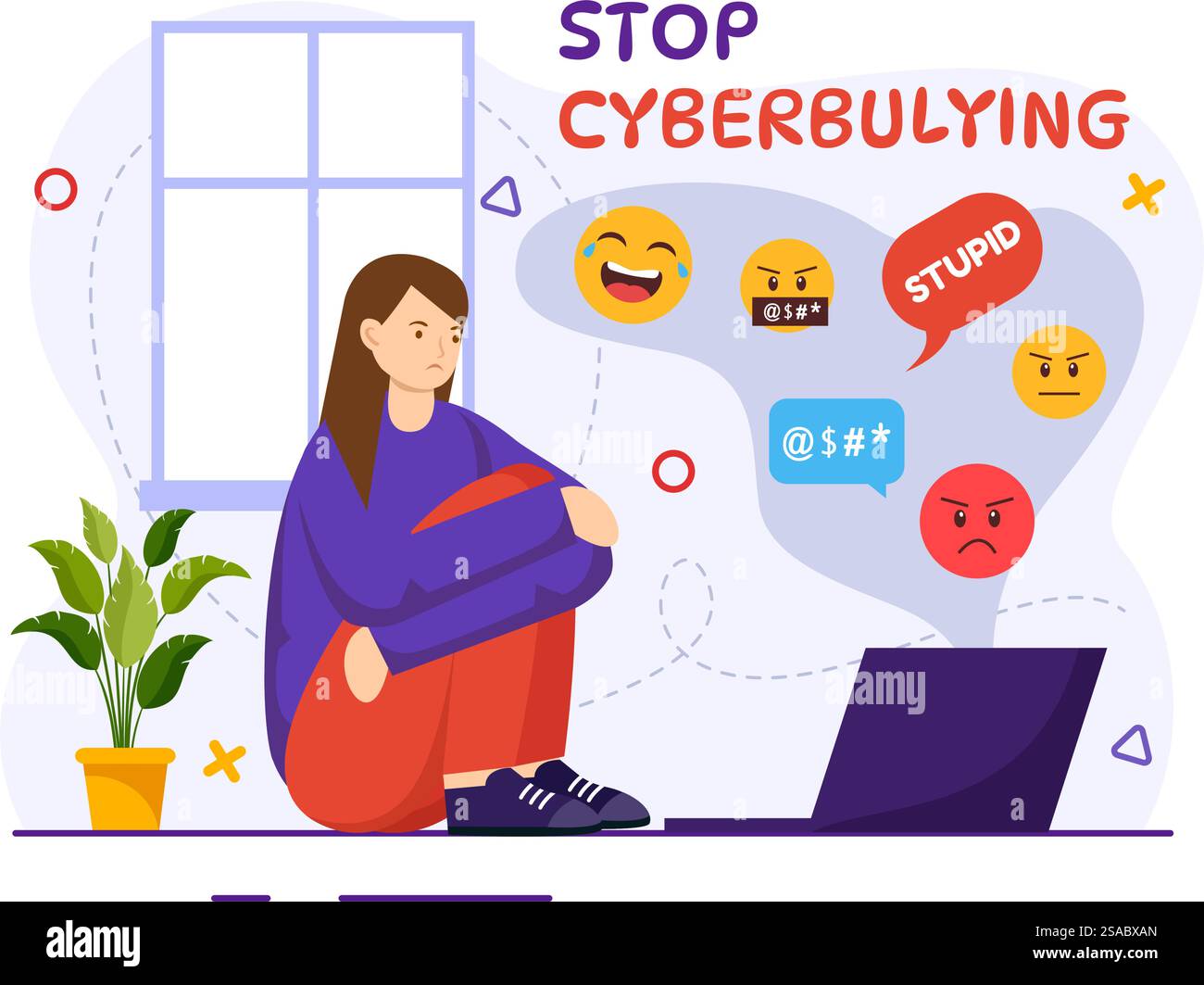
Cyberbullying can have severe and long-lasting effects on the mental health and well-being of victims. It can lead to feelings of isolation, low self-esteem, and anxiety, as well as depression, substance abuse, and even suicidal thoughts. The impact of cyberbullying can be particularly damaging for adolescents, who are already navigating challenging physical, emotional, and social changes.
Preventing and Reporting Cyberbullying

Preventing and reporting cyberbullying is crucial to protecting victims and promoting a safe online environment. Here are some steps to take if you or someone you know is experiencing cyberbullying:
- Don't respond to or forward cyberbullying messages.
- Keep evidence of cyberbullying, including dates, times, and descriptions of instances.
- Record screenshots, emails, and text messages.
- Use this evidence to report cyberbullying to authorities, school administrators, or online platforms.
- Document all incidents and interactions with the bully.
- Seek support from friends, family, or a trusted adult.
It is essential to remember that cyberbullying is not an acceptable part of online behavior. By working together, we can create a culture of empathy, respect, and kindness online and offline.
Resources for Dealing with Cyberbullying
There are many resources available to help individuals deal with cyberbullying. These include online support groups, counseling services, and educational materials. Here are some additional resources to consider:
- The Cyberbullying Research Center: This organization provides a wealth of information and resources on cyberbullying, including research, statistics, and prevention strategies.
- StopBullying.gov: This government website provides information and resources on bullying and cyberbullying, including prevention and response strategies.
- UNICEF: This international organization provides resources and support for individuals affected by cyberbullying, including online safety tips and counseling services.
By understanding the complexities of cyberbullying and taking proactive steps to prevent and address it, we can create a safer and more supportive online environment for all.