Does Melatonin Work for Dogs? A Comprehensive Guide
Melatonin, a hormone produced in the pineal gland, has been a topic of interest for many pet owners seeking to alleviate their dog's sleep disorders, anxiety, and other behavioral issues. While melatonin supplements are commonly associated with human sleep aid, research on its use in dogs is limited. In this article, we'll delve into the world of melatonin for dogs, exploring its benefits, dosages, side effects, and natural alternatives.
What is Melatonin and How Does it Work in Dogs?
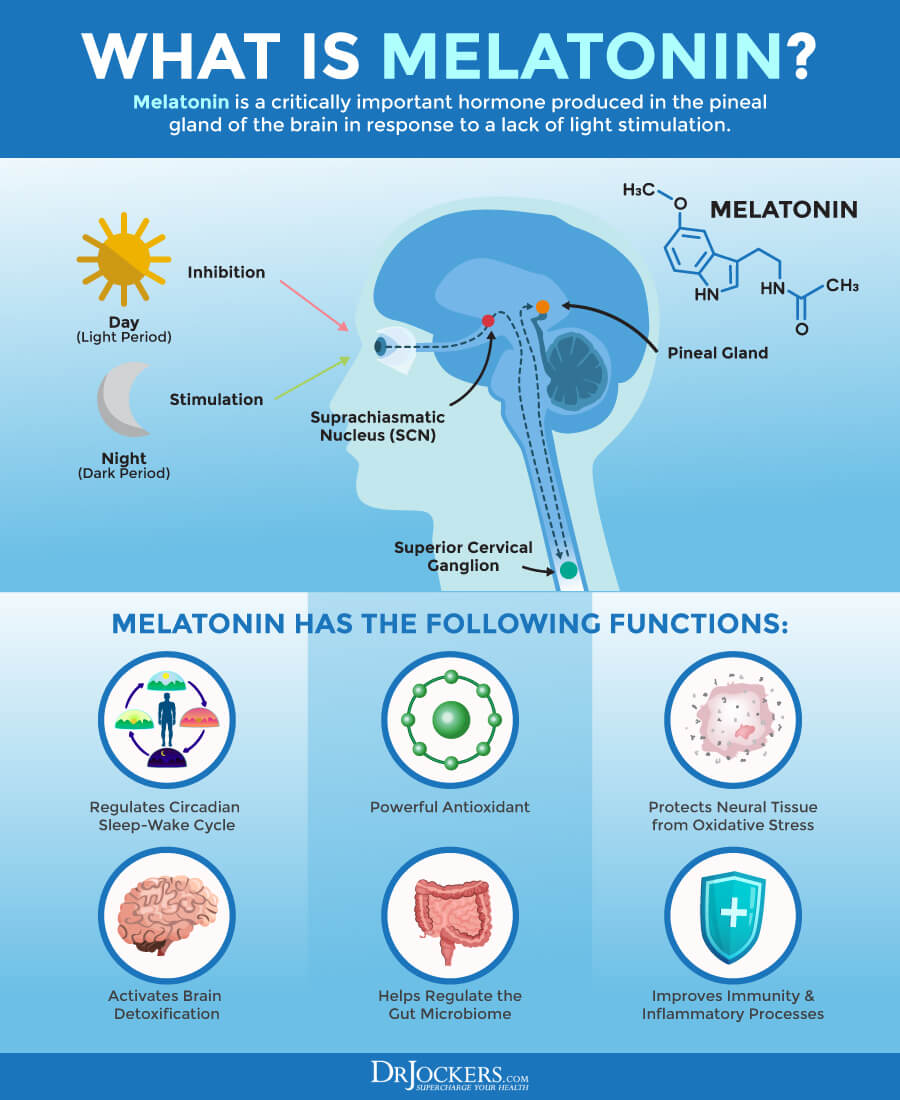
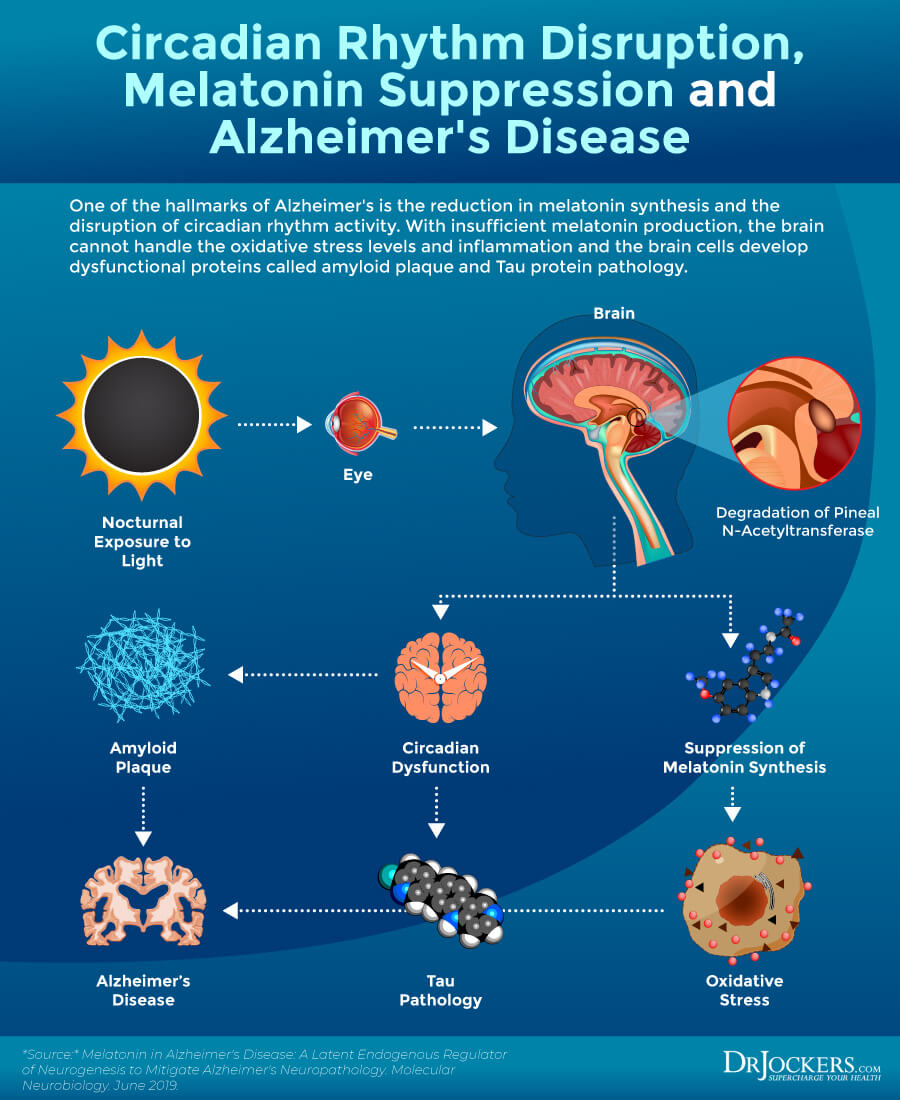
Melatonin is a natural hormone that regulates the sleep-wake cycle in both humans and dogs. Produced in the pineal gland, melatonin signals the brain that it's time to sleep, which can be beneficial for dogs experiencing sleep disturbances. When administered as a supplement, melatonin works by binding to receptors in the brain, promoting relaxation and calming effects.
Benefits of Melatonin for Dogs
- Regulates sleep-wake cycle
- Alleviates anxiety and stress
- Helps with separation anxiety
- Reduces noise phobias
- May improve hair loss and skin issues
When to Use Melatonin for Dogs
While melatonin supplements are not approved by the FDA for use in dogs, veterinarians often recommend them for managing various behavioral and medical conditions. Before administering melatonin to your dog, consult with a veterinarian to determine the best dosage and ensure it won't interact with any medications or exacerbate underlying health issues.
How to Administer Melatonin to Your Dog
- Determine your dog's weight and calculate the correct dosage (typically 0.1 milligrams per kilogram of body weight)
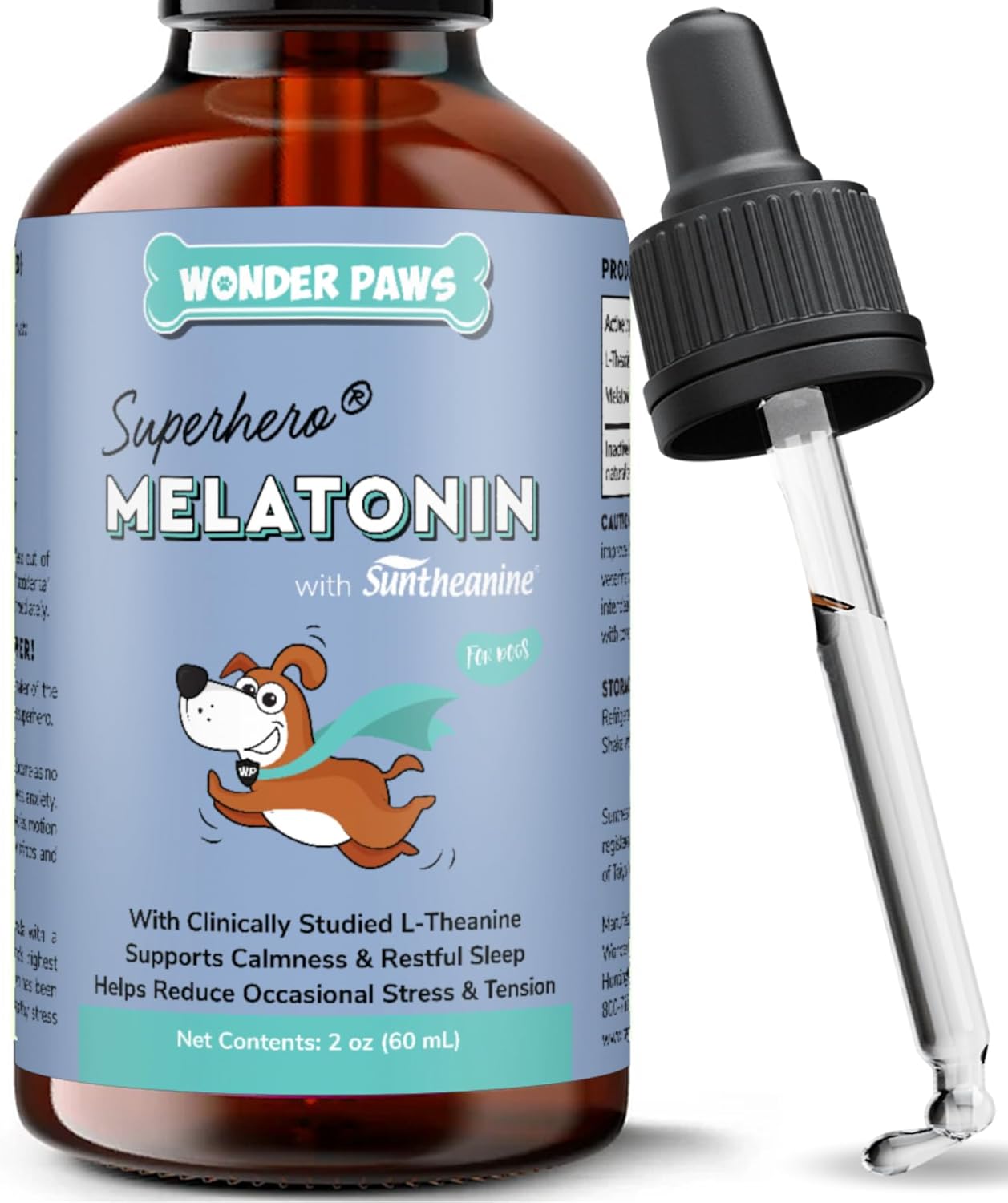
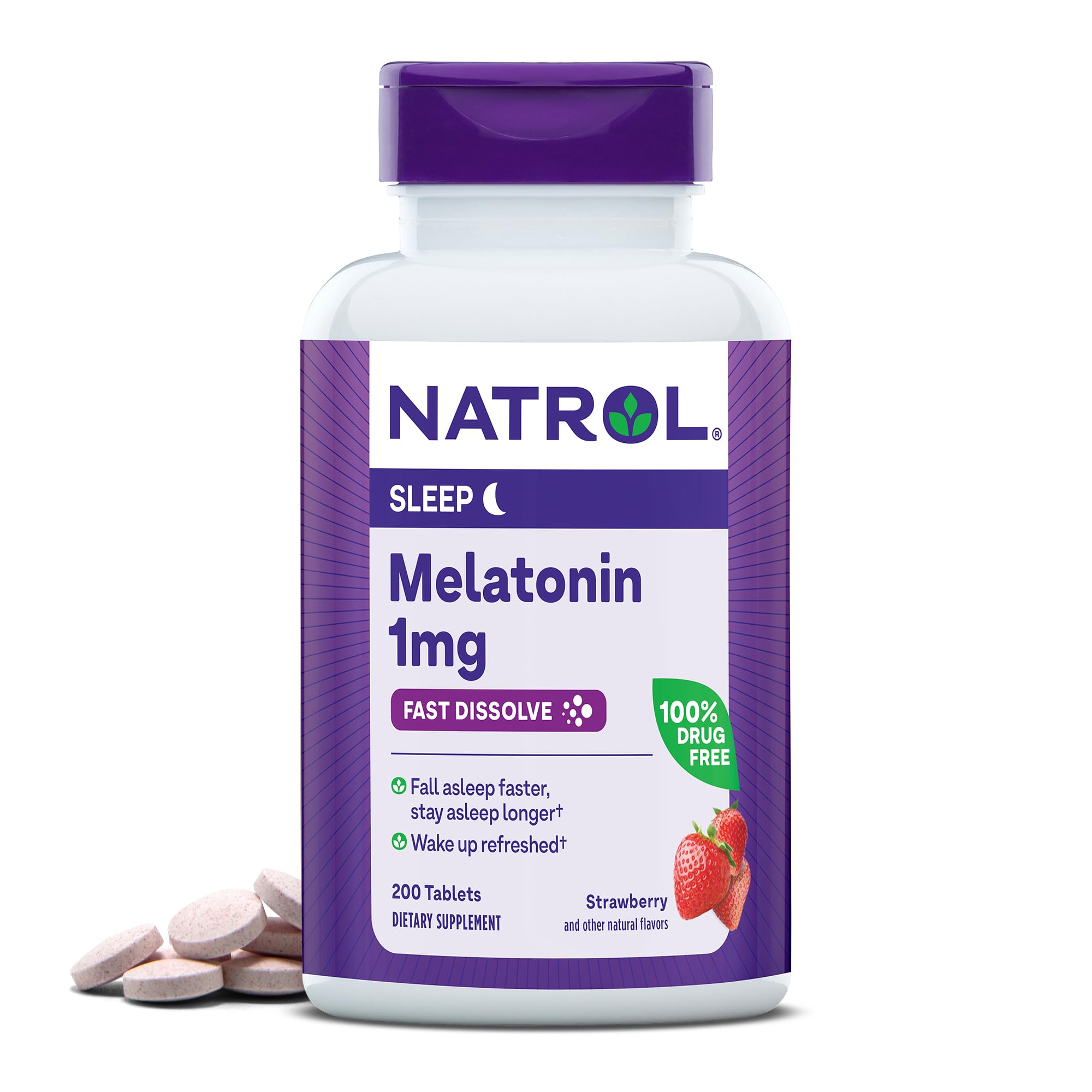
- Choose a melatonin product specifically designed for dogs (human melatonin products can contain toxic ingredients like xylitol)
- Administer the supplement within two hours of bedtime for optimal results

Side Effects and Precautions
While generally safe, melatonin can cause side effects in dogs, including drowsiness, stomach upset, and diarrhea. Additionally, melatonin may interact with certain medications or worsen underlying health issues. Consult with a veterinarian before starting melatonin supplementation to discuss potential risks and benefits.
Natural Alternatives to Melatonin for Dogs
For dogs experiencing anxiety or stress, natural alternatives like L-theanine, chamomile, and valerian root may be more effective. These supplements work synergistically with melatonin to promote relaxation and calmness, making them a great addition to a comprehensive approach to your dog's behavioral and medical needs.
Conclusion
Melatonin can be a valuable tool in managing your dog's sleep disorders, anxiety, and other behavioral issues. However, it's essential to consult with a veterinarian before starting melatonin supplementation to determine the best dosage and ensure it won't interact with any medications or exacerbate underlying health issues. With the right guidance and natural alternatives, you can help your furry friend achieve a peaceful and restful slumber.
Resources
- Petco - A comprehensive guide to melatonin for dogs
- HealthDay - A trusted source for accurate and expert medical information
- Mount Sinai Health System - A renowned medical institution offering a range of clinical care specialties