Electric Motorcycle Group Ride Safety: A Comprehensive Guide
Introduction
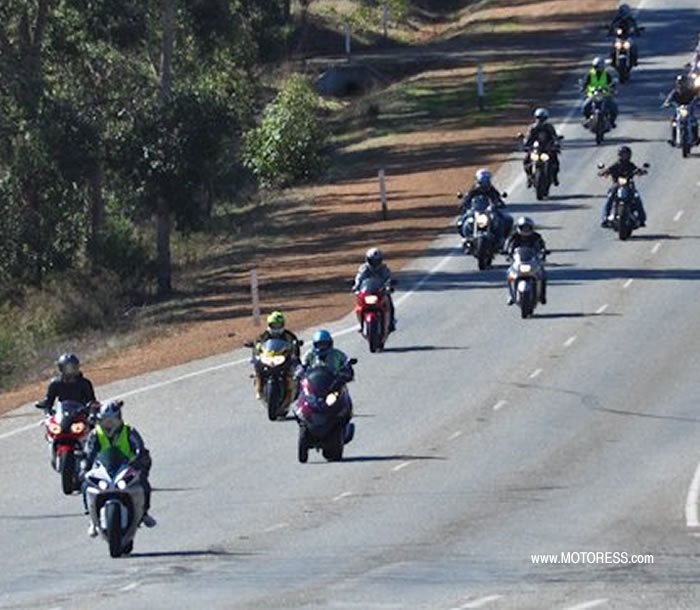
Riding an electric motorcycle can be an exhilarating experience, but it's essential to prioritize safety, especially when joining a group ride. As the popularity of electric motorcycles continues to grow, so does the number of group rides and organized events. However, this increased exposure comes with unique safety challenges that require attention and adherence to established guidelines. In this article, we'll delve into the world of electric motorcycle group ride safety, providing you with essential tips, best practices, and expert advice to ensure a fun and safe experience for all participants.Understanding the Risks
Riding with a group can amplify the excitement and camaraderie of motorcycling, but it also introduces potential safety risks that solo riders may not encounter. According to the Motorcycle Safety Foundation, 75% of motorcycle accidents involving groups occur due to poor communication and formation errors. By understanding the risks and being proactive, you can minimize the chances of a mishap and ensure a positive experience for all.Pre-Ride Preparations
Before joining a group ride, it's essential to arrive prepared. This includes:- Inspecting your electric motorcycle for any mechanical issues or malfunctions
- Ensuring your safety gear is in good condition, including a helmet, gloves, and protective clothing
- Familiarizing yourself with the ride route, including any potential hazards or traffic challenges
- Communicating with your group leader and fellow riders about any concerns or uncertainty
Group Riding Etiquette
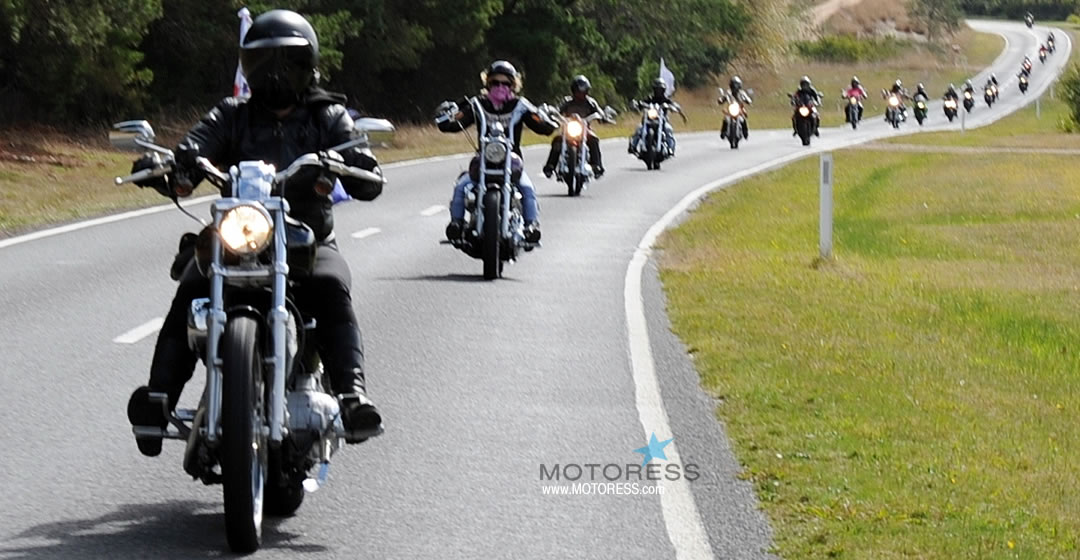
Effective group riding etiquette is built on clear communication, predictable behavior, and mutual respect. Here are some key principles to follow:- Establish a consistent formation, such as staggered or single-file, to maintain safe distances
- Use clear and concise hand signals to communicate with fellow riders
- Keep a safe following distance and avoid weaving or cutting off other riders
- Respect the group leader's decision-making and adhere to their instructions
Communication and Positioning
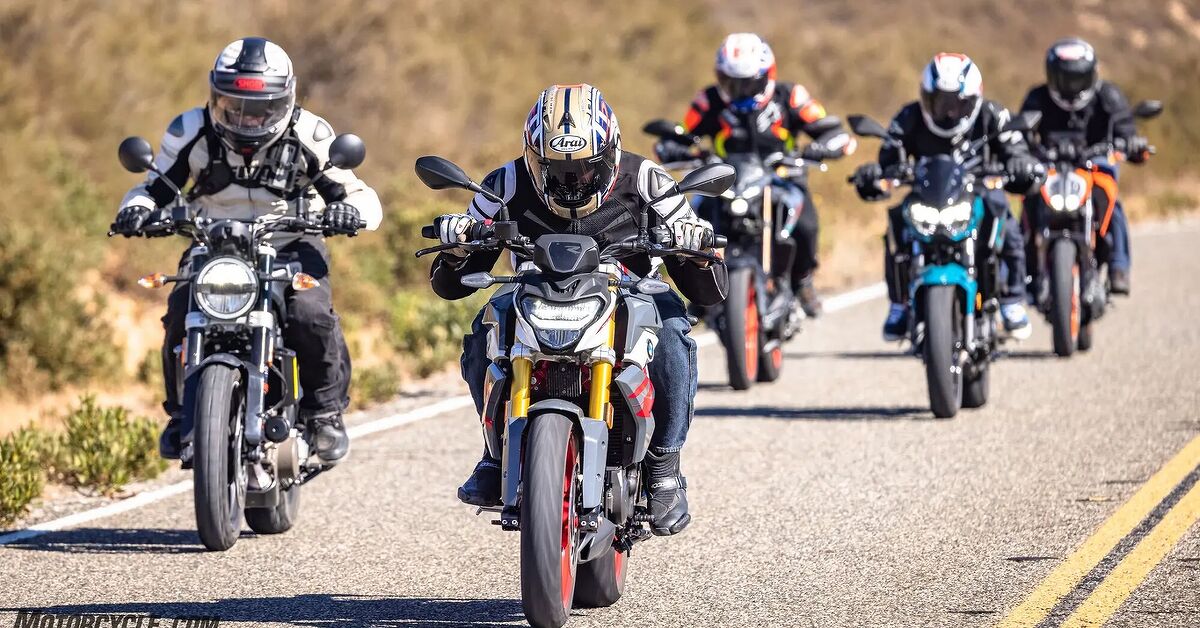
- Use designated hand signals to communicate, such as turning, stopping, or changing lanes
- Position yourself in a way that allows for optimal visibility and communication with fellow riders
- Keep an eye on fellow riders and adjust your position as needed to maintain a safe distance
Emergencies and Confrontations
In the event of an emergency or confrontation, remain calm and follow established protocols:- Alert fellow riders and the group leader to any potential hazards or threats
- Follow established emergency procedures, such as phoning for help or using a designated emergency contact
- Remain patient and composed in confrontational situations, focusing on resolution and safety
Best Practices and Resources
To ensure a safe and enjoyable group ride experience, consider the following best practices and resources:- Join a reputable motorcycle club or organization that prioritizes safety and group riding etiquette
- Participate in pre-ride briefings and discussions to establish clear expectations and protocols
- Stay informed about local road conditions, traffic challenges, and other factors that may impact the ride
- Invest in quality safety gear, including a helmet, gloves, and protective clothing