Getting a Job in the Exciting Event Planning Industry
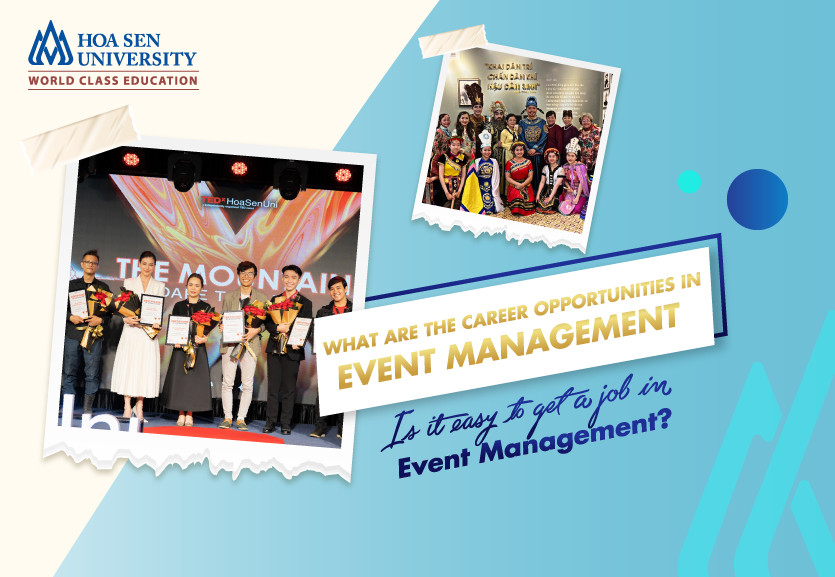
Are you passionate about bringing people together and creating unforgettable experiences? Do you have a flair for the dramatic and a knack for logistics? If so, a career in event planning might be the perfect fit for you. With the industry growing rapidly, event planners are in high demand, and with the right skills and knowledge, you can land a job in this exciting field.
What is Event Planning?
Event planning involves coordinating and managing events such as weddings, conferences, and parties from start to finish. This includes selecting venues, booking vendors, coordinating logistics, and ensuring that every detail falls into place. Event planners must be creative, organized, and able to think on their feet, making them a valuable asset to any business or organization.
Getting a Job in the Event Planning Industry
Getting a job in event planning without experience can be challenging, but it's not impossible. Here are 12 techniques to help you learn new skills and be competitive in the market:
- Take online courses or certifications in event planning to gain knowledge and skills.
- Volunteer to help plan events for friends, family, or local organizations to gain hands-on experience.
- Network with other event planners to learn about job opportunities and industry trends.
- Create a professional portfolio showcasing your skills and experience.
- Highlight your transferable skills, such as attention to detail and communication skills.
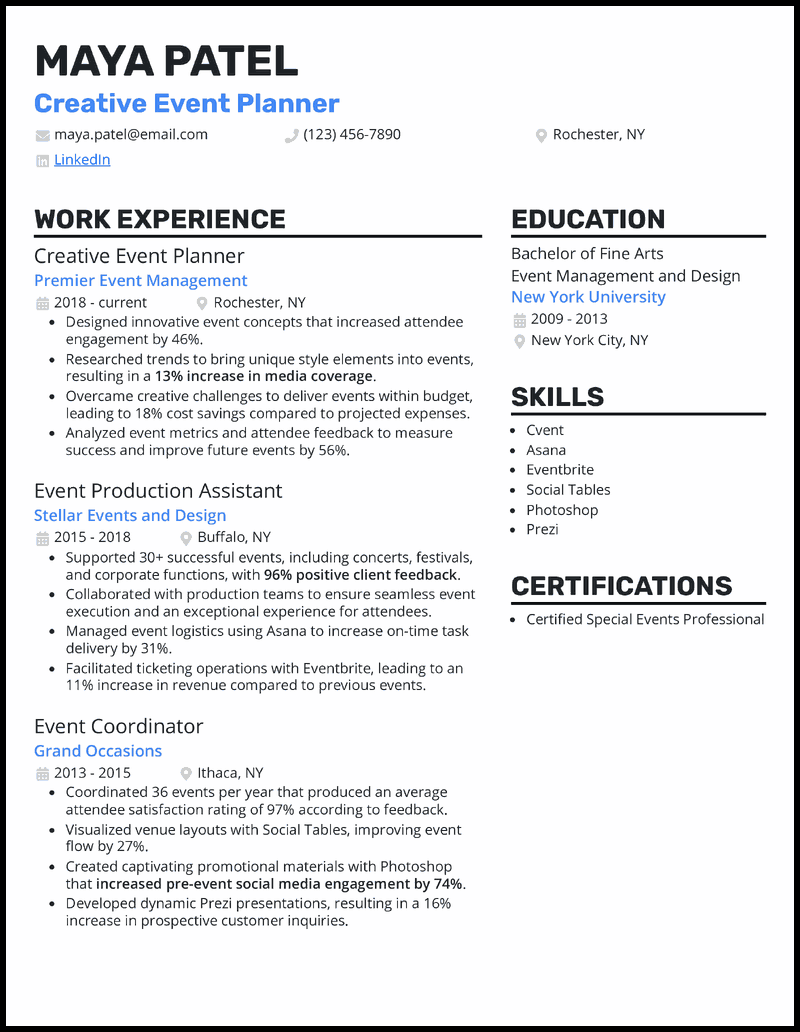
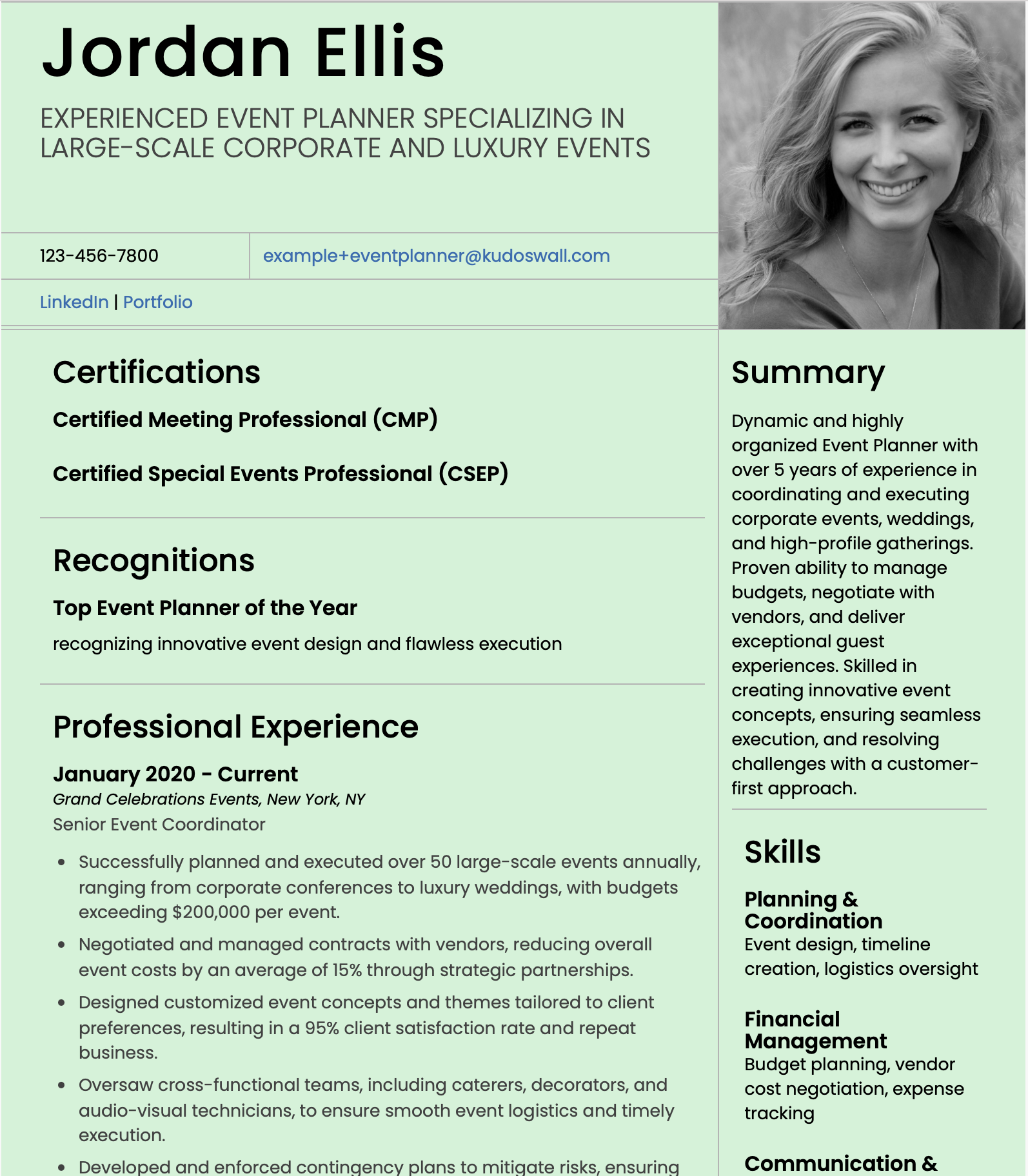
- Customize your resume and cover letter to highlight your event planning skills.
- Practice your interview skills by role-playing with a friend or family member.
- Research companies in the event planning industry to learn about their roles and responsibilities.
- Consider internships or entry-level positions to get your foot in the door.
- Stay up-to-date with industry news and trends by attending workshops and conferences.
- Develop a strong online presence by creating a professional social media profile.
Types of Event Planners
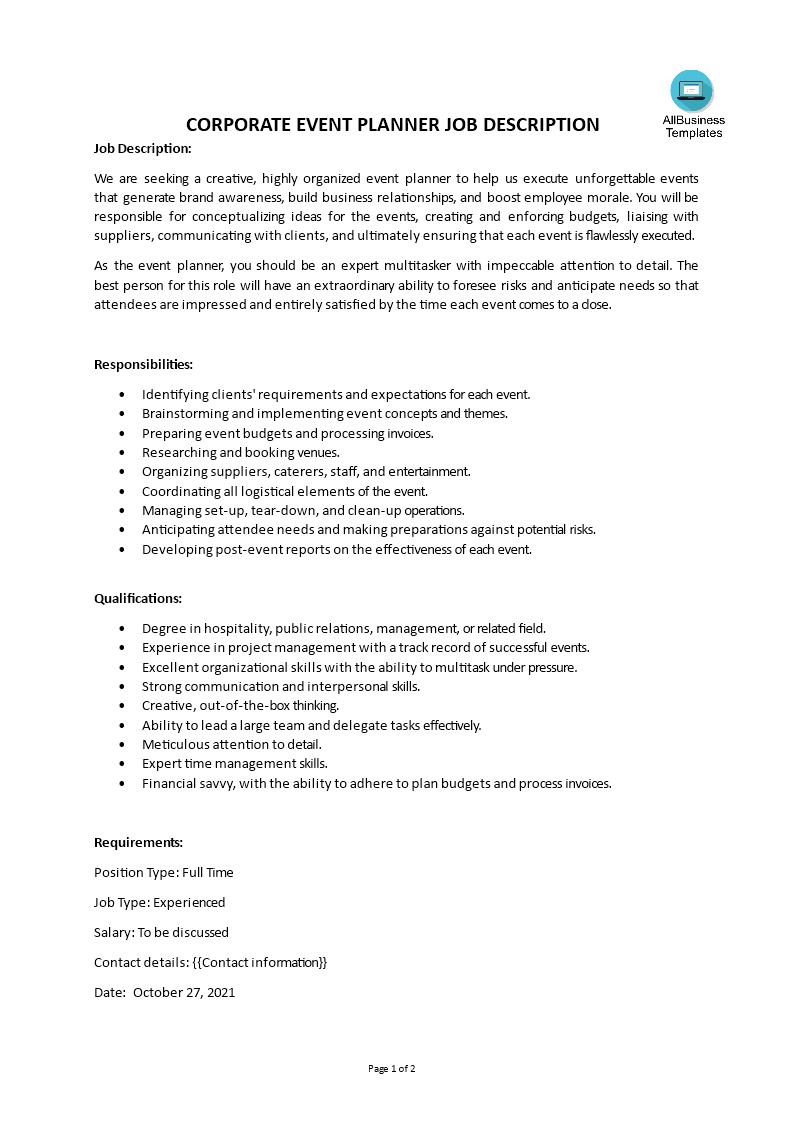
There are many different types of event planners, each with their own unique role and responsibilities. Some of the most common types of event planners include:
- Party planners: specialize in planning and executing social events such as weddings and birthday parties.
- Meeting planners: coordinate and manage meetings, conferences, and other business events.
- Conference organizers: plan and execute conferences, trade shows, and other large-scale events.
- Experiential producers: create immersive and engaging experiences for clients, often incorporating entertainment and interactive elements.

Breaking into the Industry
Breaking into the event planning industry can be challenging, but it's not impossible. By following these tips, you can increase your chances of landing a job:
- Research the industry and learn about the different types of event planners.
- Develop a strong network of contacts in the industry.
- Highlight your transferable skills and experience.
- Customize your resume and cover letter to highlight your event planning skills.
- Practice your interview skills by role-playing with a friend or family member.
Career Paths in Event Planning
Event planners can work in a variety of settings, including event planning companies, hotels, restaurants, and non-profit organizations. Some of the most lucrative career paths in event planning include:
- Executive event planner: responsible for planning and executing high-end events such as weddings and galas.
- Conference planner: coordinates and manages conferences, trade shows, and other large-scale events.
- Experiential producer: creates immersive and engaging experiences for clients, often incorporating entertainment and interactive elements.
- Event manager: responsible for managing and executing events, including selecting vendors and coordinating logistics.
Conclusion
Getting a job in the event planning industry requires skills, knowledge, and a passion for creating memorable experiences. By following these tips and techniques, you can increase your chances of landing a job in this exciting field. Remember to highlight your transferable skills, customize your resume and cover letter, and practice your interview skills to stand out from the competition.




:max_bytes(150000):strip_icc()/Event-planners-56a2b3873df78cf77278efd5.jpg "How to Become an Event Planner: A Step-by-Step Guide for Beginners")