How to Boil Eggs: A Comprehensive Guide
Boiling eggs can seem like a straightforward task, but it's amazing how many people struggle with getting them just right. Whether you want to make a quick snack, add some protein to your salads, or create decadent deviled eggs, learning how to boil eggs is a valuable kitchen skill to master.
Why Boil Eggs in the First Place?
Eggs are an incredibly versatile ingredient, packed with protein, vitamins, and minerals. Whether you're a health-conscious individual, a busy parent looking for a quick snack, or a chef experimenting with new recipes, eggs are a great addition to any meal. Boiling eggs is an easy way to prepare them, and the result can be enjoyed in a variety of ways, from hard-boiled and sliced in a salad to soft-boiled and deviled as an appetizer.
The Ultimate Guide to Boiling Eggs
Step 1: Gathering Your Eggs and Equipment
Before you start boiling eggs, you'll need a few basic supplies:
- Eggs - This might seem obvious, but choose the right eggs for your recipe. Fresh, high-quality eggs will yield the best results. For boiling, poultry eggs are a great choice.
- A pot - Your pot should be large enough to hold the eggs in a single layer. A saucepan or stockpot is ideal.
- Water - Use cold water for the best results.
Step 2: Preparing the Eggs
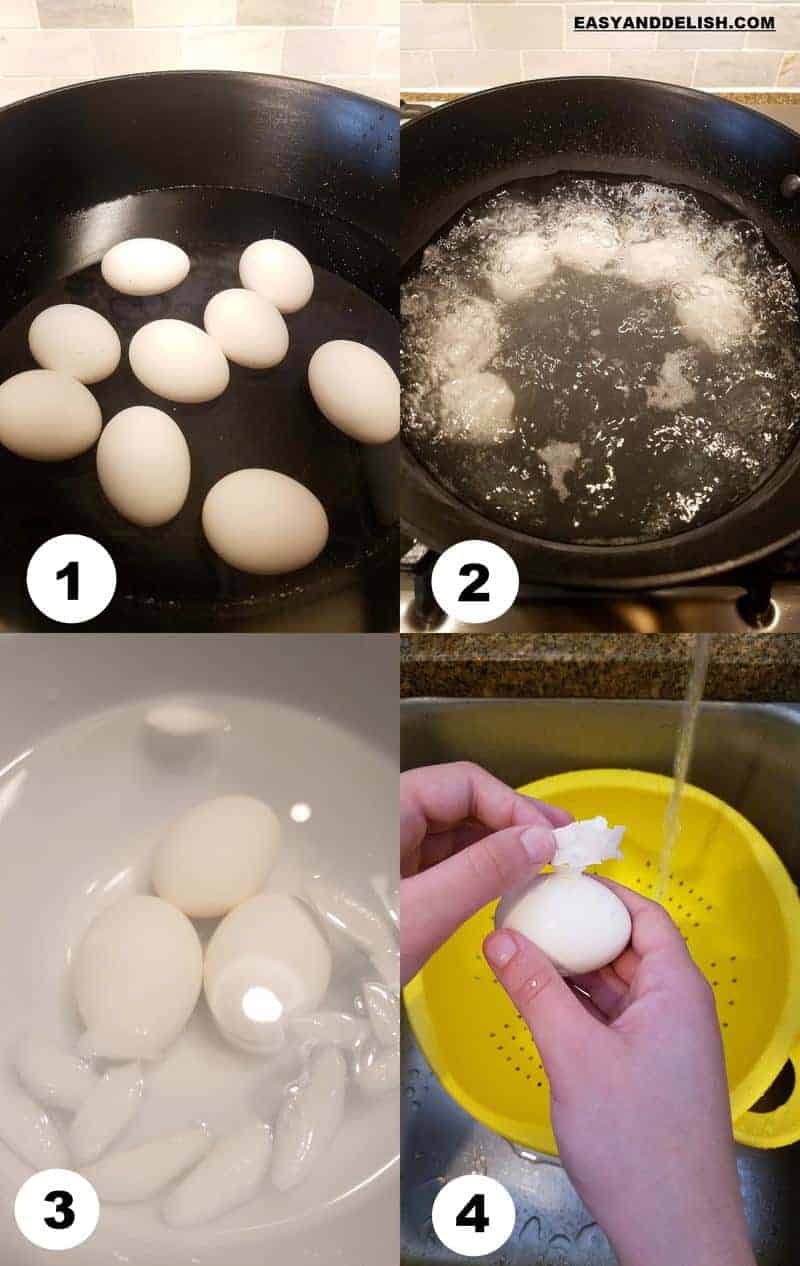
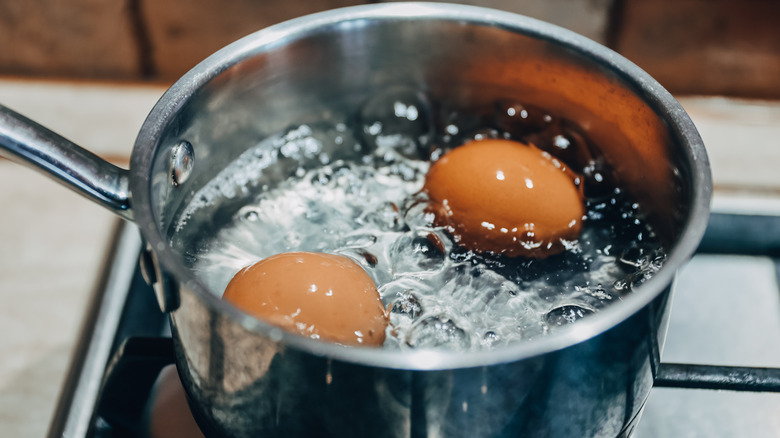
Place your eggs in the pot and cover them with a significant amount of water - about an inch (2.5 cm) should do. The water level is crucial because it ensures the eggs cook evenly. For each egg you're boiling, use the water guideline as a starting point and adjust as necessary for large or small eggs.
Step 3: Bringing the Water to Boil and Cooking the Eggs

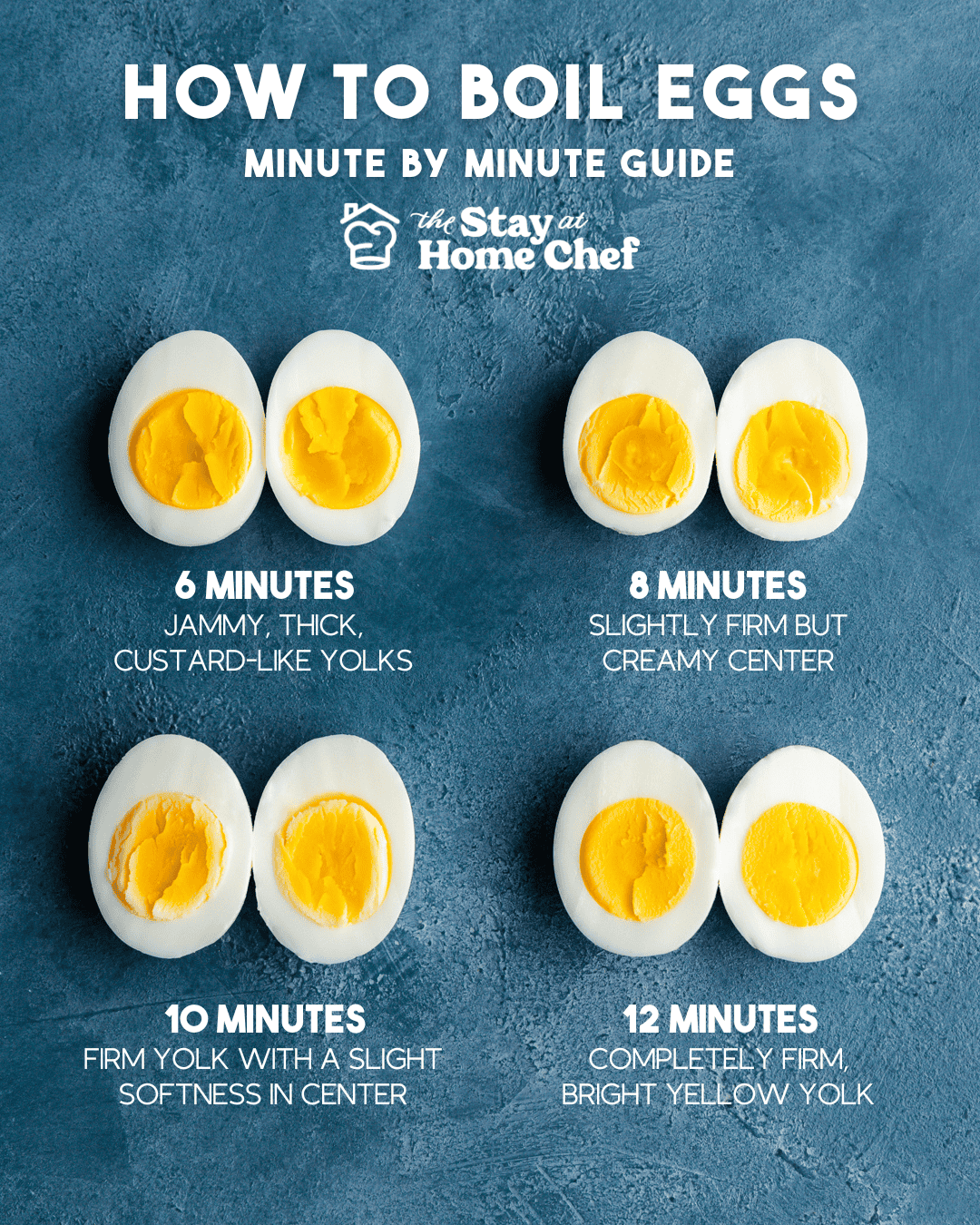
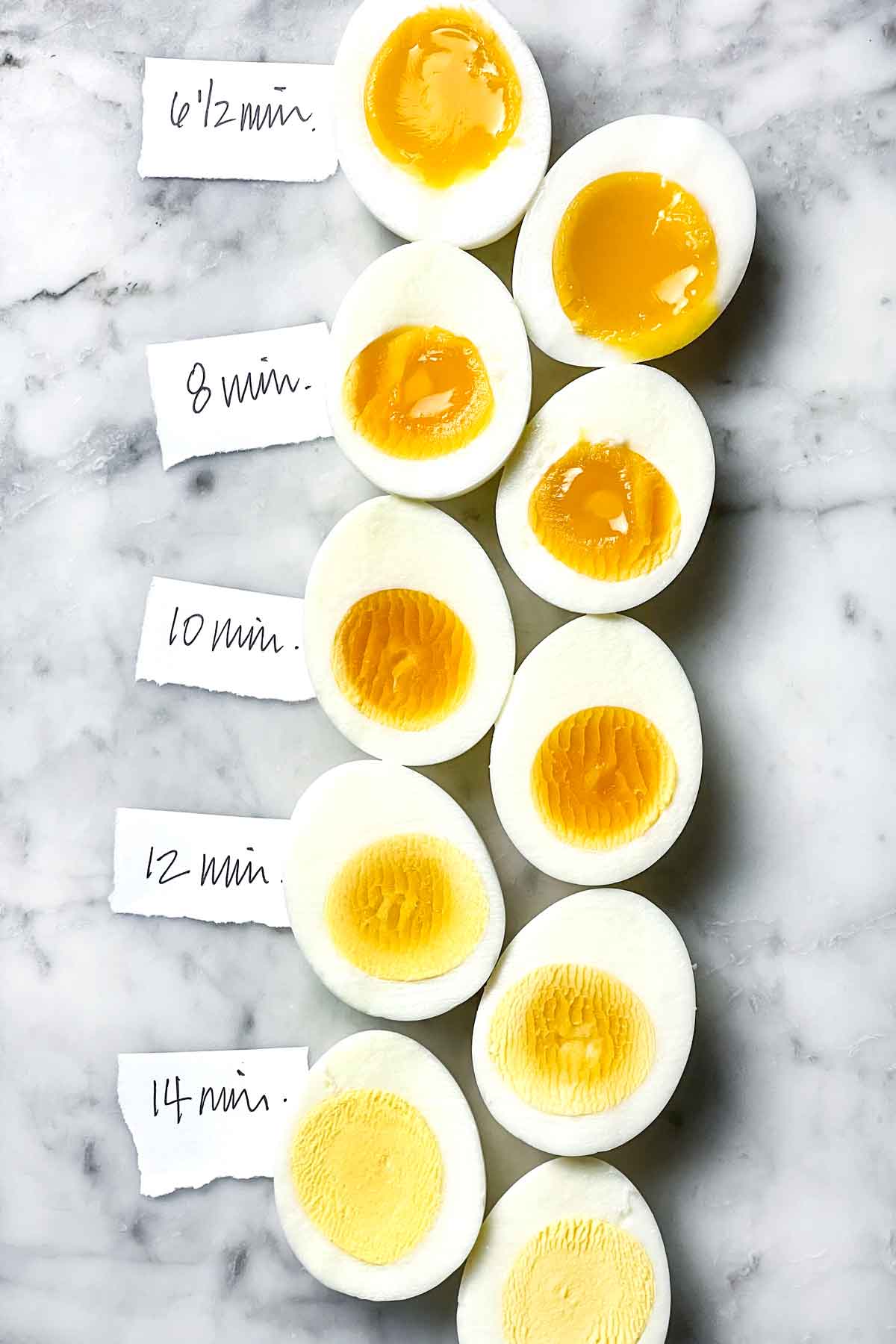
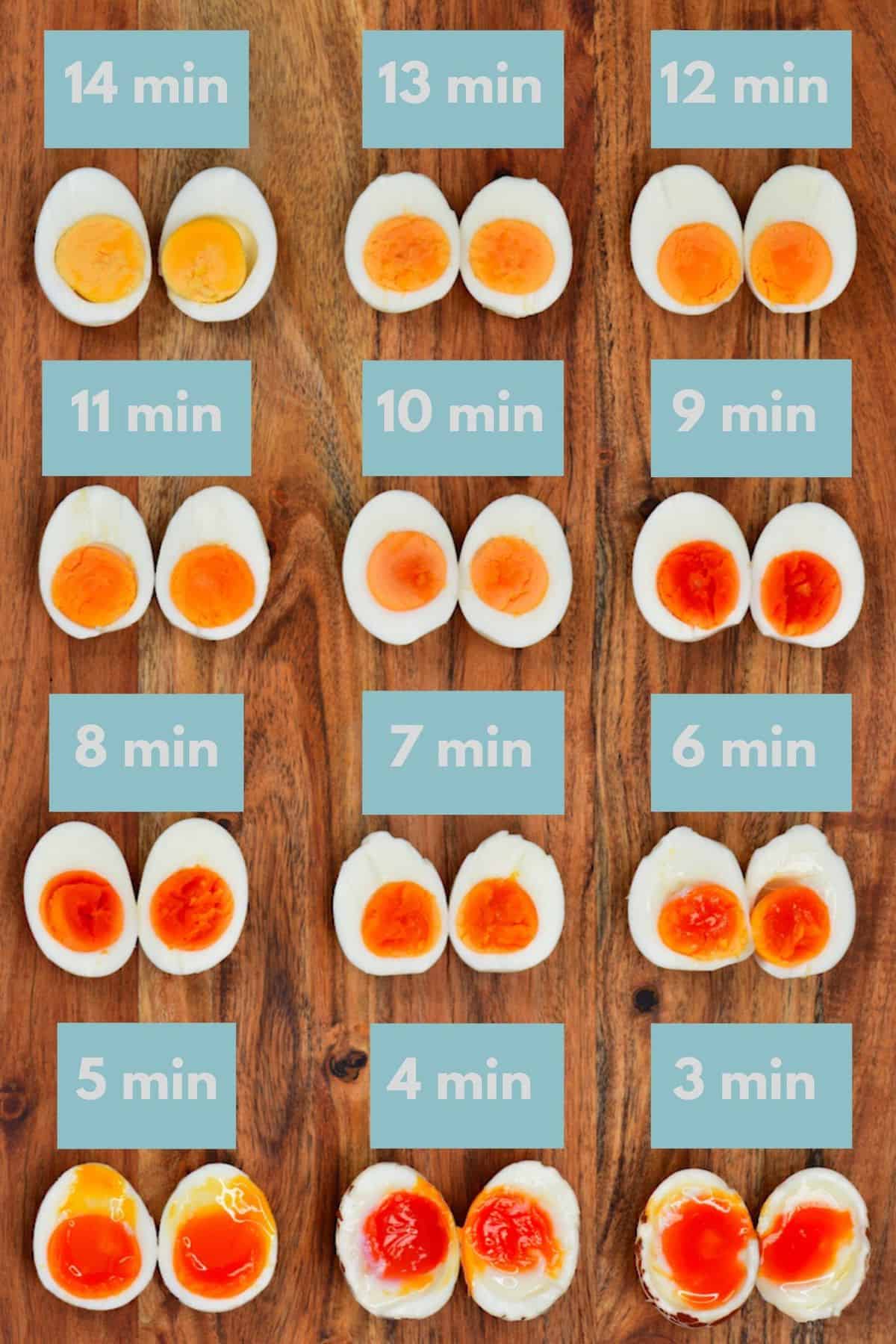
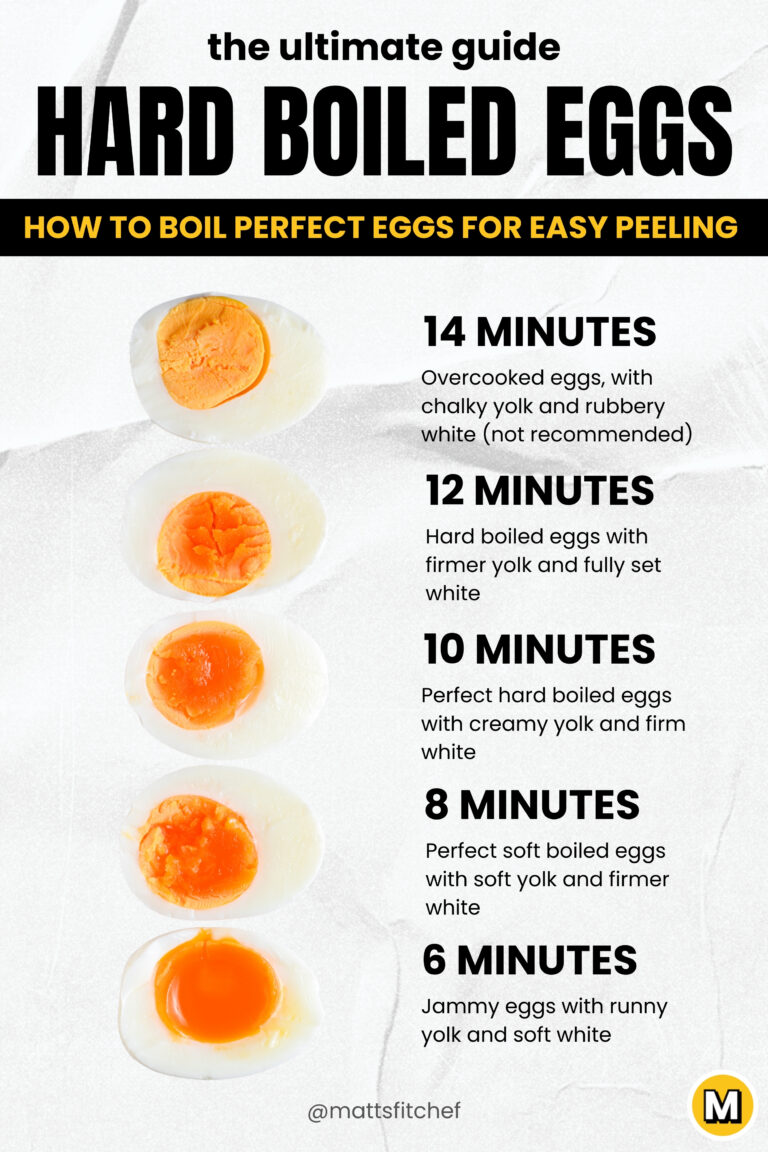
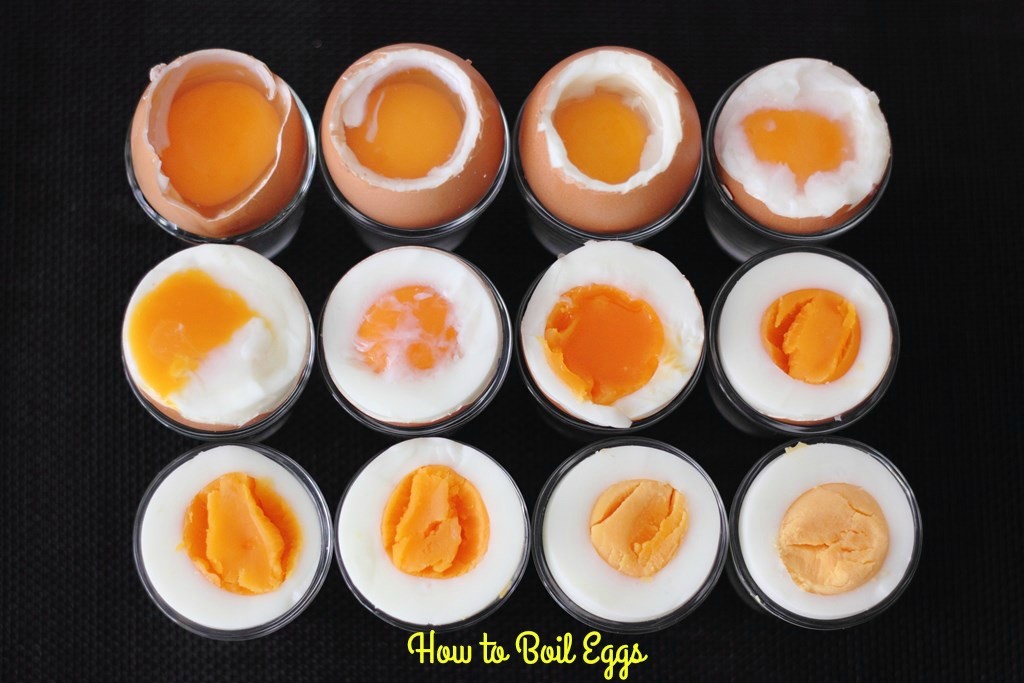
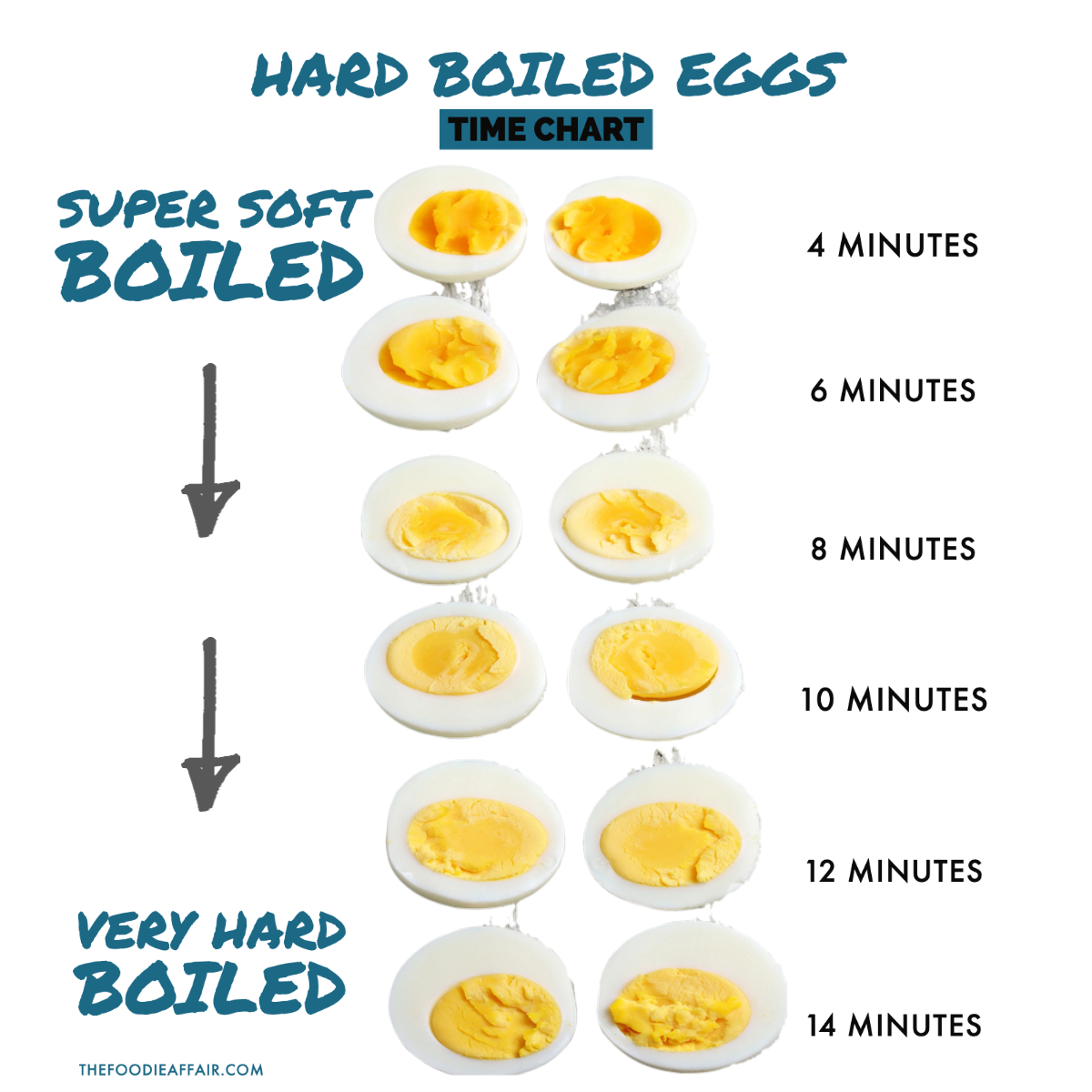
On medium-high heat, bring the water to a boil. When boiling, reduce the heat slightly if necessary to prevent the water from boiling over. Once the water is boiling, start your timer. The cooking time will depend on your desired level of doneness:
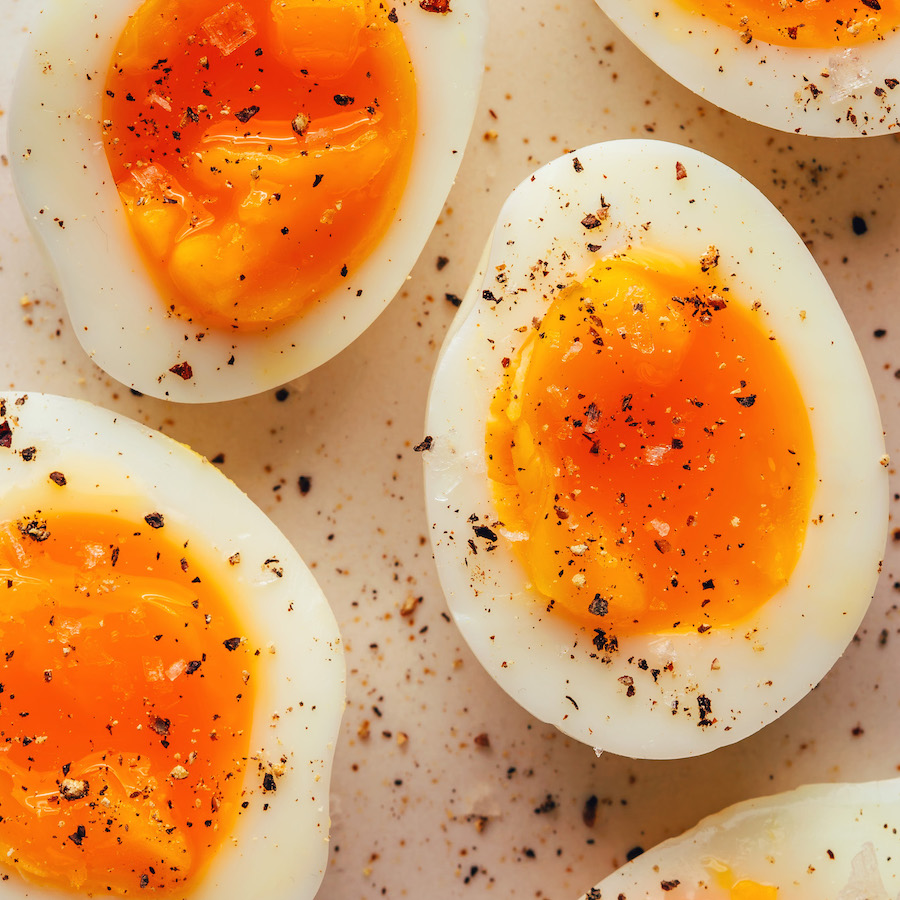
- Soft-boiled eggs - 6 minutes: These will have a runny yolk but a set white. Perfect for dipping or as a topping.
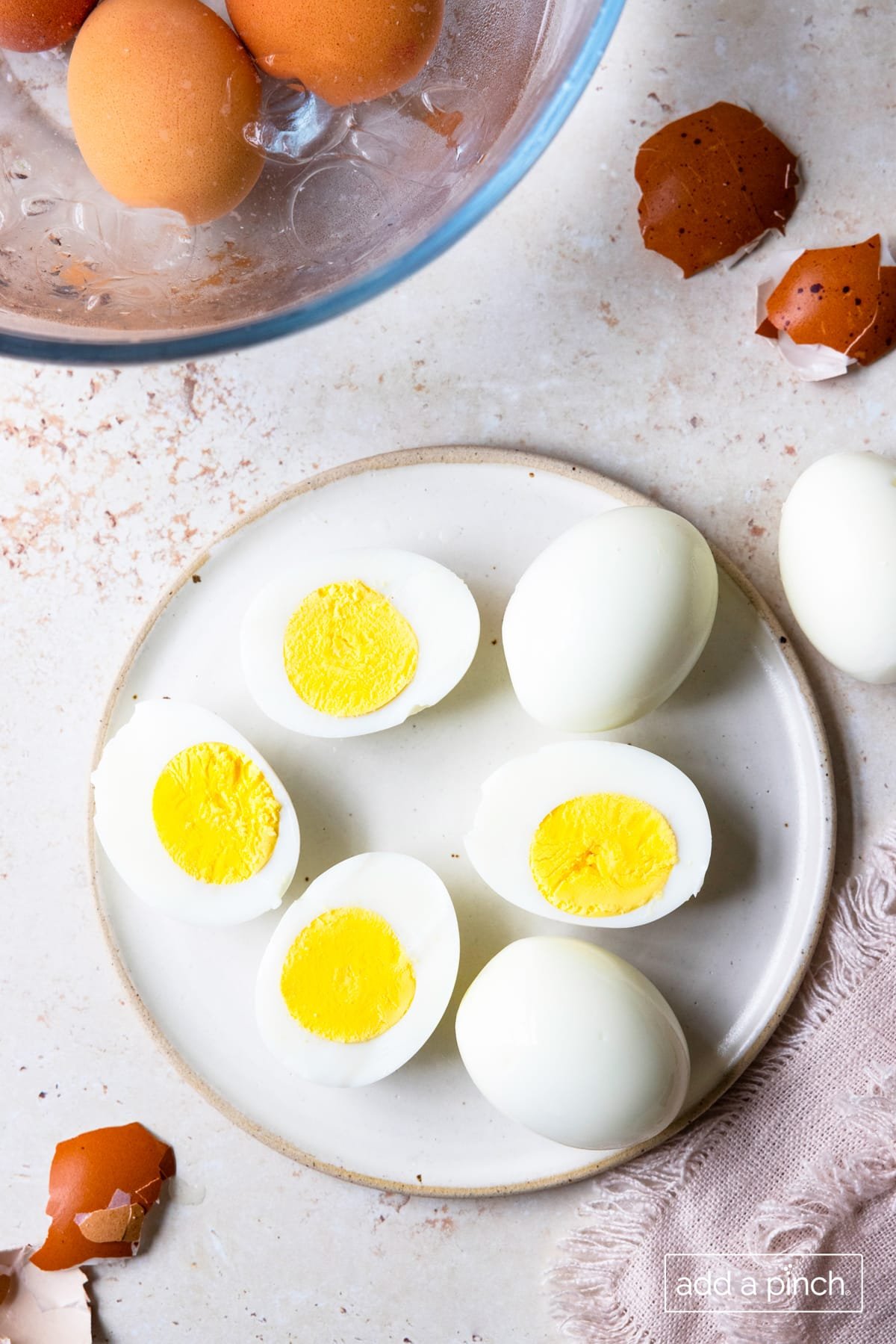
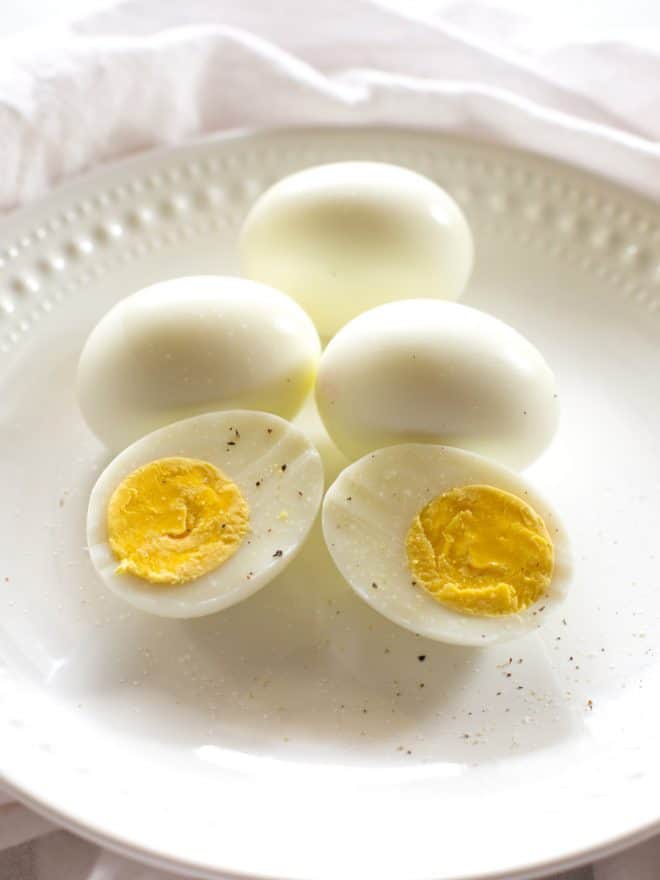
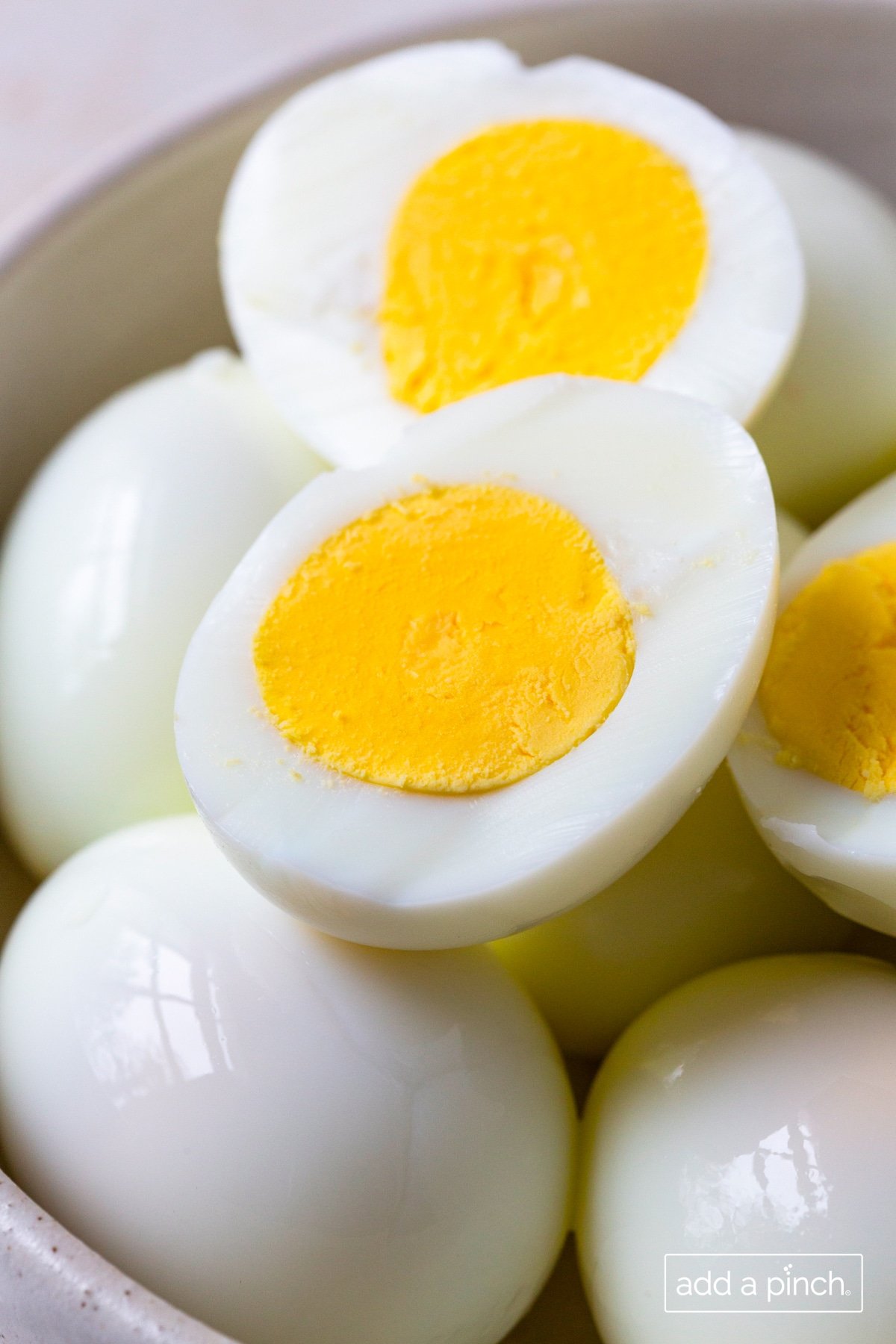
- Hard-boiled eggs - 10 minutes: These will have a solid yolk and a cooked white.
- Jammy eggs - 6-7 minutes: These are soft-boiled eggs with a slightly firmer yolk and a set white. Great for breakfast.
Step 4: Cooling the Eggs
Once your eggs have cooked, carefully remove the pot from the heat and immediately move it to an ice bath or run the pot under cold water to stop the cooking process. This step is crucial for easy peeling.
Step 5: Peeling and Serving
Once the eggs have cooled, crack them gently against a hard surface to crack the shell all over. The shock of the cool water and movement should cause the egg white to release and leave the shell in tact. Remove the shells by carefully picking them off or rinsing the eggs under cold water to reveal perfectly clean eggs.
Common Challenges and Solutions
Some of the most common issues people encounter when boiling eggs include overcooking, undercooking, and difficult peeling. To avoid these issues: ensure the water is at a rolling boil before placing the eggs, use cold water and an ice bath to control the cooking, and use a careful crack and peel approach.
Conclusion
Mastering the art of boiling eggs is a key skill for any home cook or professional chef. With this guide, you should be able to produce perfectly boiled eggs every time. Remember to choose the right eggs, use a clean vessel, adjust your cooking time for the desired level of doneness, and use a gentle cooling process to prevent cracking shells.