Dealing with Information Overload in the Digital Age: Strategies for Relief
Are you feeling overwhelmed by the constant stream of information bombarding you through social media, email, news outlets, and other digital channels? Welcome to the world of information overload, a problem that is being exacerbated by the growing use of information and communication technologies. In this article, we will explore the causes and effects of information overload, and discuss practical strategies for managing this digital reality.
What is Information Overload?
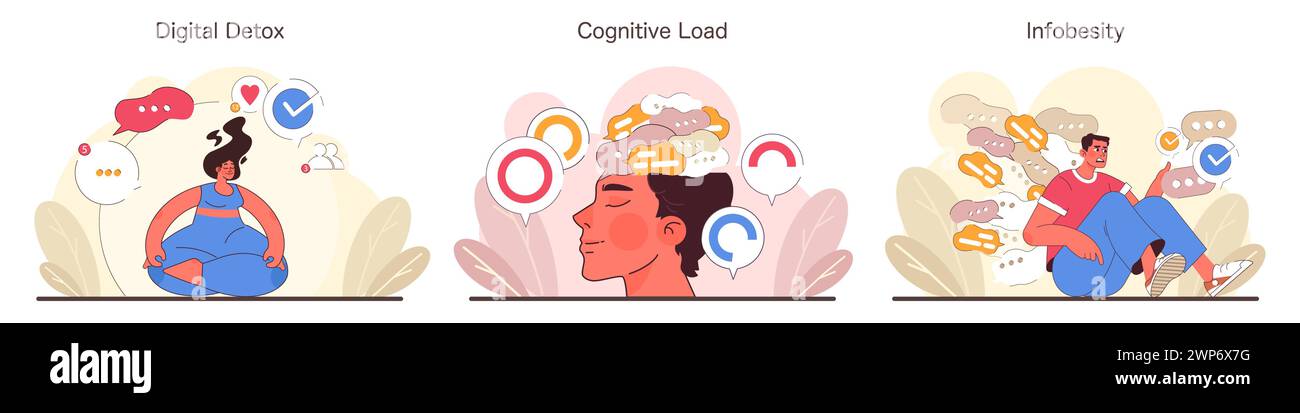
Information overload refers to the state in which an individual is exposed to more information than they can effectively process, manage, or use. This mental state can lead to feelings of confusion, anxiety, and stress, making it challenging to make decisions or prioritize tasks. The rapid dissemination of data via the internet, social media platforms, news websites, and various digital channels is a significant contributor to information overload.
Causes of Information Overload
- Exponential Data Growth: The sheer volume of digital data generated every minute is a key factor in information overload. Social media platforms, email inboxes, and online news outlets contribute to the constant influx of information.
- Information Density: The complexity and density of information can be overwhelming, especially when dealing with technical or specialized topics.
- Lack of Time and Attention: The demands of modern life often leave individuals with limited time and attention spans, making it difficult to process and retain information.
Effects of Information Overload
Information overload can have a significant impact on our daily lives, affecting decision-making, productivity, and well-being. Some of the effects include:
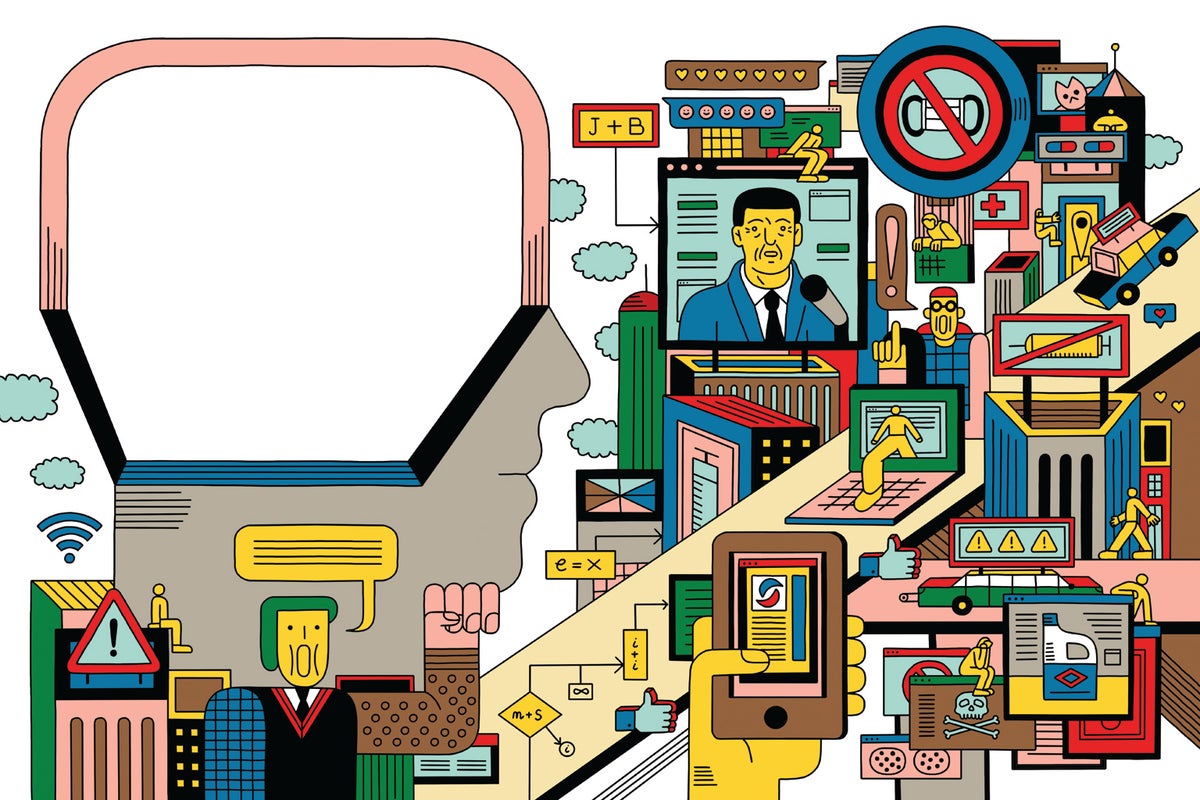
- Decreased Productivity: The constant distractions and mental fatigue caused by information overload can lead to decreased productivity and performance.
- Anxiety and Stress: The feeling of being overwhelmed by information can cause significant anxiety and stress, negatively impacting mental health.
- Distracted Attention: Information overload can lead to divided attention, making it challenging to focus on a particular task or activity.
Strategies for Dealing with Information Overload
Fortunately, there are several strategies that can help you manage information overload in the digital age:
- Prioritize and Filter Information: Focus on high-priority information and use filters to block or reduce unnecessary information.
- Use Digital Tools and Resources: Utilize digital tools such as news aggregators, email filters, and productivity apps to streamline and organize information.
- Practice Mindfulness: Regular mindfulness practices can help you stay present and focused, reducing the impact of information overload.
- Set Boundaries: Establish boundaries around your digital use, such as setting aside device-free time or implementing website blocking.
- Stay Organized: Develop and maintain effective organizational systems, such as to-do lists or calendar events, to stay on top of information and tasks.
Conclusion
Dealing with information overload in the digital age requires a proactive and intentional approach. By understanding the causes and effects of information overload, and implementing strategies for managing the digital flow of information, we can regain control and mental clarity. Remember, taking control of information overload is an ongoing process that requires effort, discipline, and a willingness to adapt to the ever-changing digital landscape.