How to Protect Wildlife: 8 Essential Strategies for a Sustainable Future
Wildlife conservation is a pressing issue that requires the collective efforts of individuals, communities, and governments. The protection of wildlife is not only a moral imperative but also essential for maintaining the health of our planet. In this article, we will explore 8 essential strategies for protecting wildlife and preserving the delicate balance of our ecosystems.
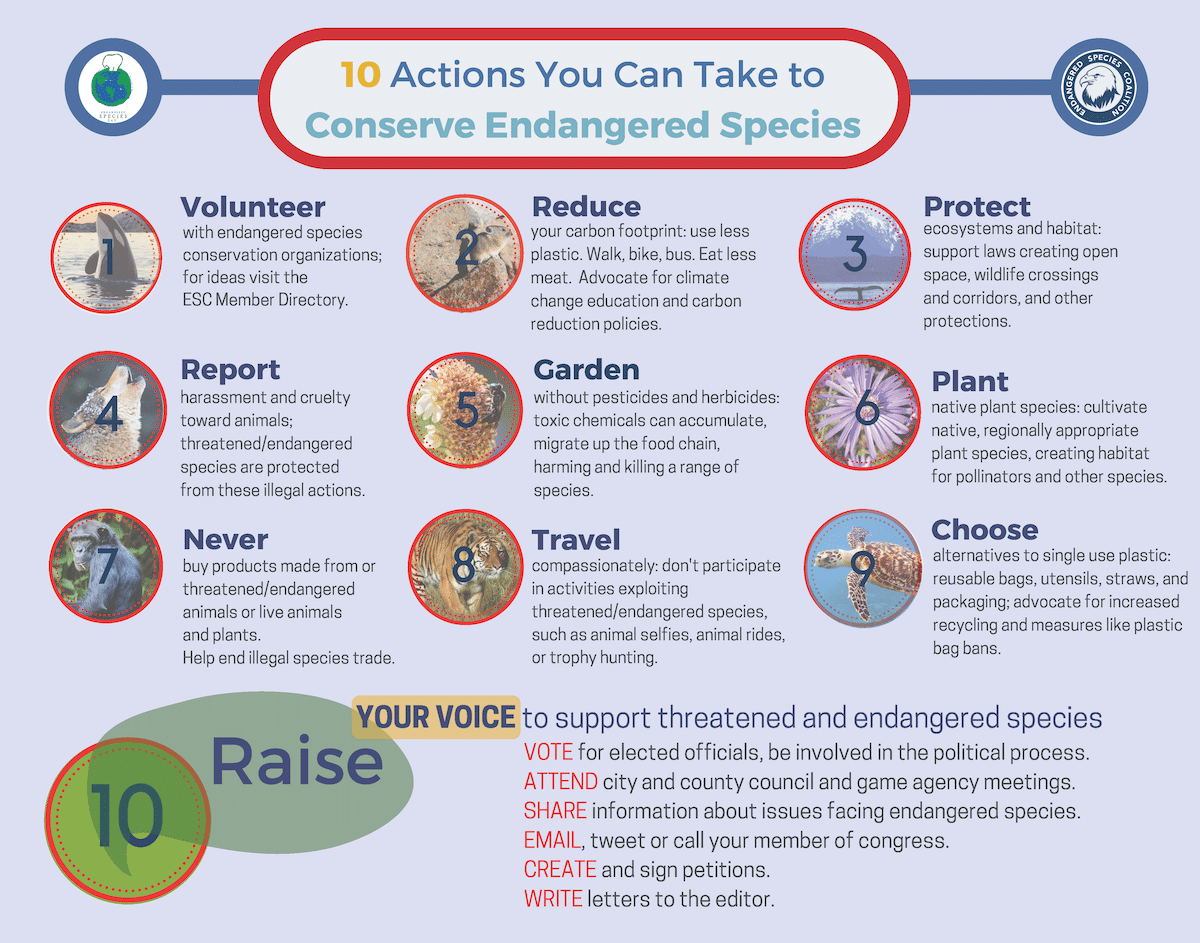
1. Know the Threats
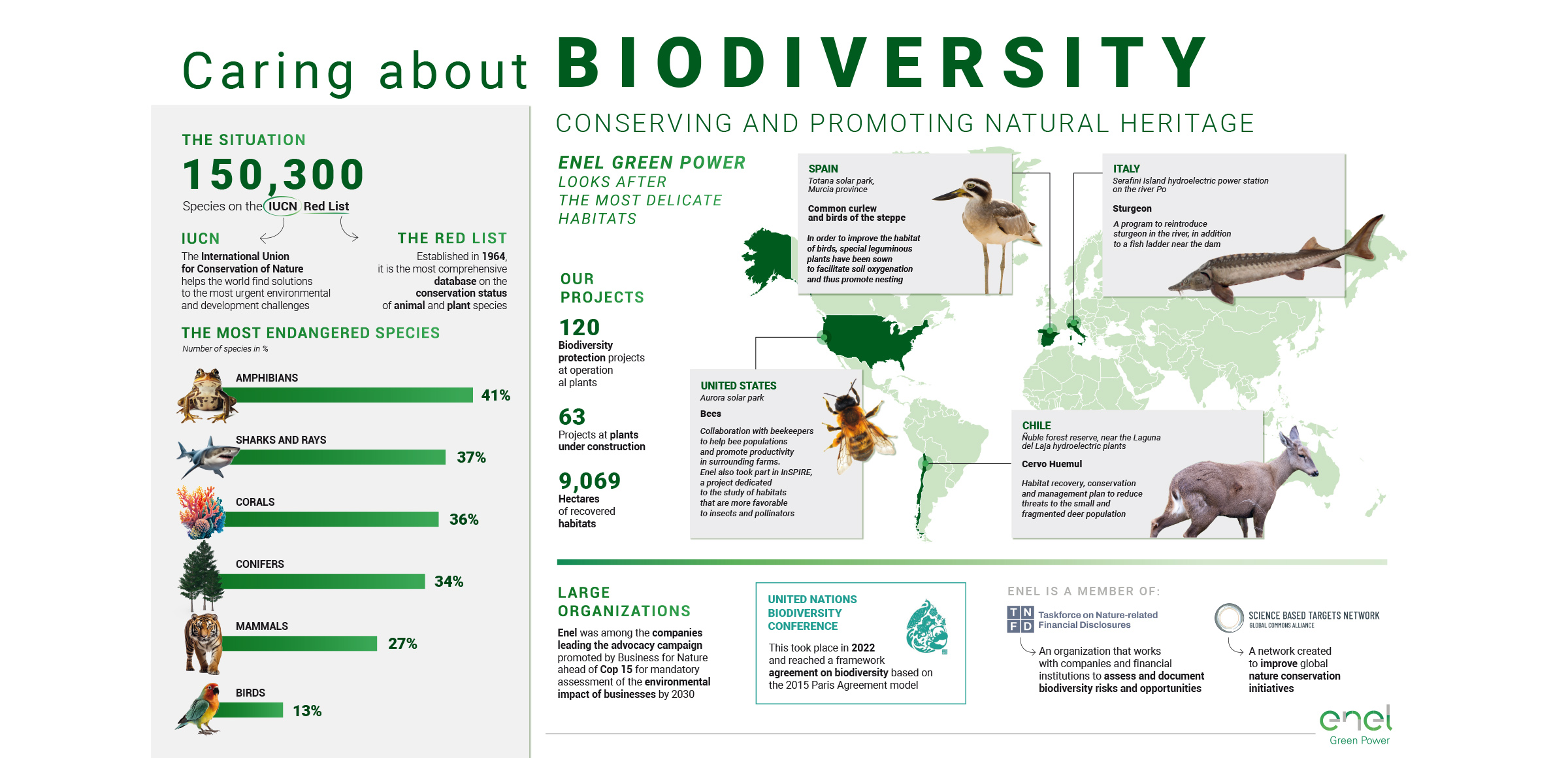
The top threats to biodiversity are climate change, pollution, and habitat destruction. Plants and animals struggle to adapt to rapidly changing temperature and weather patterns, while pesticides, plastics, and toxic chemicals disrupt the natural balance. By understanding these threats, we can take targeted actions to mitigate their impact.
2. Reduce, Reuse, Recycle
Individual actions can add up to make a significant difference. Reducing our carbon footprint, reusing products, and recycling can help reduce waste and pollution. Every small action counts, and collective efforts can lead to significant positive change.
3. Support Conservation Efforts
Donating to reputable conservation organizations, supporting eco-tourism, and advocating for wildlife-friendly policies can help protect endangered species and their habitats. Every dollar counts, and collective support can lead to tangible results.
4. Educate Yourself and Others
Learning about wildlife conservation, climate change, and sustainable living can empower individuals to make informed choices. Sharing knowledge with others can inspire action and create a ripple effect of positive change.
5. Create Wildlife-Friendly Habitats
Planting native species, creating bird-friendly gardens, and installing bee hotels can provide a sanctuary for local wildlife. Even small patches of native plants can make a significant difference.
6. Support Sustainable Tourism
Eco-tourism can provide economic benefits to local communities while promoting wildlife conservation. Responsible tourism can also support conservation efforts and promote sustainable development.
7. Report Wildlife Crime
Wildlife trafficking is a significant threat to biodiversity. Reporting wildlife crime, such as poaching and habitat destruction, can help law enforcement agencies take action and protect endangered species.
8. Demand Policy Change
Advocating for wildlife-friendly policies, such as protecting critical habitats and enforcing anti-poaching laws, can create a safer and more sustainable future for wildlife. Collective action can lead to significant policy changes.
Conclusion
Protecting wildlife requires a multifaceted approach that involves individual actions, collective efforts, and policy changes. By understanding the threats, taking small actions, and supporting conservation efforts, we can make a significant difference. Every individual has a role to play in protecting wildlife and preserving the health of our planet.
Additional Resources
- International Fund for Animal Welfare (IFAW)
- World Wildlife Fund (WWF)
- The Wildlife Conservation Society
- Aussie Animals
Get Involved
Every individual can make a difference in protecting wildlife. Here are some ways to get involved:
- Donate to reputable conservation organizations
- Support eco-tourism
- Advocate for wildlife-friendly policies
- Report wildlife crime
- Reduce, reuse, recycle