The Mysterious Case of the Phone Vibration in Pocket
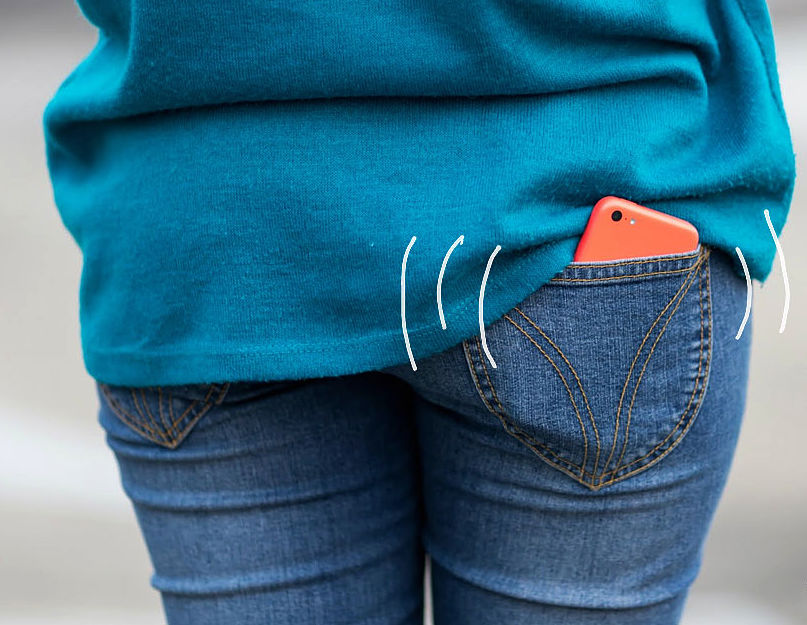
Have you ever felt your phone buzzing in your pocket, only to pull it out and find no text, no call, no notification? You're not alone. According to a study, around 80% of us have experienced the phenomenon of feeling a phone vibrating in our pockets when it's actually completely still.
What is Phantom Vibration Syndrome?
Phantom vibration syndrome is a psychological phenomenon where people believe their phone is vibrating or buzzing even when there isn't a notification. This can be caused by a combination of factors, including stress, tech overuse, and the constant stream of notifications that our phones provide.
The Neuroscience Behind Phantom Vibration Syndrome
Research suggests that our brains can become so trained by notifications that our nervous system prediction can become so accurate that our brain creates a false vibration sensation before any alert arrives. This can lead to a phenomenon known as "phantom vibration syndrome," where people feel their phone vibrating even when it's not.
Other Possible Causes of Phantom Vibration Syndrome
- Tight waistbands or belts can cause compression of the lateral femoral cutaneous nerve, leading to a sensation of vibration or buzzing.
- Prolonged sitting or standing can cause nerve irritation, leading to phantom vibration sensations.
- Weight changes, pregnancy, or other factors can cause changes in the way our nerves function, leading to phantom vibration sensations.
What to Do If You Experience Phantom Vibration Syndrome
While phantom vibration syndrome can be frustrating, there are several strategies that you can use to reclaim your attention and reduce stress:
- Take regular breaks from your phone to give your brain a chance to relax and recharge.
- Turn off notifications for non-essential apps, and consider using a "do not disturb" mode to reduce the number of notifications you receive.
- Practice mindfulness techniques, such as meditation or deep breathing, to help you stay focused and present.
- Consider using a vibration-reducing case or a phone with adjustable vibration settings to reduce the likelihood of phantom vibration sensations.
Real-Life Examples of Phantom Vibration Syndrome
Many people have reported experiencing phantom vibration syndrome, including a study where 89% of participants reported experiencing the phenomenon in the last week. Other examples include a person who felt their phone buzzing in their pocket when it was actually in their hand, and another who felt their fitness tracker vibrating when it was actually not on their wrist.
How to Stop Phantom Vibration Syndrome
If you're experiencing phantom vibration syndrome, there are several steps you can take to stop it:
- Check your phone for any notifications or alerts.
- Turn off notifications for non-essential apps.
- Practice mindfulness techniques, such as meditation or deep breathing.
- Consider using a vibration-reducing case or a phone with adjustable vibration settings.
Conclusion
Phantom vibration syndrome is a common phenomenon that can be caused by a combination of factors, including stress, tech overuse, and the constant stream of notifications that our phones provide. By understanding the neuroscience behind phantom vibration syndrome and using strategies to reduce stress and reclaim your attention, you can overcome this phenomenon and live a more focused and relaxed life.