How to Protect Your Kids from Cyberbullying: A Comprehensive Guide for Parents
Cyberbullying has become a pressing concern for parents, guardians, and educators worldwide. The anonymous nature of the internet can make it challenging to detect and address this form of bullying, which can have severe effects on a child's mental health. In this article, we will explore the warning signs, prevention strategies, and steps to take if your child is a victim of cyberbullying.
Understanding Cyberbullying
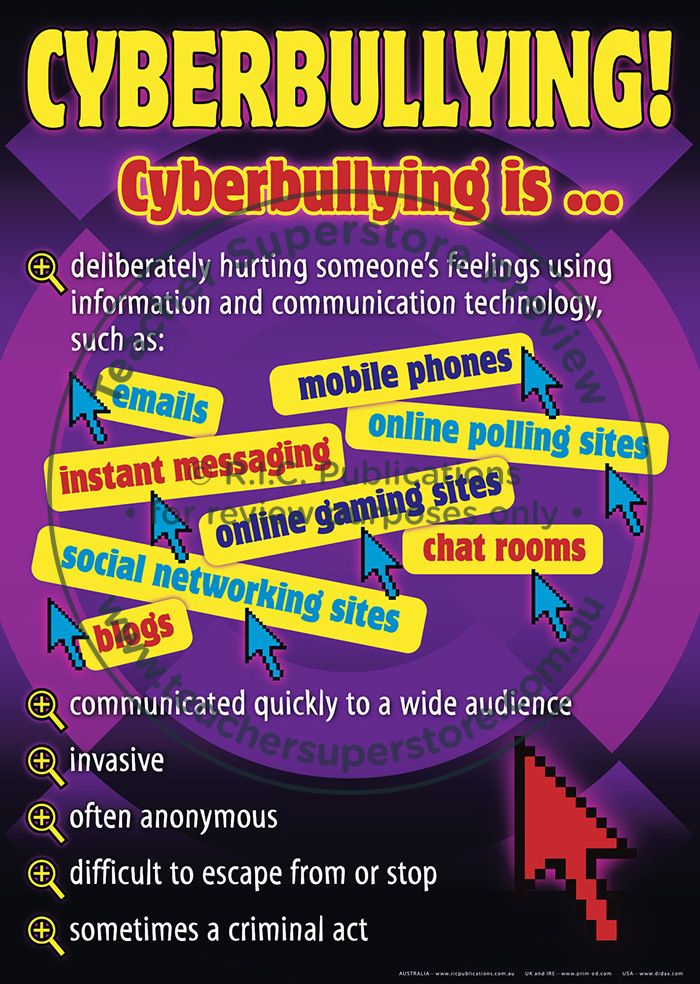
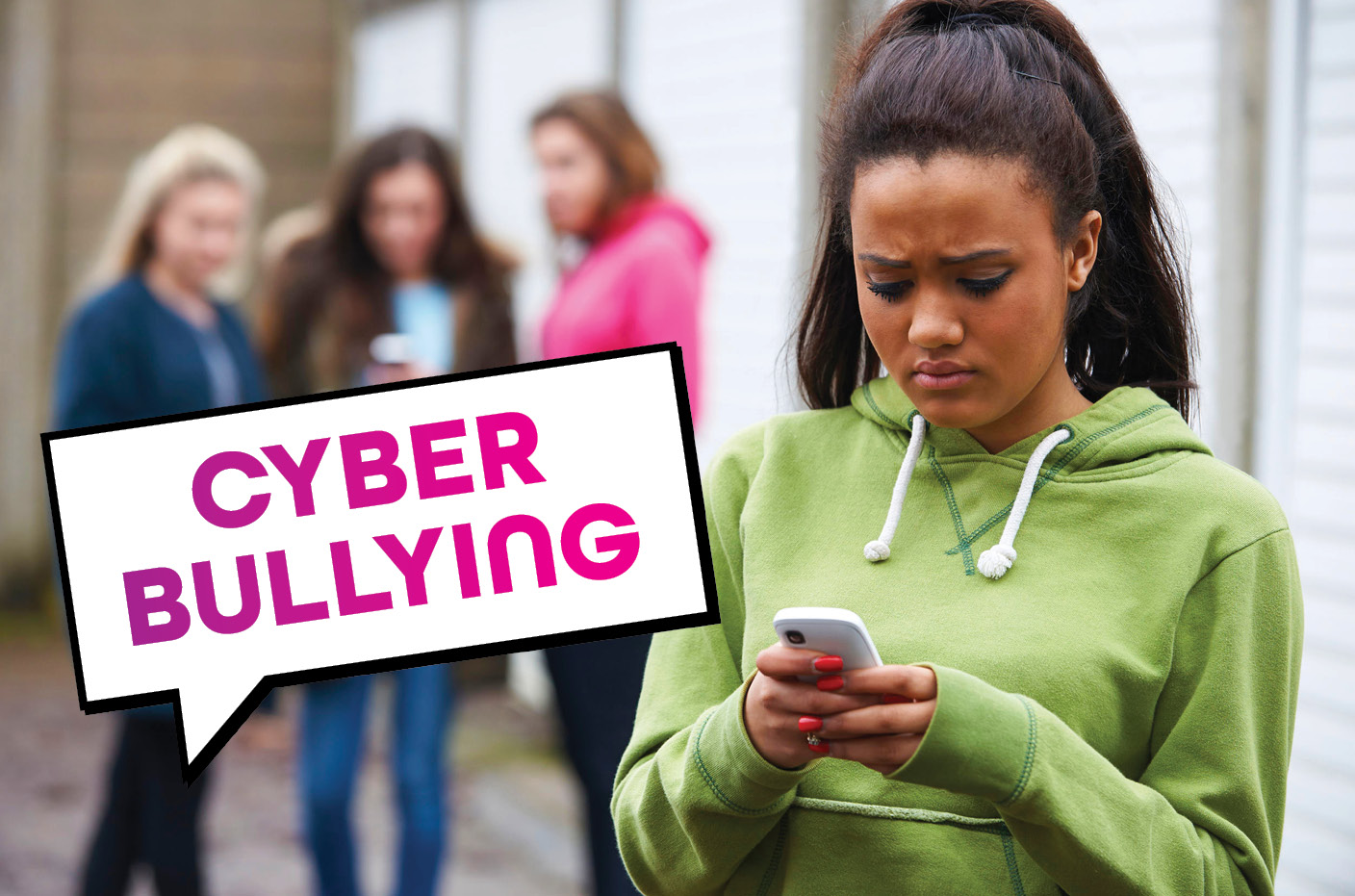
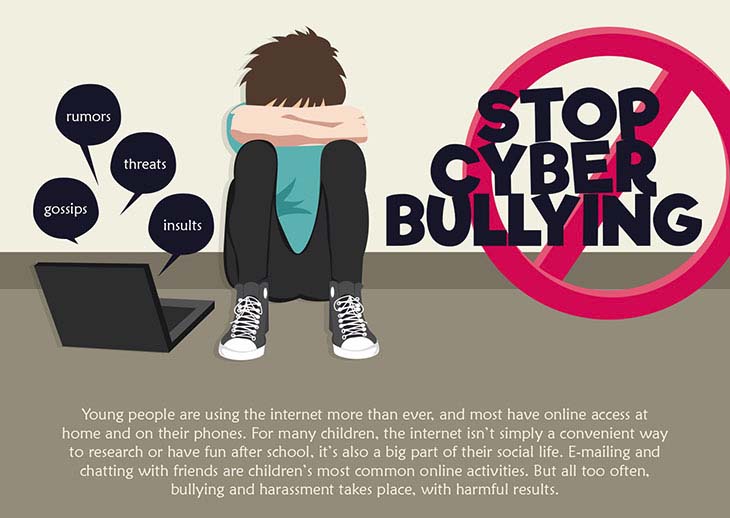
Cyberbullying is a form of bullying that occurs through digital devices, such as cell phones, computers, and tablets. It can take many forms, including sending mean or hurtful messages, spreading rumors, or even just sending an unwanted and mean direct message. The impact of cyberbullying is just as severe as traditional bullying and can leave lasting effects on a child's emotional well-being.
Warning Signs of Cyberbullying
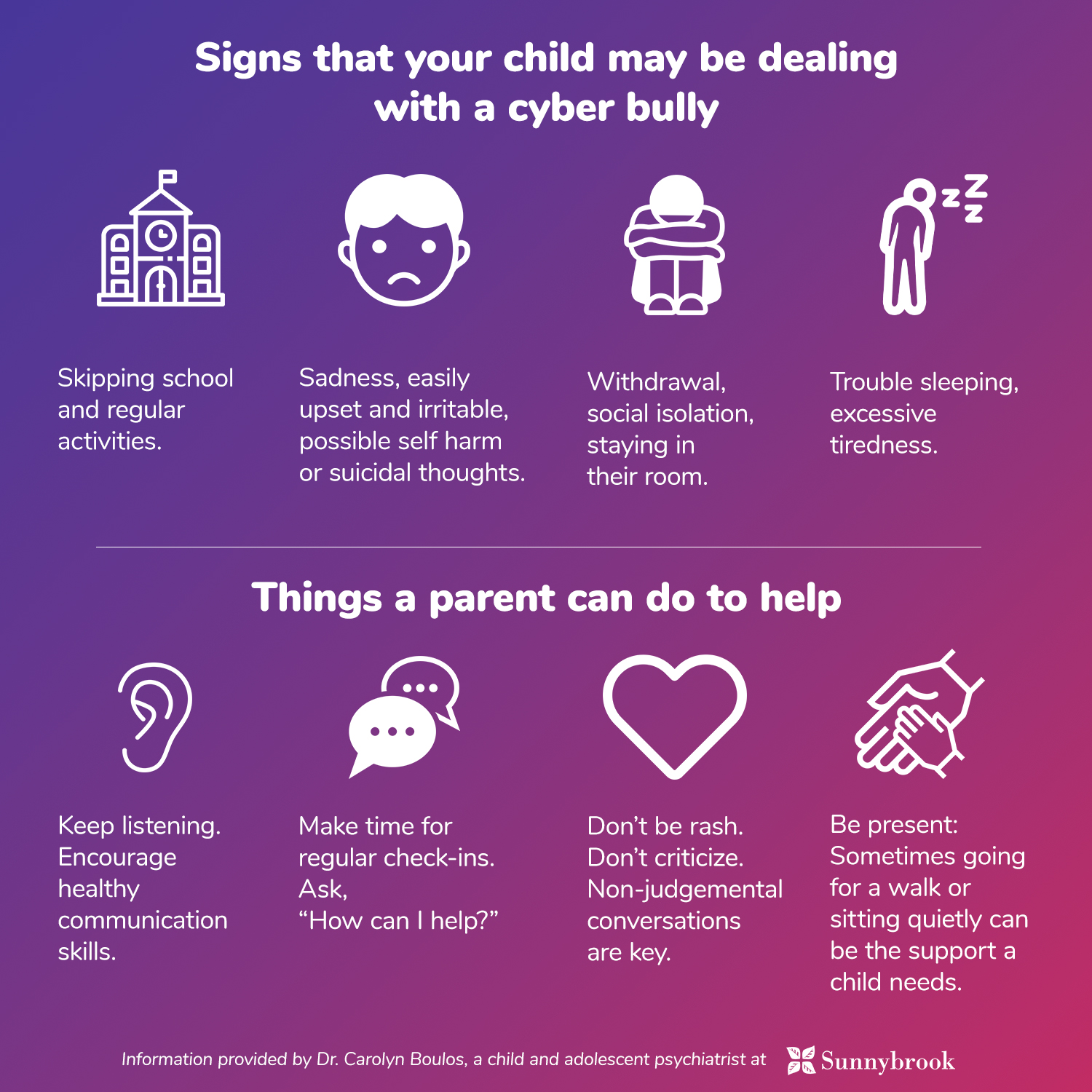
It's essential to be aware of the signs that your child may be a victim of cyberbullying. These include:
- Changes in behavior, such as becoming withdrawn or irritable
- Increased anxiety or stress related to technology use
- Consistently avoiding using devices or becoming overly protective of their online activity
- Refusing to talk about their online activity or receiving strange messages
- Engaging in arguments or fights with others online
How to Talk to Your Child about Cyberbullying
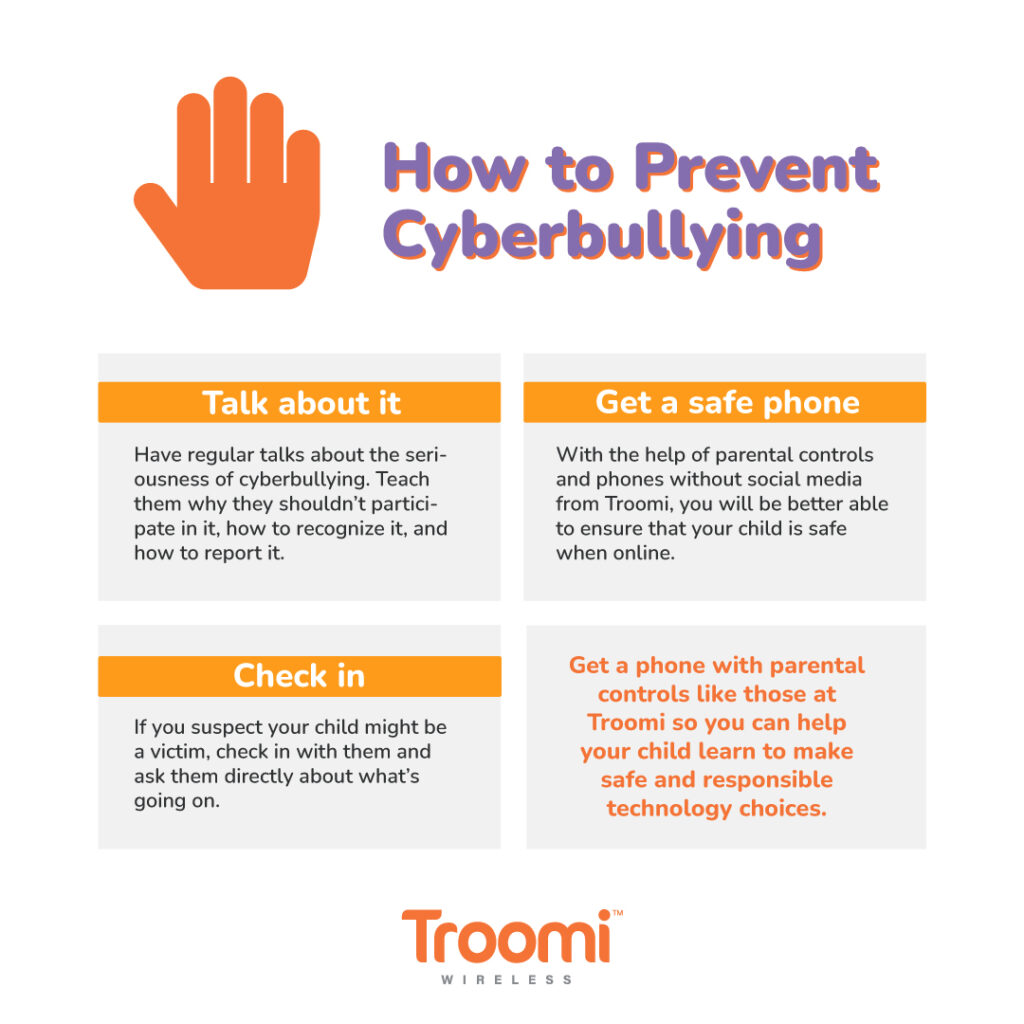
Having an open and honest conversation with your child about cyberbullying is crucial in helping them feel safe and secure online. Explain what cyberbullying is, and the importance of reporting it to you or a trusted adult immediately. Encourage your child to tell you if they witness or experience cyberbullying, and create a safe space for them to express their feelings and concerns.
Protecting Your Child from Cyberbullying
Parents can help shield their child from cyberbullying by taking proactive steps:
- Install parental control software to monitor and control their online activity
- Set boundaries and rules for technology use, such as usage limits and specific times for internet access
- Educate your child about digital citizenship, including how to behave online, how to avoid sharing personal information, and how to report cyberbullying
- Start conversations about online safety and the consequences of cyberbullying
What to Do if Your Child is a Victim of Cyberbullying
If your child becomes a victim of cyberbullying, take swift action to:
- Save the messages or evidence of the bullying
- Report the incident to the social media platform or website involved
- Block the perpetrator and adjust your child's online settings
- Contact the school or authorities, if necessary
- Monitor your child's online activity closely
Conclusion
Protecting your child from cyberbullying requires ongoing effort, education, and communication. By being aware of the warning signs, having open conversations, and taking proactive steps, you can help create a safe online environment for your child to thrive in.
Additional Resources
For more information on cyberbullying prevention and reporting, visit the U.S. Cyberbullying Prevention Resource Center or the National Cyber Security Alliance's Stopthinkconnect.org website.