How to Set Up a Trust: A Comprehensive Guide
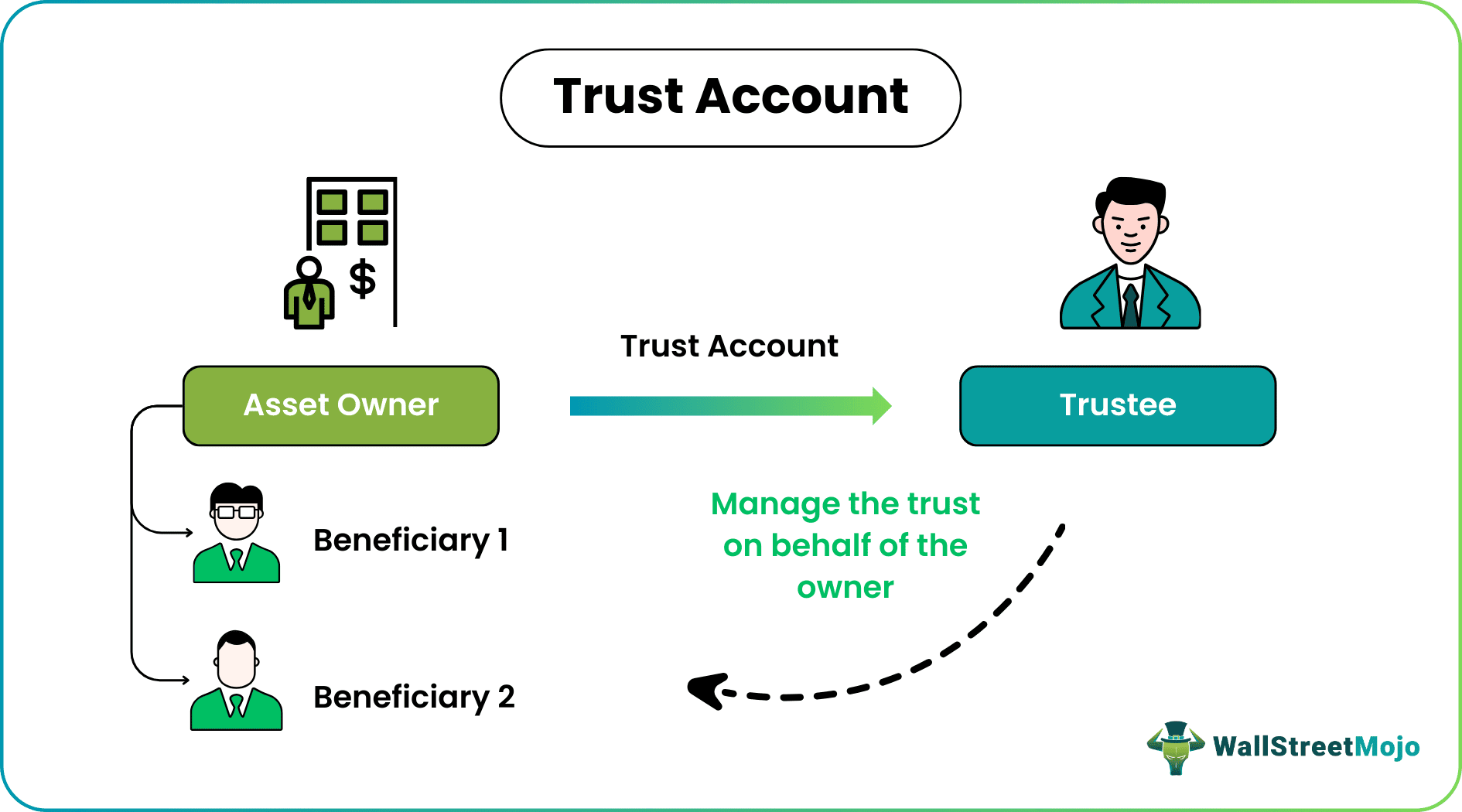
A trust is a legal arrangement in which a person, known as the grantor, transfers the ownership of assets to a trustee, who manages and distributes them to beneficiaries according to the grantor's wishes. Setting up a trust can provide numerous benefits, including asset protection, tax benefits, and estate planning peace of mind.
Choosing the Right Type of Trust
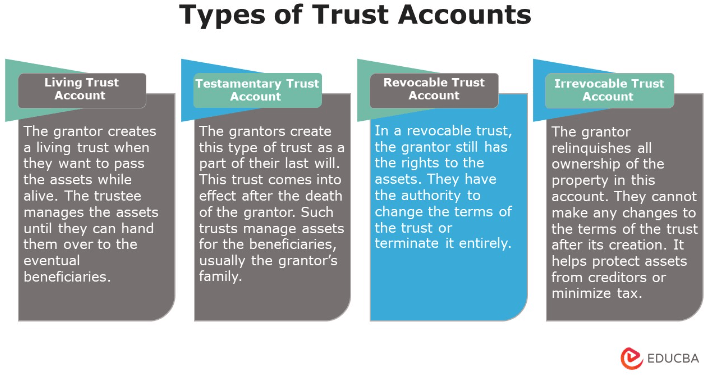
There are several types of trusts, including revocable, irrevocable, living, and testamentary trusts. The type of trust that's right for you will depend on your individual circumstances and goals. For example, a revocable trust can be changed or canceled at any time, while an irrevocable trust is more permanent. When determining how to set up a trust, it's essential to consider the tax implications, as some trusts can provide tax benefits, while others may not.
Types of Trusts
- Revocable Trust: A revocable trust can be changed or canceled at any time, and the grantor maintains control over the assets.
- Irrevocable Trust: An irrevocable trust is more permanent and cannot be changed or canceled once it's established.
- Living Trust: A living trust is a type of revocable trust that's created during the grantor's lifetime.
- Testamentary Trust: A testamentary trust is a type of trust that's created in a will and goes into effect after the grantor's death.
Why Set Up a Trust?
Setting up a trust can provide numerous benefits, including:
- Asset Protection: A trust can help protect your assets from creditors and lawsuits.
- Tax Benefits: Some trusts can provide tax benefits, such as reducing taxes or avoiding estate taxes.
- Estate Planning: A trust can help ensure that your assets are distributed according to your wishes after your death.
- Family Protection: A trust can provide for family members or loved ones who may rely on your support.

Steps to Set Up a Trust
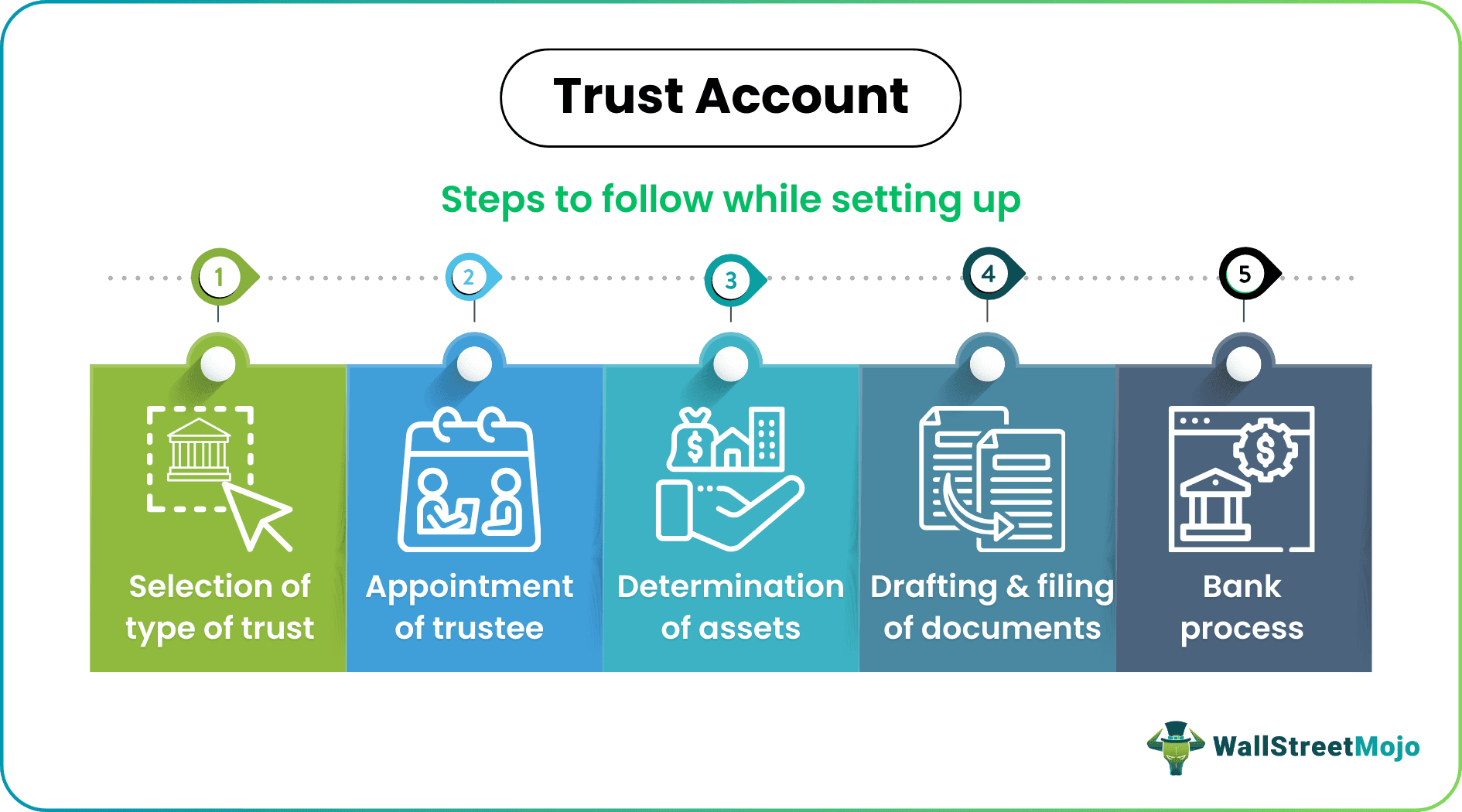
Setting up a trust requires careful planning and attention to detail. The following steps can help guide you through the process:
- Consult with an Attorney: It's highly recommended to work with an experienced attorney to create a trust that meets your specific needs.
- Choose a Trustee: The trustee will manage and distribute the trust assets according to the grantor's wishes.
- Fund the Trust: Fund the trust with the assets you want to transfer to the trust.
- Create a Trust Deed: The trust deed outlines the terms and conditions of the trust, including the distribution of assets.
- File with the State: File the trust with the state where the trust will be administered.
Common Mistakes to Avoid
When setting up a trust, it's essential to avoid common mistakes that can lead to costly consequences. Some common mistakes include:
- Not choosing the right type of trust.
- Not properly funding the trust.
- Not creating a clear and comprehensive trust deed.
- Not filing the trust with the state.
Conclusion
Setting up a trust can provide numerous benefits, including asset protection, tax benefits, and estate planning peace of mind. By understanding the different types of trusts and following the proper steps, you can create a trust that meets your specific needs. Remember to avoid common mistakes and consult with an experienced attorney to ensure your trust is set up correctly.
Note: This article has been written to provide general information and guidance on how to set up a trust. It is not intended to be a substitute for professional advice from an experienced attorney or financial advisor.