Improving Attention Span through Occupational Therapy
Introduction
Occupational therapy (OT) plays a vital role in supporting children with attention challenges, including those with ADHD, autism spectrum disorder, and other developmental concerns. By employing a blend of sensory, motor, cognitive, and environmental techniques, therapists help improve focus, self-regulation, and overall functional skills. In this article, we will explore the importance of occupational therapy in improving attention span and discuss the various strategies and techniques used by occupational therapists to achieve this goal.The Role of Occupational Therapy in Improving Attention
Occupational therapy offers an array of evidence-based strategies designed to improve focus and attention in children and adults. Through sensory integration, cognitive training, environmental modifications, and engaging activities, OT professionals help clients develop skills essential for academic, social, and daily functioning. The underlying areas that support cognitive skills needed for learning, safety, and behaviors are identified and targeted through various interventions, including toys for attention, which play a primary role in the occupations of a child.Key Areas of Focus for Improved Attention Span
1.Developing Executive Functioning Skills
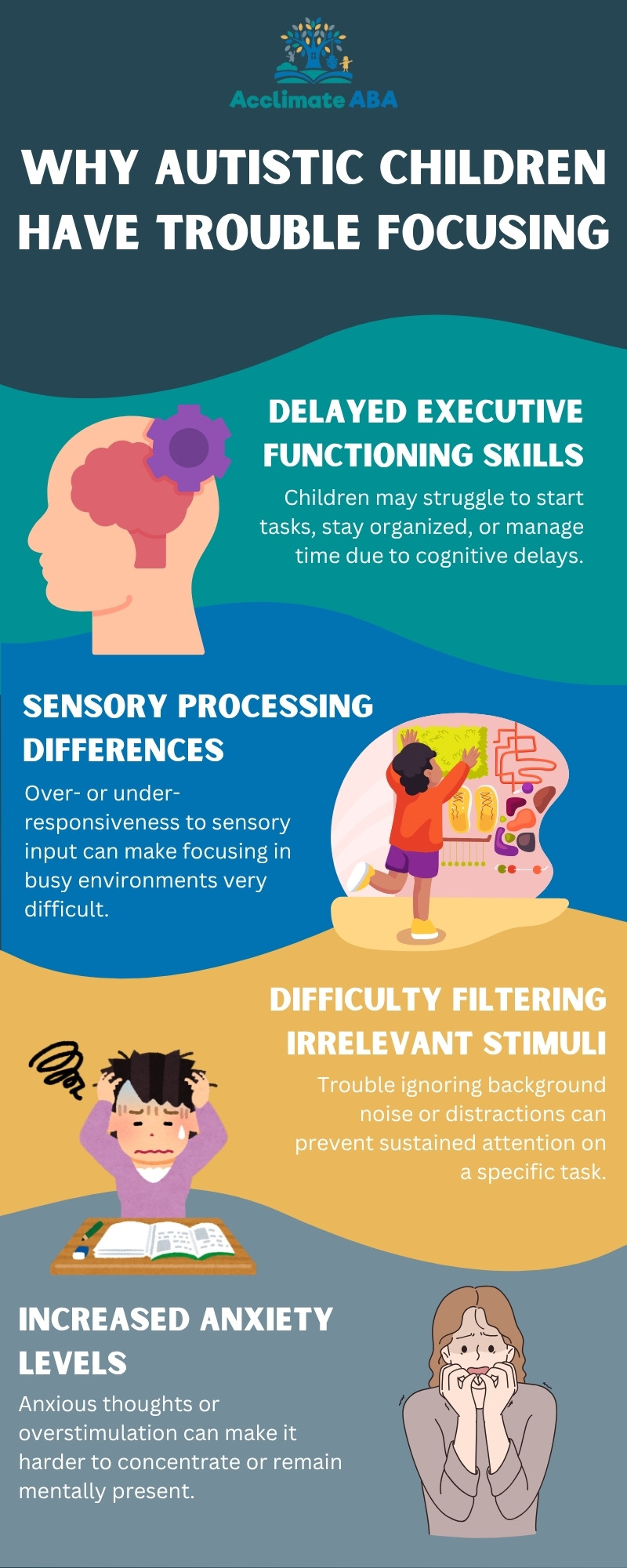
Focus, self-regulation, and working memory are essential for maintaining attention during tasks. Occupational therapists address these skills through executive functioning training, helping individuals develop strategies to manage distractions and stay focused. 2.Enhancing Sensory Processing Skills
Sensory integration techniques, such as visual, auditory, and tactile activities, help individuals with sensory processing challenges filter important stimuli, reduce stress, and improve attention in classrooms and social situations. 3.Modifying the Environment
Environmental modifications, such as reduced noise levels, organized spaces, and structured routines, can significantly impact attention span by reducing distractions and promoting a sense of control and security. 4.Engaging Activities