Overcoming Phone Obsession with Accountability: A Comprehensive Guide
Are you tired of feeling like your smartphone is controlling your life? Do you find yourself mindlessly scrolling through social media, playing games, or checking email throughout the day? If so, you're not alone. Phone obsession is a growing concern that can negatively impact our mental and physical health, relationships, and productivity. In this article, we'll explore the signs, causes, and effects of phone addiction, as well as provide practical strategies and techniques for overcoming phone obsession with accountability.
Understanding Phone Addiction
Phone addiction, also known as nomophobia, is the fear of being without your smartphone. It's a condition that can lead to excessive phone use, anxiety, decreased attention span, and stress. But why do we become addicted to our phones in the first place? The answer lies in the way our brains are wired to respond to rewards and cues.
- Instant gratification: Our phones provide instant access to information, entertainment, and social interaction, releasing feel-good chemicals like dopamine in the process.
- Constant notifications: The constant stream of notifications can create a sense of FOMO (fear of missing out) and anxiety, leading us to constantly check our phones for updates.
- Social validation: Social media platforms often use algorithms that prioritize engaging content, making it difficult to disengage from our phones and maintain a healthy social connection.
Signs and Symptoms of Phone Addiction
So, how do you know if you're addicted to your phone? Here are some common signs and symptoms:
- Excessive phone use: You find yourself spending more than 4-6 hours a day on your phone.
- Withdrawal symptoms: You experience anxiety, irritability, or restlessness when you're unable to use your phone.
- Tolerating negative effects: You continue to use your phone despite negative consequences, such as sleep deprivation, relationship problems, or decreased productivity.
- Loss of interest in activities: You find yourself prioritizing phone use over other activities, such as exercise, reading, or socializing.
Overcoming Phone Obsession with Accountability
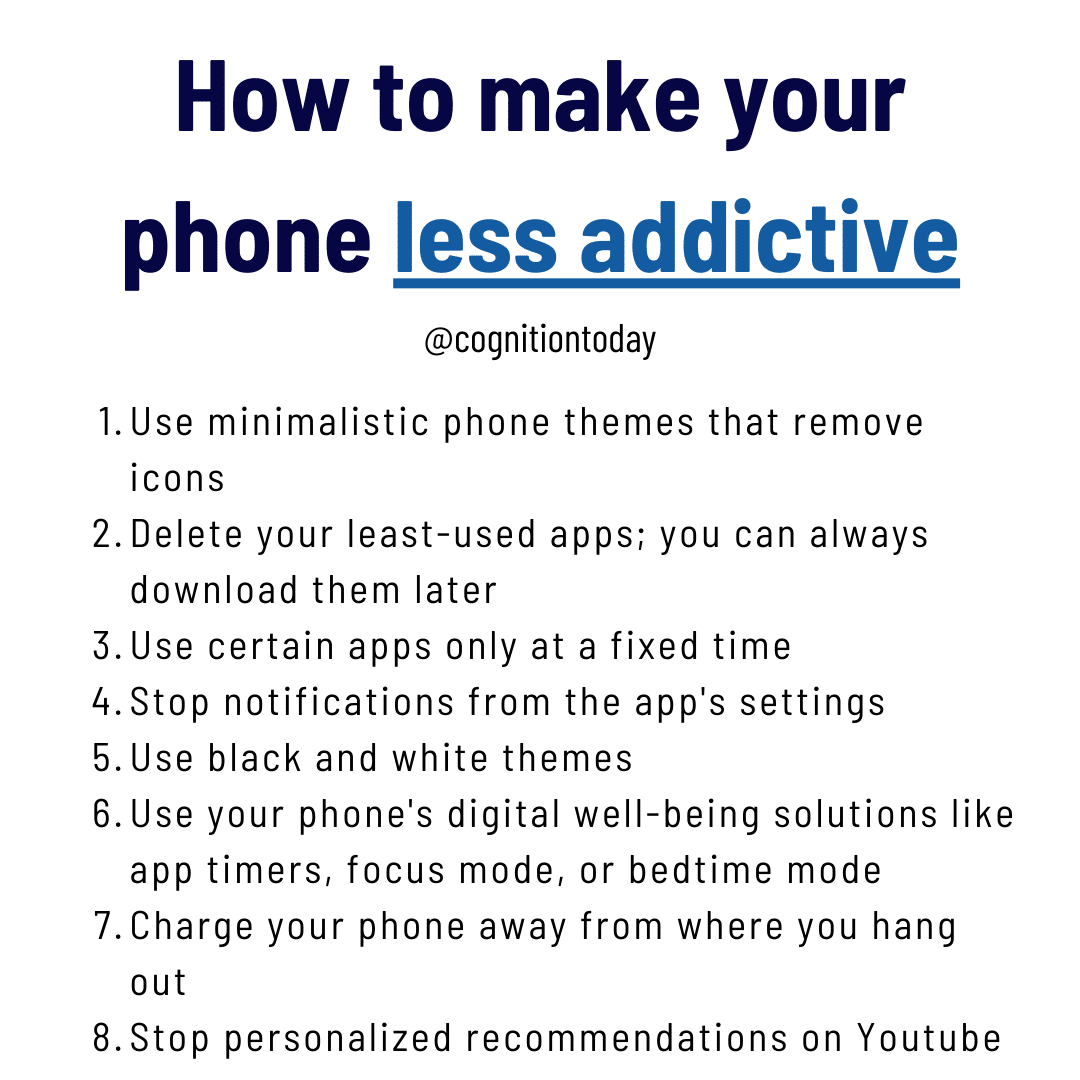
So, how can you overcome phone obsession with accountability? Here are some practical strategies and techniques:
Seek Support
Sharing your struggles with a friend, family member, or mental health professional can help you stay accountable and motivated to change your phone use habits.
Use Accountability Apps
Apps like Freedom, SelfControl, or Moment can help you track your phone use, set goals, and receive reminders to stay on track.
Implement Screen-Free Zones
Designate phone-free zones, such as your bedroom or dining table, to help you stay focused and present.
Practice Mindfulness
Mindfulness practices, such as meditation or deep breathing, can help you become more aware of your phone use and make more intentional choices.
Creating an Accountability System
Accountability is key to overcoming phone obsession. Here's a simple system you can implement:
- Identify your goals: Set specific, measurable goals for reducing your phone use.
- Track your progress: Use an app or spreadsheet to track your phone use and stay accountable.
- Set reminders: Schedule reminders to check in with yourself and stay on track.
- Share with a friend: Share your goals and progress with a friend or accountability partner to stay motivated.
- Celebrate milestones: Reward yourself for reaching milestones and celebrate your progress.
Conclusion
Overcoming phone obsession with accountability requires a combination of self-awareness, support, and practical strategies. By understanding the signs, causes, and effects of phone addiction, you can take the first step towards reclaiming your life and developing healthier phone use habits. Remember, accountability is key to lasting change. Share your goals and progress with a friend or accountability partner, and celebrate your milestones along the way.